Introducing @SiggyClub
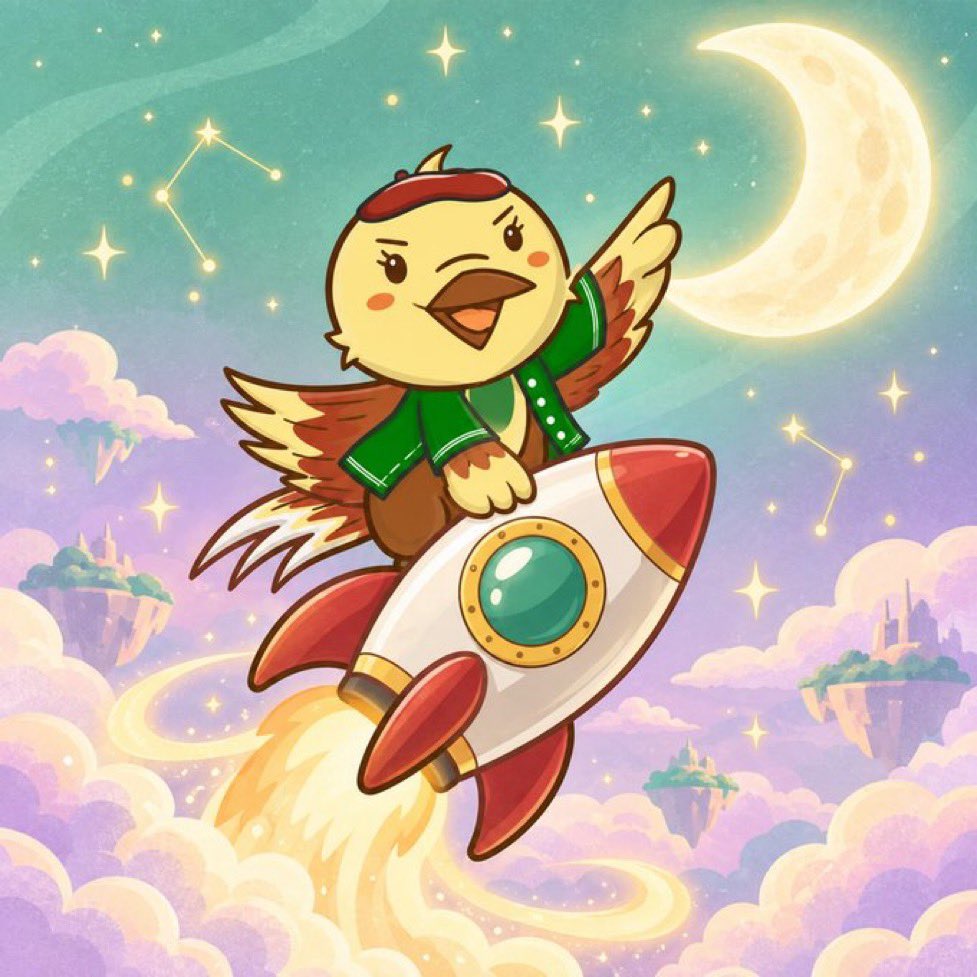
Ritual’s mascot is getting its own onchain club.
Siggy Club is a 2,500 piece generative NFT collection built around Siggy, Ritual’s official mascot, launching on Ritual Mainnet.
With 130+ traits and a staged mint for OGs, partner communities, and the public, Siggy Club feels less like a standalone collection and more like an early cultural layer for the Ritual ecosystem.
Led by long time Ritual contributor and AI creator Denys, this is one to keep on the radar.
I am glad to have secured some spots for my communities.🤝
COLLABORATION ALERT 🤝
We’re excited to partner with @arklisdotapp as its ecosystem grows through NFT distribution, token sales, and upcoming launches across Arc Chain and Robinhood Chain.
Looking forward to supporting the project and connecting our communities.
More soon!🧱🤝
COLLABORATION ALERT 🤝
We’re excited to partner with @arklisdotapp as its ecosystem grows through NFT distribution, token sales, and upcoming launches across Arc Chain and Robinhood Chain.
Looking forward to supporting the project and connecting our communities.
More soon!🧱🤝
Most NFTs stop at the artwork.
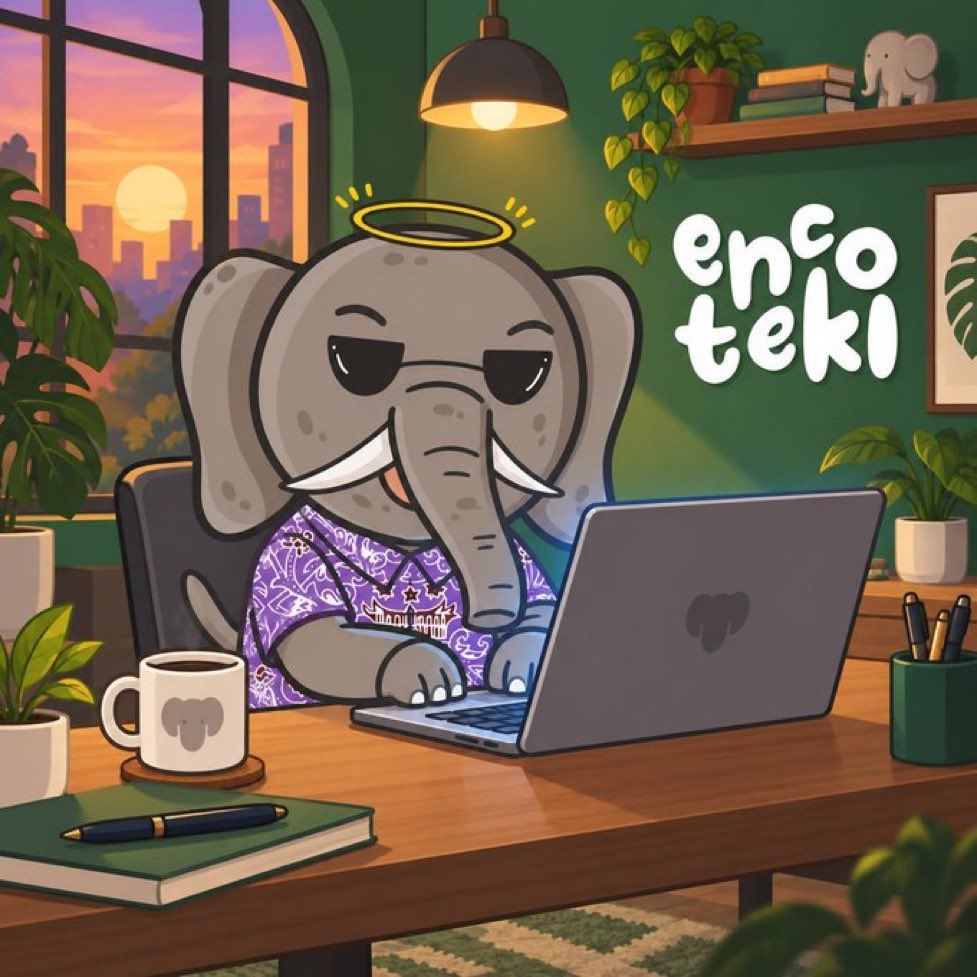
@encoteki is trying to make the NFT itself part of something bigger.
A free mint collection of 3,653 NFTs built around six endangered Indonesian animals, each reimagined with unique traditional and cultural attributes.
But the interesting part is the mission behind the art.
Encoteki blends Web3 with conservation, aiming to create real impact for holders, local communities and the environment while raising awareness around endangered species.
You’re not just collecting a character.
You’re becoming part of a community built around culture, conservation and digital ownership.
Free mint.
3,653 NFTs.
6 endangered species.
This is the kind of project I’ll be watching closely. 🌿
I happy to secure collaboration for my communities, raffle is live on DC.
Some NFT collections start with pixels.
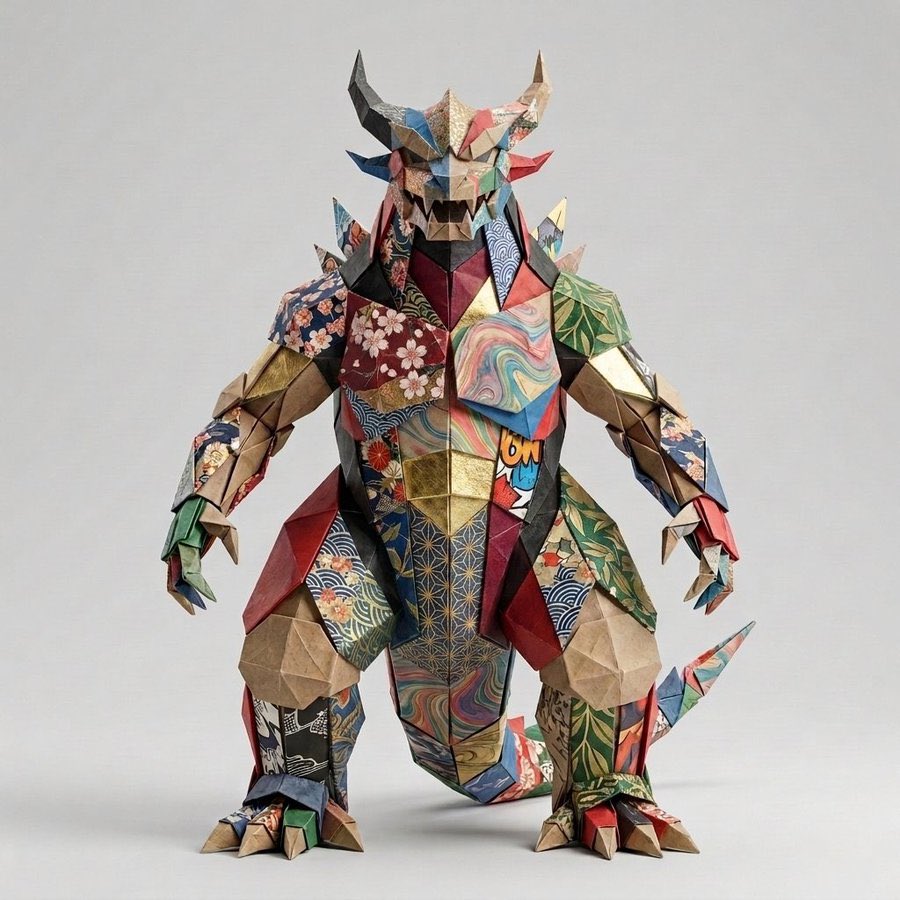
@KaijuFold started with paper.
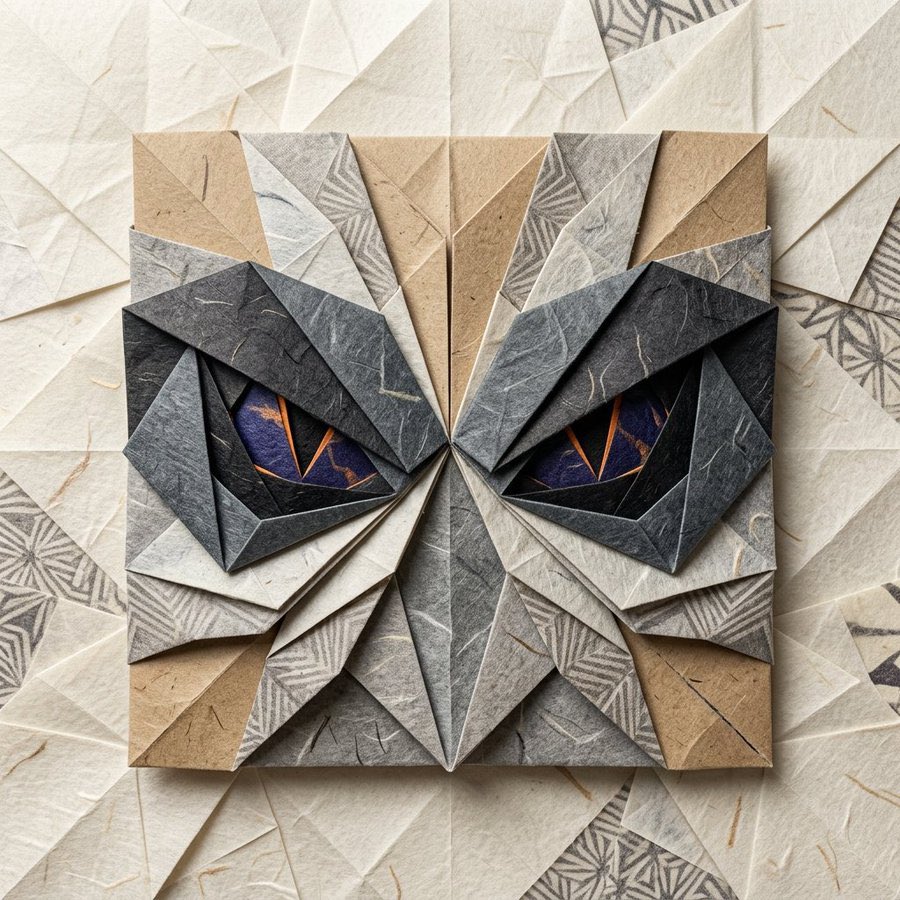
3,333 unique Kaiju built from real world textures, cardboard, printed materials and carefully collected surfaces from different places around the world.
The interesting part isn’t just the artwork. It’s the system behind it.
Each Kaiju is assembled from independent layers: heads, bodies, eyes, mouths, limbs, armor, accessories and other traits. These elements were digitally cut and prepared to work together, creating thousands of possible combinations while keeping the collection visually coherent.
Paper becomes skin.
Cardboard becomes armor.
Printed patterns become clothing.
Textures become scales, fur, metal, wings and alien surfaces.
The collection also introduces different Kaiju categories, including Monsters, Robots, Aliens and rare Legendaries.
It’s essentially a physical art process translated into a generative digital system.
3,333 creatures.
One strange universe.
One idea: what if an entire world of monsters could be built from paper?
Kaiju Fold is the answer.
I believe my community and I are in love with @KaijuFold