Why are we just accepting this insanity when other countries charge way less for their fuel.
It is pure government incompetence that got us here with their neglect of strategic infrastructure that does not serve the interest of the 4IR.
https://t.co/rGwQwQ3Wuw
What a psycho.
Listen to his sick words, especially at the end. It is like his sick twisted mind is rubbing it in.
The fact that they were the ones so capable that they put themselves out of a job.
This is the top end of what I told you people will be used for.
We will be used to remove ourselves and make ourselves irrelevant.
All you need is the capitalism catalyst and you have the recipe for self destruction.
https://t.co/GYF4WTpkqK
1 April Nightmare Incoming.
Is this the last straw or will middle class South Africans keep on bending over?
This is a disaster for South Africans that are overburdened already.
https://t.co/ogRt1UPhLP
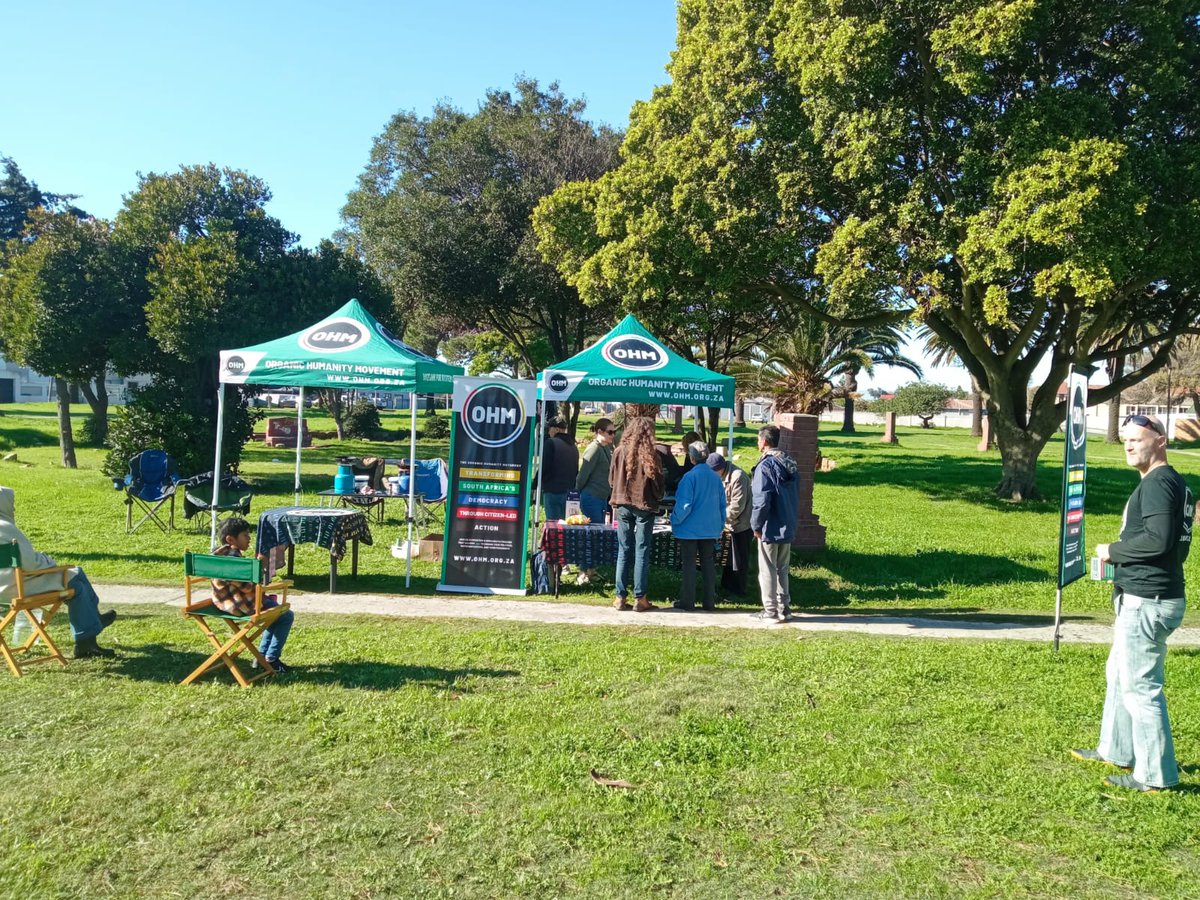
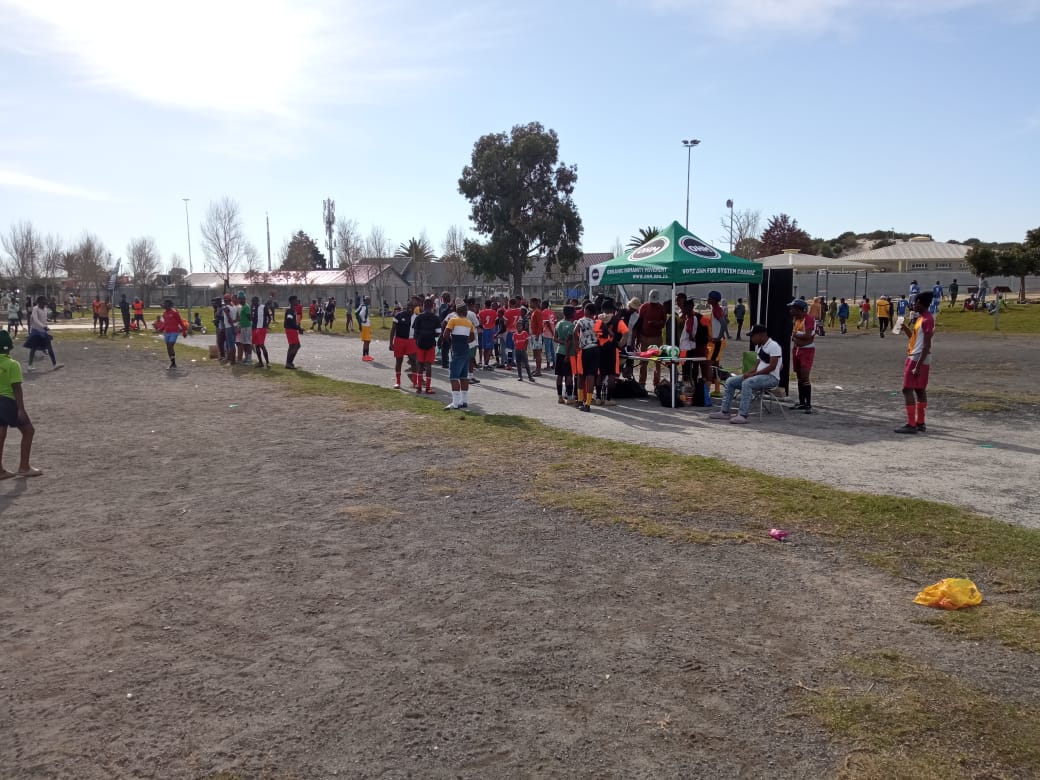
We are just a bunch of ordinary South Africans who realised that no one is coming to save us! What a liberating feeling it is when you realise this!
Welcome to Project Liberate South Africa from Global, Government and Corporate Tyranny! (We call it system change for short ;) )
There is power in numbers! Join us!
Comment if you want to know more!
An excerpt from OHM's Foundational Philosophy Document! If you want to be part of the first group to receive a copy when its ready, comment FREEDOM!
The definition and role of the citizen.
The word citizen is French and loosely means “inhabitant of a city or town” or town/city dweller”.
The definition of "citizen" according to the Oxford Dictionary: a person who belongs to a particular country, state, or commonwealth by birth or naturalization and has legally recognized rights and duties as a member of that entity.
We see a citizen as an adult person who was born in South Africa, and who acknowledges that their actions, or lack of, have an impact on their immediate community and their country. The only way to keep tyranny at bay, is for citizens to remain politically vigilant and active.
It is when we leave politics to politicians that we find ourselves in a predicament of powerlessness. Politics, contrary to popular belief, is not the business of politicians, it is the business of the people. Therefore, if maintaining individual liberty is important to you, then it is crucial that you take a keen interest in what is happening.
Political involvement can look like many things, but its most basic and necessary form is this: people need to speak their minds and to voice their opinions uncensored and unafraid.
Citizens need the courage to say “I do not agree” or “you are wrong”, and to do so publicly, without fear of losing one’s friends or job. This is missing in society right now, yet this very simple act is what prevents fringe ideologies from taking over an entire nation.
Other ways citizens can participate politically is to stay in touch with their representatives, attend any government or political meetings and public participation processes, or, run or assist community improvement projects with or without the government’s help.
The apex of citizen action would be to actually run for public office. There is nothing that has the potential to scare away selfish career politicians than an active citizen with conviction and a willingness to represent his or her community. If there is an election in your area and you do not share the same worldview as any of the candidates running for public office, then it is your sacred civic duty to become a candidate yourself so that you can make sure your worldview has the opportunity to be represented.
Ordinary citizens who are not willing to stand for public office, results in an abyss in which only the greedy, the opportunistic, the criminal and the psychopathic will fill, and fill gladly.
The elephant in the room of course, is having a system in which it is easy for individuals to stand for public office. Such a system does not exist. However, we have proposed a system that replaces the current multi-party system with a system we call direct elections which will make it easier for the ordinary and concerned citizen to stand for public office.
THE MULTI-PARTY SYSTEM HAS FAILED SOUTH AFRICA
Some facts about how parliament is elected right now:
1. A CLOSED candidate list - meaning the parties choose the candidates, and the voters choose their preferred party, often with no clue who is on the candidate list.
Some more info:
Each party contesting can put forward the amount of candidates equal to the amount of seats available. For national elections, that would be 400. Parties then list their candidates from "most favourite" (no 1) to "least favourite" (no 400) based on internal party criteria. Each party will decide which candidates are best based on their own priorities, which is a disaster for running a country. If you make "the most loyal" no 1, then you got a candidate in public office who puts the party before the people. Which is South Africa's crisis right now.
2. PR system: If a party gets 40% of the vote, they get 40% of the seats. This re-enforces party power and stifles legislative progress. Especially because the PR system promotes ideology based politics, when what we need is competence based politics.
Contrast that to OHMs proposal: the country is divided up into 400 constituencies, and each constituency gets one candidate who the voter directly votes for. No parties acting as middle-men controllers.
3. NO constituencies: Currently Members of Parliament represent their parties, not the constituencies (constituencies being a geographical region that a public rep is responsible for). This way parties have MORE control over decision making and its spoken about like its a good thing!!!
4. National Council of Provinces (NCOP): In addition to Provincial Legislatures, we also have NCOP, which is a council of representatives representing provincial interests in National Assembly - something that will be completely redundant and therefore removed, in OHM's proposed system, saving tax-payers money.
The system needs to change.
We have the blueprint.
To change the system we need enough people to WANT that change, AND be willing to do something!
Join us!
Sign up here: https://t.co/3cXoc4m2Cd
Which system reform do you think is most urgent?
A) More local (municipal) autonomy
B) Replacing 1stt-past-the-post with RANKED voting system
C) Ability to VOTE OUT public reps
D) No more provincial government
Is a little transparency too much to ask?
We need a better system to hold our public reps accountable.
Here is what we propose:
- Individuals apply to the IEC to run for public office (they can still belong to an organisation/party).
This way, if people are unhappy with the public rep, it’s between them and the voter. No party acting like a middle-man or gatekeeper.
- There are 400 seat’s in parliament – each will be assigned a geographical area, and the MP candidate must reside in the area they wish to represent.
This will replace the PR system we currently have, and once again bring accountability down to the level of the public re themselves.
- You will vote using a ranked voting system, which ensure the most popular candidate gets the seat, instead of the least worst.
- At any time, voters can “vote out” an ill performing public rep if there is enough support to do so.
- Increased limitations, auditing and transparency on political funding for candidates (currently parties).
The age of ideology is over. Parties are now redundant. We now need capable, effective servant leaders with vision and drive to get things done so South Africa can function.
The system just needs to catch up to where the voters are at.
"Democracy is the worst form of government..." Which is why so many people choose not to vote.
"If voting made any difference," they say, "you wouldn't be allowed to do it"
There is something about statements like these that catch people's attention. They appeal to your emotions and your "fed-upness" of the system, but they fool you by not telling the full story.
You don't vote, yet you are still subject to the laws of the country, even the ones you don't agree with.
You don't vote, yet you still pay tax and VAT.
You don't vote, yet nothing about your life is more liberated.
You don't vote, yet things are still getting worse.
Maybe its time to change your mindset.
Here are some stats:
National and Provincial Government Elections:
1994 - 86% voter turnout
1999 - 87% voter turn out
2004 - 76.7% voter turnout
2009 - 77.3% voter turnout
2014 - 73.5% voter turnout
2019 - 66.1% voter turnout
2024 - 58.6% voter turnout
Local Government Elections:
2000 - 48% voter turnout
2006 - 48% voter turnout
2011 - 57.6% voter turnout
2016 - 57.95% voter turnout
2021 - 47.87% voter turnout
**Please note that the "voter turnout" refers to the percentage of REGISTERED voters, not the entirety of the adult population so the picture is actually more grim.
And as the famous saying goes, "democracy is the worst form of government, except for all those other forms that have been tried from time to time.
So lets make it work!
I want to thank the more than 1150 people that joined our public live stream today.
A lot was discussed and some very important information is provided towards the end that every citizen of the world should be aware of.
Thanks so much for your time and your efforts to spread this super important information.
https://t.co/LhycVNPL4y
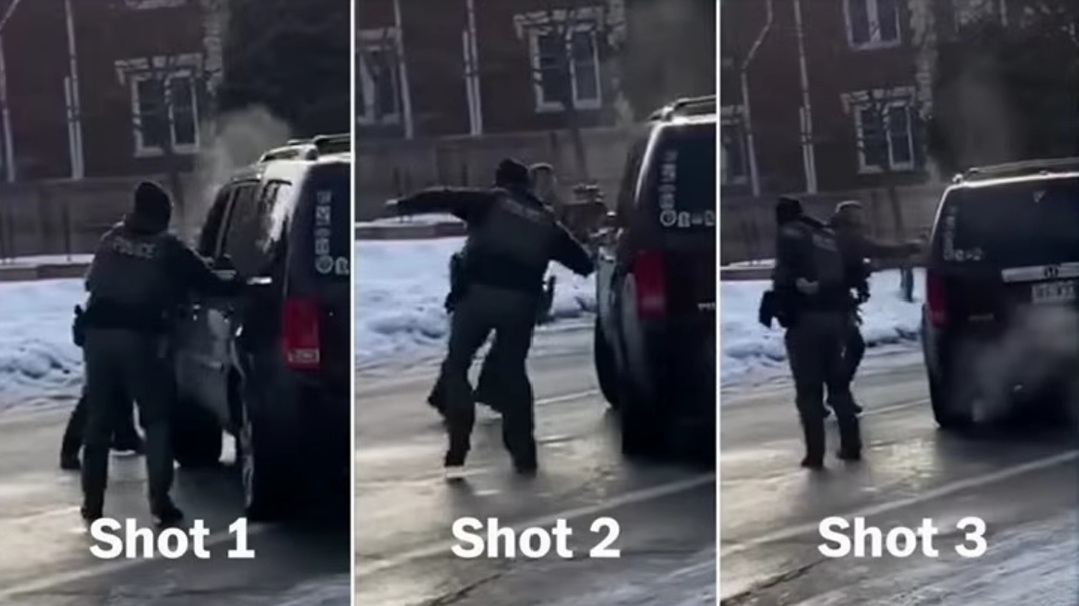
ICE Shooting:
For those who somehow now celebrate and defend this event.
You have become so decensitized to death.
You are not losing, but have lost your humanity.
It slowly happened over time.
These situations and actions are OK as long as it does not happen to you.
Your time is closer than you think.
I hope that you appreciate those that show humanity towards you when the time comes.
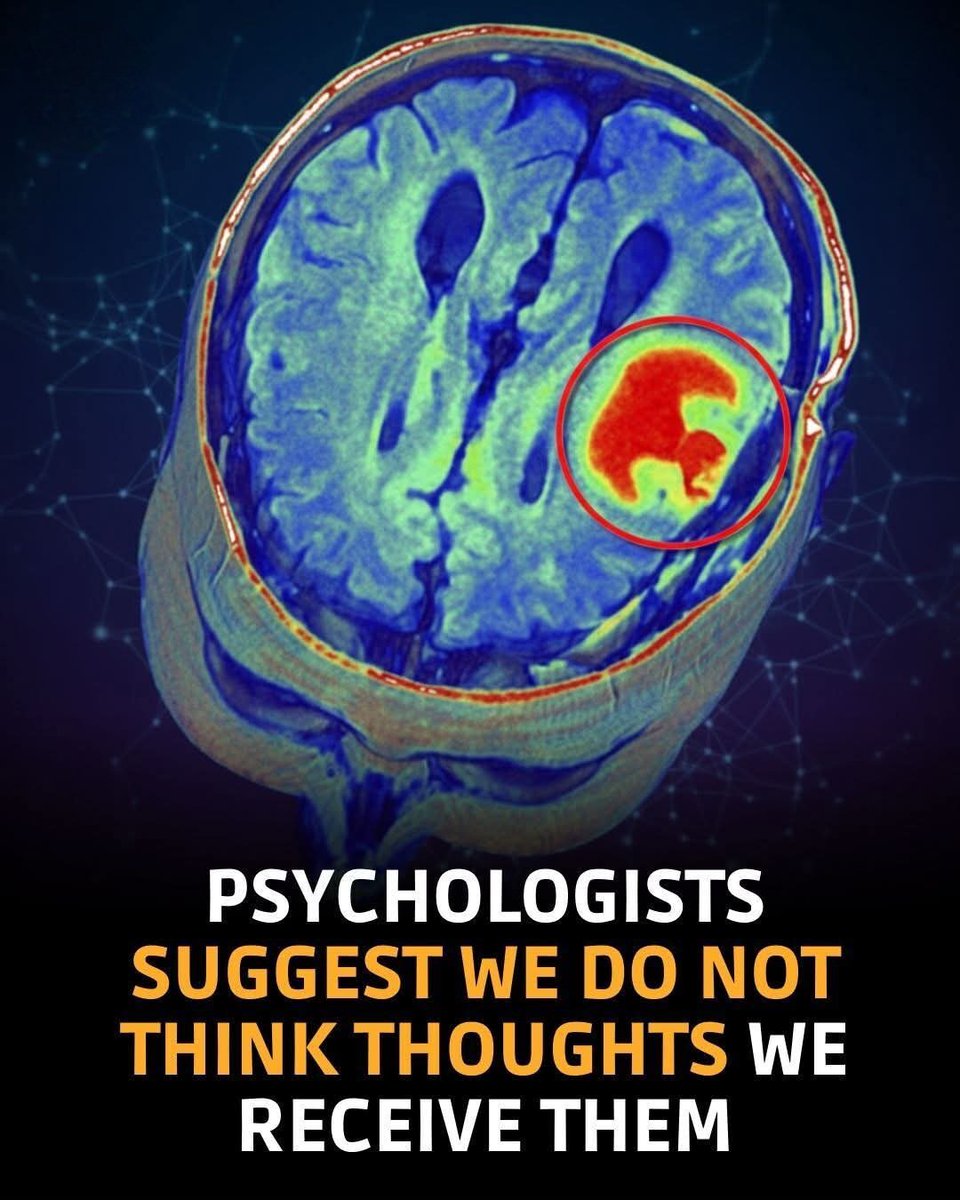
🧠 Mind as receiver, not creator.
Psychologists are exploring a fascinating idea that challenges how we understand the human mind. Thoughts may not be something we actively produce. Instead, they may arise, arrive, or surface from deeper subconscious processes beyond conscious control. Rather than being authored moment by moment, thoughts appear automatically, often without warning or intention.
Brain imaging studies show that neural activity linked to a thought begins milliseconds before a person becomes aware of it. This suggests awareness comes after the thought has already formed, not before. Meditation research supports this too, showing how thoughts emerge spontaneously when the mind is quiet, then fade when attention shifts.
This perspective changes how we relate to anxiety, creativity, and self-judgment. If thoughts are received rather than chosen, then observing them without attachment becomes easier. Mental clarity may come not from controlling the mind, but from listening to it with awareness.
The mind may be less like a writer and more like a radio, tuning into signals already in motion.