The Lebanese Center for Human Rights (CLDH) advocates for the enforcement of human rights & fights impunity by providing legal aid and rehabilitation services
بعد أكثر من 16 عاماً من العمل التشريعي، يعتبر تحالف حرية الرأي والتعبير في لبنان إقرار قانون الإعلام خطوة إصلاحية أساسية طال انتظارها، بما يتضمنه من مكتسبات مهمة على صعيد حماية حرية الإعلام وتعزيز استقلالية الهيئة الوطنية للإعلام، والشفافية، وحماية الصحافيين ومصادرهم، وحرية إنشاء المؤسسات الإعلامية.
وفي الوقت نفسه، يأسف التحالف للإبقاء على الفقرة (ب) من المادة 104 المتعلقة بتجريم نشر الأخبار الكاذبة، رغم الدعوات المتكررة لإلغائها، لما تطرحه من مخاطر نتيجة غموض مفهوم “الأخبار الكاذبة” وإمكانية استخدامه لتقييد حرية التعبير.
اقرا البيان الكامل عبر
https://t.co/YUs5BV5WFE
Don't miss our #humanrights weekly brief!
You can read the full brief here:
https://t.co/aWweVhoMx6
The articles shared are the liability of their respective news outlets and do not reflect the views of CLDH.
Photo Credits: Anadolu Agency / Arab News / LBCI / Lebanese Army (LAF) / L'Orient Le Jour
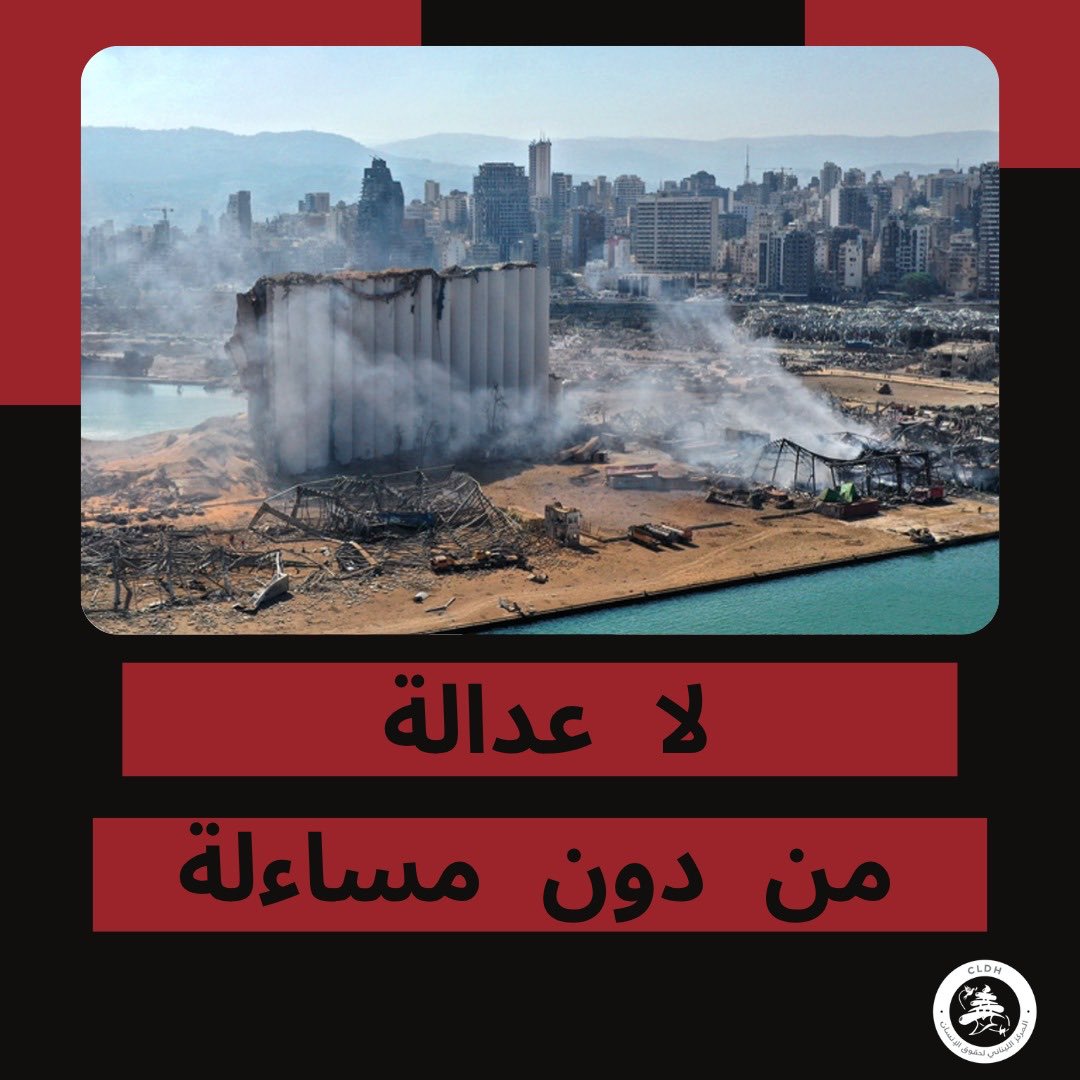
ستّ سنوات على انفجار مرفأ بيروت.
ستّ سنوات من دون عدالة للضحايا وعائلاتهم. ستّ سنوات بقيت خلالها الحقيقة معلّقة، واستمرّ الإفلات من العقاب، فيما أصبحت العدالة والمساءلة في لبنان أهدافًا تناضل من أجلها منظمات حقوق الإنسان، بدلًا من أن تكونا ركيزتين لدولة القانون.
في هذه الذكرى، يجدّد المركز اللبناني لحقوق الإنسان مطالبته بكشف الحقيقة كاملة، ومحاسبة جميع المسؤولين، وضمان حق الضحايا في العدالة وجبر الضرر.
لا عدالة من دون مساءلة.
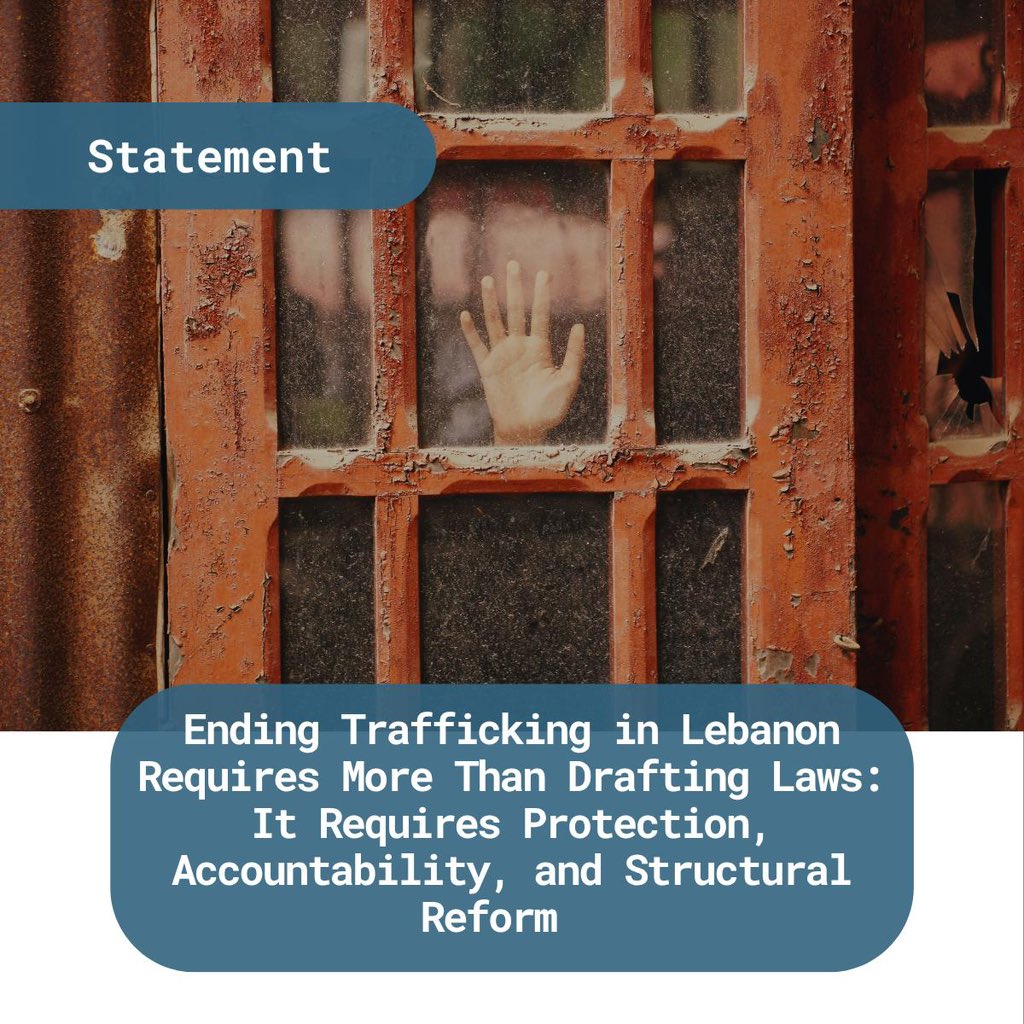
في اليوم العالمي لمكافحة الاتجار بالأشخاص، يؤكد المركز اللبناني لحقوق الإنسان أن الاتجار بالأشخاص ليس مجرد جريمة معزولة، بل هو نتيجة متوقعة للتمييز البنيوي، وضعف الحماية العمالية، ومحدودية الوصول إلى العدالة، واستمرار الأزمات.
لذلك، فإن الوقاية من الاتجار بالأشخاص تتطلب أكثر من الملاحقة الجنائية. فهي تستوجب تعزيز منظومات الحماية، وضمان المساءلة، ومعالجة أوجه عدم المساواة البنيوية، ووضع الضحايا والناجين في صميم جميع الاستجابات.
ويواصل المركز اللبناني لحقوق الإنسان التزامه بدعم الناجين والناجيات من خلال تقديم المساعدة القانونية والدعم النفسي والاجتماعي، والمناصرة من أجل إصلاحات هيكلية، والعمل إلى جانب الشركاء الوطنيين والدوليين لضمان حصول كل ضحية على الحماية والعدالة والكرامة. اقرا البيان الكامل عبر https://t.co/98pjPv6tCL
On this World Day Against Trafficking in Persons, CLDH reiterates that trafficking is not an isolated criminal phenomenon but the predictable consequence of structural discrimination, weak labor protections, inadequate access to justice, and prolonged crises.
Preventing trafficking therefore requires more than criminal prosecution. It requires strengthening protection systems, ensuring accountability, addressing structural inequalities, and placing victims and survivors at the center of every response.
CLDH remains committed to supporting survivors through legal and psychosocial assistance, advocating for structural reforms, and working alongside national and international partners to ensure that every victim has access to protection, justice, and dignity. Read the full statement on https://t.co/XgPlk7fBh7
Don't miss our #humanrights weekly brief!
You can read the full brief here:
https://t.co/YoLdaKziNc
The articles shared are the liability of their respective news outlets and do not reflect the views of CLDH.
Photo Credits: Daily Beirut / HRW / LBCI / MTV
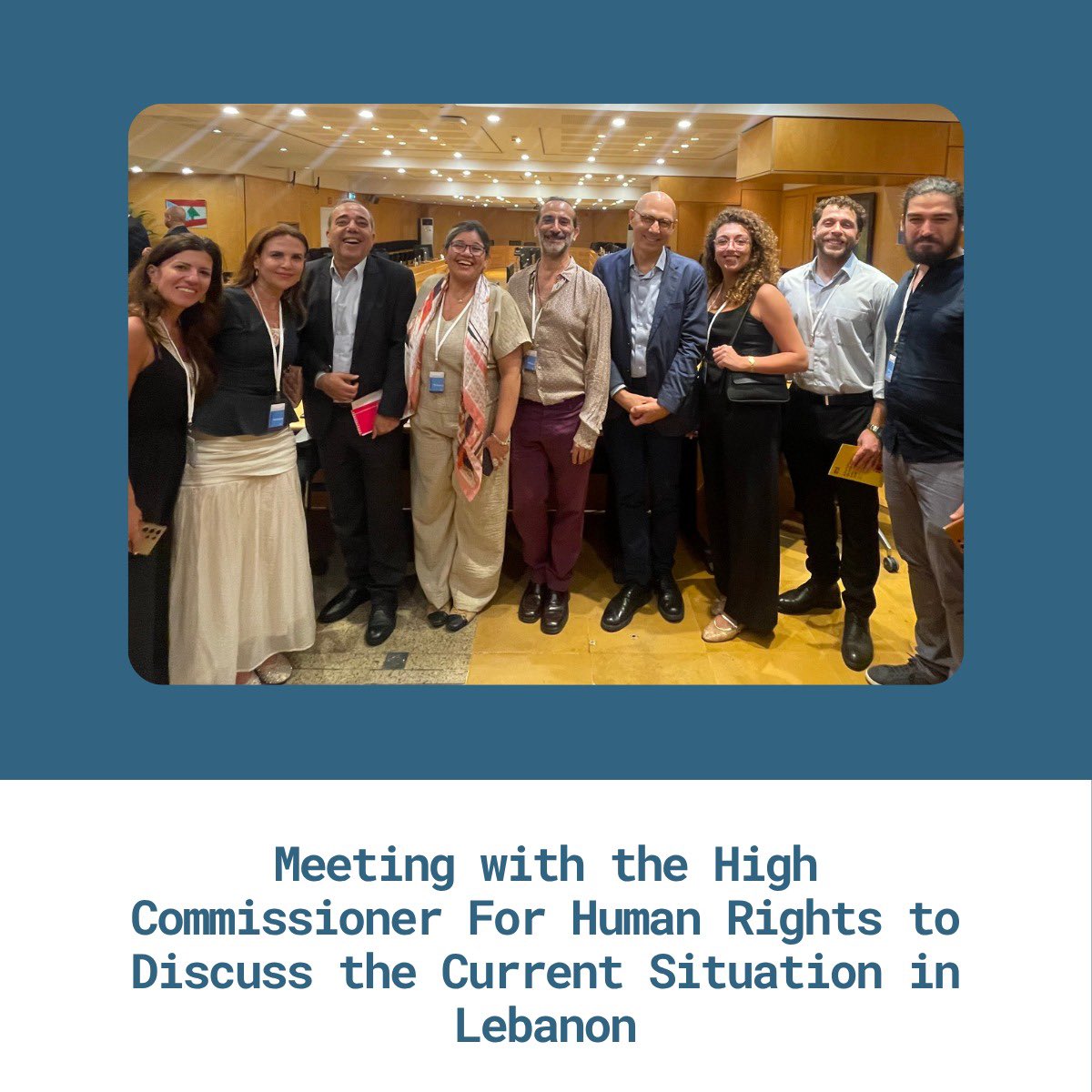
On 26 July 2026, the Lebanese Center for Human Rights (CLDH), alongside fellow civil society organizations, met with the #UnitedNationsHighCommissioner for Human Rights during his official visit to Lebanon.
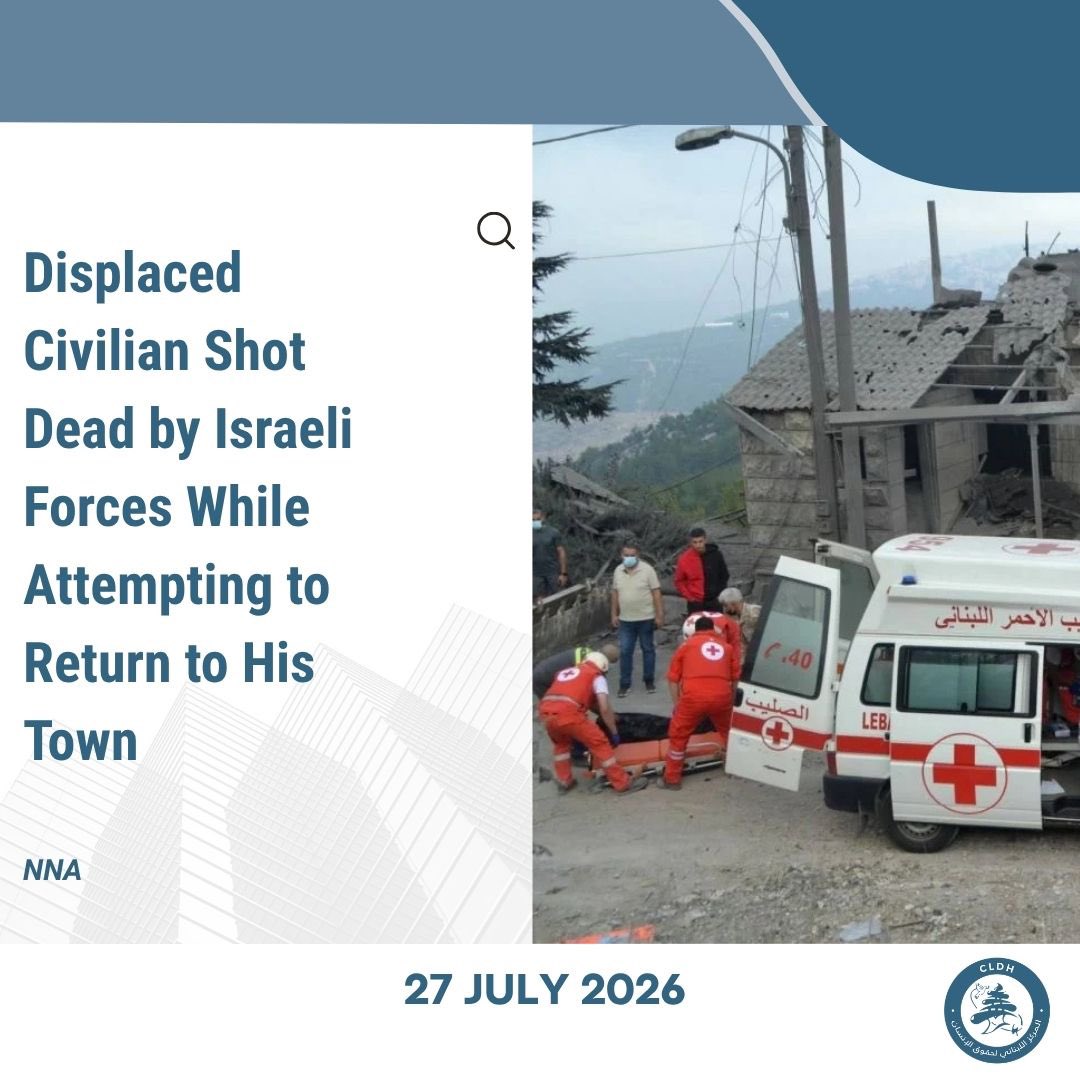
During the meeting, CLDH highlighted the urgent need for accountability for violations committed during the hostilities in Lebanon - including the #Israeli occupation of the South - the alarming deterioration of prison conditions and chronic overcrowding, the human rights situation of migrant workers and refugees, and the growing restrictions on civic space affecting civil society organizations and human rights defenders.
The discussion underscored the importance of sustained international engagement to ensure accountability, strengthen the protection of fundamental rights, and support civil society in Lebanon.
Read more about the meeting and CLDH's key recommendations here:
https://t.co/LqcRJqtJRt and https://t.co/JNY6jwMSFC
Don't miss our #humanrights weekly brief!
You can read the full brief here:
https://t.co/K6vv7RNMNN
https://t.co/db0VOySAhg
The articles shared are the liability of their respective news outlets and do not reflect the views of CLDH.
Photo Credits: UNICEF - AFP - NNA - 961 - Getty images - Lebanese Army
The Lebanese Center for Human Rights conducted a training session on facilitation skills with women from vulnerable communities, in partnership with Oxfam in Lebanon, with the support of Danida, Denmark’s development cooperation. The training aimed to introduce participants to core facilitation techniques, including how to lead short sessions effectively, manage common group challenges, and understand the distinction between facilitation and teaching.
The session also featured various hands-on activities, including role-playing exercises, allowing participants to apply and strengthen the skills they had learned in a practical setting.
This activity was implemented as part of the "Creating pathways to enhance protection and economic security of Syrian refugees and vulnerable host communities in Lebanon” project implemented by CLDH in partnership with Oxfam in Lebanon, and with the support of Danida, Denmark's development cooperation.
نظم المركز اللبناني لحقوق الإنسان (CLDH) جلسة تدريبية حول مهارات التيسير بمشاركة نساء من المجتمعات الأكثر هشاشة، وذلك بالشراكة مع أوكسفام في لبنان وبدعم من دانيدا (Danida)، وكالة التعاون الإنمائي الدنماركية.
هدفت الدورة إلى تعريف المشاركات بأساسيات وتقنيات التيسير، بما في ذلك كيفية إدارة جلسات قصيرة بفعالية، والتعامل مع التحديات الشائعة التي قد تنشأ داخل المجموعات، وفهم الفرق بين التيسير والتدريس.
كما تضمن التدريب مجموعة من الأنشطة التطبيقية والتفاعلية، من بينها تمارين لعب الأدوار، ما أتاح للمشاركات فرصة تطبيق المهارات المكتسبة وتعزيزها في بيئة عملية.
نُفِّذ هذا النشاط في إطار مشروع "إيجاد مسارات لتعزيز الحماية والأمن الاقتصادي للاجئين/ات السوريين/ات والمجتمعات اللبنانية المضيفة الأكثر هشاشة"، الذي ينفذه المركز اللبناني لحقوق الإنسان بالشراكة مع أوكسفام في لبنان وبدعم من دانيدا، وكالة التعاون الإنمائي الدنماركية.
The draft Media Law has been placed on the agenda of the Lebanese Parliament's General Assembly for 15 and 16 July 2026, following nearly sixteen years of deliberation.
The draft introduces key reforms, most notably abolishing prison sentences and criminal prosecutions for publication-related offences and replacing them with civil liability, while limiting criminal sanctions to cases of incitement to hatred, violence, and discrimination in line with the safeguards set out in the Rabat Plan of Action. These safeguards are essential to ensure that criminal liability remains limited to the most serious cases of incitement and to prevent the misuse of the law to restrict freedom of expression.
However, the Joint Parliamentary Committees introduced paragraph (b) to Article 104, criminalizing the "fabrication of false information and the dissemination of false and harmful news" with prison sentences of up to three years, and, in some cases, harsher penalties including hard labour—a provision the Coalition strongly condemns.
This amendment effectively re-criminalizes publication through vague and ill-defined language, contradicting the core objective of the draft law to shift from criminal to civil liability. It opens the door to arbitrary prosecutions of journalists, media outlets, and anyone exercising their right to freedom of expression, while allowing authorities to circumvent the decriminalization of defamation through allegations of disseminating "false and harmful news."
Read the full article through
https://t.co/PzUjpxyzir
أُدرج اقتراح قانون الإعلام على جدول أعمال الهيئة العامة لمجلس النواب يومي الأربعاء والخميس الواقع في 15 و 16 تموز 2026، بعد نحو ستة عشر عاماً من النقاشات
وقد تضمّن الاقتراح إصلاحات أساسية، أبرزها إلغاء العقوبات السجنية والملاحقات الجزائية في قضايا النشر، والانتقال إلى المسؤولية المدنية، مع حصر الاستثناء بالتحريض على الكراهية والعنف والتمييز وفق الضمانات المستندة إلى خطة عمل الرباط. وتشكّل هذه العناصر ضمانات ضرورية لحصر التجريم في حالات التحريض الخطيرة، ومنع التوسع في تفسير النص أو استخدامه لتقييد حرية التعبير.
إلّا أنّ اللجان النيابية المشتركة أضافت فقرة (ب) إلى المادة 104 تعاقب على «اختلاق أضاليل ونشر أخبار كاذبة ومؤذية» بالحبس لمدة قد تصل إلى ثلاث سنوات، مع إمكان تشديد العقوبة إلى الأشغال الشاقة في بعض الحالات، وهو ما يدينه التحالف.
تعيد هذه الفقرة تجريم النشر من خلال عبارات فضفاضة وغير محدّدة، بما يتناقض مع جوهر اقتراح القانون وفلسفته القائمة على الانتقال من المسؤولية الجزائية إلى المسؤولية المدنية. وتفتح هذه الأحكام المجال أمام ملاحقات تعسفية بحق الصحافيين ووسائل الإعلام وكل من يمارس حقه في التعبير، وتتيح الالتفاف على إلغاء تجريم القدح والذم عبر الادعاء بنشر «أخبار كاذبة ومؤذية».
اقرا المقال الكامل عبر https://t.co/YUs5BV5WFE
مبروك للبنان الغاء عقوبة الاعدام
ضوء صغير في هذا النفق المظلم
شكراً لجهود كل من عمل منذ سنوات طويلة لالغاء هذه العقوبة
وشكراً لوزير العدل الذي دفع بالقانون قُدماً رغم كل المعوقات
@adelnasar_@HumanRightsCLDH
Don't miss our #humanrights weekly brief!
You can read the full brief here:
https://t.co/cC8MIhWjbw
https://t.co/NNXsotrKkB
The articles shared are the liability of their respective news outlets and do not reflect the views of CLDH.
Photo Credits: AFP / MTV / OCHA / UNDP
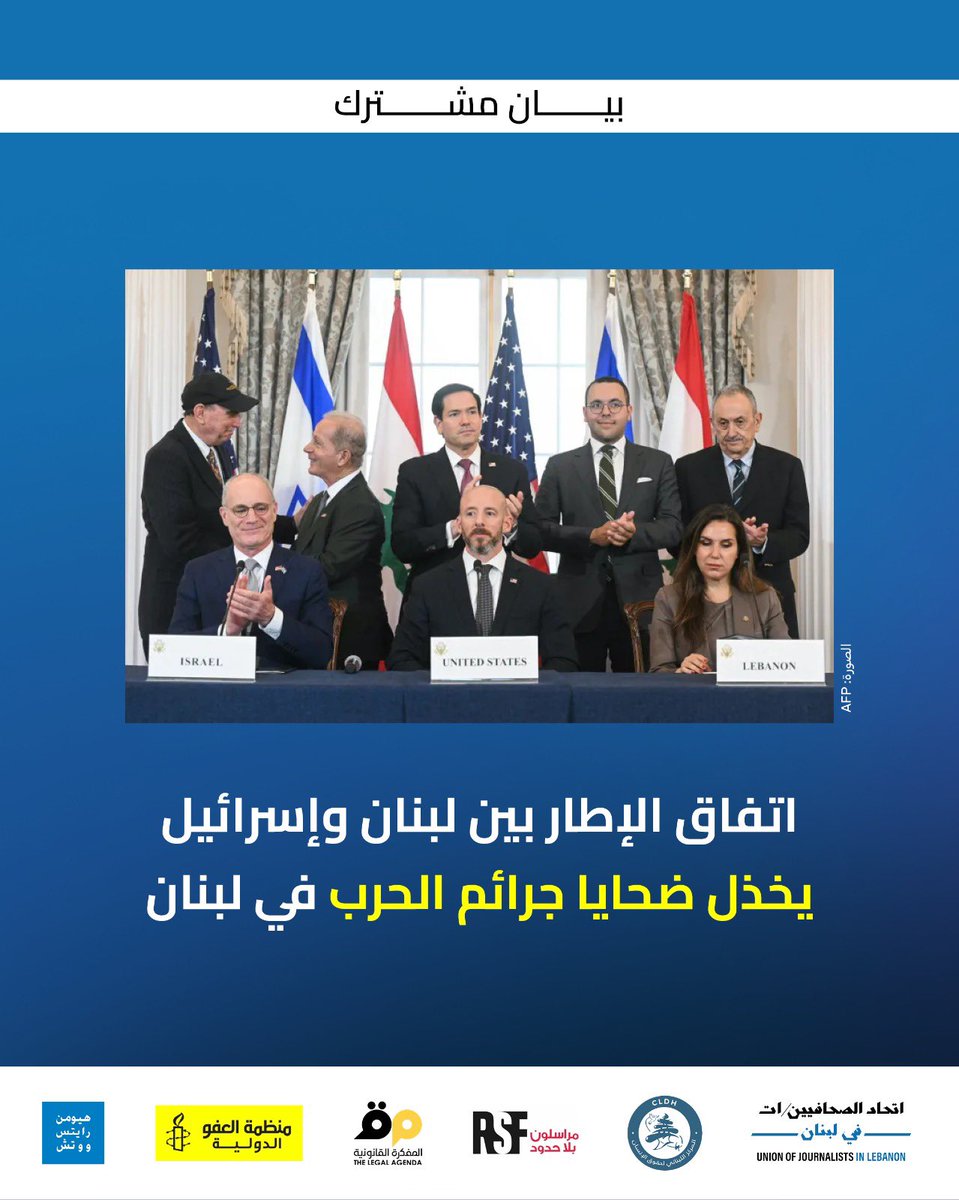
قال المركز اللبناني لحقوق الانسان وخمس من المنظمات الحقوقية والمنظمات المعنيّة بحرّية الصحافة اليوم إنّ اتفاق الإطار بين إسرائيل ولبنان الذي وقّع في واشنطن في 26 يونيو/حزيران 2026، يُنذر بخذلان ضحايا جرائم الحرب في لبنان. فيبدو أنّ أجزاءً من نصّ الاتفاق تهدف إلى منع ضحايا الجرائم الخطيرة المشمولة بالقانون الدولي من السعي إلى تحقيق العدالة أمام المحافل الدولية. كما تبدو أجزاء أخرى منه وكأنّها قبول ضمني باستمرار التهجير القسري المطوّل ومفتوح الأجل لعشرات الآلاف من السكان من مساحات شاسعة في جنوب لبنان تحتلّها القوّات الإسرائيلية.
يأتي الاتفاق بعد أشهر من الأعمال العدائية التي ألحقت أضرارًا جسيمة بالمدنيين، بما في ذلك أضرار نجمت عن جرائم حرب، وغيرها من انتهاكات القانون الدولي الإنساني، فضلًا عن انتهاكات جسيمة لحقوق الإنسان. ومع ذلك، يُلزم البند 13 من الاتفاق، حكومتي إسرائيل ولبنان بوقف "جميع الأعمال العدائية أو المناوئة في المحافل السياسية أو القانونية الدولية".
في حال فُسّر هذا الاتفاق على أنّه يمنع لبنان وإسرائيل من اللجوء إلى المحاكم الدولية، بما في ذلك المحكمة الجنائية الدولية ومحكمة العدل الدولية، فإنّه يتعارض بذلك مع الالتزامات القانونية الدولية التي تقتضي منهما السعي إلى المساءلة عن الجرائم الخطيرة بموجب القانون الدولي التي ارتُكبت على أراضي البلدَيْن. ولا يبدو أنّ الاتفاق يُلزم إسرائيل بوقف أي خطوات ضدّ حزب الله في المحافل الدولية.
كما ينتهك البند 3 القانون الدولي وحظر التهجير القسري، إذ يشترط عودة السكان إلى مناطق محدّدة تحتلّها إسرائيل على طول الحدود حاليًا بـ "التأكّد من نجاح نزع سلاح الجماعات المسلّحة غير الحكومية وتفكيك بنيتها التحتية في هذه المناطق". وبموجب القانون الدولي الإنساني، يجب السماح للناس بالعودة فور انتهاء الأعمال العدائية أو زوال الأسباب التي أدّت إلى تهجيرهم.
اقرا البيان عبر:
https://t.co/98pjPv6tCL
@ujlebcom@Legal_Agenda@AmnestyAR
The Israel-Lebanon framework agreement signed in Washington on June 26, 2026, threatens to betray war crimes victims in Lebanon, CLDH and five human rights and press freedom organizations said today. Parts of the text appear to be aimed at preventing victims of serious international crimes from seeking justice before international forums.
Others seem to acquiesce to the prolonged and indefinite forced displacement of tens of thousands of residents of vast swathes of southern Lebanon occupied by Israeli forces.
The agreement comes following months of hostilities resulting in immense civilian harm, including as a result of war crimes, violations of international humanitarian law, and gross human rights abuses. Yet, Clause 13 of the agreement commits the governments of Israel and Lebanon to the cessation of “all hostile or adverse actions in international political or legal fora.”
To the extent that this agreement is interpreted to prevent Lebanon and Israel from having recourse to international courts, including the International Criminal Court and the International Court of Justice, it would contradict the countries’ international legal obligations to pursue accountability for serious international crimes committed on their territories. The agreement does not appear to commit Israel to halt any initiatives in international forums against Hezbollah.
Clause 3 further violates international law and the prohibition of forced displacement, conditioning the return of residents to specified zones along the border, currently occupied by Israel, to the “successful disarmament of non-state armed groups and dismantlement of their infrastructure.” Under international humanitarian law, people must be allowed to return once hostilities have ended or the reasons for their displacement cease to exist.
Read more on:
https://t.co/XgPlk7fBh7
@ujlebcom@AmnestyAR@Legal_Agenda
Lors de la 62ᵉ session du Conseil des droits de l'homme, @walasmar représentant la FIDH et le Centre libanais pour les droits humains (CLDH), a appelé le gouvernement libanais à adhérer au Statut de Rome de la Cour pénale internationale (CPI) afin de garantir la justice et la reddition de comptes pour les victimes des violations des droits humains et des crimes de guerre présumés commis par Israël au Liban. Il a souligné que ces graves violations ne doivent pas rester impunies et que la lutte contre l'impunité est indispensable pour garantir justice aux victimes. Il a également insisté sur l'importance de rendre justice à Issam Abdallah et Amal Khalil, dont les affaires illustrent la nécessité d'assurer la responsabilité pour les attaques visant les civils et les journalistes.
@fidh_fr
خلال الدورة الثانية والستين لمجلس حقوق الإنسان، دعا @walasmar ، ممثلًا عن الفيدرالية الدولية لحقوق الإنسان (FIDH) والمركز اللبناني لحقوق الإنسان (CLDH)، الحكومة اللبنانية إلى الانضمام إلى نظام روما الأساسي للمحكمة الجنائية الدولية، بما يضمن تحقيق العدالة والمساءلة لضحايا الانتهاكات الإسرائيلية لحقوق الإنسان وجرائم الحرب المزعومة المرتكبة في لبنان. وأكد أن هذه الانتهاكات الجسيمة يجب ألا تمرّ من دون محاسبة، وأن تحقيق العدالة للضحايا ومكافحة الإفلات من العقاب يتطلبان مساءلة المسؤولين عنها. كما شدد على أهمية تحقيق العدالة لكل من عصام عبد الله وأمل خليل، باعتبار أن قضيتيهما تجسدان الحاجة الملحّة إلى ضمان المساءلة عن الهجمات التي تستهدف المدنيين والصحفيين.
@fidh_un
During the 62nd session of the Human Rights Council, @walasmar representing both the FIDH and the Lebanese Center for Human Rights (CLDH), called on the Lebanese Government to accede to the Rome Statute of the International Criminal Court (ICC) to ensure justice and accountability for victims of Israeli human rights violations and alleged war crimes committed in Lebanon. He stressed that these grave violations must not go unpunished and that accountability is essential to delivering justice to victims and combating impunity. He also emphasized the importance of securing justice for Issam Abdallah and Amal Khalil, whose cases stand as powerful reminders of the need for accountability for attacks against civilians and journalists.
@fidh_en
A #ceasefire should mean safety. A chance to return home. A chance to rebuild.
But for many families in #Lebanon, displacement continues. Ongoing violations and insecurity mean that returning home is still not possible.
Families remain separated from their homes, livelihoods, and communities, facing uncertainty about what comes next.
With the support of EU Civil Protection & Humanitarian Aid, DRC and its partners, including CLDH are helping displaced families address their most urgent protection needs and access the support they need to navigate an uncertain future.
This video does not reflect the views of the European Union. #EUHumanitarianAid #EUCivilProtection
كان من المفترض أن يشكّل وقف إطلاق النار بدايةً للأمان، وفرصةً للعودة إلى المنزل، ولإعادة بناء الحياة.
لكن بالنسبة للكثير من العائلات في لبنان، لا يزال النزوح واقعًا مستمرًا. فمع استمرار الانتهاكات وانعدام الأمن، لا تزال العودة إلى المنازل غير ممكنة بالنسبة للكثيرين.
ولا تزال العائلات بعيدة عن منازلها، ومصادر رزقها، ومجتمعاتها، في ظل حالة من عدم اليقين بشأن ما يخبئه المستقبل.
بدعم من المديرية العامة للحماية المدنية وعمليات المساعدات الإنسانية الأوروبية (DG ECHO)، يعمل المجلس الدنماركي للاجئين وشركاؤه، ومن بينهم المركز اللبناني لحقوق الإنسان على مساندة العائلات النازحة في تلبية احتياجاتها الأكثر إلحاحًا في مجال الحماية، وضمان وصولها إلى الدعم الذي تحتاجه لمواجهة مستقبل غير مؤكد.
هذا الفيديو لا يعكس وجهات نظر الاتحاد الأوروبي.
@DRC_ngo@eu_echo