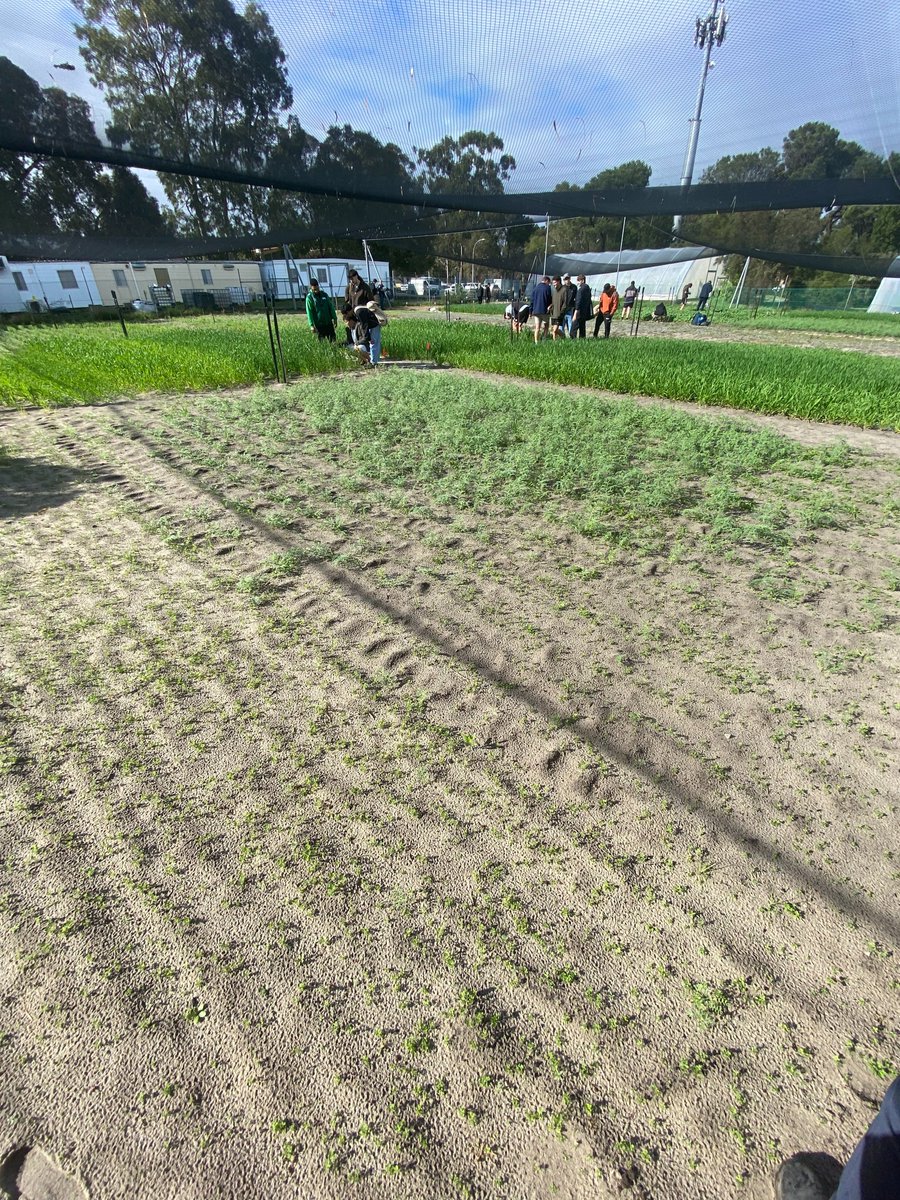
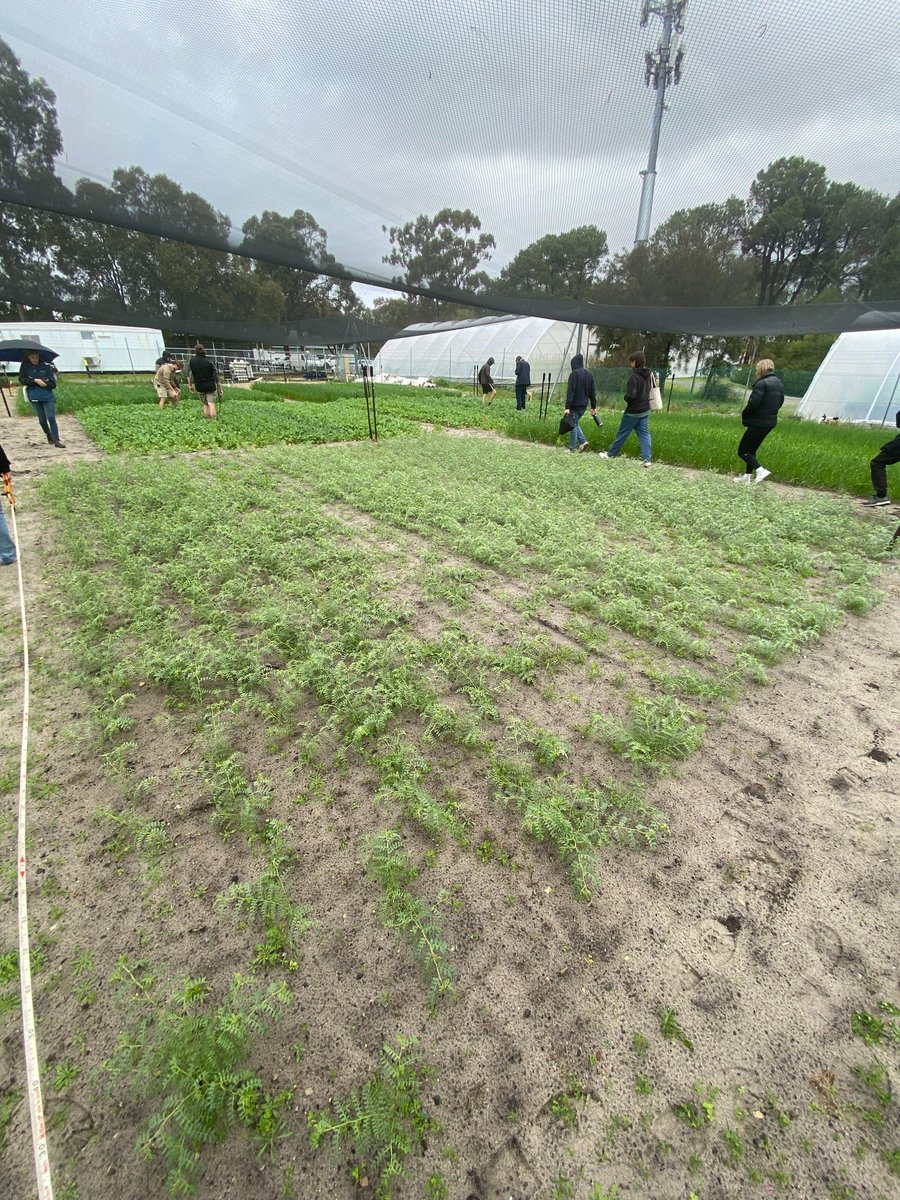
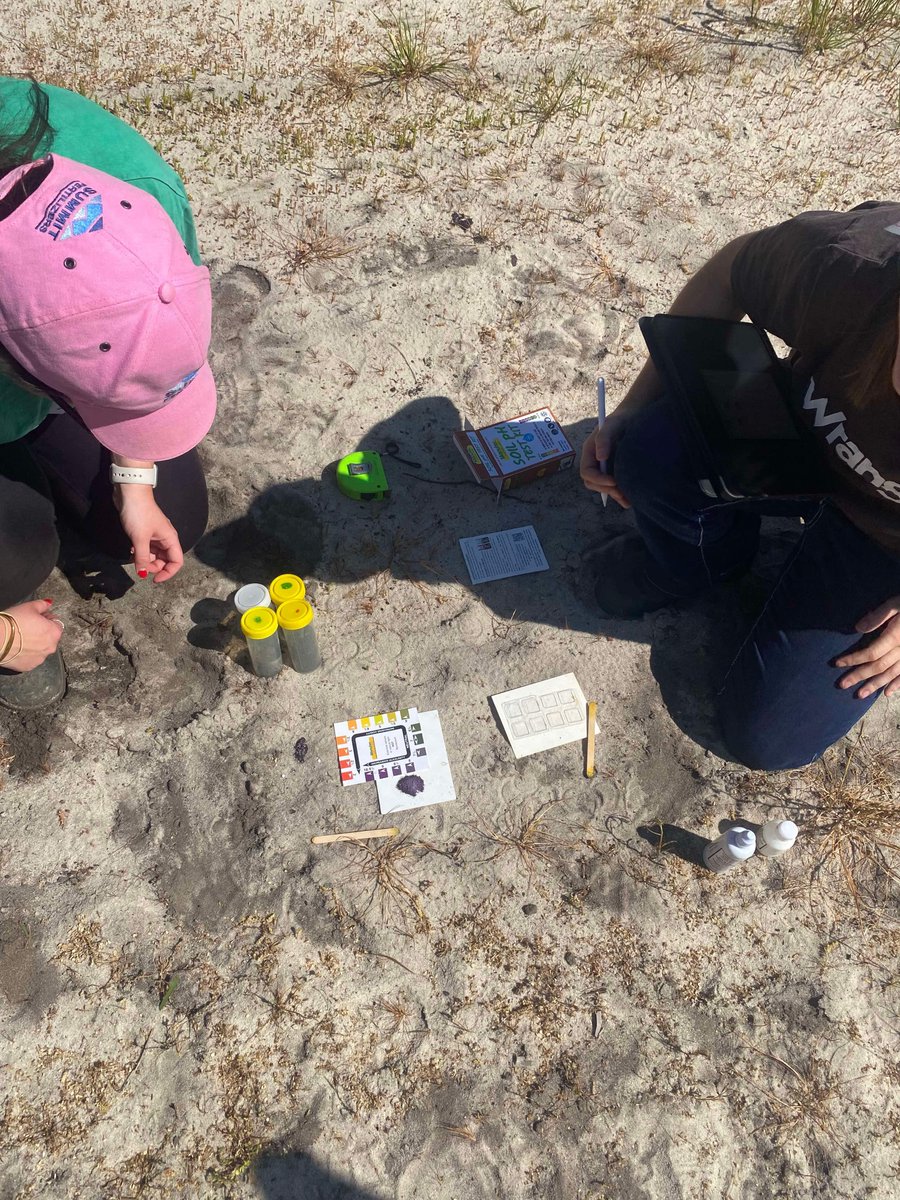
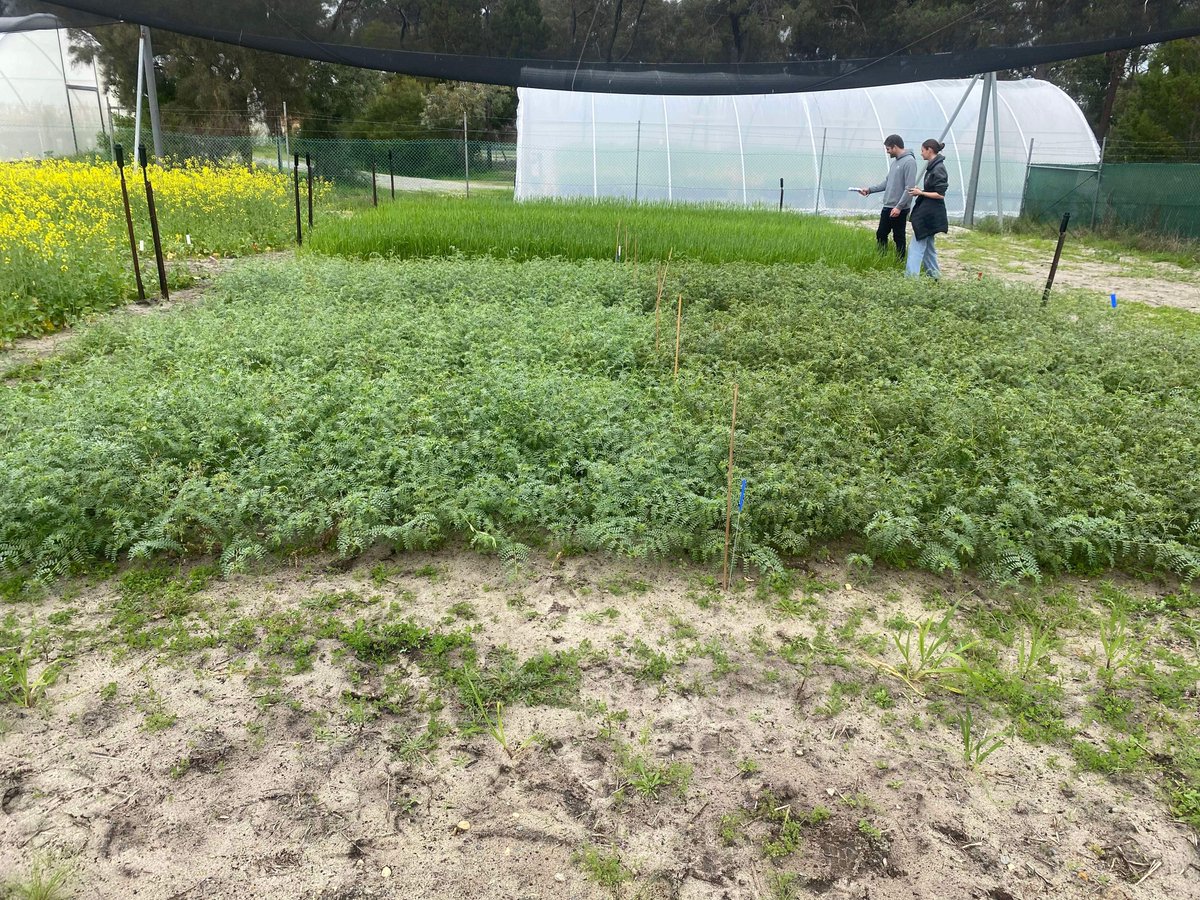
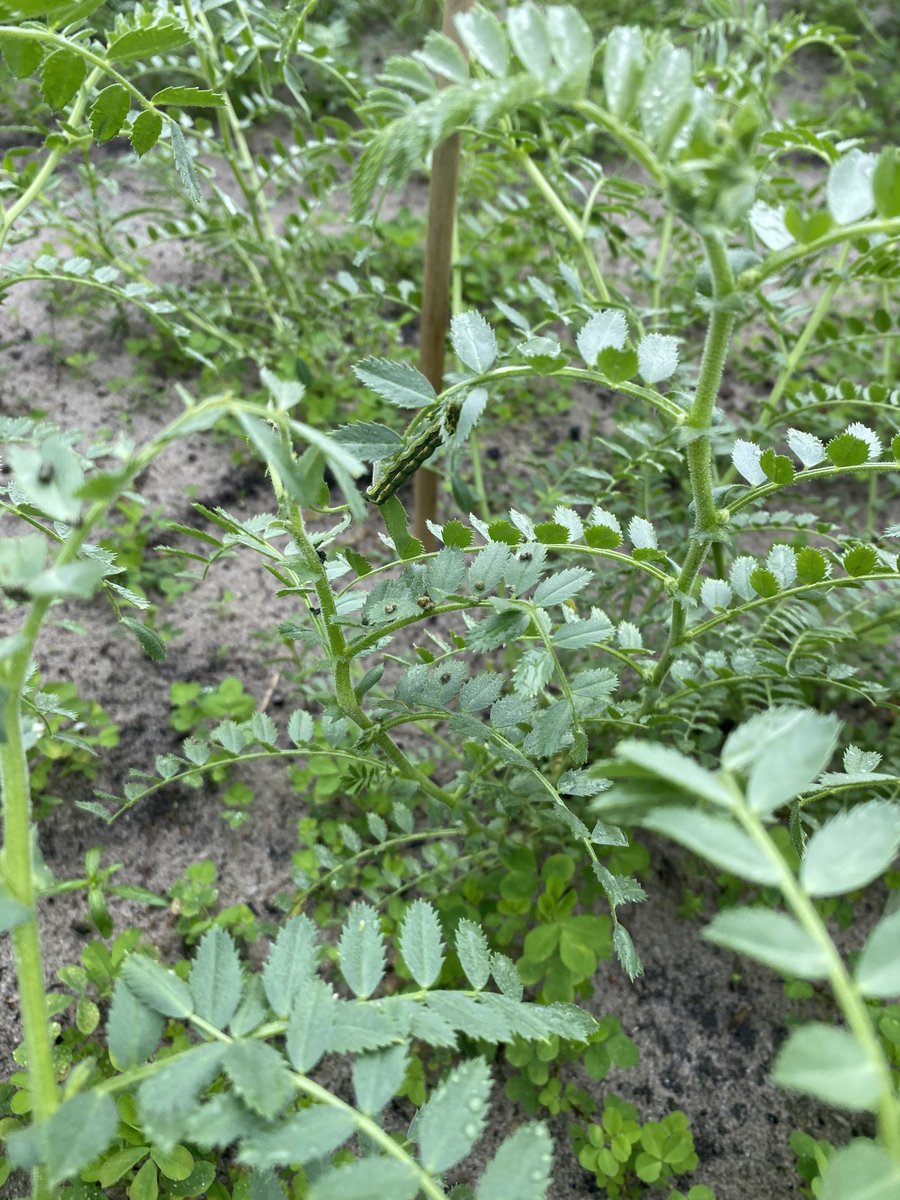
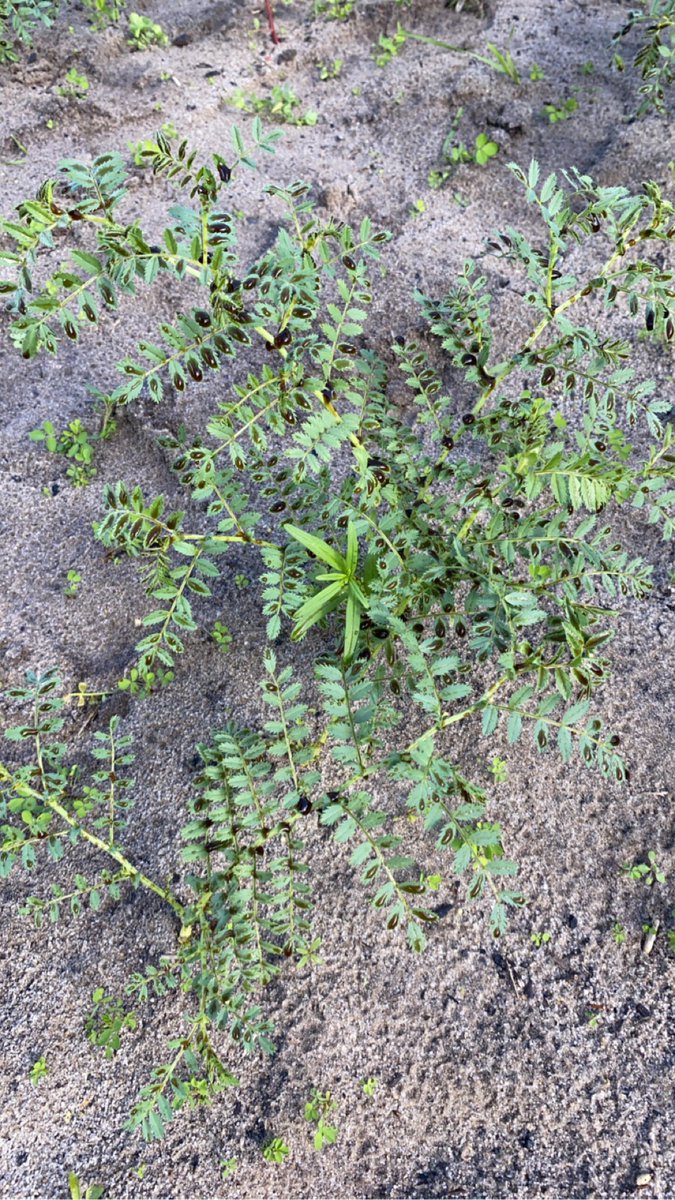
Curtin University students studying a Bachelor of Agribusiness conducting a trial on chickpeas and looking at if the application of kelp will be benefical.
Here are the key findings from our trial:
SPAD= statistically insignificant
NDIV= treatment (p-value:0.003), varieties (p: 1.71e-8)
Nodulation= no effect
Yield= varieties (p: 0.02), treatments did consistently improve yield, however, this was not significant.
@howdataworks We are looking to see if there is a statistical significance between the treated and untreated plots, as well as between varieties, in terms of yield, nodulation and growth rate (NDVI and SPAD).
Harvest is complete! 🌾🚜 Now we are diving into data analysis to see what insights we can gather. Stay tuned for updates on the results soon! 📊 #Harvest2024#DataAnalysis
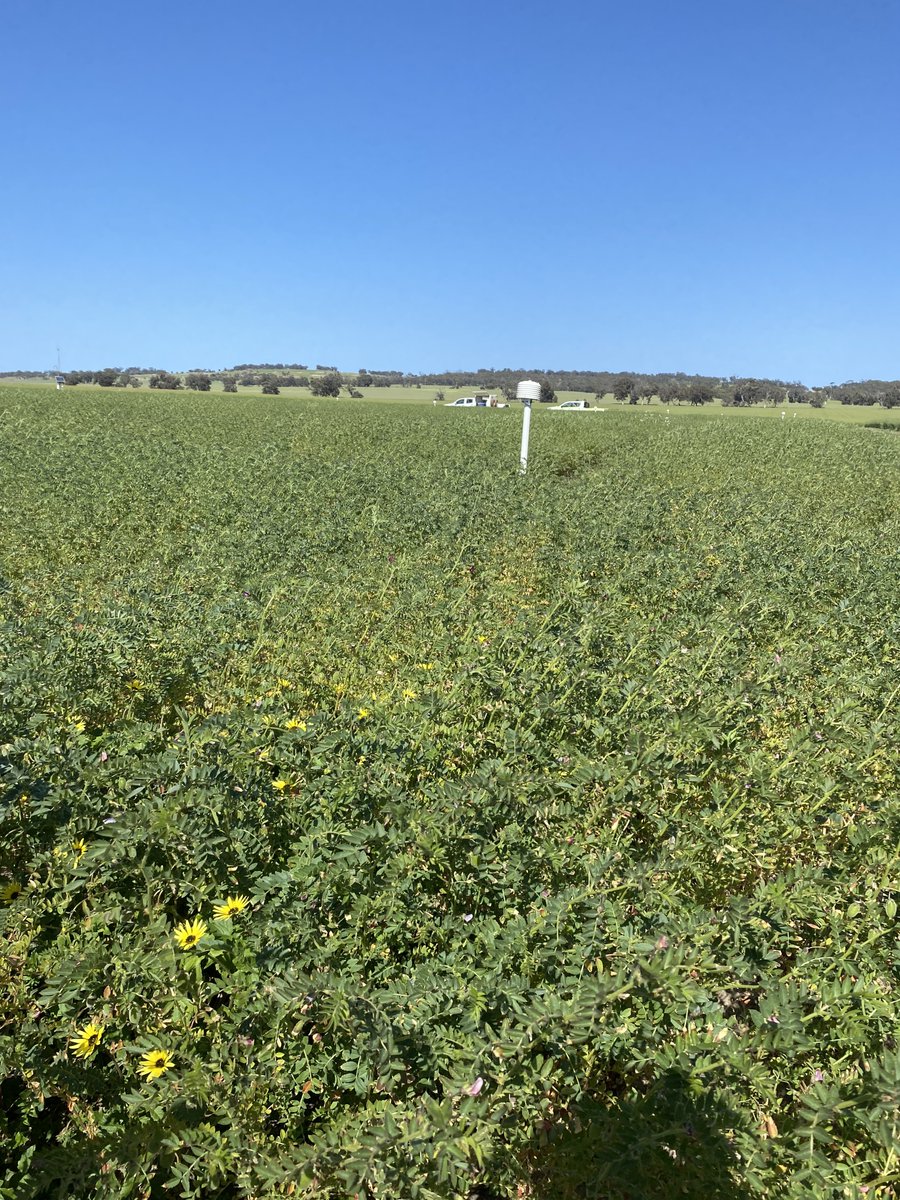
Last week some of our team took a look at the chickpea trial at the dale DPRID site on the @CurtinUni agribusiness field trip. Great to see other chickpea trials!
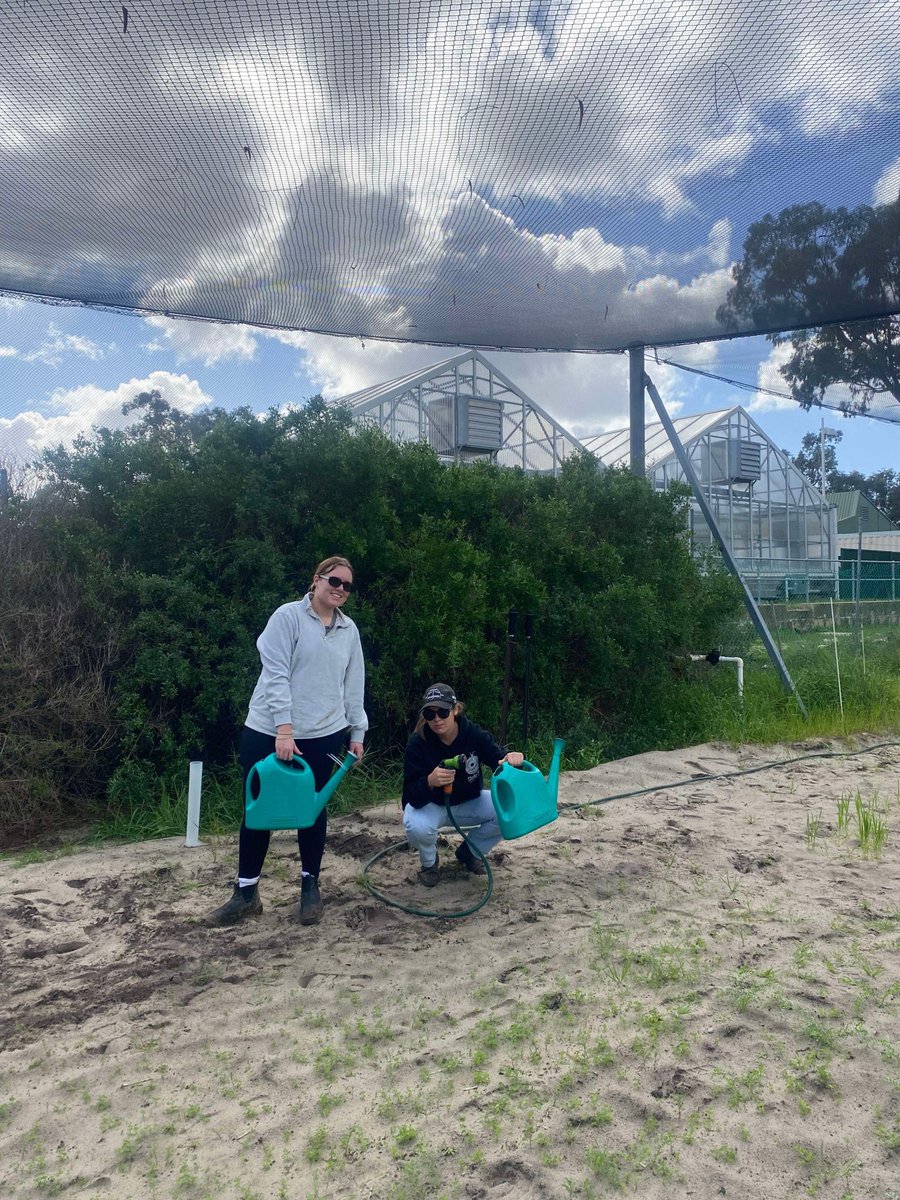
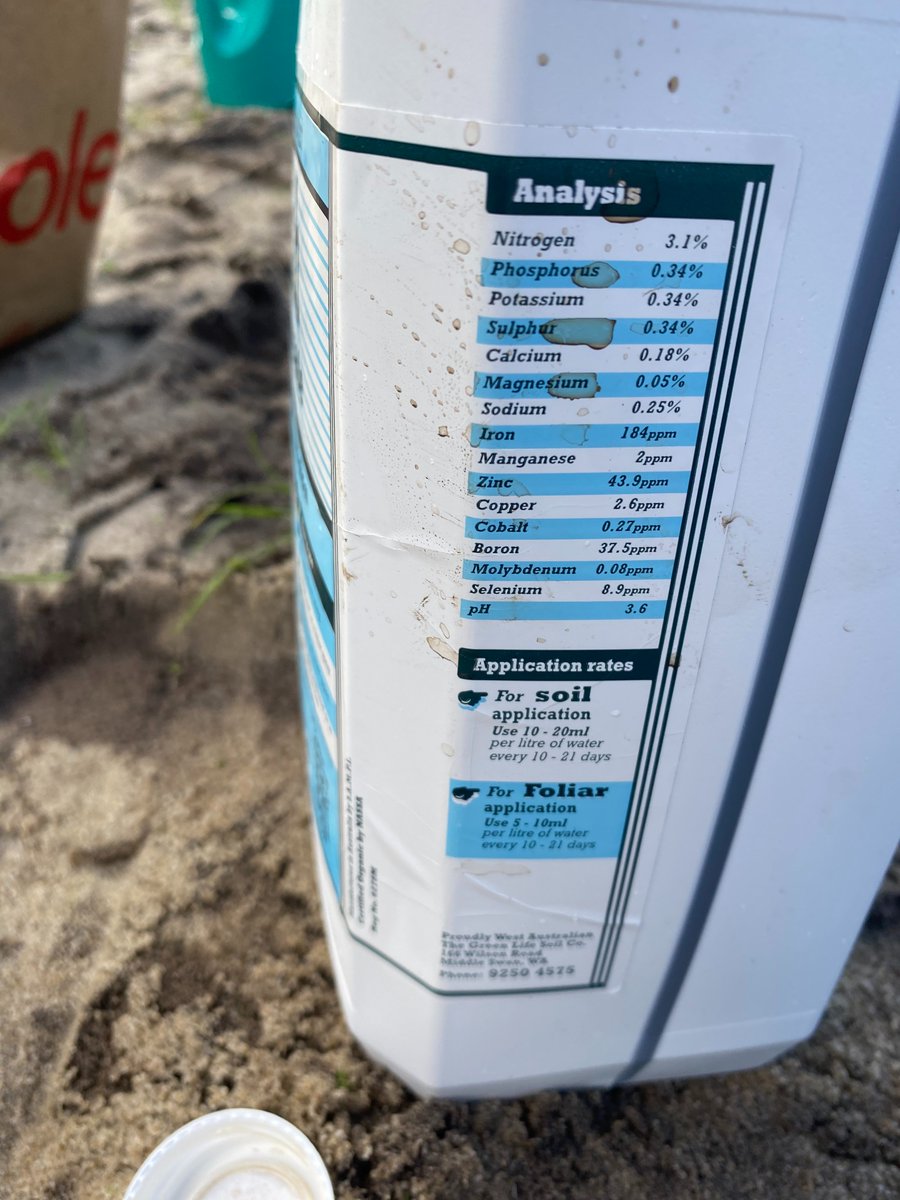
First application done last week! 🌱 Excited to see how the crops respond. Stay tuned for updates as we track the progress and results. #Farming#SoilHealth#FarmersOfX
We're testing the effects of kelp/fish hydrolysate on 6 chickpea varieties. It seems we're not the only ones keen - the rats 🐀 have made themselves welcome in our first block! Our second block remains a no-rat zone and looks promising. Stay tuned! @Bec_Swift_@SJB_Ag