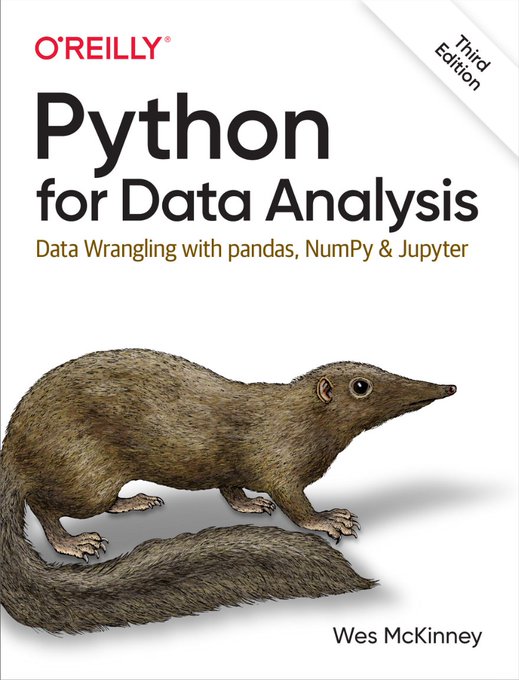
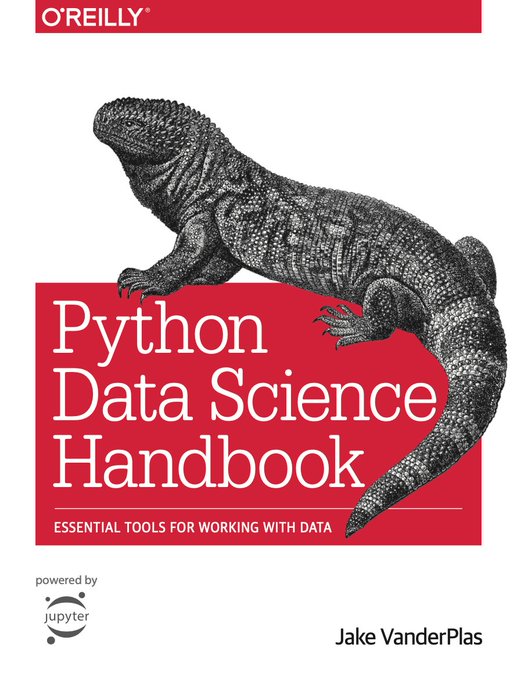
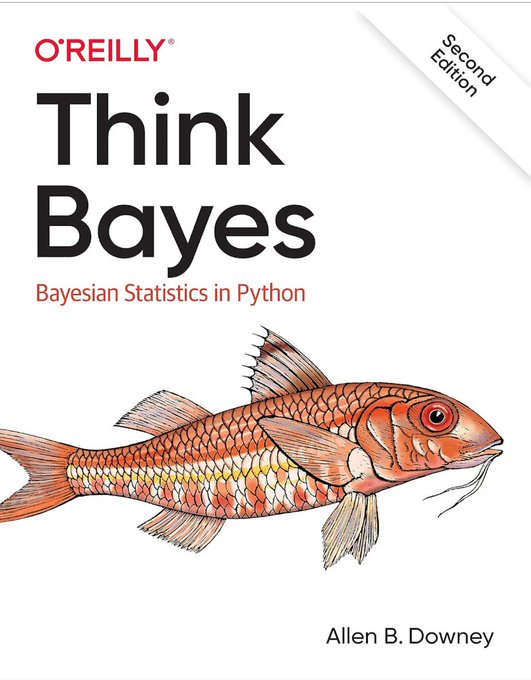
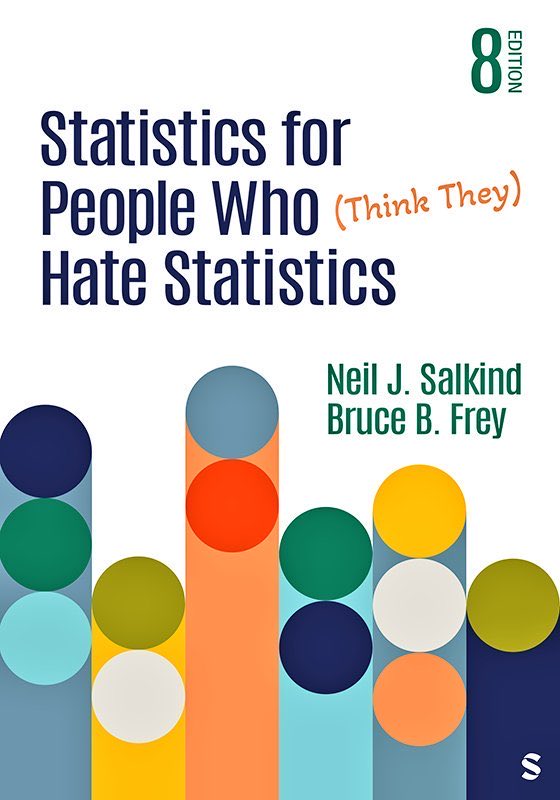
Run a full coding agent locally.
No API bills. No limits. No data leaving your machine.
Private. Powerful. 100% free.
I made a step-by-step guide anyone can follow in minutes.
To get it, just:
→ Like + Repost
→ Comment “LOCAL”
→ Follow me (so I can DM)
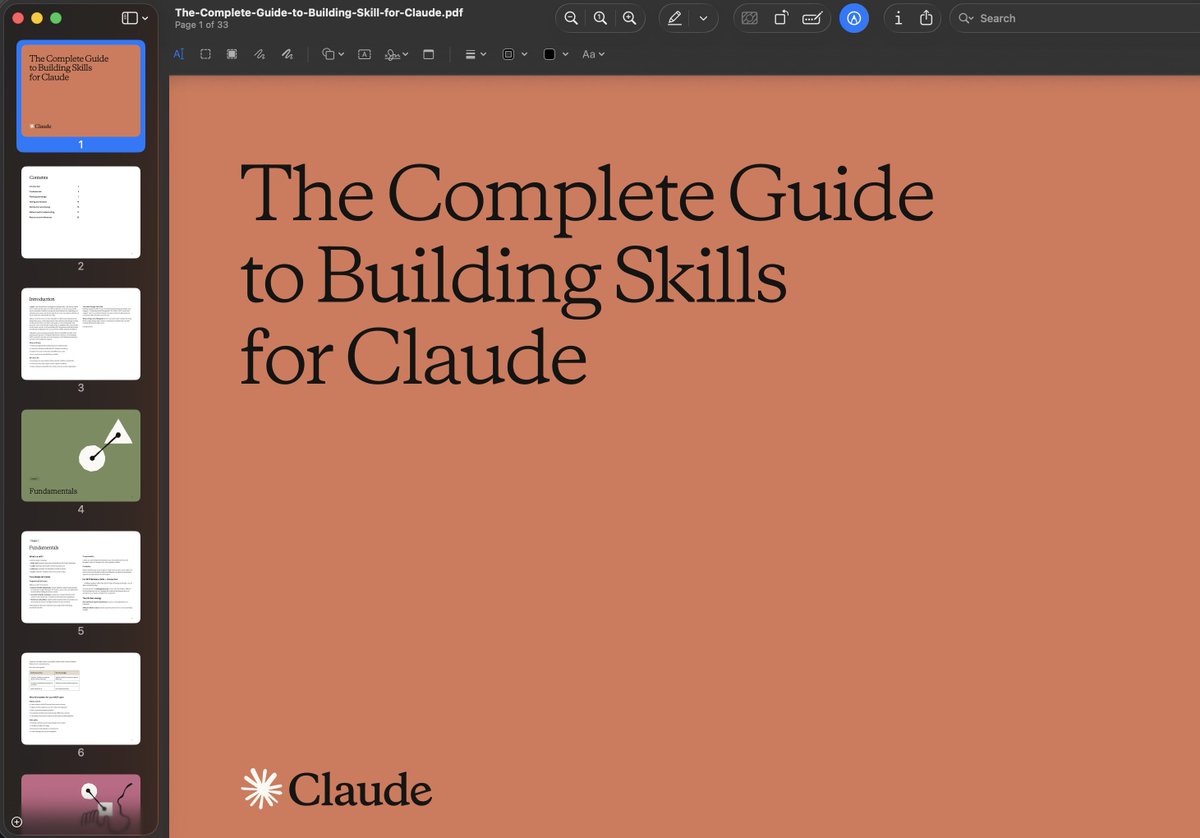
Anthropic released 32-page guide on building Claude Skills
here's the Full Breakdown ( in <350 words )
1/ Claude Skills
> A skill is a folder with instructions that teaches Claude how to handle specific tasks once, then benefit forever.
> Think of it like this: MCP gives Claude access to your tools (Notion, Linear, Figma).
> Skills teach Claude how to use those tools the way your team actually works.
The guide breaks down into 3 core use cases:
1/ Document Creation
Create consistent output (presentations, code, designs) following your exact standards without re-explaining style guides every time.
2/ Workflow Automation
Multi-step processes that need consistent methodology. Example: sprint planning that fetches project status, analyzes velocity, suggests priorities, creates tasks automatically.
3/ MCP Enhancement
Layer expertise onto tool access. Your skill knows the workflows, catches errors, applies domain knowledge your team has built over years.
The technical setup is simpler than you'd think:
1/Required: One https://t.co/pt5Pefzhdy file with YAML frontmatter
Optional: Scripts, reference docs, templates
2/The YAML frontmatter is critical. It tells Claude when to load your skill without burning tokens on irrelevant context.
Two fields matter most:
- name (kebab-case, no spaces)
- description (what it does + when to trigger)
Get the description wrong and your skill never loads. Get it right and Claude knows exactly when you need it.
The guide includes 5 proven patterns:
1/ Sequential Workflow:
> Step-by-step processes in specific order (onboarding, deployment, compliance checks)
2/ Multi-MCP Coordination:
> Workflows spanning multiple services (design handoff from Figma to Linear to Slack)
3/ Iterative Refinement:
> Output that improves through validation loops (report generation with quality checks)
4/ Context-Aware Selection:
> Same outcome, different tools based on file type, size, or context
5/ Domain Intelligence:
> Embedded expertise beyond tool access (financial compliance rules, security protocols)
Common mistakes to avoid:
>. Vague descriptions that never trigger
> Instructions buried in verbose content
> Missing error handling for MCP calls
> Trying to do too much in one skill
The underlying insight:
> AI doesn't need to be general-purpose every conversation.
> Give it specialized knowledge for your specific workflows and it becomes genuinely useful for work.
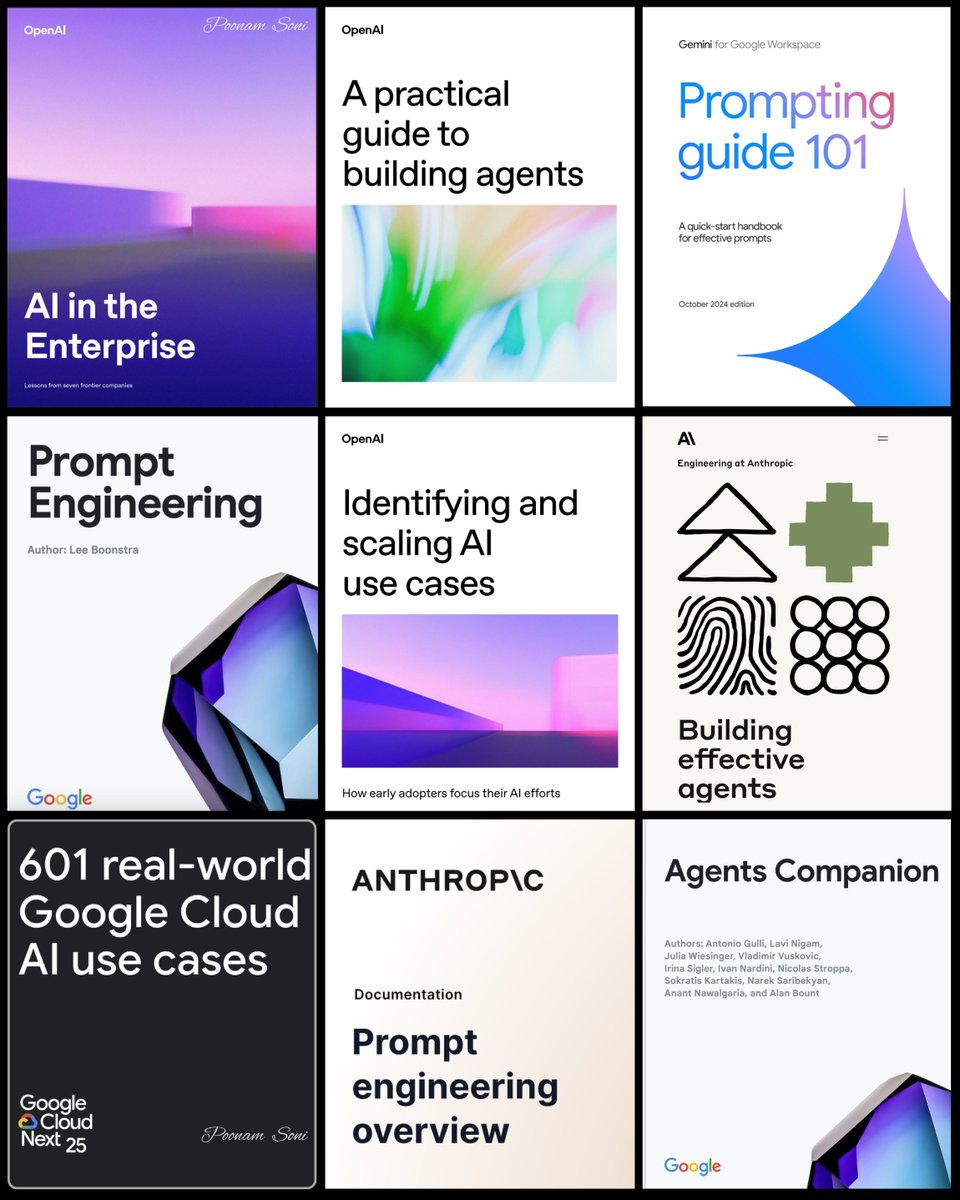
OpenAI, Google, and Anthropic just published guides on:
• Prompt engineering
• Building agents
• AI in business
• 601 AI use cases
9 of the best guides you can't miss: