The world's largest hydrogen fueling station for transit buses is coming to San Mateo County to serve a massive fleet of 175 fuel cell electric buses operated by the San Mateo County Transit District (@PeninsulaMoves). https://t.co/W5Nm8xL1Gr
Some of the best work on decarbonization is coming from California's institutions of higher learning.
Case in point: UC Riverside's Center for Environmental Research and Technology (@ucrcecert) is working on converting a van's diesel-powered engine to a hydrogen internal combustion one. https://t.co/gOYmP25J4Z
A good look at the groundbreaking hydrogen-powered rail line in San Bernardino that's been in operation since last fall:
"No diesel, no overhead wires, no third rail. The only thing coming out the back is water vapor." https://t.co/Sf3Yg13C3p
Our friends at Toyota are continuing to push the envelope on fuel cell vehicles: Their 40 new hydrogen-powered semi-trucks refuel in 15–20 minutes and deliver 500 miles of range — with nothing but water vapor coming out the exhaust. https://t.co/uXDw33V5T1
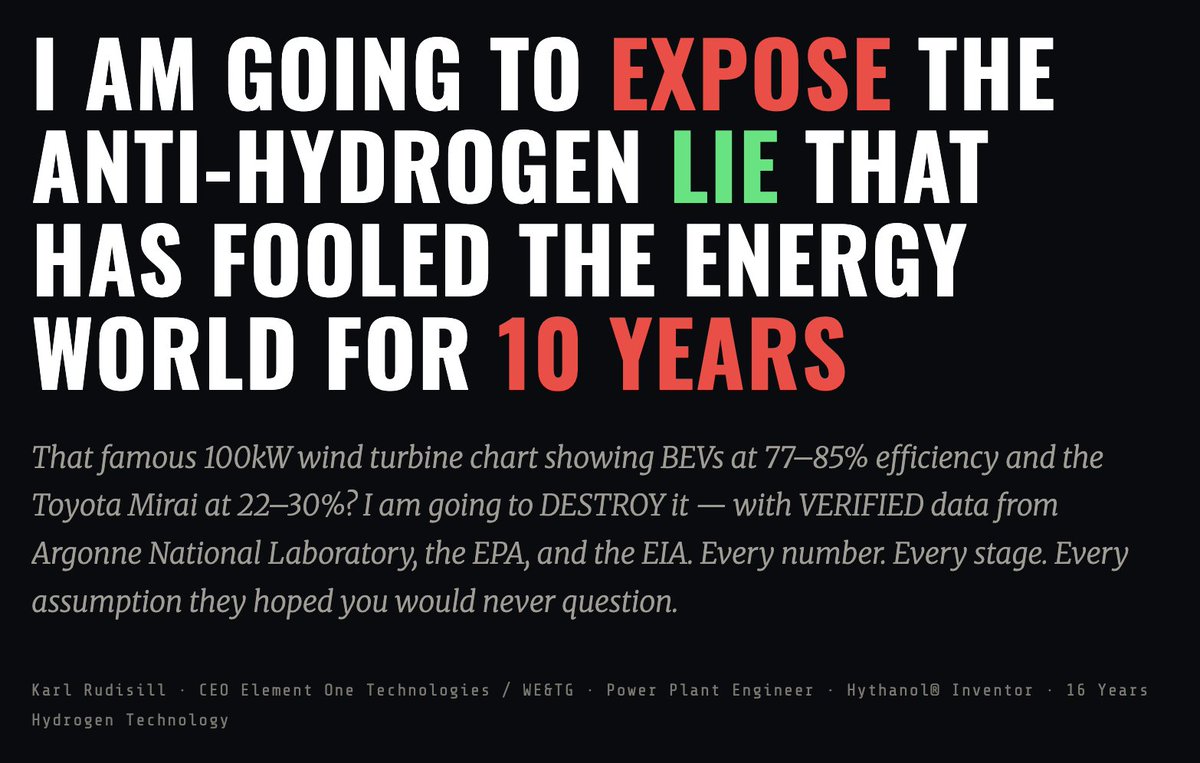
A good read from our friend Karl Rudisill that debunks myths about hydrogen and lays out the real numbers about the efficiency of fuel cell vehicles.
His LinkedIn post: https://t.co/X0bvmg8Y3q
His full landing page: https://t.co/0DRjKR5ee6
Hydrogen fuel-cell buses are gaining momentum — growing nearly 50% nationwide in the last year. Of those fleets, 81% are right here in California. https://t.co/bxtAgm6RWi
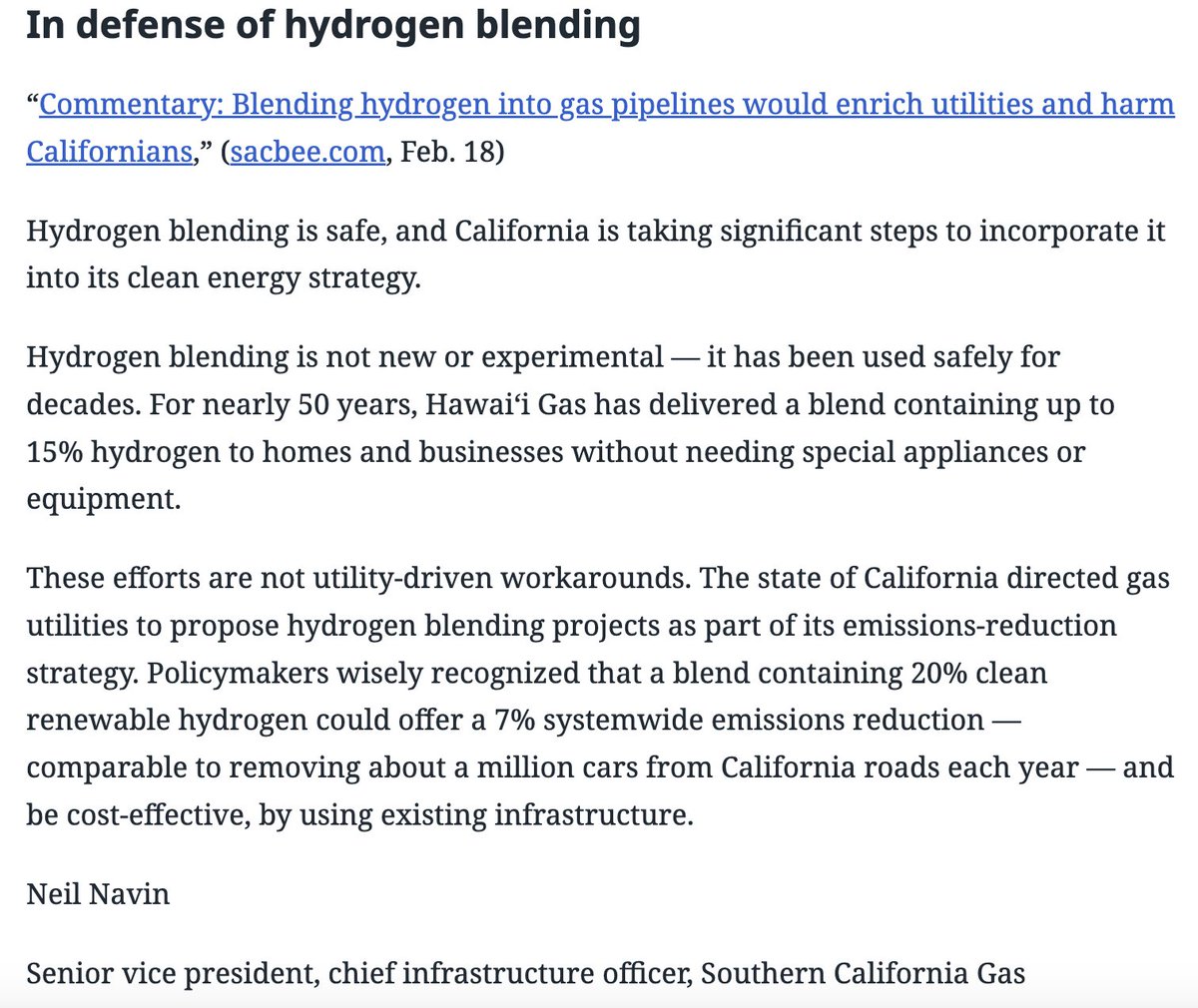
Couldn't agree with this piece in the Sacramento Bee more: Hydrogen blending is a commonsense way to reduce harmful emissions that would otherwise be harming the air we breathe.
https://t.co/N9vQpWBopO
Hydrogen projects are already benefiting communities around the state, including in Kern County. These investments should stay in our communities, not be unlawfully stripped away by the federal government. https://t.co/S0ol8a9WIv
Projects like ARCHES are already benefiting our economy and advancing the many benefits of hydrogen energy — energy independence, cleaner air for all of us to breathe, and good paying, blue-collar jobs. These should be shared goals for all Americans. https://t.co/I0FqpgpTdh
Blending up to 5% hydrogen into natural gas cuts emissions — in particular harmful methane emissions — in an efficient and timely way. We must use real-world evidence to speed these decarbonization strategies now. https://t.co/HeZ1XuLusu
Good news for California's clean energy future: @SoCalGas is asking state regulators to advance hydrogen blending based on proven global safety data.
Blending up to 5% hydrogen into natural gas can cut emissions — particularly harmful methane emissions — using existing infrastructure without need to wait or replace appliances.
Let's leverage real-world evidence to accelerate decarbonization NOW. https://t.co/9eFmf9V2E4
Another California transit agency is hopping on the hydrogen bandwagon: The Victor Valley Transit Authority in the High Desert is unveiling 13 new hydrogen fuel cell-powered buses! https://t.co/LCk7NvP9It
An East Bay facility is now capturing hydrogen that's produced as a byproduct of bleach manufacturing — creating a local hydrogen supply for Bay Area drivers, fueling stations, and transit agencies. https://t.co/3cyYwlWAHJ
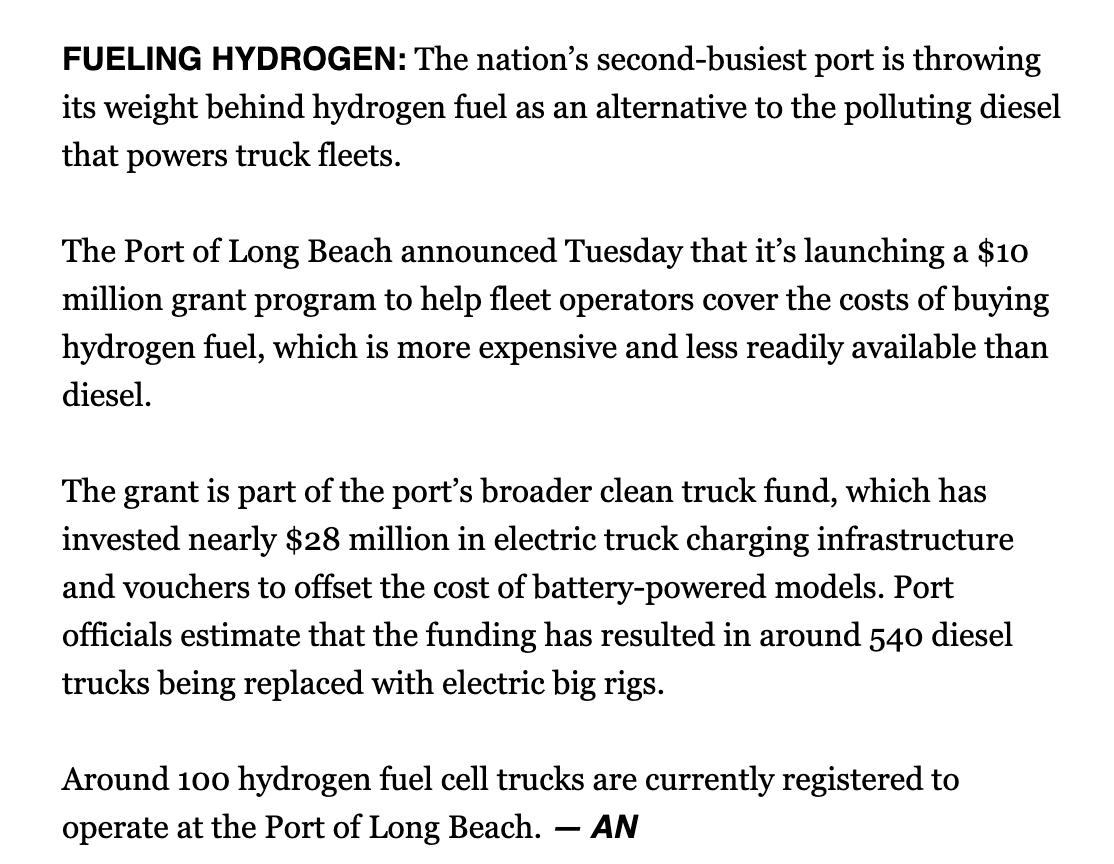
Big news out of the LBC: The Port of Long Beach is launching a new program to facilitate more clean-running hydrogen trucks at the nation's second-busiest port.
Exciting news: Toyota is investing in FirstElement Fuel, California's largest hydrogen fueling network with 38 stations. This partnership will boost opportunities for drivers to find convenient places to fuel their vehicles. https://t.co/qPaMddhLVD
Transitioning LA's largest gas power plant to running on hydrogen will mean fewer emissions and cleaner air — a win-win combination for LA residents. https://t.co/iaMT3fbhHl
.@CalEnergy's draft Clean Transportation Spending Plan takes important steps forward by investing in fuel cell zero-emission vehicle infrastructure.
We look forward to continuing our collaboration with the CEC to secure additional funding that supports the full buildout of hydrogen infrastructure needed to achieve our shared goal of a cleaner, more sustainable transportation sector.