We’ve trained a multimodal AI model to turn routine pathology slides into spatial proteomics, with the potential to reduce time and cost while expanding access to cancer care.
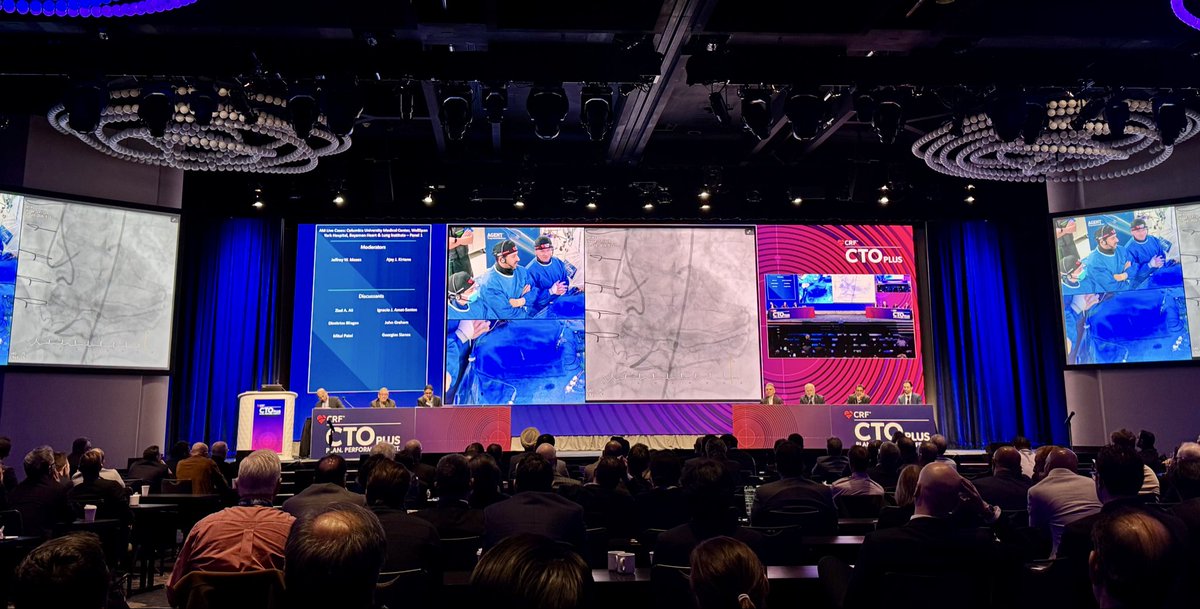
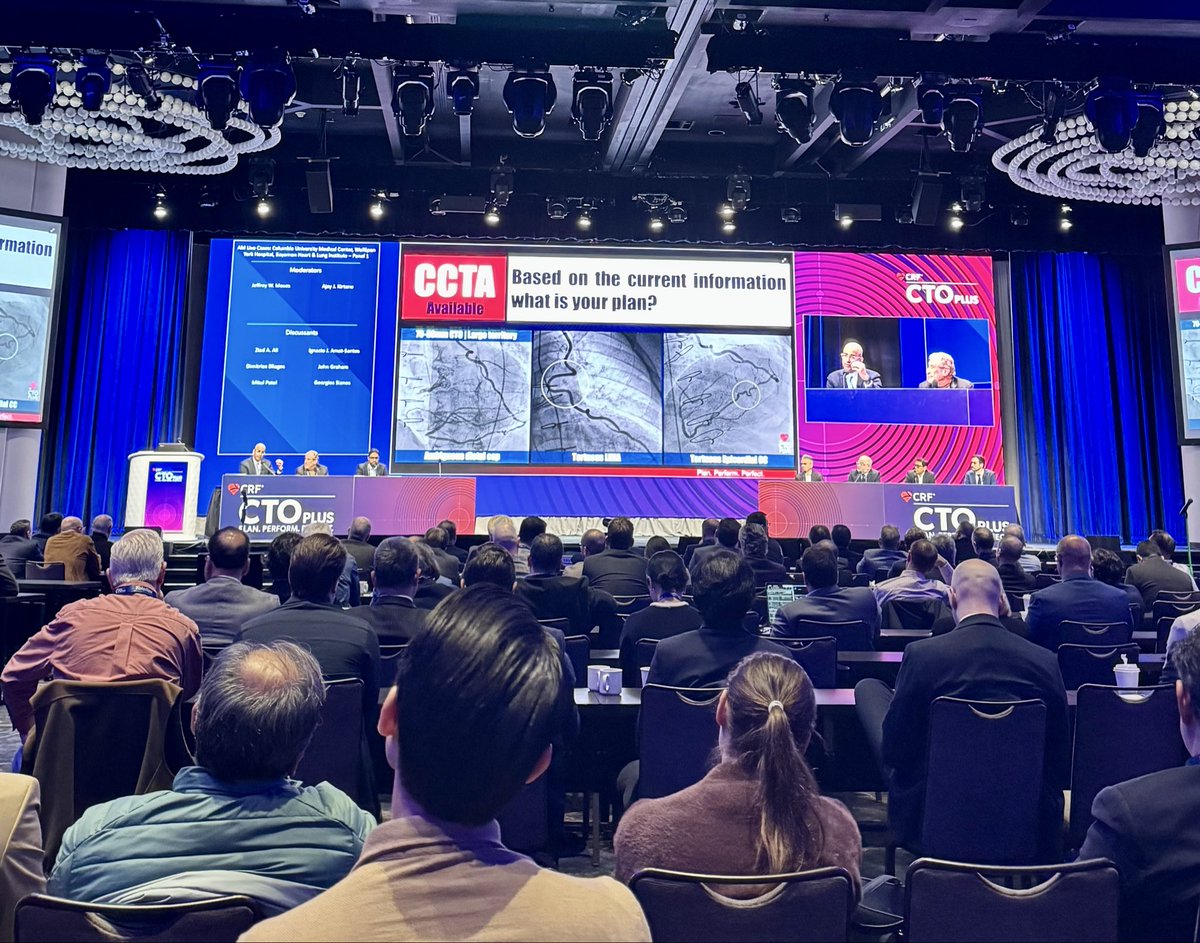
Two of our projects are now up at #CTO2026!
- Impella-Assisted PCI Using Dual vs Single Access: Increased Bleeding Risk With Dual Access
- When Nothing Crosses: RPDA Stingray ADR for a Distal Recanalized RCA CTO
You're 33. You hit the gym six days a week. You've been training for five years. No symptoms. No chest pain. No dizziness. Your resting heart rate is 52—athlete-level fitness.
You don't know that your ventricular septum is 18mm thick. Normal is under 12mm. You have hypertrophic cardiomyopathy. Your father's brother died suddenly at 28 during a football game. Your family thought it was a freak accident. It wasn't.
Standard pre-gym screening doesn't catch this. A physical exam won't detect it. Your blood pressure is normal. Your heart sounds are normal. Even an ECG might miss it—ECGs only identify HCM in 50-70% of cases.
The gold standard is cardiac MRI. But ordering an MRI for every gym member isn't feasible or cost-effective. The healthcare system doesn't screen asymptomatic young adults for genetic cardiomyopathies unless family history raises flags. This is the screening gap. The conditions that kill young athletes stay silent until they don't.
Up to 30% of HCM cases present with sudden death as the first symptom. ARVC is even harder to detect early—the fibrofatty replacement starts in the right ventricle, which is technically difficult to image with standard echocardiography.
So what's the solution? Know your family history. If sudden death runs in your family—particularly in relatives under 50—you need evaluation before intense training. That means ECG, echocardiogram, possibly cardiac MRI.
Pay attention to symptoms during exertion. Chest pressure isn't normal. Sustained palpitations after stopping exercise aren't normal. Syncope or near-syncope during lifting isn't normal. These aren't signs of pushing hard—they're warnings your heart is electrically unstable.
The screening gap exists because sudden cardiac death is rare enough that universal screening doesn't pass cost-benefit analysis. But if you're in the high-risk group—family history, using anabolic steroids, or experiencing symptoms—you're not a population statistic. You're an individual who needs evaluation.
BREAKING NEWS
The Norwegian Nobel Committee has decided to award the 2025 #NobelPeacePrize to Maria Corina Machado for her tireless work promoting democratic rights for the people of Venezuela and for her struggle to achieve a just and peaceful transition from dictatorship to democracy.
#NobelPrize
“Oh my god… I have no words.”
Listen to the emotional moment this year’s laureate Maria Corina Machado finds out she has been awarded the Nobel Peace Prize.
Kristian Berg Harpviken, Director of the Norwegian Nobel Institute, shared the news with her directly before it was announced to the world.
#NobelPrize #NobelPeacePrize