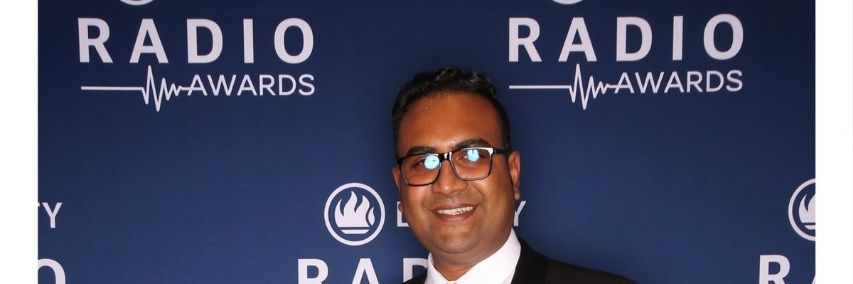
🥇 Pieter Coetze breaks the Commonwealth Games record for the third time in the Men's 50m backstroke 🇿🇦
He secures South Africa's second gold medal at #Glasgow2026 👏
#SSCommonwealthGames
#Eskom#MediaStatement
LOADSHEDDING HIGH RISK ALERT STATEMENT
Eskom issues alert of high risk of loadshedding following over ten months of uninterrupted power supply – Summer Outlook remains unchanged.
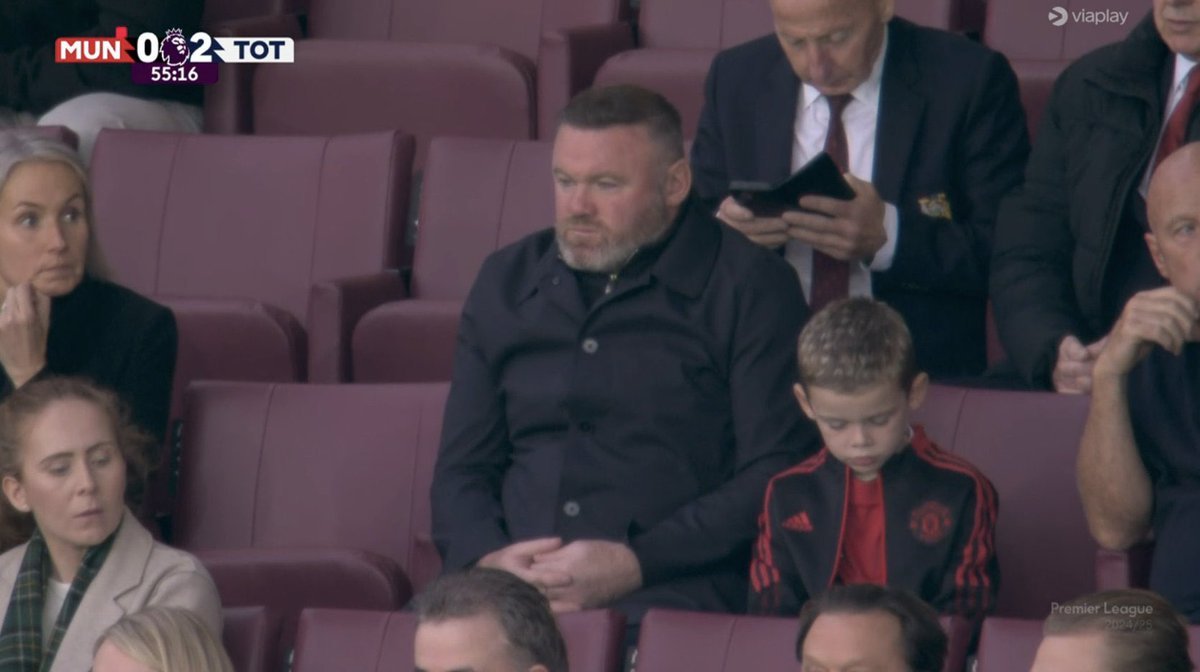
@ManUtd A useless bunch, losing the ball between their own feet. Rueben has his work cut out here.... ill be happy if we still in the league next season...
How much money do you have left in your current account the day before payday?
Almost half of salary earners are left with less than R1,000 or have negative balances by payday, says Standard Bank.
The bank analysed data from >402,000 account holders who receive their salaries on popular payment dates, including mid-month, the 25th, and month-end.
The day before payday, 21% had R1,000 or less, while 28% had negative balances or were using overdrafts.
Only half had more than R1,000 in their accounts.
Emerging middle-income earners had the highest percentage of customers with less than R1,000 or in the red, but private banking customers aren’t exempt; one in 10 customers having a negative balance before payday.
But that financial picture may be skewed, the bank concedes.
“Many customers hold accounts with multiple banks, which can lead to misinterpretations of their financial health. They may be transferring funds to savings accounts elsewhere closer to payday, demonstrating a potential for better financial management.”
“Although high-income earners often enjoy greater disposable income, Standard Bank's findings show they are also more susceptible to negative balances, raising awareness about lifestyle inflation, a phenomenon where rising incomes lead to higher spending that often outpaces earnings.”