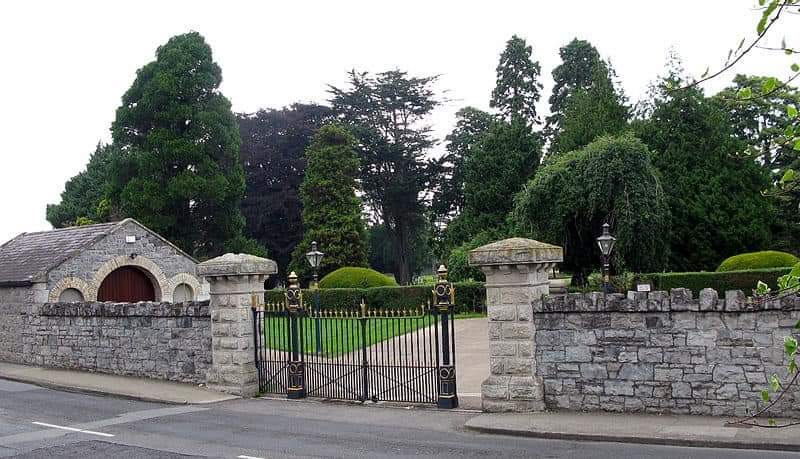
Grangegorman Military Cemetery, the largest military graveyard in Ireland, is tucked away in a peaceful wooded space across from McKee Barracks on Blackhorse Avenue. Standing here at twilight beneath a cloudless purple night sky, lit by the sharp crescent moon, the trees seem to whisper in the language of stillness.
In this walled secret garden of the dead, their near identical headstones seem aligned in formations that mimic those held in life by the men they house in death. And are those dark misty shapes at the corner of our eyes shadowy soldiers standing in silent expectation?
The cemetery was opened 1876 to be the eternal resting place of service personnel from the British Empire, which at that time included Irish soldiers. Grangegorman is a sombre microcosm of war history, playing perpetual host to those who fell in Ireland during the period of both world wars.
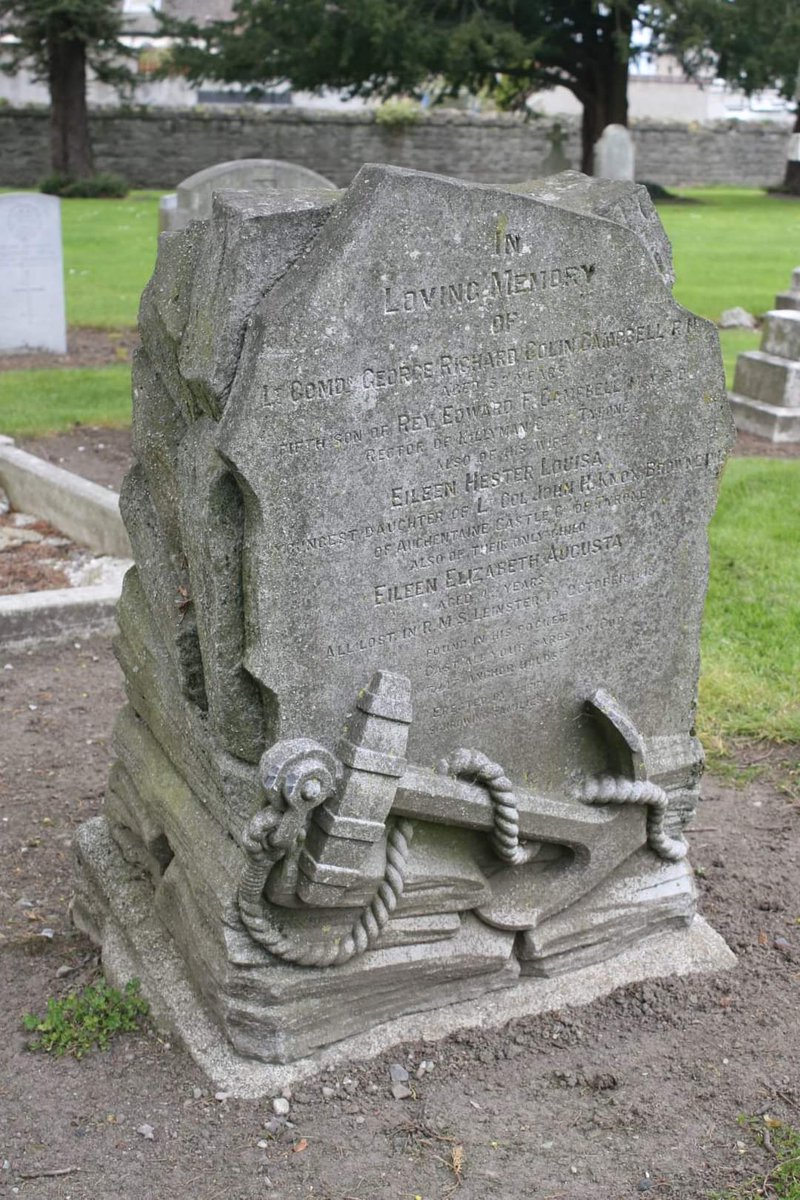
For example, this included a large number of lads sent home from the trenches of World War 1, wounded there only to die here in Ireland. Also, men who met their end in mass casualty disasters such as the sinking of the RMS Leinster in 1918. There are about 614 Commonwealth burials dating from World War 1 period and 12 from the World War 2 eras.
In addition to those deceased warriors physically present in the cemetery, there is a beautiful limestone screen wall memorial commemorating those buried around the country or whose remains have been lost.
It was a graveyard of such prestige that war dead were transferred here from their first resting places, notably bodies from the grounds of Trinity College, Portobello Barracks, and from King George V Hospital grounds. The last burial in Grangegorman was as recent as 1999.
Also at peace here now are British soldiers who died during the week of the Easter Rising. Often forgotten in the story of the rebellion, despite their roles being crucial to the events, about 120 military men died, defeating what they saw as a treasonous insurrection. This includes members of the notorious Sherwood Foresters battalion, who died in the Battle of Mount Street Bridge.
As sections of the capital lay in smoking rubble, soldiers' bodies not claimed from the adhoc morgue of Dublin by family were given military funerals and interred here. Also, casualties of the blood struggle for freedom in the War of Independence found their little slice of Ireland beneath these trees.
The knee-jerk reaction of a republican like meself is to paint those Empire causalities resting beneath the sentinel rows of headstones as foreign enemy agents. They got in the way of freedom, their deaths were deserved, necessary even. Yet I can not forget how many of these young men were as Irish as I am. Coerced by conscription, starvation, and international war, its likely none had hatred in their hearts and certainly had little expectation of the horrors they would face.
Could it have been me frogmarched into formation, turned upon my own people. Fighting on what was then perceived as the “right side” against an unpopular “terrorist” force destroying my city? The war dead here were little cogs of flesh and bone, in a massive machine, which still sucks in the young and the desperate and spits out money and blood. As the British lie mouldering in the dark soil of Grangegorman, their earthly remains differ little from those of the 14 heroic leaders of the Rising in their glorious graves at nearby Arbour Hill Death has no nationality.
To quote Mustafa Kemal Atatürk, speaking about the enemy dead of Gallipoli who remain buried on his countries soil
“You, the mothers, who sent their sons from far away countries wipe away your tears; your sons are now lying in our bosom and are in peace. After having lost their lives on this land, they have become our sons as well.”
We're thrilled to recently announce that we are now an SEAI Accredited One-Stop-Shop Registered Service Provider!
But what does this mean for you? Check out our latest article
https://t.co/fFOvOtWWrI
#SEAI#EnergyEfficiency#RenewableEnergy#Sustainability
NRG Panel we are committed to bringing a bright future to Ireland with the creation of 125 new jobs!
NRG Panel has now become an SEAI accredited 'One Stop Shop' service provider
@HHumphreysFG @SEAI_ie, @CllrAidan, @MeliorEquity
Read more here:
https://t.co/cOTM6wZPxS
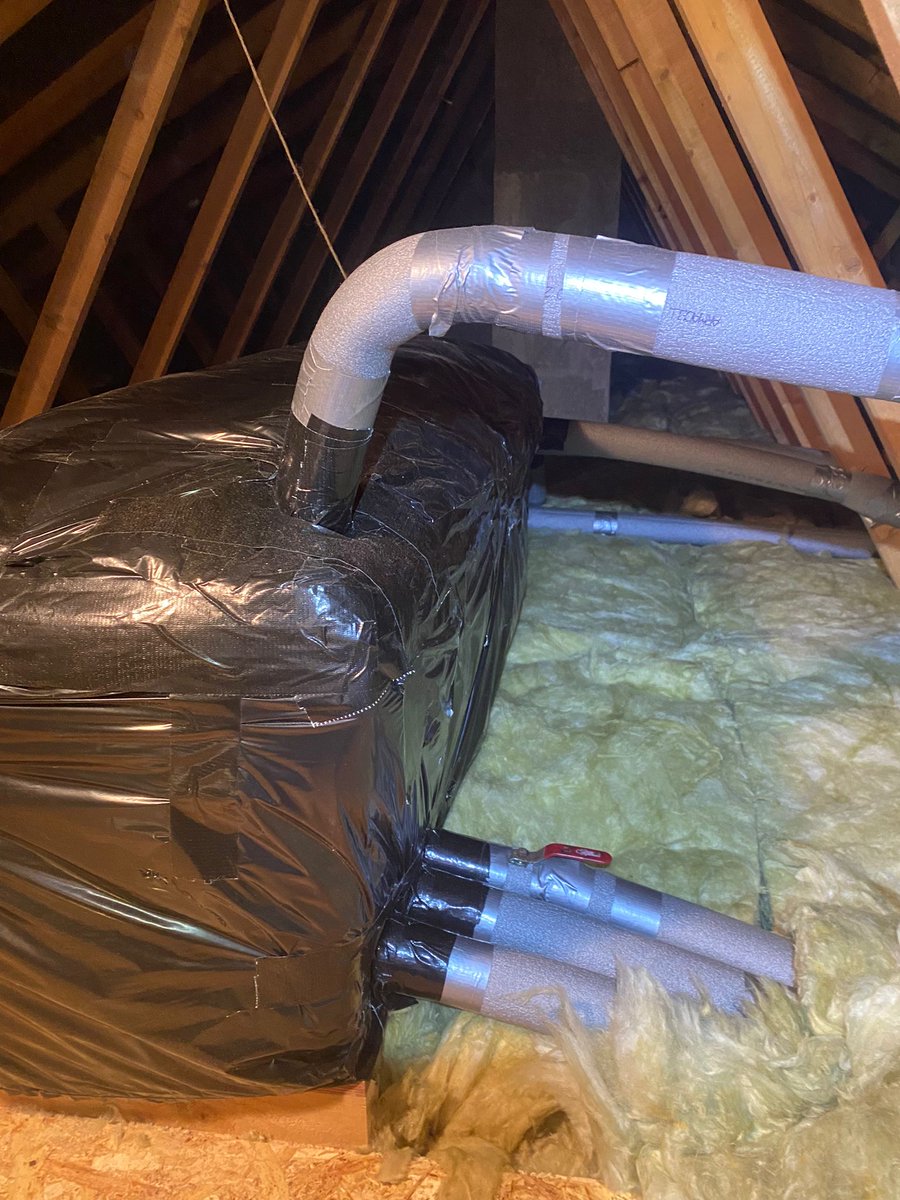
Part 2 of work recently completed on Cape Clear Island. Cavity walls were pumped and the attic was rolled with fibreglass.
All tanks and pipes were lagged and wrapped as standard on all our jobs. Wall and roof vents were also added to ensure ventilation is maintained.
Sorry to hear about John Bruton. I flew him many times including a trip to Belfast when I taxied into and damaged a parked aircraft. I thought that I was screwed but he paid no heed to it and just hopped off the aircraft as normal. RIP.