Senior Fellow ASPI, Adj Professor UQ SMI, trade, investment and resources governance specialist with interests in both Australia and developing nations
Nice plane, apart from the missing loo, which you've promised to fix. In the meantime, please amend your year old A321 XLR range maps to spell Phnom Penh correctly. Such lack of basic Asia literacy is embarassing, particularly for those of us who represent Australia in the region.
NEW PUBLICATION 📢
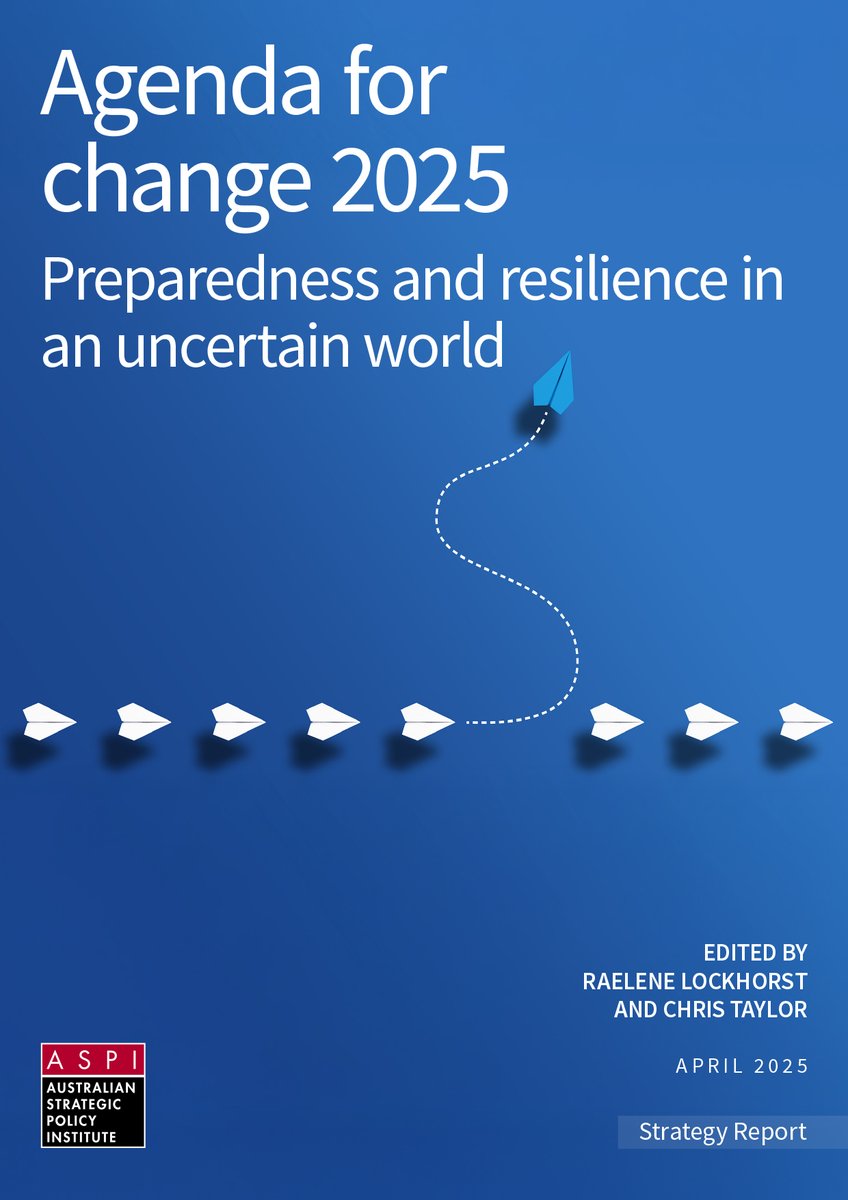
In ‘Agenda for change 2025: Preparedness and resilience in an uncertain world’, ASPI experts analyse the strategic challenges facing Australia and provide recommendations to assist the next Australian Government.
🔖 Read it now ➡️ https://t.co/IZ0yJ3UM1p
The latest Oxford Energy Forum features @johncoyne14 and @IanSatchwell's article on the significant challenges Australia faces in developing its critical mineral supply chains amidst shifting geopolitical conditions.
Read it here ⬇️
I'm pleased to have contributed an article on economic impacts of natural disasters in Northern Australia to this thoughtful report. But given impacts of recent events, that were less severe than Cyclone Tracy, what have we really learned and acted upon?
🚨 NEW REPORT 🚨
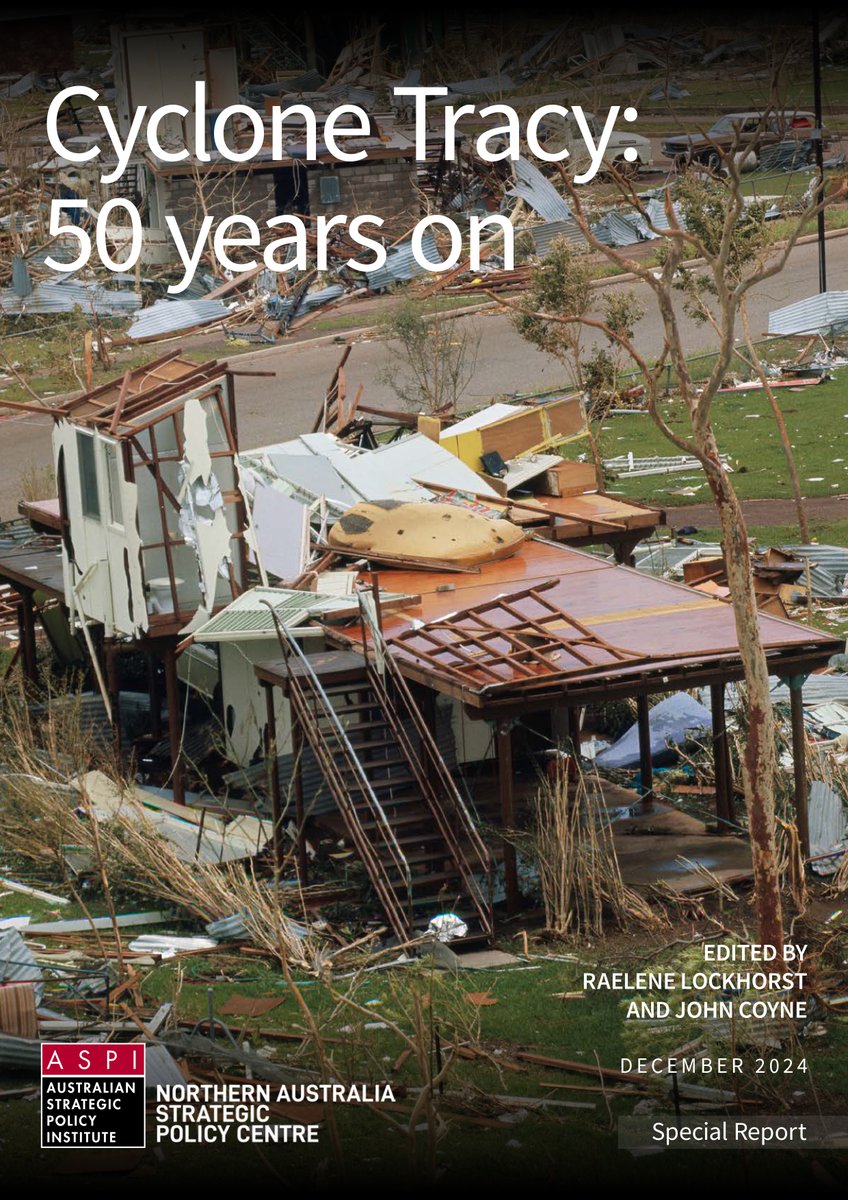
Our latest special report ‘Cyclone Tracy: 50 years on’ explores Cyclone Tracy’s lasting impact on Australia’s disaster management and how the event prompted major shifts in urban planning, building codes, and national security frameworks.
🔖 Read it now ↪️ https://t.co/Yu1hSwsgae
‘In May, Canberra announced stricter criteria on foreign investment, signalling strengthened intent to counter coercive influences on Australia’s minerals projects and supply chains’, writes @IanSatchwell. https://t.co/HXRFjsunQr
‘The Australian govt’s 2 June divestment order to China-linked entities with shareholdings in rare earths developer Northern Minerals is an example of what will be needed to counter China’s domination of critical minerals supply’, writes @IanSatchwell. https://t.co/IJwRluaIPU
@j_laurenceson Superior technology James? China might have figured out how to convert crappy nickel into battery grade, but remain quite happy to export the environmental/social merde to Indonesia from nickel pig iron and ferro nickel processing that China will no longer countenance at home.
This is not about nuclear power in Australia, but growing production of uranium, the next critical mineral. Australia has the largest reserves and 60 years of experience in mining this essential enabler of the global energy transition.
'Nowhere in Australia are population and skills shortfalls more apparent than in the north which is heavily dependent on overseas migration to sustain both, and to boost the region’s contribution to national security', writes @IanSatchwell.
https://t.co/8heBpVoQle
@j_laurenceson It’s a weird statement, given the US is Australia’s most important economic partner. China’s largest in goods trade, but two-way investment with the US is many times bigger than with China. Aus-US trade is much more tech-intensive and larger in services. Not a binary question!
Thanks Ross. Great to have worked with Indonesian and Australian business and government to get this done. Many organisations and people have contributed over a long time. Now for implementation and success in lifting trade & investment. (my first tweet in three years!)