I am honored to be recognized among the world’s top 2% scientists in the Stanford/Elsevier global ranking.
This recognition reflects our spirit of impactful research with outstanding colleagues, mentors, and students, and a shared commitment to advancing scientific research.
1/
Dear NSA
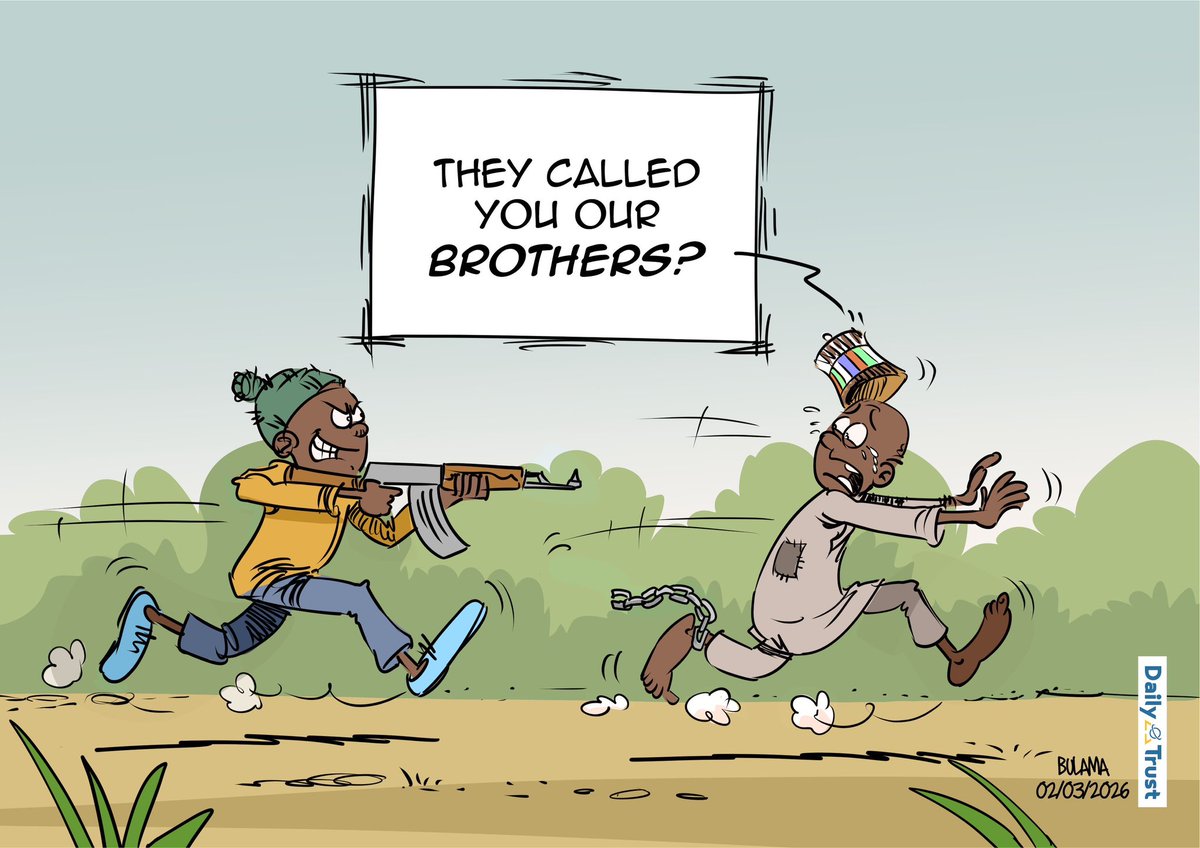
A terrorist is not my brother. A bandit is not my brother. If they are yours, it means you have sympathy and empathy for them and you don't deserve to be our NSA
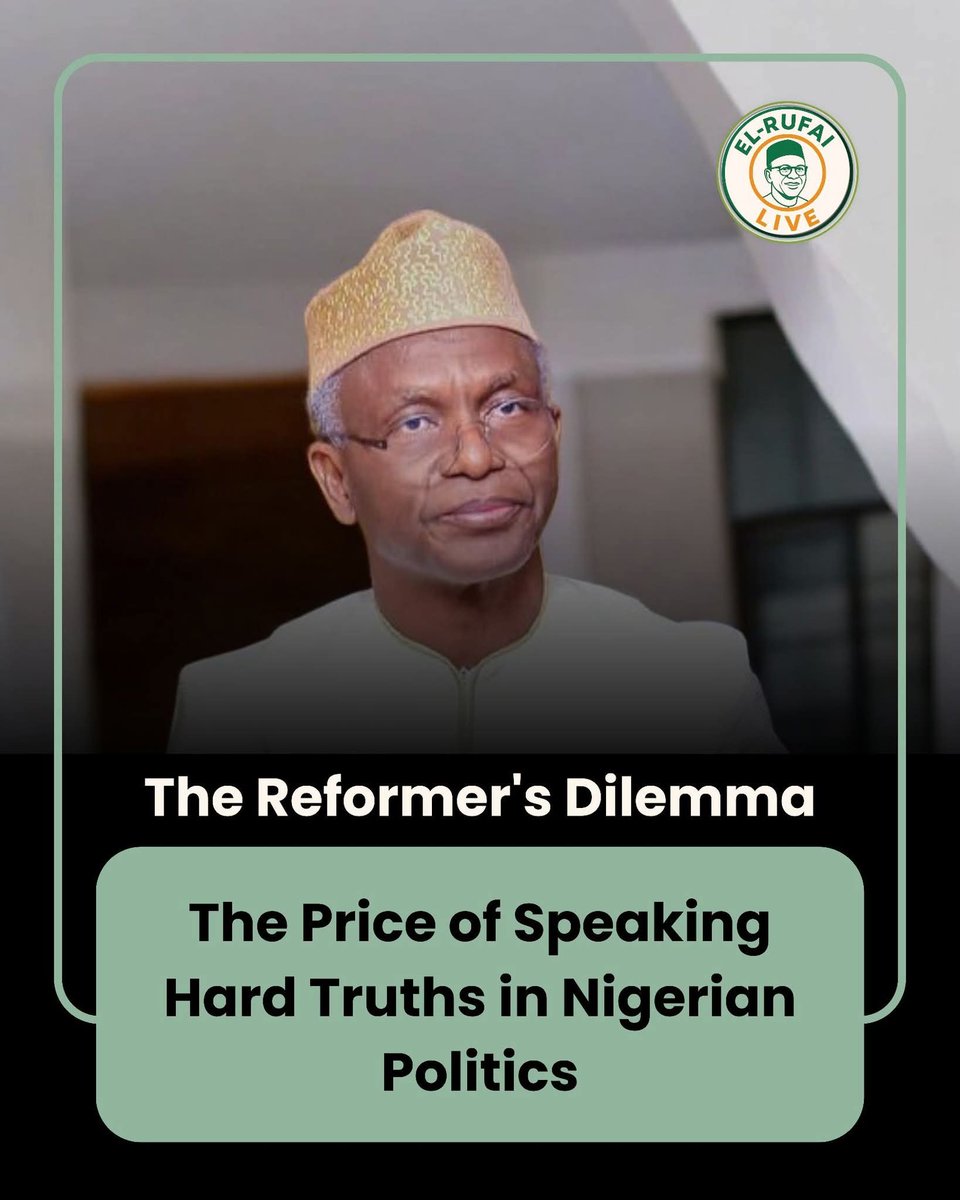
The Price of Speaking Hard Truths in Nigerian Politics
In Nigerian politics, honesty is rarely convenient. The system often rewards accommodation, careful ambiguity, and gestures that preserve comfort rather than confront dysfunction. Networks of patronage, negotiated loyalties, and populist expectations create an environment where soothing rhetoric travels faster than structural reform. To speak plainly about waste, inefficiency, or institutional decay is to disrupt established balances. Yet progress has never emerged from comfort. Reform begins where convenience ends, and it is sustained by leaders willing to endure resistance in pursuit of long-term national stability.
Mallam Nasir El-Rufai has defined his public life along that difficult edge. His leadership philosophy has consistently favored evidence over applause, the discipline of planning, the logic of institutions, and the long-term implications of short-term populism. Across multiple roles in public service, he has chosen structural correction over political ease. That choice has shaped both his impact and the opposition he has faced, positioning him as a reform-driven leader in a political culture often wary of disruption.
As Director-General of the Bureau of Public Enterprises, El-Rufai confronted entrenched inefficiencies through privatization and economic restructuring. Reforming state-owned enterprises required more than technical expertise; it demanded the resolve to challenge opaque systems sustained by vested interests. Later, as Minister of the Federal Capital Territory, he applied the same discipline to urban governance. Restoring Abuja’s master plan, digitizing land administration, and enforcing planning laws disrupted informal privileges that had flourished for years. The measures were controversial, but they reinforced a governing principle: institutions cannot function where rules are selectively applied.
His tenure as Governor of Kaduna State extended this philosophy to subnational governance. Faced with fiscal strain and systemic inefficiencies, his administration reduced bureaucratic excess, restructured ministries, and redirected resources toward education, healthcare, and infrastructure. Civil service reforms and competency assessments prioritized standards over sentiment. Education restructuring focused on measurable improvement rather than symbolic gestures. Transparency and procurement discipline curtailed leakages that had long weakened public institutions. These were decisions calibrated for sustainability, not short-term popularity.
Resistance was inevitable. Patronage systems do not yield quietly to transparency, and populist narratives rarely accommodate the slow mechanics of institutional reform. When controls tighten, when merit challenges entitlement, and when public processes are scrutinized line by line, established beneficiaries feel the shift. In such moments, backlash is less an anomaly than a structural response. Reform redistributes influence, and redistribution generates friction. The intensity of the pushback often reflects the depth of the change.
The pressures that accompany such disruption; political criticism, legal scrutiny, public mischaracterization are part of the reform landscape. Yet the calculus of leadership is not measured solely by immediate reaction. It is measured by institutional durability. El-Rufai’s governance style has been marked by data-driven analysis, decisiveness in execution, and a long-term orientation that evaluates policy by systemic impact rather than transient approval. Discipline, in this framework, is not rigidity; it is strategic consistency.
Nigeria’s development challenges cannot be resolved through comfort-driven politics. Infrastructure deficits, educational gaps, and governance inefficiencies demand clarity about trade-offs and the courage to act on them. The price of speaking hard truths may be resistance, but the cost of silence is stagnation.
BREAKING:
Burna Boy, is reportedly set to construct a grand mosque valued at ₦2.25 billion, projected to be the largest and most magnificent in Africa.
The award-winning musician is said to have embraced Islam months ago and has since adopted the name Abdulkarim.
Sorry Arewa,💔
People have no food to eat because of the high cost of living. They went to pray to Allah, but they were attacked and killed even inside the mosque, they neither heard nor saw it coming.
The people of the North must rise up seriously to hold our leaders accountable.
-Fateema Hussaini
Keeping Malam @elrufai in detention without bail is a gross violation of his rights. This isn't new, and as expected, a drowning man will clutch at a straw. Haunting on opposition leaders is a great disservice to the democracy you all claim you're practicing.
If you ever find a Muslim doing dirty PR; always defending their paymasters either they're wrong or right, such Muslims are negligent of the torment of grave that awaits them
Sheikh Tijjani Guruntum, Hafizahullah.
Even though I don't come from a Muslim family, I get to be the start of a Muslim bloodline. When Allah chose me to be the first in my family. Alhamdulillah
Igbo Muslim revert.
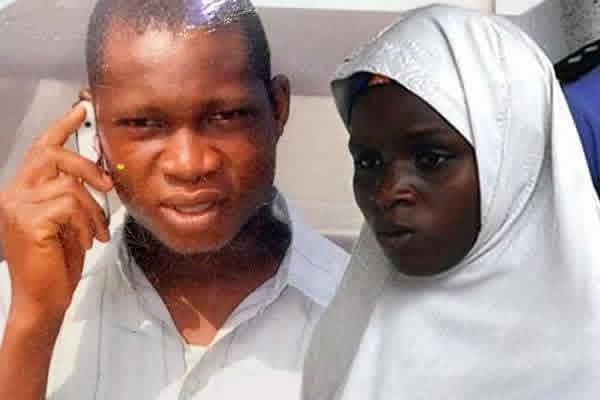
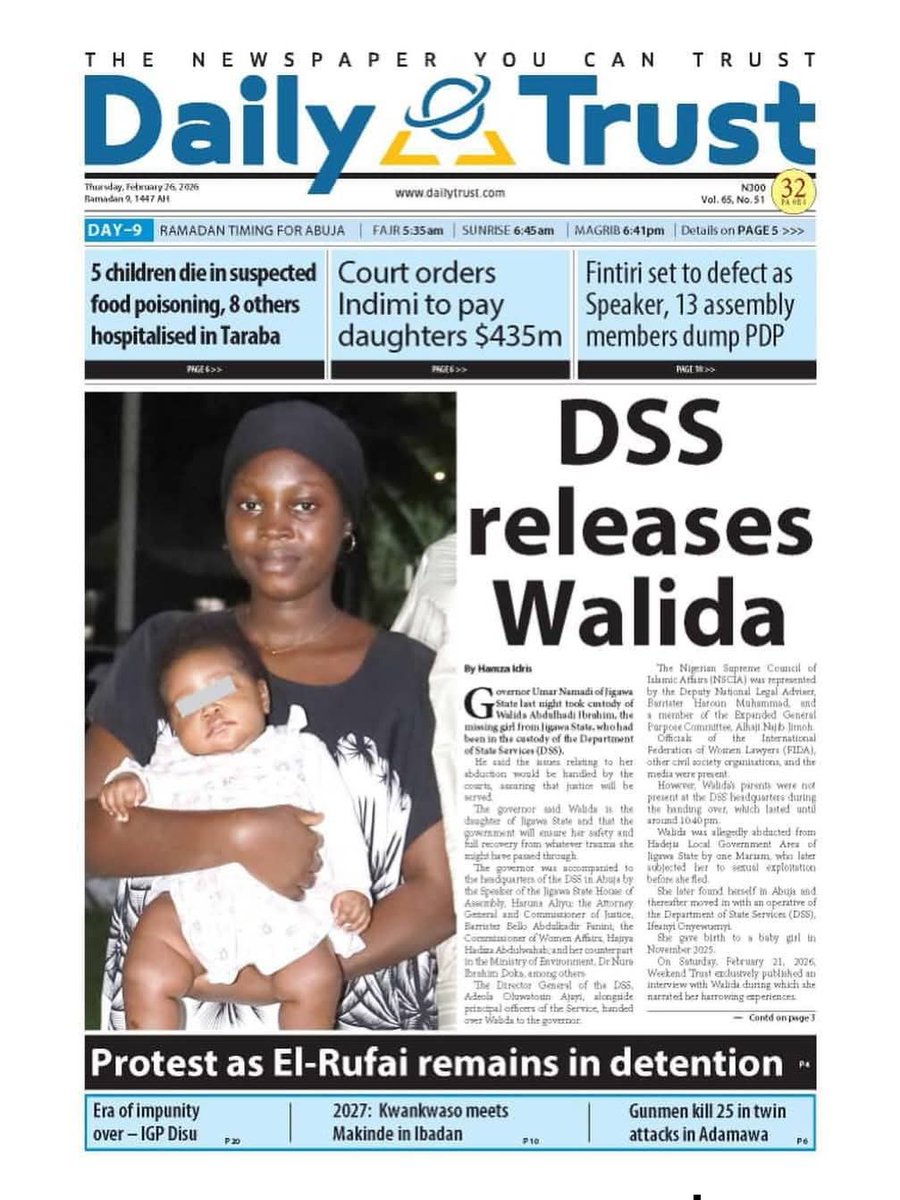
HYPOCRISY is when you believe that the YUNUSA YELLOW abducted ESE ORURU from PORT-HACOURT to KANO and forcefully converted her to Islam but deny the fact that IFEANYI who is a DSS officer did not abduct WALIDA ABDULHADI and force her to change to Christianity...
HYPOCRISY is when you believe the charges against YUNUSA YELLOW who never impregnated ESE ORURU but think IFEANYI is innocent even after seeing the product of his crime...
HYPOCRISY is when the media shows the picture of YUNUSA YELLOW AND ESE ORURU always but only shows the picture of WALIDA ABDULHADI her BABY alone without IFEANYI the DSS officer who abducted her, impregnated her and even have a child with her...
HYPOCRISY is when you think what the DSS did in shielding one of theirs from the law is a good step...
Hypocrisy is when you think there should be reconciliation on WALIDA ABDULHADI'S matter when you never pleaded for reconciliation for YUNUSA YELLOW...
HYPOCRISY is when you think I'm not supposed to say something about this hypocrisy...
HYPOCRISY is when you think this matter is not worth such attention...
#justiceforwalidah
✍️ Muhammad Jibo
SNEAKO responds to Piers Morgan, saying PaIestine's gen*cide is worse than the Hol*caust 😳🇵🇸
"They're cutting off the food supply, water supply, sh**ting people even though they declare a ceasefire, open air prison, active exterm*nation, brag about it... absolutely worse."
"Free PaIestine."