A marca britânica de produtos para gestantes chamada Mothercare decidiu mostrar o pós-parto real após descobrir que 50% das mães sentem vergonha de seus corpos por culpa de padrões irreais.
Depois de realizar uma pesquisa com 1.500 mães e descobrir que mais da metade dela não sentiam orgulho de seus corpos nesse período, por compará-los a imagens publicitárias idealistas, de corpos sem nenhuma marca, cicatriz ou gordura.
O seu corpo não está errado; ele é uma máquina incrível!
Vergonha deve sentir quem lucra com o sofrimento alheio.✨🤰
#MaternidadeReal #Maternidade #MaternidadeSemFiltro
I like how Artemis II is not the end of a mission, but the start. This begins America’s journey to landing on the moon and in a few years after that… establishing a permanent moon base.
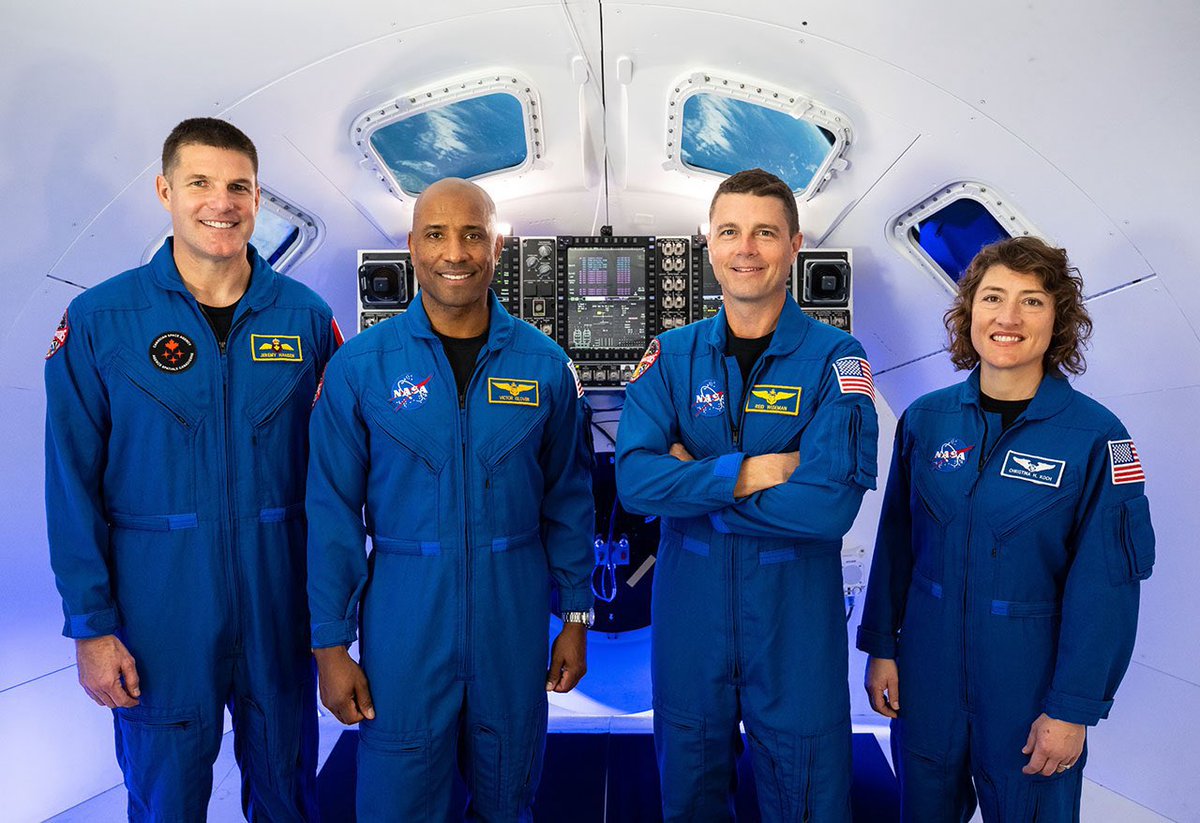
The most dangerous moment of the mission is still ahead.After their epic 10-day journey around the Moon, the Artemis II crew is coming home — and the most brutal test is yet to https://t.co/nr1moxRxh9 just a few hours, the Orion spacecraft will smash into Earth’s atmosphere at nearly 25,000 mph (40,000 km/h), turning into a screaming fireball hotter than the surface of the Sun. Temperatures on the heat shield will spike close to 2,700°C (4,900°F) — hot enough to melt steel multiple times over.Everything now rides on Orion’s advanced ablative heat shield. This carefully engineered shield will slowly burn away, carrying away lethal heat and protecting the astronauts inside from being incinerated. The final descent will be violent and unforgiving: a roaring plasma sheath that cuts off all communication for several tense minutes, bone-rattling deceleration forces, and then — if everything goes perfectly — the parachutes will deploy, slowing the capsule for a dramatic splashdown in the Pacific Ocean off San Diego.Going to the Moon is incredibly difficult.
Coming back safely is even harder.This is the moment decades of engineering, testing, and lessons from Apollo have been leading up to. The world will be watching as four astronauts attempt one of the most hazardous maneuvers in human spaceflight: a high-speed lunar return to Earth.Stay safe, Orion. We’re all rooting for a perfect homecoming.
Today, Orion will re-enter the earth's atmosphere at a speed of about 40,000km/hr generating heat of 5,000 degrees Celsius around it. It will then need to reduce to a splash down speed of 27km/hr in 13 minutes.
This will be the most risky part of Artemis 2 mission. Any small mistake and the 4 crew members will just be memories of 4 humans who tried but did not make it back to earth.
May the crew return safely.
🚨🚀 ALERTE INFO
La mission Artemis II s’apprête à revenir sur Terre avec une rentrée atmosphérique spectaculaire.
L’équipage atteindra environ 25 000 mph (≈ 40 000 km/h), générant des températures proches de 5 000°C lors de la traversée de l’atmosphère.
Pendant environ 4 minutes, les communications seront coupées en raison du plasma entourant la capsule, un phénomène normal appelé “blackout radio”.
🚀 ESTE VIERNES, LOS CUATRO ASTRONAUTAS DEL ARTEMIS II VAN A ENTRAR A LA ATMÓSFERA A 40.000 KM/H, RODEADOS DE PLASMA A 2.700°C: ASÍ SE PREPARAN PARA SU REGRESO.
• La nave Orion de Artemis II ya está de regreso. El viernes 10 de abril a las 20:53 (hora argentina) comenzará el reingreso a la atmósfera terrestre. Catorce minutos después, a las 21:07, la cápsula debería tocar el océano Pacífico frente a San Diego.
• Esos 14 minutos son los más peligrosos de toda la misión. Más que el despegue. Más que el sobrevuelo de la Luna. Y más complicados que cualquier otra cosa que hayan hecho en los últimos 10 días.
• La cápsula tiene que entrar en un ángulo exactísimo: -5,8° respecto del horizonte. Si entra demasiado plana, puede rebotar en la atmósfera y perder el control. Si entra demasiado empinada, el calor y la presión se vuelven insostenibles.
• En cuanto el plasma empiece a formarse alrededor de la nave, las comunicaciones con los cuatro astronautas se cortarán. La NASA no va a poder escucharlos. Ellos no van a poder escuchar a la NASA. Solo el escudo térmico entre ellos y el fuego.
• Ese escudo ya dio señales de alerta. En Artemis I —la misión no tripulada anterior— el material del escudo se desprendió de manera inesperada durante el regreso. La NASA investigó e hizo ajustes operativos.
• Si todo sale bien, a las 23:00 habrá conferencia de prensa. Si algo falla, hay procedimientos de contingencia. Incluso para el caso de que uno de los tres paracaídas principales no se abra.