I realised that the pricing and homes I was seeing was mainly in the 'fancier' part of Chinatown where most of the high-chain restaurants and businesses (like banks) were located.
I think the housing situation would be a barrier to the community because of the extremely high priced apartments and studios that are in the international district. The people who work there most likely would not be able to afford the living expenses from the wages they make.
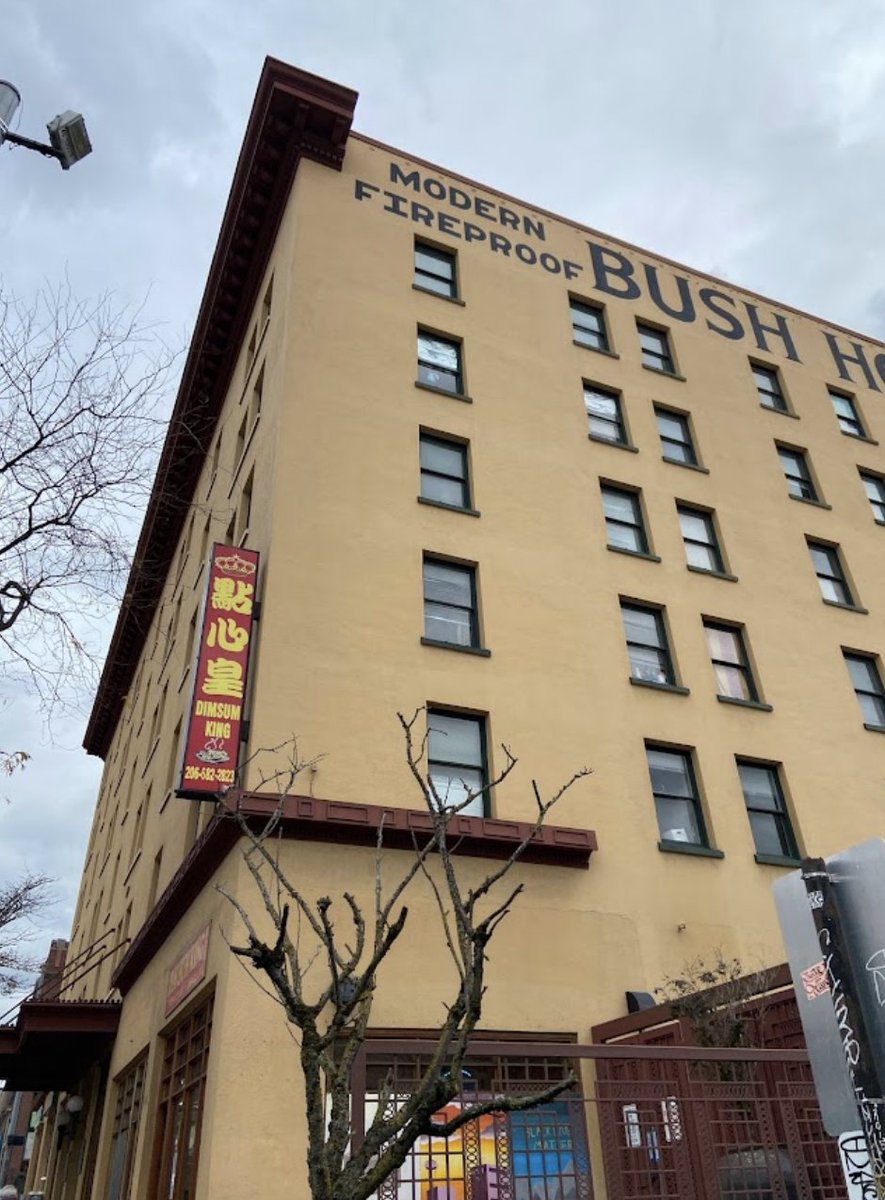
The kind of housing that is offered international district would be that it is mostly (if not all) apartments or condos, usually on top of super markets or other kinds of businesses.
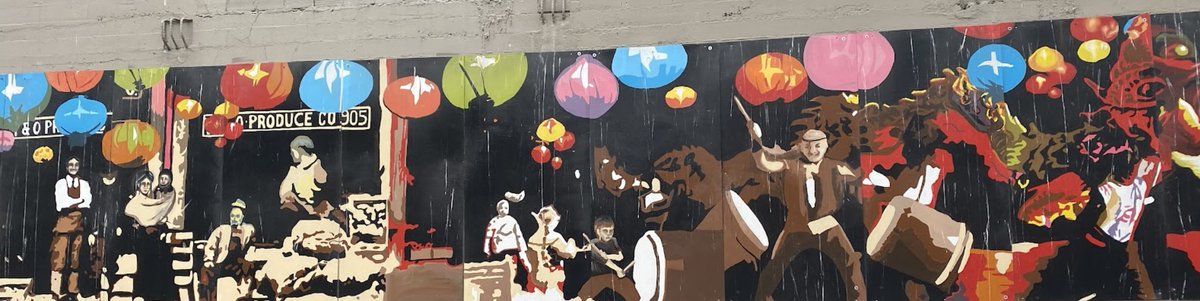
There is a very large piece on the side of a building extending all the way down. Using these art pieces on empty sides of buildings is a great way to bring life to the neighborhood.
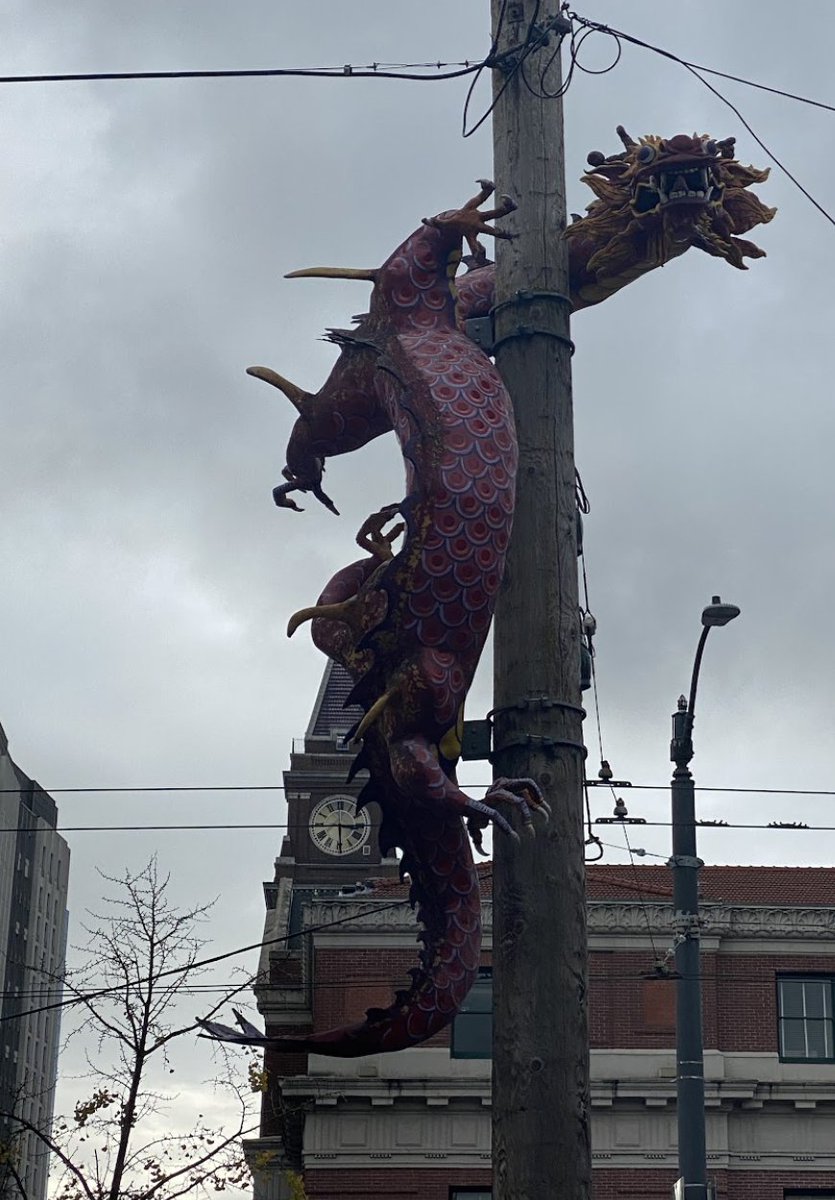
There is also a group of leaders in Seattle's Chinatown International District who worked hard to add 11 high-flying dragon sculptures at different street corners. We thought it was fun to spot all the dragons on different poles and was a charming addition to the neighborhood.
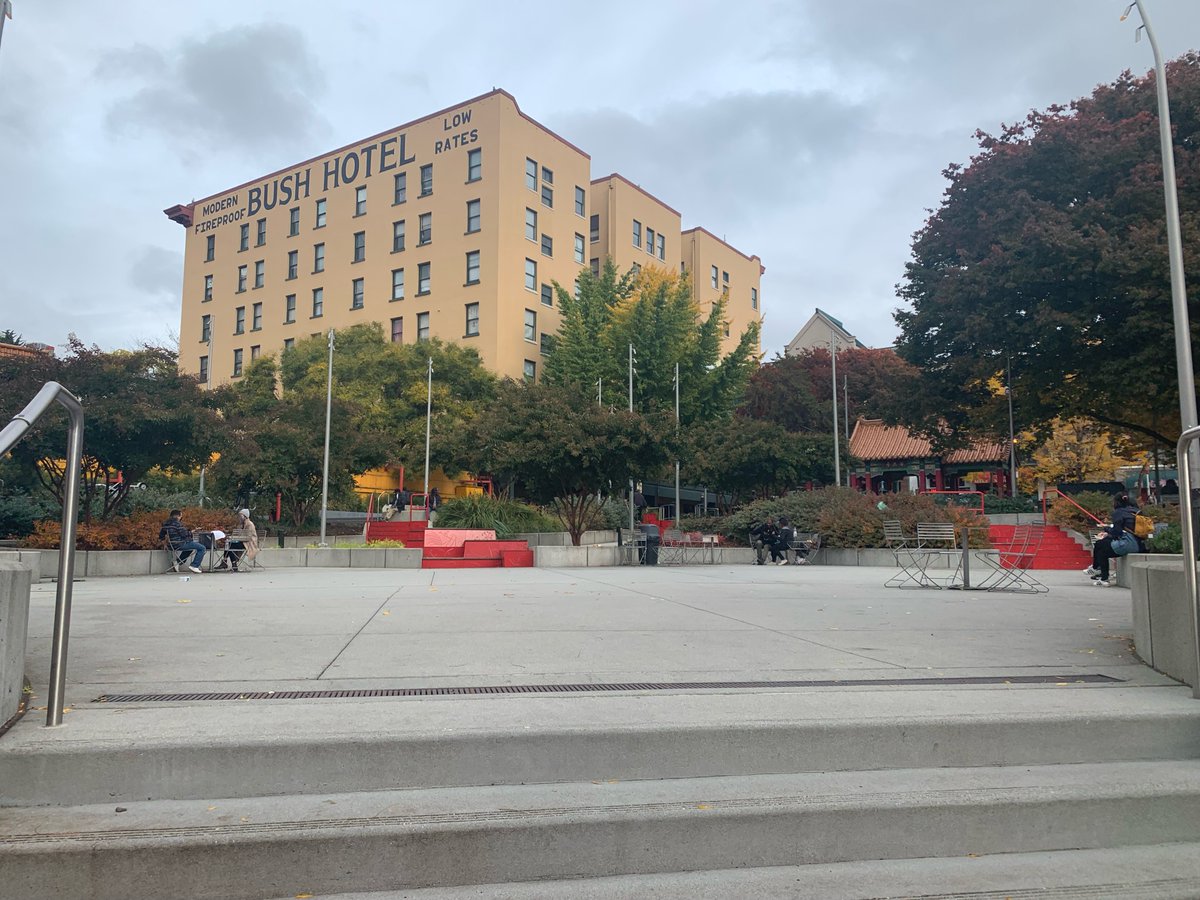
One of the bigger pieces of street art that we saw on our trip was the dragon mural and pagoda detail in Hing Hay Park in the International District. The art placed all over Chinatown is a great asset to show how culturally intuitive they are as a community and brings positivity
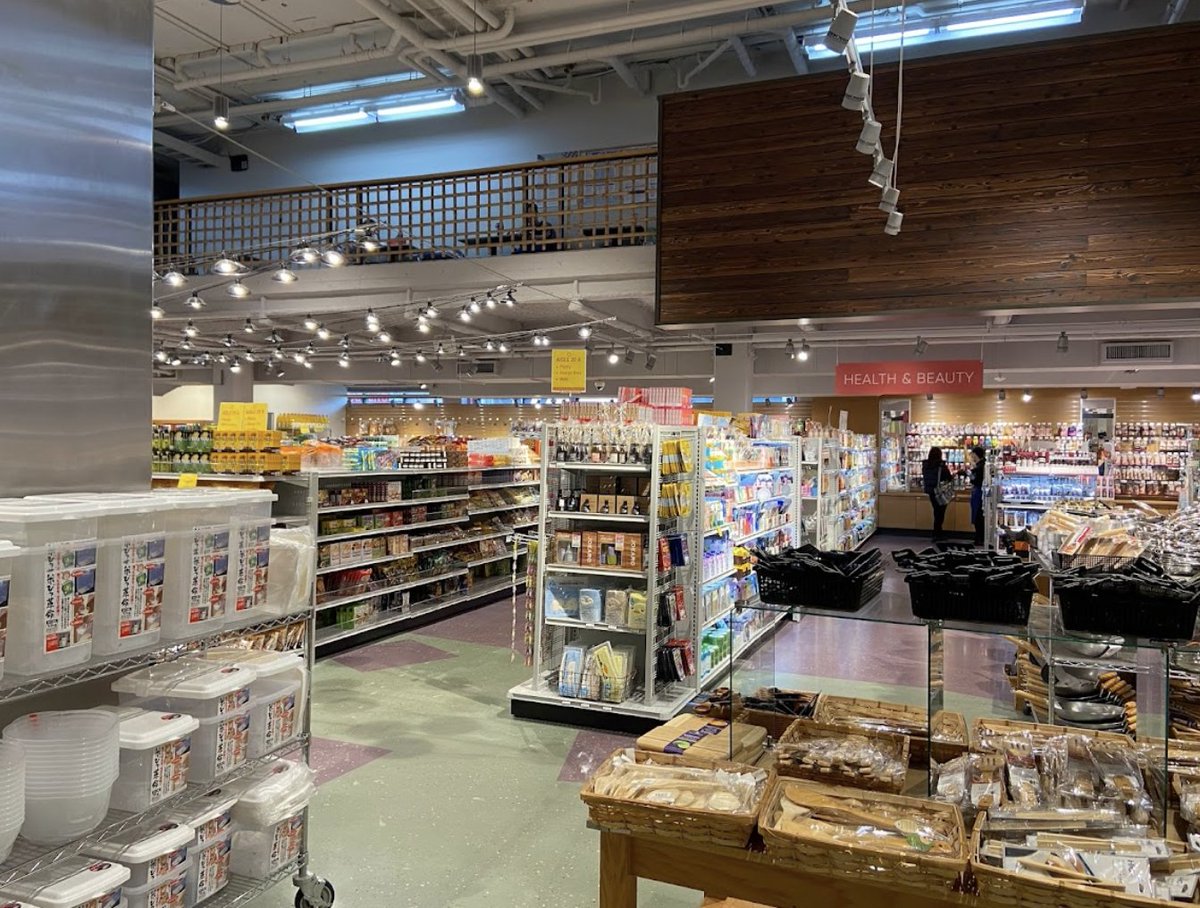
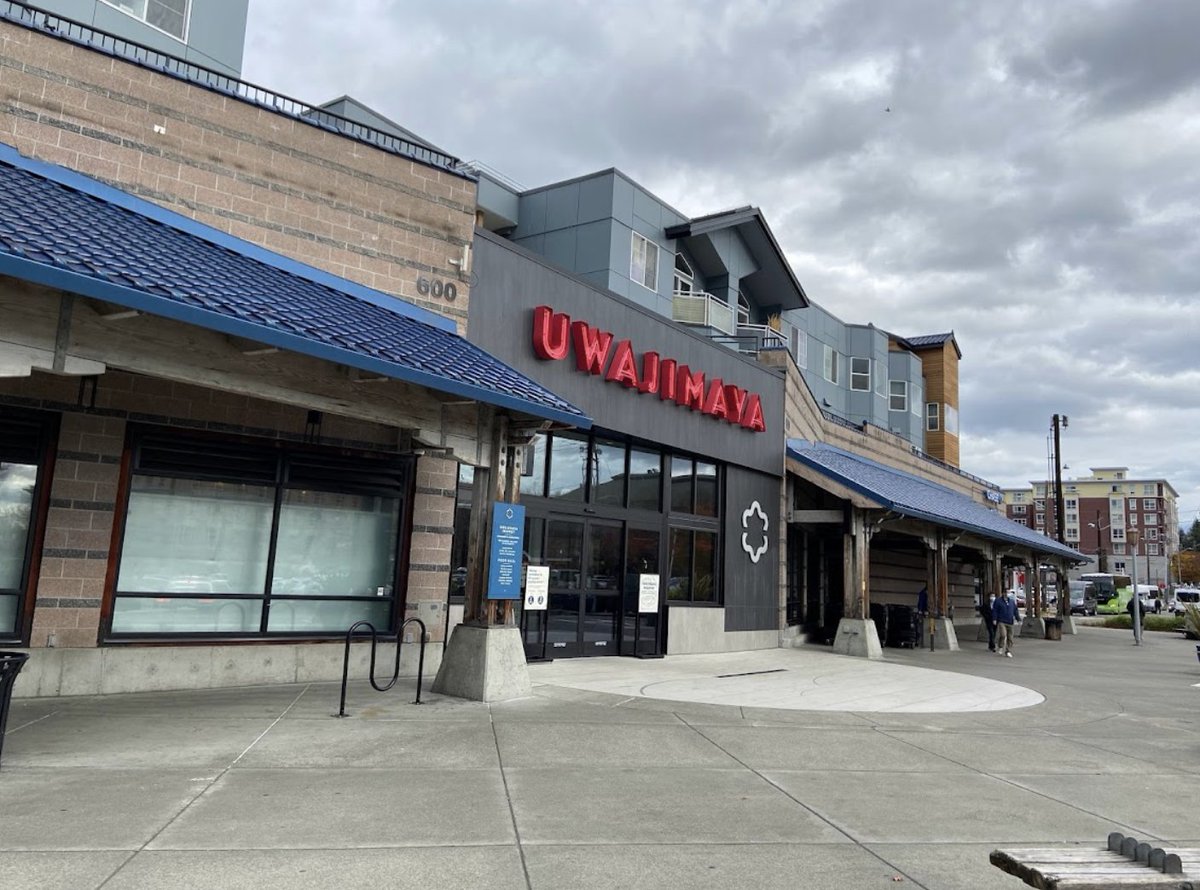
Business and industry also supports the neighborhood financially by having places like Uwajimaya for groceries, Dim Sum King for cheap food, and City Produce to get easy access to produce for yourself or several restaurants in the International District.
The International District is mainly Chinatown and definitely has many family-owned storefronts that are unique to Chinatown. What surprised me the most is that some stores are still in its “original design” and have no big differences other than being/looking a bit more modern.
The International District is also known as Chinatown or the CID (Chinatown International District). Most of its storefronts are family-owned and the concentration of businesses are mainly people of Chinese, Japanese, and Vietnamese descent, respectively.
The international district is an important neighborhood for immigrants and their children. Its demographics consist predominantly of people of Asian origin. With time, the neighborhood has fought and struggled to get to the thriving pan-Asian American community that it is now.
We went to eat at a restaurant called Dim Sum King, that offers quick & ready dim sum dishes for take out. This business was Asian owned and run, and enhanced the heritage/ culture of the neighborhood. These places are essential for immigrants that do not know english.
Race, Ethnicity, and Culture, is an asset to the international district. Other topics like, business, environment, and public art impact Race, ethnicity, and culture as an asset. Businesses being Asian owned and locally owned add to the authenticity of the community.
Businesses provide a welcoming environment that attracts other immigrants as well as others that want to explore other cultures. The surrounding art of the neighborhood being of Asian design adds to the cultural identity of the neighborhood, furthering its culture as an asset.
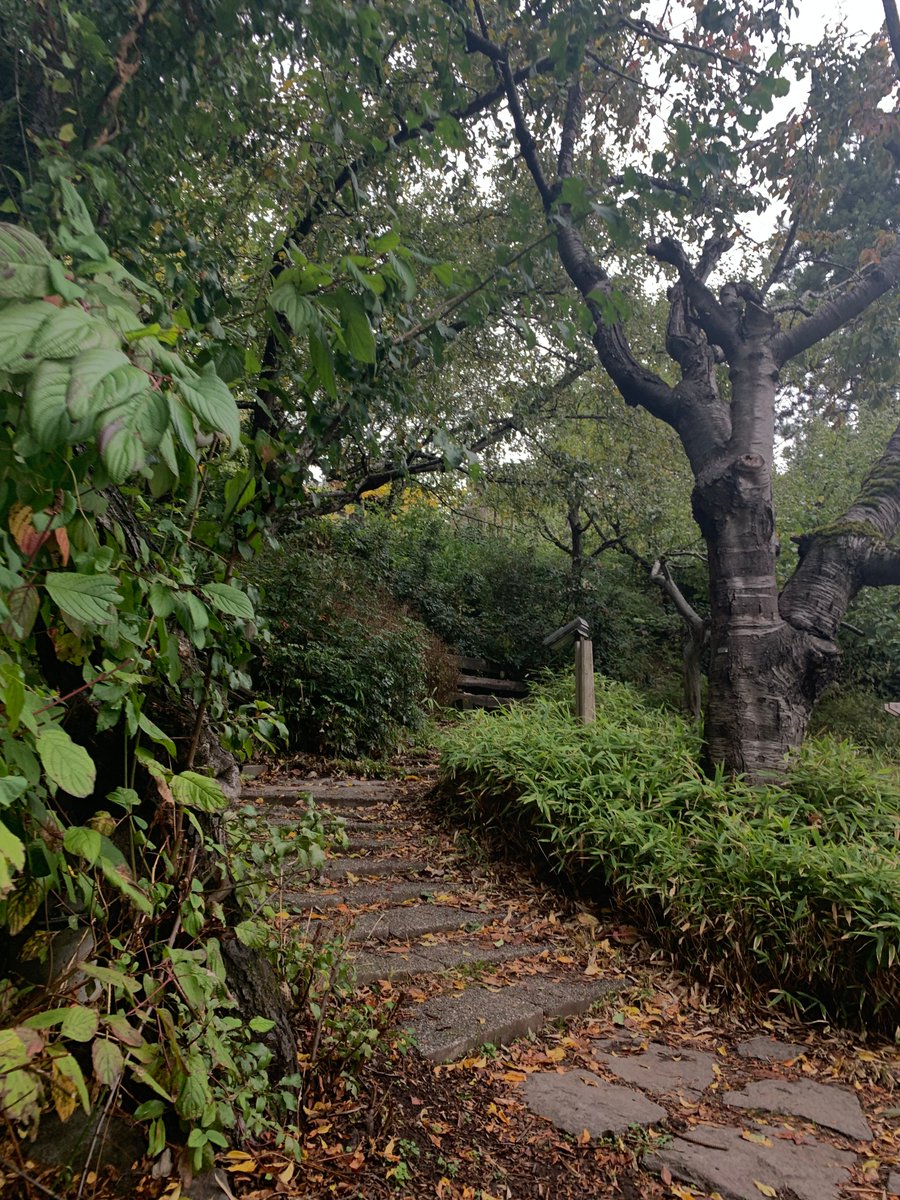
Kobe Terrace park is a beautiful spot on a hillside. There are stairs to guide you around and there are chicken coops and a community garden to observe at the top!
Overall, the public parks and greenspaces in the International district are an asset because they provide entertainment and leisure to the general public! They also beautify the space and provide an escape from the cityscape.