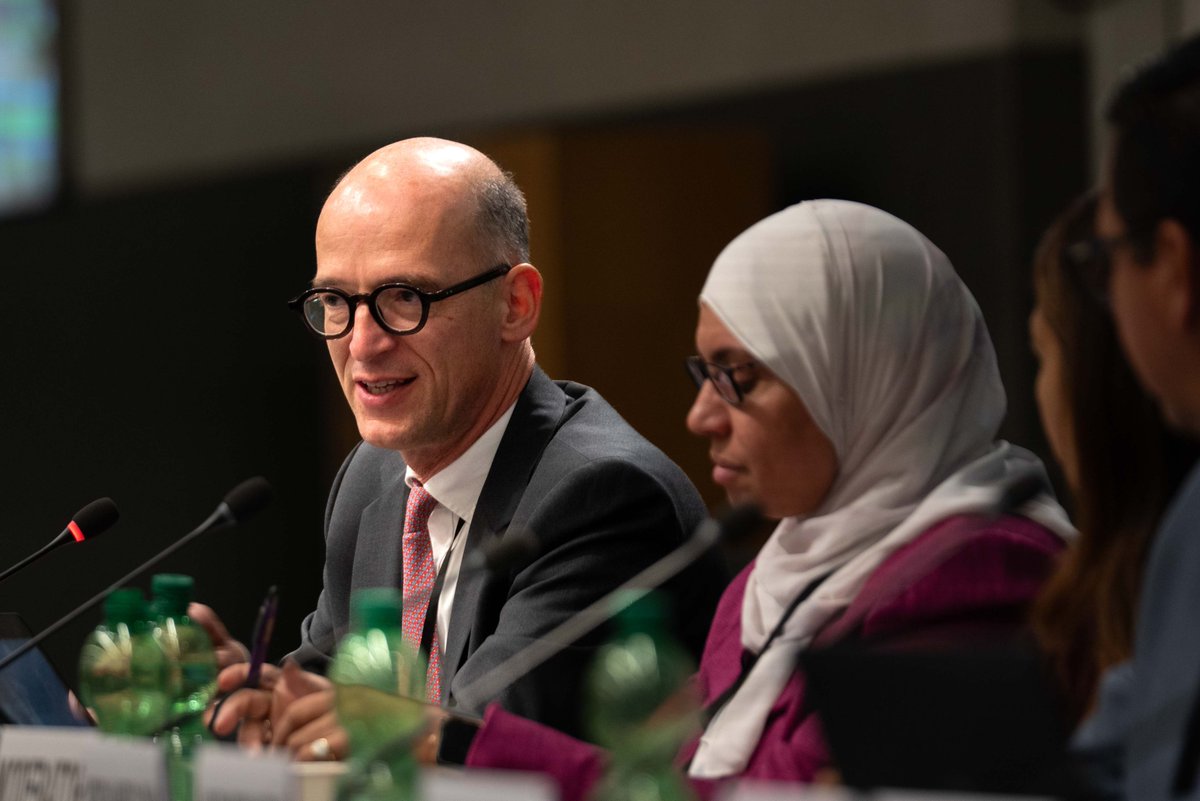
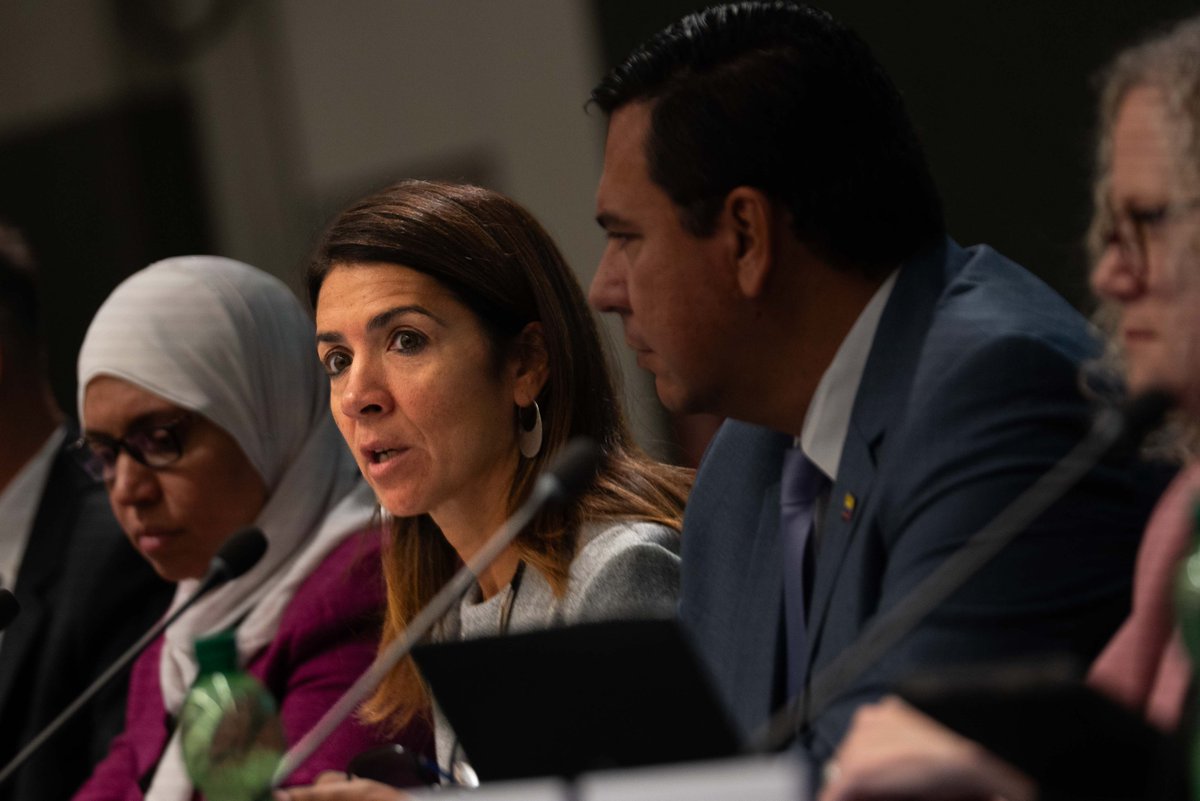
#IGFAGM Over three productive days, participants discussed how to build trust and resilience in mining and critical minerals value chains.
Read the summary: https://t.co/iU72o9m1fL
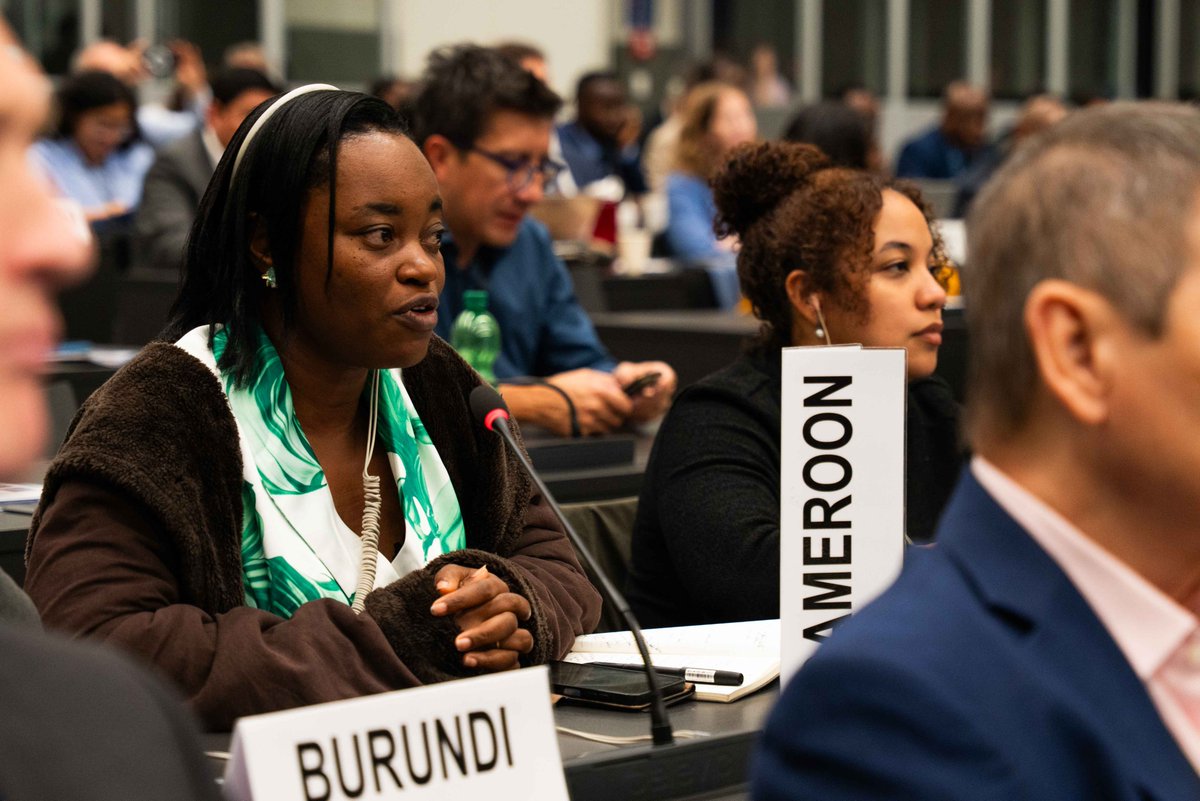
Thank you to the 483 participants of the #IGFAGM in Geneva! 🙏
Thanks to our host @UNCTAD, our members, speakers and UN staff. Trust is built over time, let's keep it going! 🌍
📄 The daily recap and the week's highlights are available here 👉 https://t.co/LBOfqxlMRx
That's a wrap on the #IGFAGM in Geneva! 🌍
Day 3️⃣ closed with "Embedding trust through benefit sharing": how can value addition turn mineral wealth into shared prosperity?
🏆 Congratulations to Brazil on winning the IGF Prize for Excellence in Mining Governance! 👏
The plenary looked at the sustainability risks that arise at the exploration stage, from environmental impacts and community engagement to Indigenous rights and transparency.
Panelists discussed how governments and companies can build trust from the start.
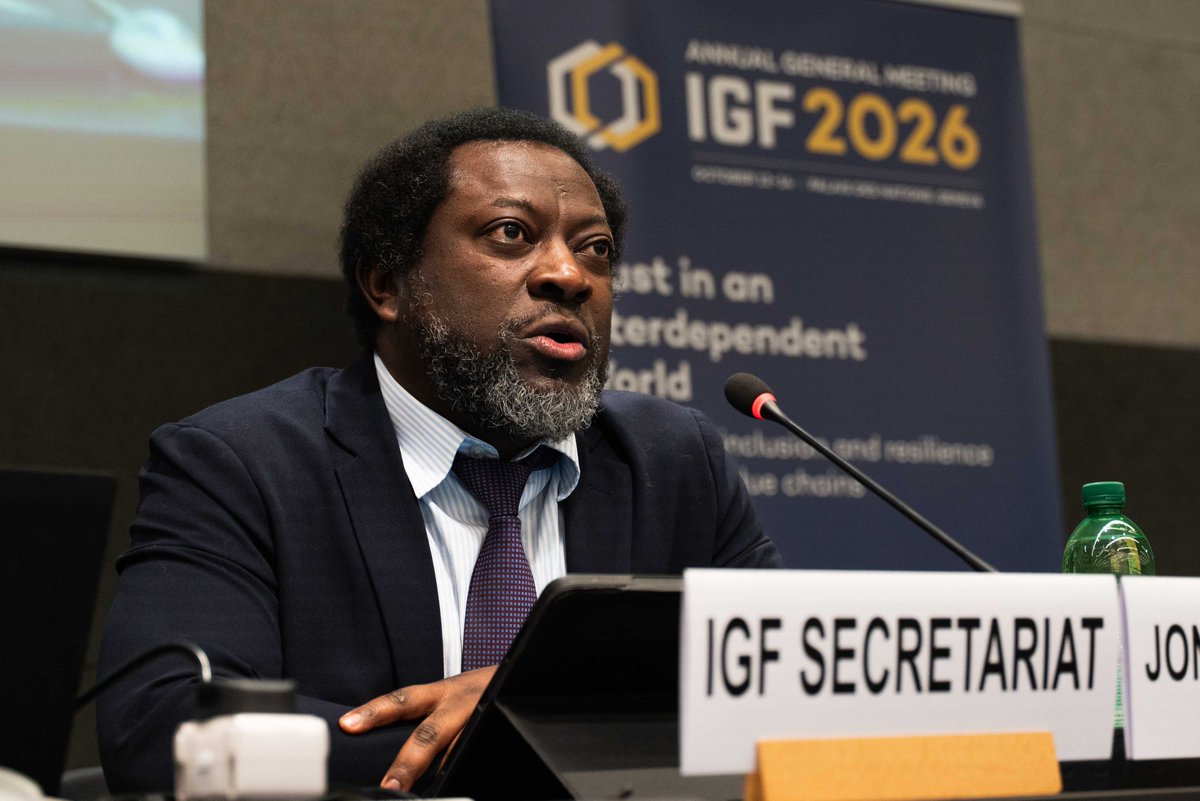
⛏️ "In mining, trust often begins with exploration. Long before a mine is developed, the first conversations, requests for land access and commitments to communities can shape relationships for years to come." Jonathan Hamisi framed the discussion for our first plenary at #IGFAGM
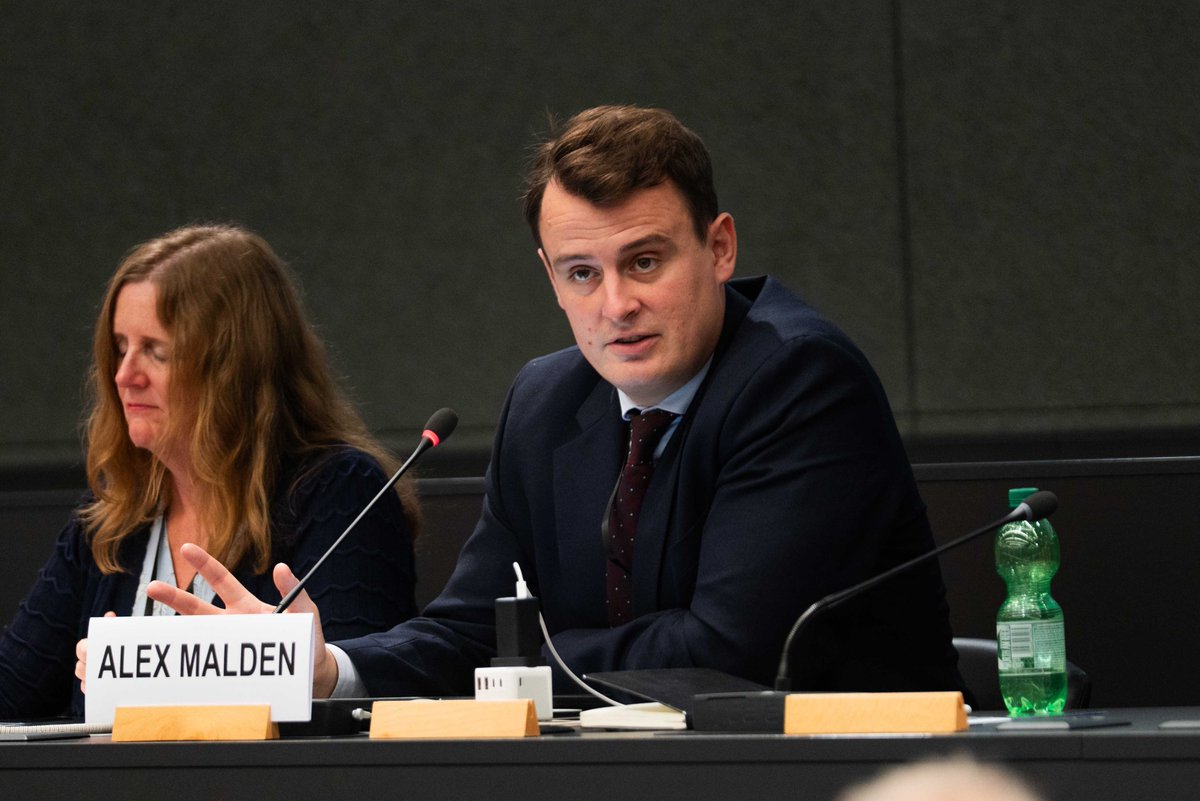
Silicon is a building block of the energy and digital transitions. As the #IGFAGM continues today, Louise Gallagher, Bryan Bille and Bjørnar Ovesen discussed demand, supply concentration and price outlook.
Participants shared national and local experience: from several country case studies on mine closure, managing mine waste and remining tailings, to environmental impact assessment and sustainability standards. #IGFAGM
➡️ https://t.co/n3qsJiNbJF
This afternoon, delegates at the #IGFAGM discussed the reasons behind the rise of tax disputes and explored practical approaches to preventing and managing them throughout the life of a mining project.
Governments are increasingly facing the question of how standards affect public policy & how they can be leveraged to attract responsible investment in mineral value chains.
IGF, @ICMM_com & @OECD convened governments, industry & civil society actors at the #IGFAGM to discuss.
#IGFAGM The highlight of the day was the official launch of the IGF Mining Academy: a new platform for learning, collaboration, and innovation in responsible mineral governance.
➡️ Highlights and images: https://t.co/CVZmjyvIDG
Day 2 of #IGFAGM opens with gold.
What do demand, price swings & new pressures on supply chains mean for producer countries?
Speakers covered market outlook & the policy questions that follow: responsible sourcing, traceability, geopolitical risk & supply chain resilience.
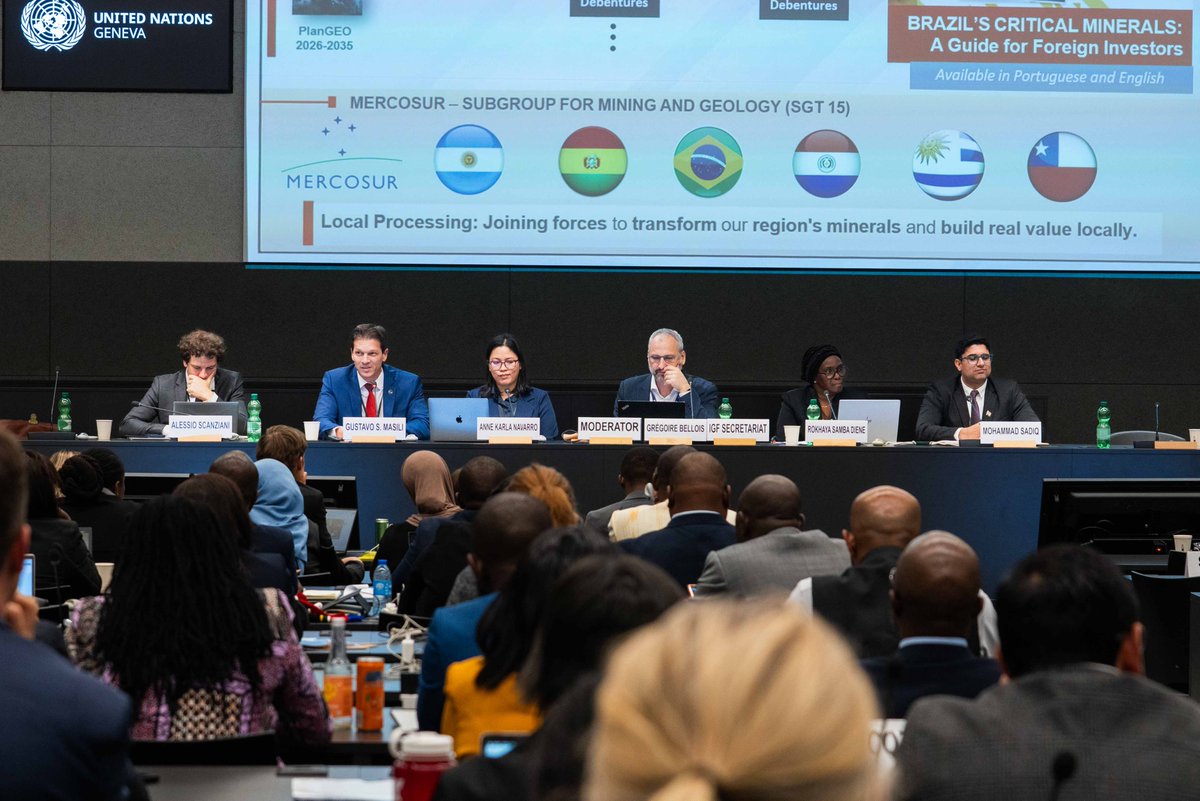
The session closed Day 1 of the #IGFAGM on how countries can move from critical minerals ambition to actionable strategies that fit their national context.
@IEA presented the Global Critical Minerals Outlook and Brazil, India, the Philippines & Senegal presented their approaches
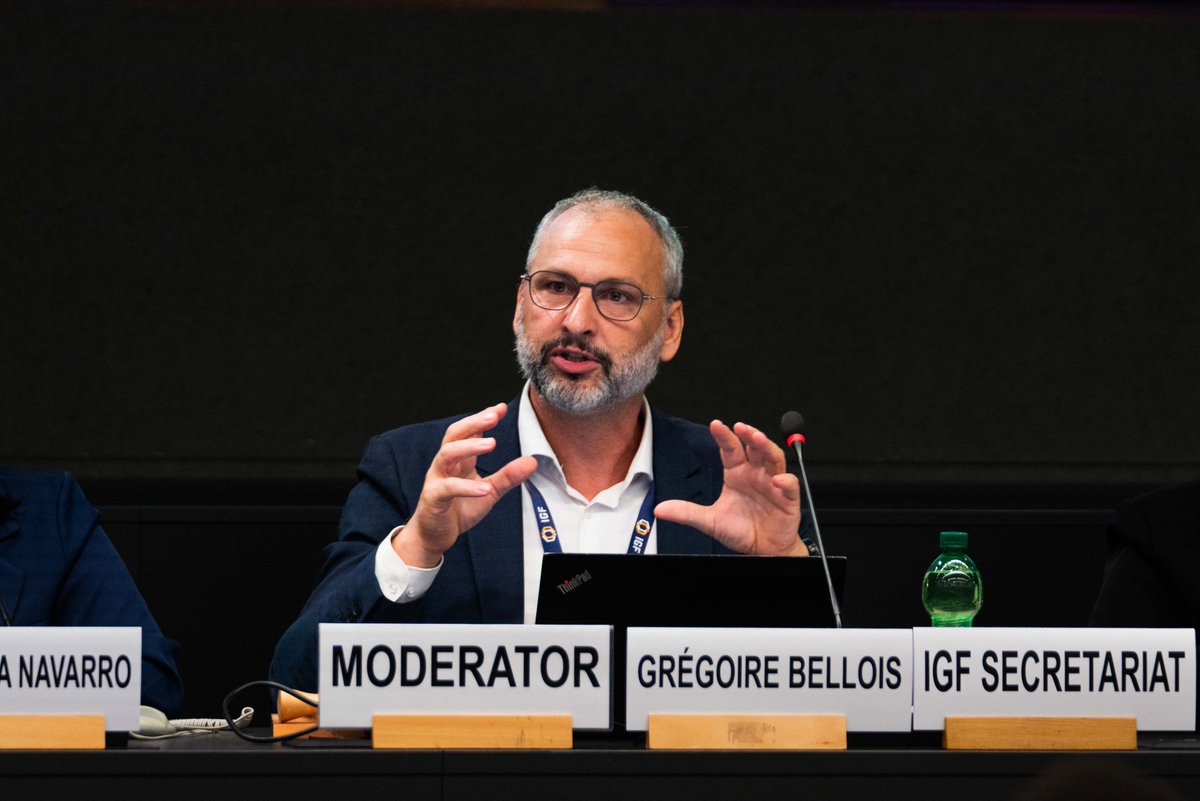
"A critical minerals list is only the starting point; the real challenge is turning national priorities into clear choices, investment & implementation."
Grégoire Bellois (@IGFMining) set the scene for "Critical Choices: From analysis to actionable critical minerals strategies"
Day 1️⃣ of the #IGFAGM brought together 400 delegates in Geneva!
Under the theme "Trust in an interdependent world", Day 1 opened with the launch of the IGF Mining Academy & covered benefit sharing, global cooperation and national critical minerals strategies.
The session offered a neutral space to compare notes on coherence, transparency and fair terms for producing countries, and on what these agreements change in practice.
“Today, when resource supply becomes ever more important for climate change, sustainable development and building peace, we also have the tools to manage them in a sustainable way,” said Tatiana Molcean of UNECE, opening the #IGFAGM session on critical minerals diplomacy.
This afternoon, discussion turned to the hidden vulnerabilities of mineral value chains: the chemicals and reagents that underpin extraction, refining and manufacturing.
“When it comes to mineral security, the question is simple. Can a mineral value chain truly be secure if the inputs required for functioning and stable mineral production remain vulnerable?” said Jerry Ahadjie at the #IGFAGM.