I would like to supplement @kareem_carr introduction with a note on the analogy between Causal Inference (CI) and algebra.
1. CI is a mathematical method that takes us from what we know (assumptions) to what we wish to know (conclusions, or an answer to a query). It resembles algebra, more than statistics.
2. In algebra, a typical problem goes like that: My brother is 5 years younger than my sister. Last year my sister was twice older than my brother. How old is my brother? Formalizing what we know: X = Y - 5, Y- 1 = 2(X-1), gives us, after some manipulations, what we wish to know: X=6, Y=11
3. In causal inference, we may face a situation in which we know that:(1) Y cannot cause X, (2) no variable is a cause of both X and Y, (3) DATA: P(x,y). What we wish to know is Q: the causal effect of X on Y.
4. Trouble: we have no language of formalizing (1) (2) or Q. [We have statistics to give us (3)]
5. CI provides us such language.
(1),(2): X--->Y, (3) P(x,y); Q = E(Y|do(X=x)] = ?
6. CI gives us both, a language to represent what we know and what we wish to know and a mathematical method of going from the former to the latter.
7. BTW, In our example, the answer is: E(Y|do(X=x)] = E(Y|X=x), as explained by Kareem.
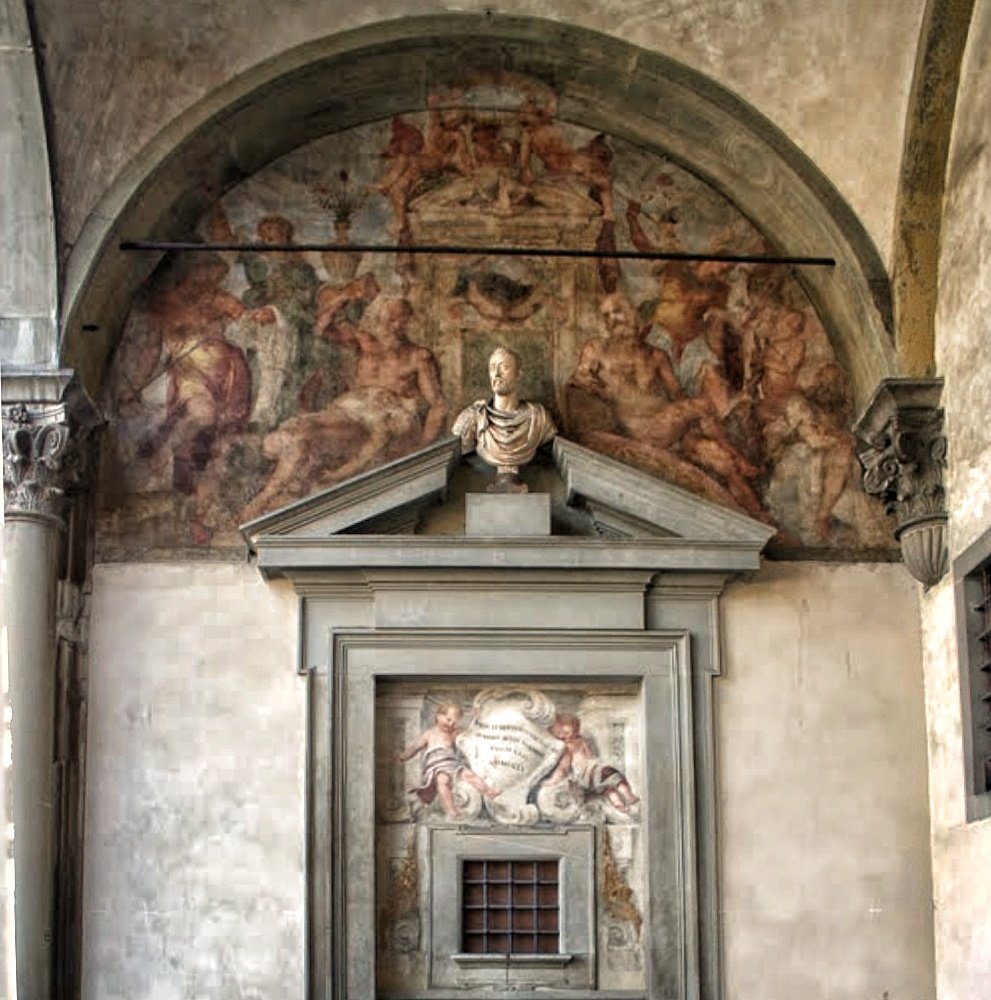
Brunelleschi izgradio je u Firenzi dečje sirotište Ospedale degli Innocenti koja drži se za prvu građevinu renesansne Firenze. I mi danas deca smo nekog rata, obespravljena i lišena doma. Innocenti, dečja sirotinja Evrope, ostavljeni odraslim i tuđim osobama na milost i nemilost.
So appreciative of Charles Simic and his expansive work. He is missed. I can't provide a better tribute than this video of our son, Griffin, at eight years old, reciting from memory Simic's brief and ingenious poem "Fork." Thank you, Charlie. (4/4)
Prije 80 godina na današnji dan strijeljan je Sava Šumanović. O njemu i njegovom slikarstvu - u članku Stevana Kostića u Tragovima: časopisu za srpske i hrvatske teme. Jedna od najtragičnijih i najpoznatijih žrtava ustaškog terora. https://t.co/uy5Jia9jBf
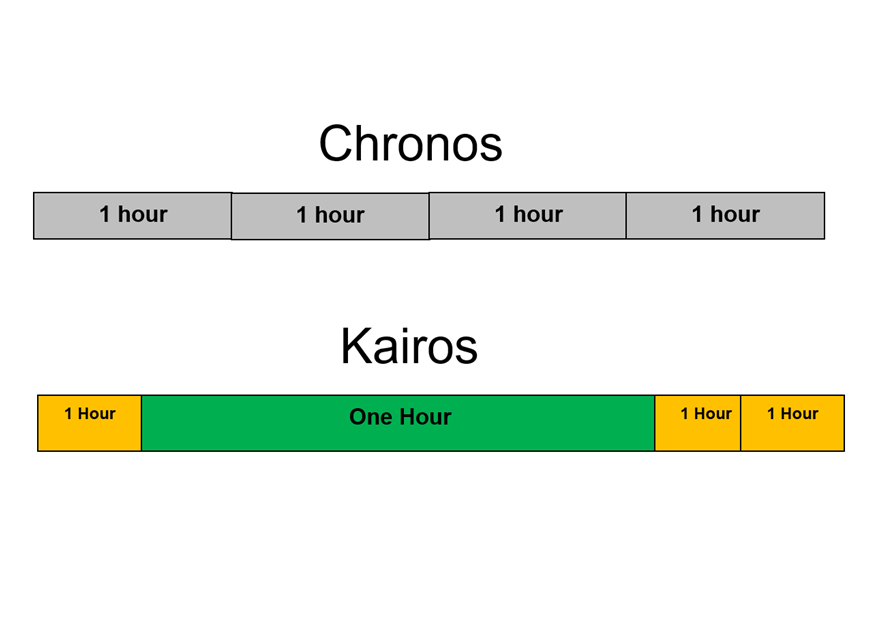
The Ancient Greeks had two words for time:
1. Chronos = sequential, quantitative time
2. Kairos = fluctuating, qualitative time
Here's why you need to understand kairos...
Mama je kuvala paradajz u velikoj šerpi za veš, ovo je ključalo. Mama je stajala na stoličici i odatle mešala dugačkom varjačom, na daljinu. Paradajz je štrcao na sve strane, kvario zid i šurio nas po prstima. Mama je objašnjavala: "Šta vam ja mogu!" Život je bio pun opasnosti