Everyone knew Tunde was broke
The problem was… Tunde didn’t know
Or at least, he refused to accept it
One Friday evening, he followed his “big boy” friends to a fancy restaurant. The type where the chairs are heavier than your future
He walked in like he owned the building. Slow steps. Serious face. Nodding at things that didn’t concern him
The waiter handed him the menu
Tunde didn’t check the prices
Confidence is sweet when you don’t read carefully
He pointed at the longest name on the menu. If it’s hard to pronounce, it must be expensive, right?
“Bring this.”
The food came
Small
Suspiciously small
He stared at it like it offended him personally. But he smiled. Rich people don’t complain
Then the bill came
Silence
His smile faded like weak network.
He checked his account balance under the table three times, hoping it would change out of respect
It didn’t
For 45 seconds, Tunde saw his whole life flash before his eyes:
– Washing plates in slow motion
– Calling his ex for emergency money
– Starting a GoFundMe titled “Support Local Big Boy”
Finally, he leaned toward his friend and whispered,
“Guy… how much do you love me?”
They laughed. They helped him
But that night changed Tunde
Not because of the embarrassment
Because of the decision he made walking home
He said, “Next time I enter places like this, it won’t be on vibes. It will be on value.”
A year later, Tunde paid for everyone’s meal
And this time?
He checked the right side of the menu
Moral of the story:
There’s nothing wrong with starting small
Just don’t live big on borrowed confidence
Build quietly
Arrive loudly
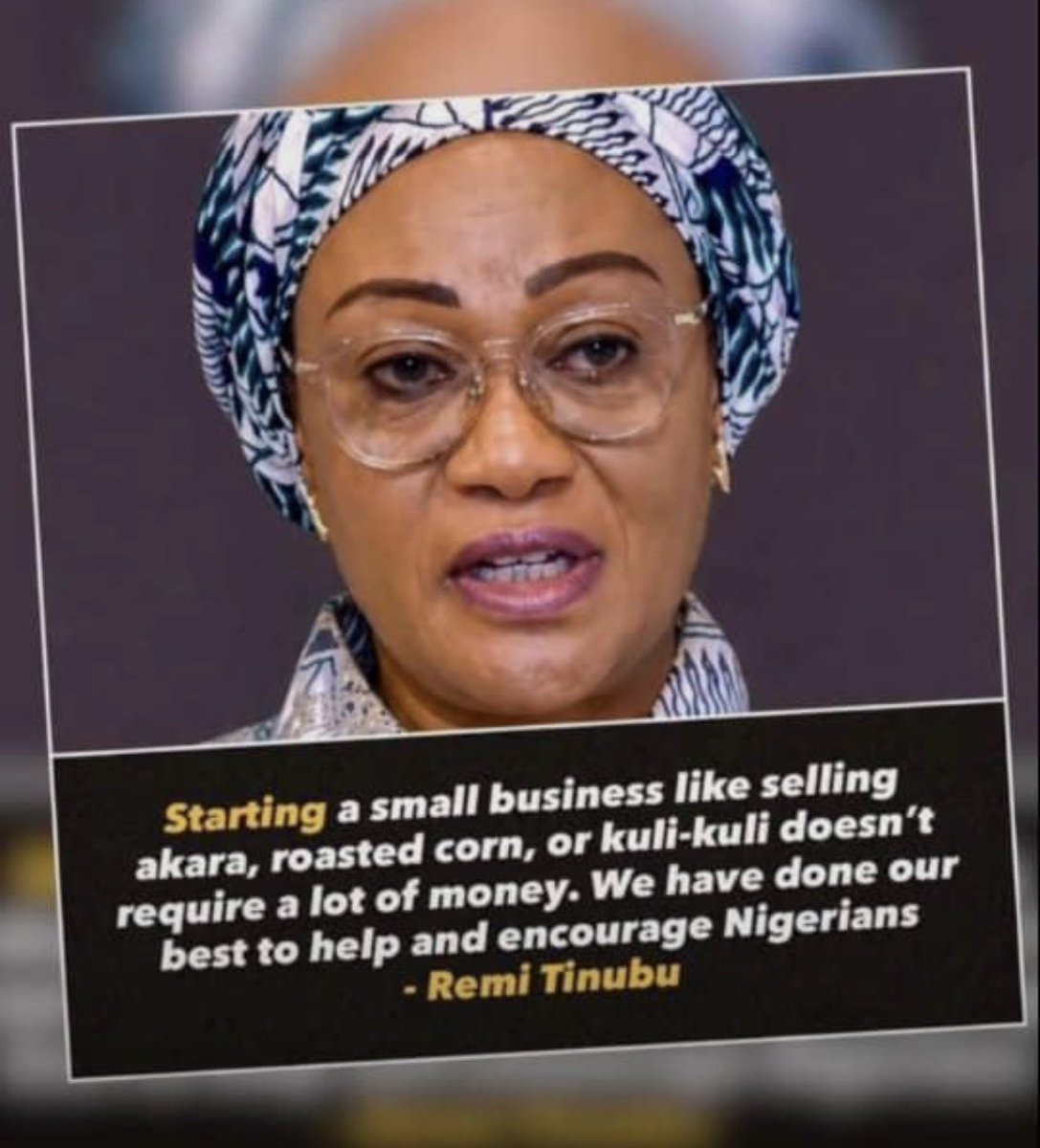
Who will produce the beans for the akara, the corn to be roasted and the groundnut for the kuli-kuli when farmers are buying fertilizers, herbicides and other expenses at a higher price than the value of the farm produce ?
Who will produce the beans for the akara, the corn to be roasted and the groundnut for the kuli-kuli when farmers are buying fertilizers, herbicides and other expenses at a higher price than the value of the farm produce ?
Who will produce the beans for the akara, the corn to be roasted and the groundnut for the kuli-kuli when farmers are buying fertilizers, herbicides and other expenses at a higher price than the value of the farm produce ?
Who will produce the beans for the akara, the corn to be roasted and the groundnut for the kuli-kuli when farmers are buying fertilizers at a higher price than the value of the farm produce ?