In 1970, the River Lea meandered through a landscape of industrial remnants and green spaces, serving as a vital waterway in East London. The river, which had been central to the area's development for centuries, was flanked by a mix of warehouses, factories, and stretches of wild vegetation. Along its banks, remnants of the industrial revolution still loomed, with disused mills and old brick structures hinting at a time when the river was bustling with trade and activity.
Despite the industrial backdrop, the River Lea offered a sense of tranquility amid the urban sprawl. Fishermen cast their lines, while families picnicked along the banks, enjoying the lush greenery that had begun to reclaim parts of the area. The sounds of water flowing and birds chirping provided a stark contrast to the clamor of nearby factories, creating a unique coexistence of nature and industry. The river also served as a pathway for recreational activities, with locals cycling or walking along the towpaths, making it a popular spot for leisure.
The 1970s were a period of transformation for the River Lea and its surroundings, as plans for redevelopment and urban renewal began to emerge. Community initiatives aimed at cleaning up the river and restoring its natural beauty were gaining momentum, reflecting a growing awareness of environmental issues.
This marked the beginning of a shift in how the river was perceived—not just as an industrial artery but as a cherished natural resource that held potential for recreation and biodiversity, setting the stage for future revitalization efforts in the years to come.
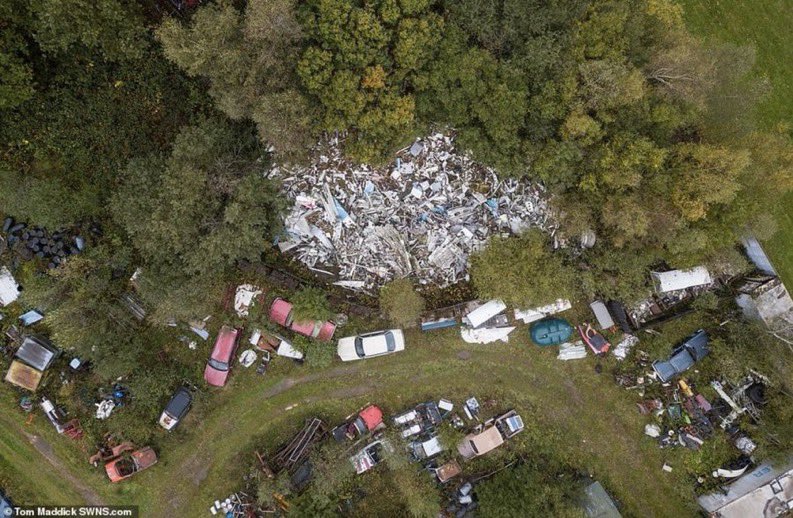
Remnants of Pan Am 103, which exploded over Lockerbie in 1988, claiming the lives of over 250 people. This wreckage has been left in a scrapyard for over 30 years.
Pan Am Flight 103 operated as a routinely scheduled transatlantic flight from Frankfurt to Detroit with layovers in London and New York City.
On the evening of December 21, 1988, a bomb detonated aboard the aircraft while it was flying over the Scottish town of Lockerbie.
This tragic event, known as the Lockerbie bombing, resulted in the destruction of the plane and the loss of all 243 passengers and 16 crew members. Large portions of the aircraft crashed into a residential street in Lockerbie, claiming the lives of 11 residents. The total fatalities amounted to 270.
After a collaborative three-year investigation, arrest warrants were issued for two Libyan nationals in November 1991. In 1999, Libyan leader Muammar Gaddafi surrendered the two men.
By 2003, Gaddafi acknowledged Libya's responsibility for the Lockerbie bombing and provided compensation to the victims' families. However, he maintained that he had never personally ordered the attack.
Top 19 Major historical and biological HORSE breeds from around the world.
From the majestic Arabian to the powerful Clydesdale, each breed tells a unique story of heritage, strength, and grace.
🧵A Thread 🧵
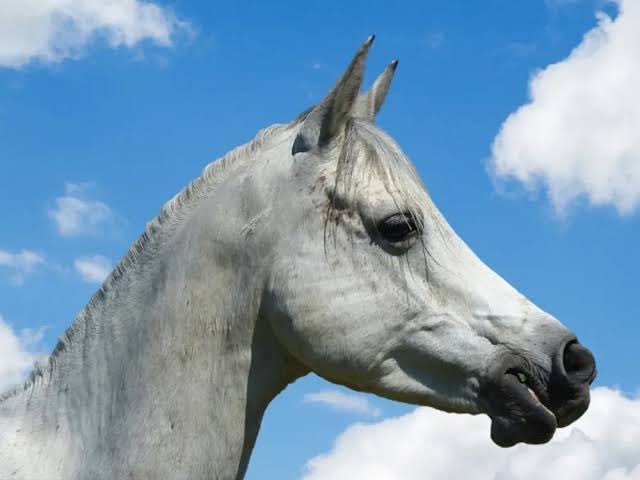
1. The Arabian Horse
Arabians usually have dense, strong bone, and good hoof walls. They are especially noted for their endurance, and the superiority of the breed in endurance riding competition demonstrates that well-bred Arabians are strong, sound horses with superior stamina.
The Arabian breed is a compact, relatively small horse with a small head, protruding eyes, wide nostrils, marked withers, and a short back. It usually has only 23 vertebrae, while 24 is the usual number for other breeds.
In 1999, Eminem and Mark Wahlberg (also known as Marky Mark in his earlier music career) both appeared on MTV’s Total Request Live (TRL), hosted by Carson Daly. The episode became memorable due to a slightly tense and awkward interaction between the two.
This stunning photo from a park’s visitor center shows a woman sitting in the arms of a saguaro cactus, holding a cup and intensely focused on one of the giant cactus’ arms.
The woman is a pioneer scientist named Dr. Alice McLaughlin Boyle, and she is testing a treatment of penicillin to cure a disease believed to be killing saguaros at the park. The photo is undated but probably was taken at the end of the 1940s, when many saguaros were observed to be dying.
Alice Boyle was a brilliant scholar, mentor to many grateful students and, according to a 1985 issue of Arizona Land and People, “a determined fighter for professional equality with men – at a time when there was no organization to support her, only confidence in her qualifications.” Dr. Boyle received the very first PhD ever granted in Plant Pathology at the UA and went on to become a major professor there. Her PhD research focused on how bacterial diseases were carried between saguaros by a small, nocturnal moth. As professor she continued to study saguaros but also conducted research on diseases of pears, apples, and other agricultural plants.
We are not the first to salute this amazing woman! According to Arizona Land and People, Alice was named “Tucson Woman of the Year” in 1964.
(DS; 📸, NPS)
Located in the Phrygian Valley in Turkey, Göynüş Valley is home to a vast array of Phrygian monuments, including 40 tombs, making it the largest known Phrygian necropolis to date.
The valley also features rock tombs from the Roman period, as well as Byzantine churches and chapels carved into the rocks. One of the most famous Phrygian tombs is locally known as Yılantaş, or the Snakes' Rock.
Interestingly, the monument does not depict snakes but rather lions, leading researchers to call it The Broken Lions' Rock. The confusion regarding its name and original appearance stems from its deteriorated condition.
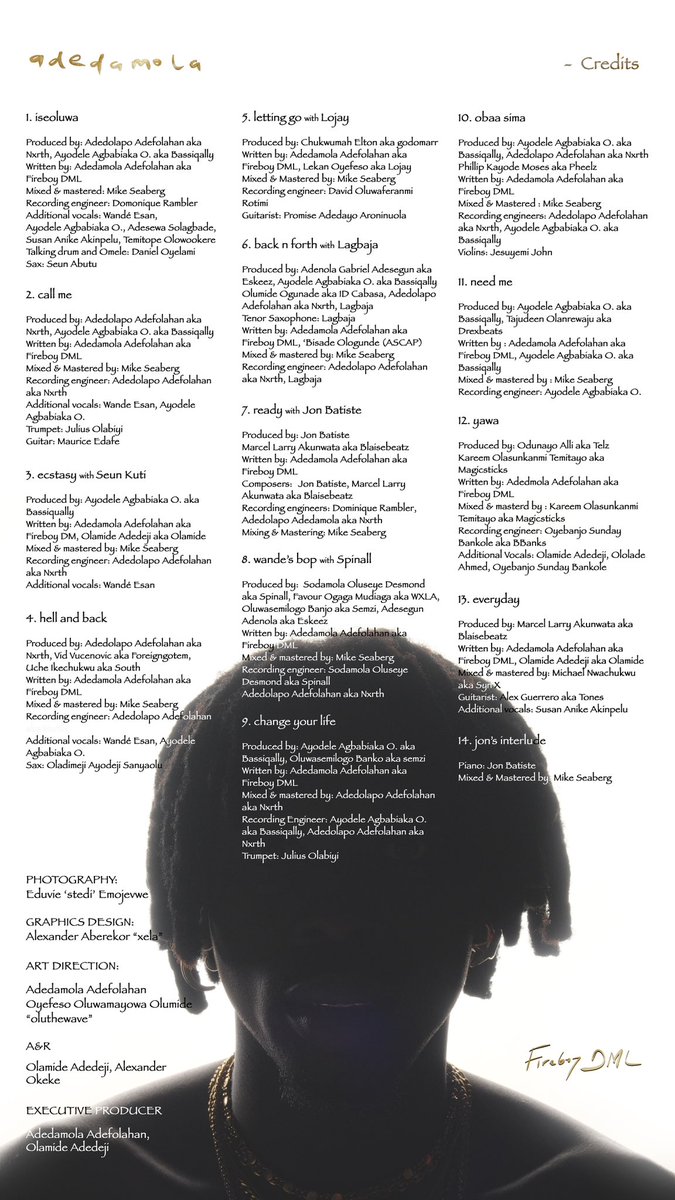
life has been good to me;
i do not take this with levity.
nothing is new to me
but low key, i’m grateful for everything
the good and the bad and the ugly,
all of the joy and the suffering
and then it dawned on me —
all that i seek is in front of me.
#iseoluwa#adedamola
Four years ago today, I took the biggest leap of my career and created Afro Pop Vol 1. It was a journey filled with fear and uncertainty, but it transformed my life in ways I couldn't have imagined. Today, I am deeply grateful for taking that risk and believing in my vision.