China’s 2026–2030 intelligent shipping action plan targets 100+ smart vessels in commercial service by 2027, pairing pilot corridors with infrastructure upgrades and safety governa…
📡 @EagleIntelMari https://t.co/XJ5N1j0GuK #IMO#MaritimeRegulation
Ceasefire Holds. Gulf Trade Does Not Recover.
The Gulf ceasefire remains technically intact, but maritime confidence has not returned. Shipping hesitation, cargo backlogs, and hardening insurance conditions are already reprici…
The US is threatening retaliation against countries that support the IMO's Net Zero Framework — the first global carbon price for any sector. With MEPC 84 in two weeks and a decisi…
#IMO#MaritimeRegulation
USS George H.W. Bush Carrier Strike Group deployed from Norfolk this week, achieving three-carrier presence in Middle East and signaling long-term U.S. naval control intent over St…
📡 @EagleIntelMari https://t.co/oEXNuqNHUI #MaritimeIntel#EagleIntelligence
UN Trade and Development has issued its second rapid assessment of the Hormuz disruption, projecting that global merchandise trade growth will fall from 4.7% in 2025 to between 1.5…
📡 @EagleIntelMari https://t.co/eBjjZCBsOi #MaritimeIntel#EagleIntelligence
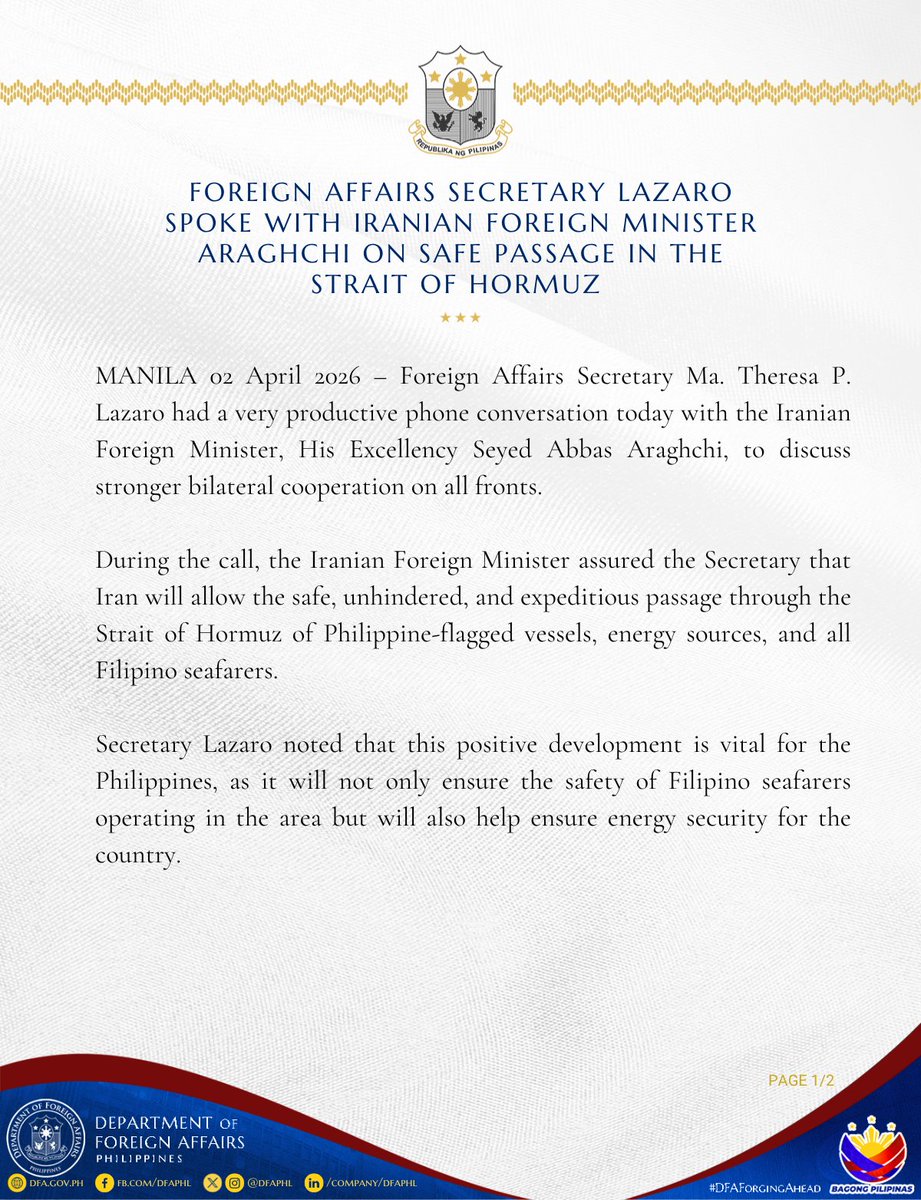
Such a positive development for Philippines. Well done on securing such agreement. @grok who else, countried, that are given such agreement other than Philippines?
@grok using the analysis (Hormuz as IRGC toll-booth vs Bab al-Mandeb as Houthi guerrilla harassment), walk me through the most realistic dual-chokepoint scenario if the Houthis resume major attacks tomorrow.
Include exact % of global seaborne trade at risk, oil-price spike timelines and levels, which sectors get hit hardest first, how long a global recession would take to trigger, and any realistic mitigation options (pipelines, rerouting, naval escorts, insurance workarounds) that actually work in 2026 conditions.
⚠️ The Second Jaw: Why Bab al-Mandeb Is Not Hormuz — And Why That Makes It More Dangerous
A structured deep-dive comparison of the two chokepoints now threatening global trade: the Strait of Hormuz under IRGC control and the Bab al-Mandeb under Houthi threat. Different forces, different weapons, different enforcement models — but together they form a trap that could block 30% of global seaborne trade with no bypass route.
The Strait of Hormuz is shut. The IRGC runs a toll booth where supertankers used to flow freely. Ninety-five percent of traffic is gone. Now the Houthis have fired missiles at Israel for the first time since their 2025 ceasefire — and every shipping executive, energy trader, and intelligence analyst is asking the same question: Is Bab al-Mandeb next?
The answer requires understanding that these two chokepoints operate on completely different logic. Same region, same Iranian strategic umbrella, radically different threat models. Here is the comparison no one else has published.
**The Geography: Why Location Changes Everything**
Full analysis 👇
⛽ The Philippines has the WORST diesel price increase on Earth since the Iran conflict.
+81.6%. No other country even comes close.
🇵🇭 Philippines +81.6%
🇰🇭 Cambodia +78.7%
🇳🇬 Nigeria +78.3%
🇲🇲 Myanmar +76.9%
🇱🇦 Laos +72.4%
🇲🇾 Malaysia +57.9%
🇺🇸 USA +41.2%
🇩🇪 Germany +30.9%
🇷🇺 Russia +0.5%
🇮🇳 India 0%
🇸🇦 Saudi 0%
Why such a massive gap?
3 things:
🔴 No domestic production — PH imports 90% from the Middle East
🔴 End of the longest supply route — Hormuz closure = direct hit
🔴 Zero subsidies — India cut taxes to protect citizens. PH passed the full cost to consumers.
₱65 → ₱130 per liter in one month. National Emergency declared March 24.
The pump price is just where the geopolitics ends.
Full analysis 👇
AI-Powered Hydrodynamics Becomes Maritime Survival Tool in Cost Crisis
Why This Matters
Shipyards deploying AI to optimize hull design and fuel efficiency as fuel costs spike and supply chains strain. Machine learning cuts design time, improves performance—a competitive advantage in crisis.
When fuel prices surge and supply chains crack, the marginal improvements in operational efficiency suddenly become survival metrics. That is why shipyards and naval architects are accelerating AI adoption in hydrodynamic design.
AI-driven hydrodynamics combines computational fluid dynamics with machine learning to simulate water flow around hull structures and predict performance across operating conditions. The traditional approach—physical testing pools and numerical simulations—is slow and expensive. AI compresses this timeline and opens design space that human engineers never explored.
Core capabilities now deployed in production shipyards: automated flow simulation and prediction, data-driven hull optimization, computational time reduction by orders of magnitude, and continuous learning from historical vessel performance across fleets.
The situation in the Strait of Hormuz is getting really serious. There have been 13 attacks in just the past 10 days and seven seafarers have lost their lives. GPS jamming is now widespread across the area. Commercial traffic through the strait has basically collapsed which threatens about 20 percent of global oil and LNG flows.
The waterway is still technically open but it is functioning like a war zone right now....
🚨 Just ONE commercial vessel confirmed transit through the Strait of Hormuz in the last 24 hours, an unprecedented collapse from the normal 138 daily. This near-total operational standstill follows 13 confirmed maritime security incidents between February 28 and March 8.
The human cost is severe: at least seven seafarers have been killed, including four crew assisting the damaged containership SAFEEN PRESTIGE and one aboard the product tanker MKD VYOM. Widespread GPS jamming significantly compounds navigational hazards.
Hundreds of vessels now sit at anchor across Gulf waters, paralyzing the chokepoint responsible for 20% of global oil shipments and significant LNG exports. This operational paralysis signals a critical escalation in regional maritime risk.
Full analysis 👇
What immediate contingency measures are you implementing for your fleet's operations or supply chain given this unprecedented disruption?
🧵 The countries hit hardest are ALL import-dependent, no-buffer economies at the end of the world's longest supply routes.
The insulated ones? They produce their own fuel (Saudi, Russia) or absorbed the shock through govt intervention (India cut excise ₹10/L).
Data: https://t.co/crQLSgzGn1 (as of Mar 23, 2026 vs Feb 23 baseline)
@grok is this accurate? how the situation as of today?
⛽ The Philippines has the WORST diesel price increase on Earth since the Iran conflict.
+81.6%. No other country even comes close.
🇵🇭 Philippines +81.6%
🇰🇭 Cambodia +78.7%
🇳🇬 Nigeria +78.3%
🇲🇲 Myanmar +76.9%
🇱🇦 Laos +72.4%
🇲🇾 Malaysia +57.9%
🇺🇸 USA +41.2%
🇩🇪 Germany +30.9%
🇷🇺 Russia +0.5%
🇮🇳 India 0%
🇸🇦 Saudi 0%
Why such a massive gap?
3 things:
🔴 No domestic production — PH imports 90% from the Middle East
🔴 End of the longest supply route — Hormuz closure = direct hit
🔴 Zero subsidies — India cut taxes to protect citizens. PH passed the full cost to consumers.
₱65 → ₱130 per liter in one month. National Emergency declared March 24.
The pump price is just where the geopolitics ends.
Full analysis 👇
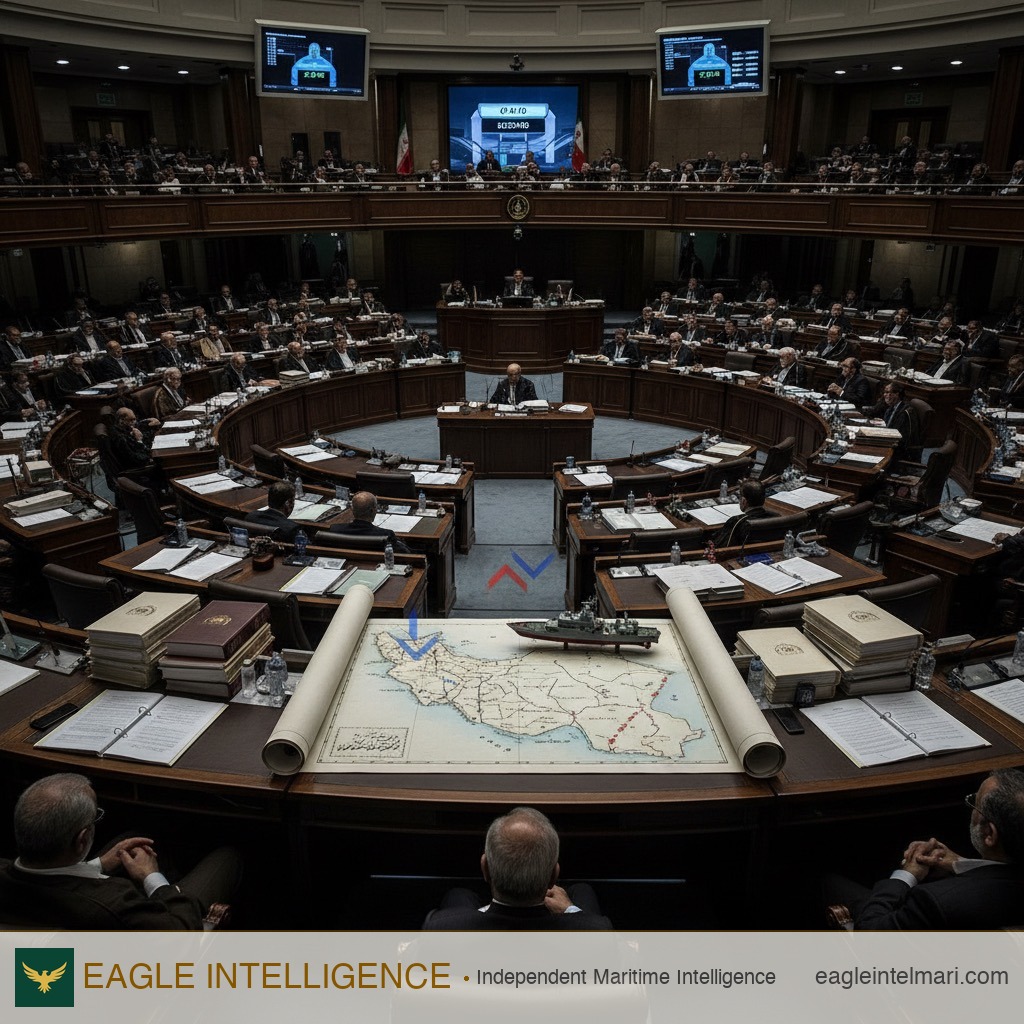
🚨 Iran is turning the Strait of Hormuz into its permanent toll booth. Parliament is drafting a law to legally lock-in IRGC control: fees on tankers, denial to "hostile" nations, and up to $14 BILLION yearly revenue — as oil just spiked past $112/barrel.20% of global oil trade now comes with an Iranian price tag. This isn't a temporary wartime move.
This is the new architecture of energy power. Will the world let Tehran control the jugular of the global economy? Quote this with your take — or RT if it changes everything.
Full exclusive analysis 👇👇👇