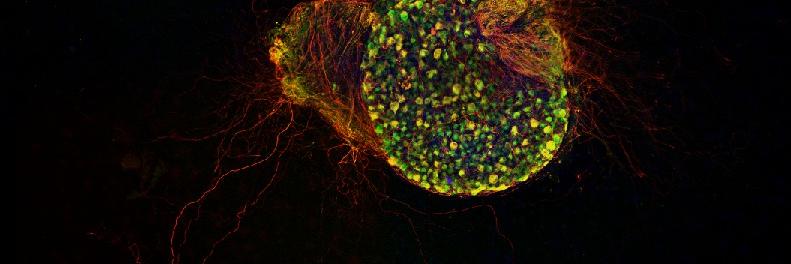
Our #articledeldia is a study led by Dr Raül Andero suggesting that assessing the relationship between estradiol and progesterone could help better understand how memory works.
Read it: https://t.co/Iu72uRkEvm
🧵👇
The results showed that while individual hormone levels had some influence, the most important factor was their combination. Specifically, a higher progesterone-to-estradiol ratio predicted better fear extinction in both humans and mice.
Great poster presentations by our PhD Researchers at the XXII Department of Biochemistry and Molecular Biology Scientific Meeting-June 2 & 3,2026 @UABBarcelona@medicinauab@INC_UAB
Excellent #incuabseminar by Dr. Daniel Pacheco, on how the brain flexibly organizes and update memories? Using intracranial recordings in epilepsy patients and deep neural network models, he and his team explore how memory representations change across tasks and time scales.
10/12-year-old students from the CROMA programme, organized by the Fundació Autònoma Solidària, visited our lab yesterday. We loved discussing science with them!
Professor Raül Andero Galí delivered a lecture today, entitled Translational Mechanisms of Fear Memory, at the National Institute of Biological Sciences in Beijing, China. Bringing our research far and wide!
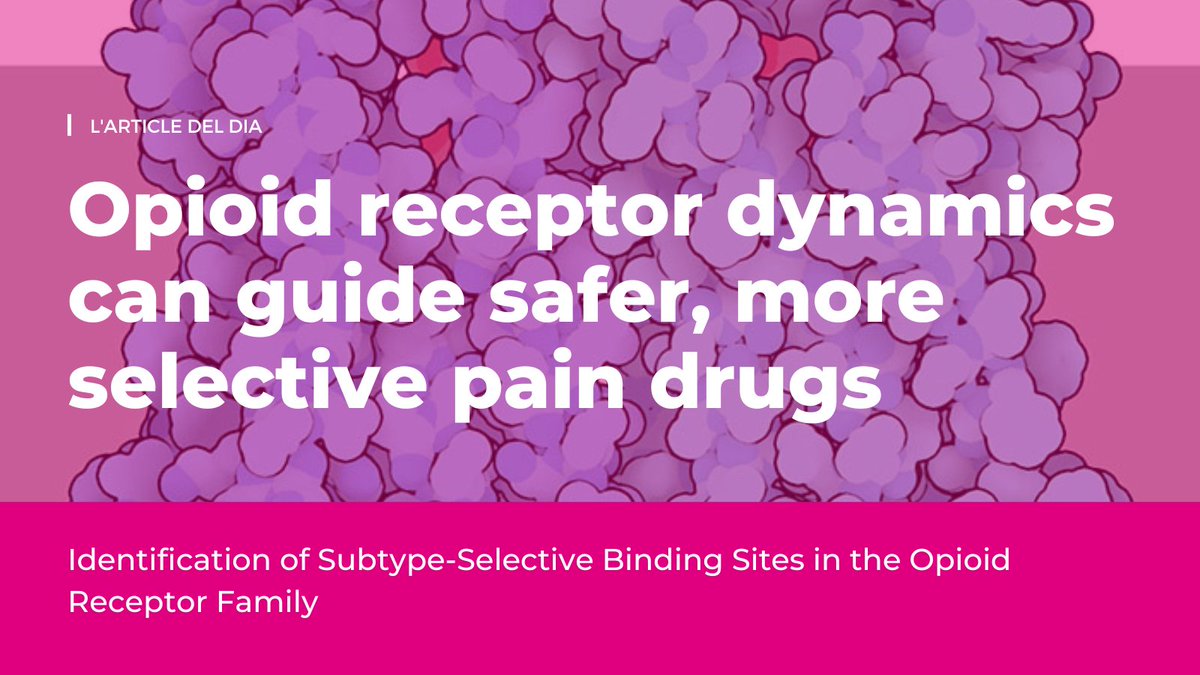
In a study led by Dr. Jesús Giraldo, researchers combined computational methods to understand why certain drugs preferentially bind to one kind of opioid receptor over another.
Read our #articledeldia here: https://t.co/FFLnYaFugm
Overall, the study, published in Acta Neuropathologica Communications, shows tau buildup is mainly due to poor clearance, not overproduction, pointing to boosting cellular cleaning systems as a promising therapeutic strategy for Alzheimer’s and related dementia diseases. (7/7)
In a study coordinated by Dr @CarlesSaura@sauralab, researchers used human samples, patient-derived cells, and mouse models to investigate the causes of protein accumulation in Alzheimer’s disease.
Read the #articledeldia here: https://t.co/FwyoaB1qss
More info🧵👇 (1/7)
When degradation fails, neurons try an alternative strategy: they release tau outside the cell, suggesting a compensatory mechanism when internal clearance systems are overwhelmed or blocked. (6/7)