We’re proud to launch HATCH—our Health Advocacy Training and Collaboration Hub—today, which is a free online platform full of courses, toolkits, case studies and resources for global health advocates. Learn more: https://t.co/nLK39n9bux
#LearnWithHATCH#HATCHinAction
Remember when a football legend pushed Big Soda off the table? During the 2026 World Cup, it's our turn. Big Soda spends billions marketing sugary drinks to kids through the sports we love. Add your name to end Big Soda sponsorships 👉 https://t.co/NL5RyjCi1D #KickBigSodaOut
The House E&C Health Subcommittee will mark up 15 bills June 25, including xylazine, nitazenes, overdose alert systems, Medicare Advantage transparency and prior authorization. Watch whether the illicit drug package strengthens public health tools, not just enforcement.
We're celebrating #OneYearOfHATCH! Join us today as we reflect on the partnerships, collaboration and learning that made this first year possible—including being recognized as an award nominee along the way. https://t.co/U0mPUuYV5v
We spoke with Elizabeth Orlan + Sofía Rincón Gallardo Patiño about new AJPH research on ultra-processed products. Their insight: this isn’t accidental—UPPs were engineered using Big Tobacco’s playbook.
Read more 👉 https://t.co/Wr01ECXaHZ
The list of health harms tied to Big Tobacco keeps growing. We’ve known that tobacco companies intentionally designed cigarettes to create and sustain addiction and aggressively marketed them to kids, while denying it all.
According to new research, tobacco companies applied that same playbook to the development and marketing of ultra-processed food products, engineering these unhealthy products to keep consumers – including kids – coming back from more.
It’s one more way in which Big Tobacco has contributed to the rise of cardiovascular disease, cancer and other serious diseases.
More from @washingtonpost: https://t.co/W183R5Dfi7
New @TheLancet study by @gparaje et al. finds Chile’s front-of-package warning labels + marketing + school food restrictions reduced child obesity, providing evidence that coordinated national food policies can directly improve health. https://t.co/cgfEZMbK0X
Ultra-processed product brands use the World Cup to market harmful products to kids then call it sponsorship. UPPs drive obesity and diet-related disease worldwide. Time to @KickBigSodaOut by 2030. 👉 https://t.co/OVc4pdgMP4
TODAY at 11 a.m. ET: @AJPH launches "Big Food's Tobacco Moment." New U.S. research on ultra-processed foods, Big Tobacco's role in scaling them up, and how regulation & litigation can fight back.
📋 https://t.co/S71lPDaF3p
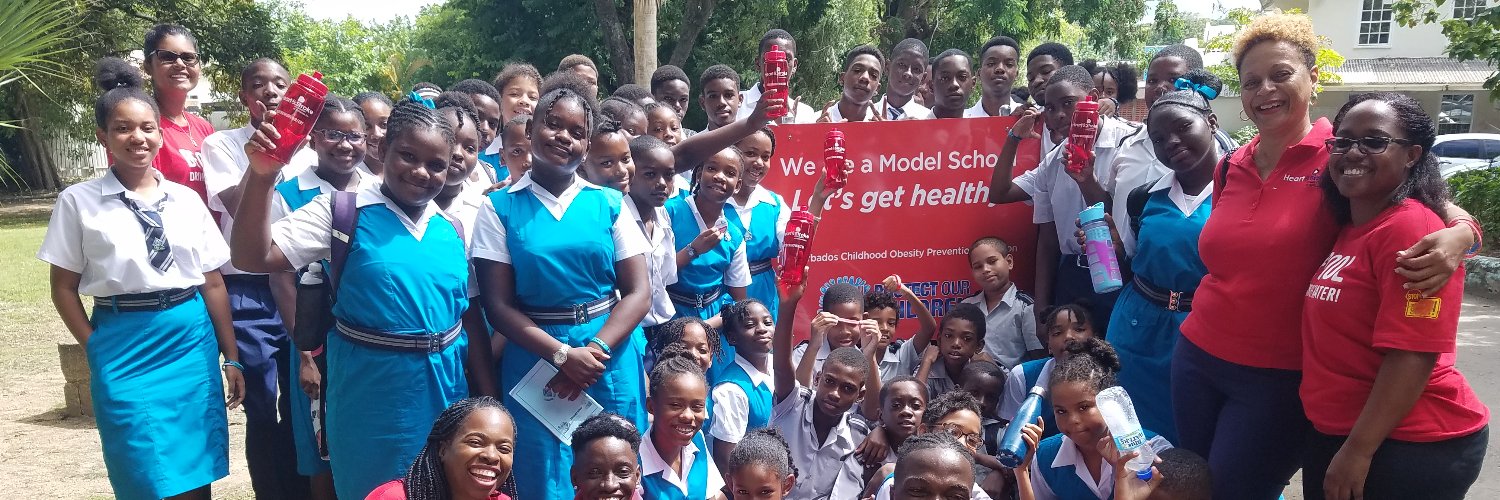
This didn't happen overnight. Nearly a decade of persistence by @heartjamaica, CAIHR at The University of the West Indies and @youthadvocateja built the proof, public support and relationships with decision-makers to make it reality.
3/3
As of May 1, Jamaica taxes sweetened beverages for the first time.
The new Special Consumption Tax signals what advocates have long argued: like tobacco and alcohol before them, sugary drinks warrant decisive action.
https://t.co/o1M1lqpyIW
1/3
The stakes are high. NCDs account for 80% of all deaths in Jamaica, and SBs drive nearly half the diet-related diabetes burden.
Making them more expensive is a concrete step toward protecting the next generation's health.
2/3
The World Cup brings massive crowds, packed venues and visitors from around the world. It also brings the same public health challenges, including overdose emergencies.
Host cities should make overdose response part of match-day readiness. https://t.co/8Kh0g1uNxP
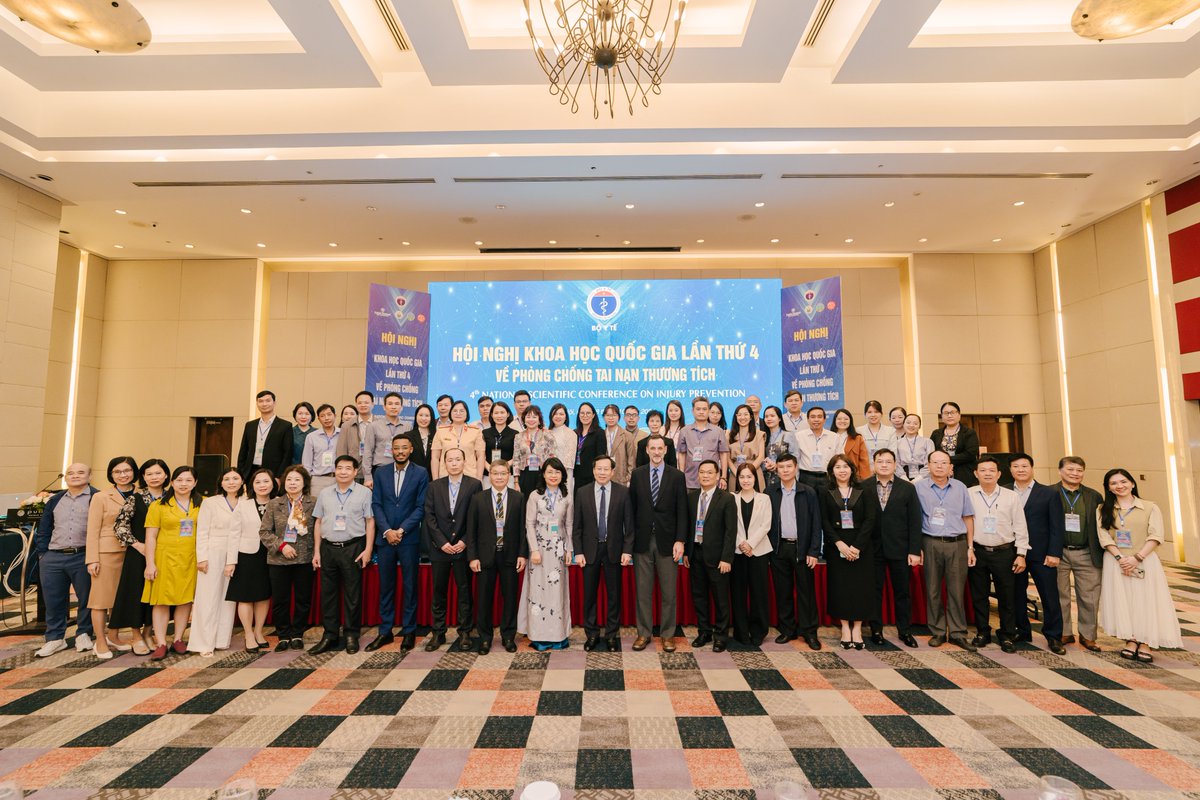
We're excited about this milestone and are looking forward to continuing the work with Vietnam to support implementation and help reduce deaths and disability from injuries.
GOOD NEWS: This month, the Ministry of Health issued a framework for community-based injury surveillance, including drowning prevention. Injury tracking is now a legal requirement, with clear responsibilities for local authorities and health facilities for the very first time!
New evidence: expanding take-home methadone did not increase overdose rates, hospitalizations or other adverse outcomes among commercially insured people with OUD. Access and safety are not opposites. Policy should follow the data, not stigma.
https://t.co/9pzWVBbPfk
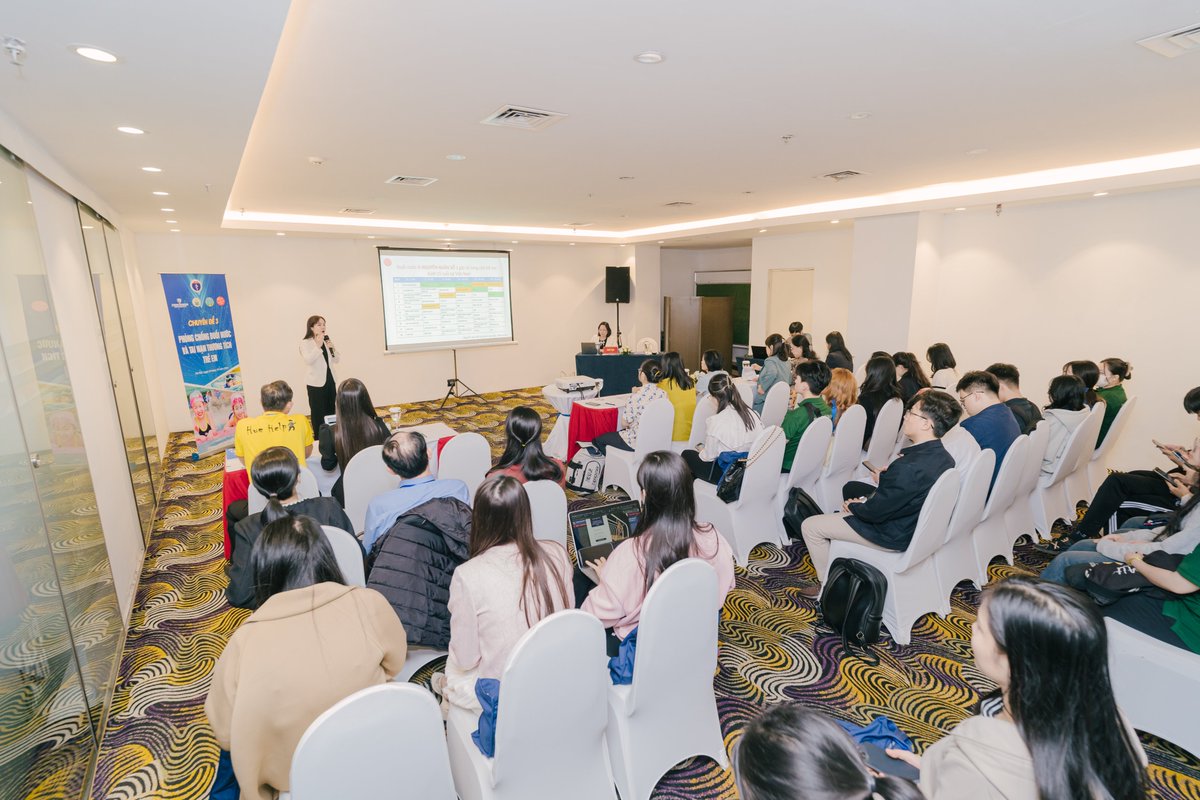
In Hanoi, GHAI's Dr. Evelyn Gitz and Le Thi Thu joined @WHOVietnam, HealthBridge, the Global Food Research Program at UNC Chapel Hill, and local partners for a technical exchange on healthier food environments. 1/3
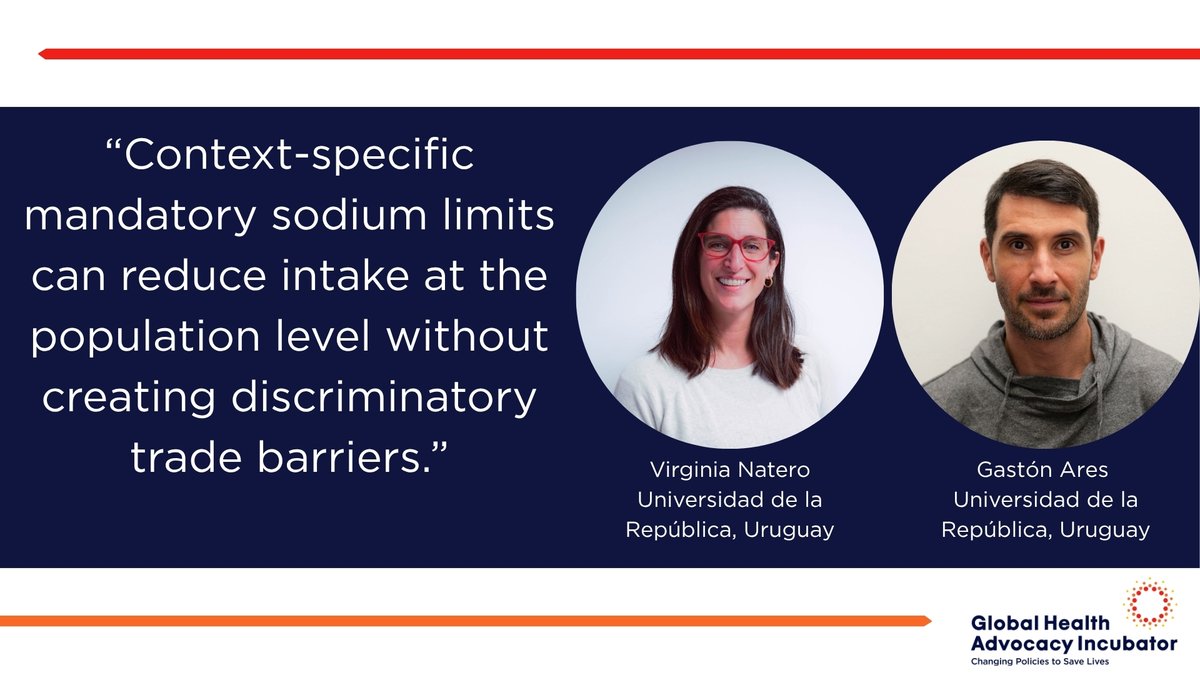
Mandatory sodium targets save lives. Our position paper with Resolve to Save Lives gives advocates 10 best practices to act on to protect public health. https://t.co/2kSDPuSLFb
This #SaltAwarenessWeek, we're amplifying research from @virnatero, Gastón Ares and colleagues & @Udelaruy colleagues debunking a top industry myth: mandatory salt reduction targets don't violate trade rules.