On the cover of our #LatestIssue: #Lichens and #mosses, characteristic vegetation of climatically harsh environments, thriving side by side on Léonie Island, #Antarctica. Image courtesy of Inger K. de Jonge.
📖 See de Jonge et al. https://t.co/ZbUo53pGMk
@WileyPlantSci
Flexible or fortified? How lichens balance defense strategies across climatic harshness gradients
de Jonge et al. @IngerKdeJonge@peteconvey
📖 https://t.co/H801MXimqU
Greening rates are sensitive to methodology and biology; comment to Sustained greening of the Antarctic Peninsula observed from satellites https://t.co/FwvM8Zo2It
This paper has received much media and instiutional attention recently, however we have serious concerns with it
🐜Fungus-growing termites select litter high in tannins, boosting decomposition & potentially enhancing nutrient recycling. This key role of secondary compounds highlights complex #termite-#plant interactions!
@IngerKdeJonge@hanolff@michielveldhuis https://t.co/UMXDyP6BHP
New & #OpenAccess in @ESAMonographs: Can plant traits explain why woody plant encroachment in grasslands can be so variable? A new framework tests this idea with data from the greater Serengeti-Mara ecosystem
https://t.co/f8wSYplQDp
@michielveldhuis@hanolff
🦒#Didyouknow that today is #WorldGiraffeDay!?🦒 In this article, de Jonge et al. looked at spatiotemporal habitat use of large African herbivores, including giraffe, across a conservation border.🦓🦒🐃 You can find their article at https://t.co/KsL9y4VTN5
#conservation#science
Out now
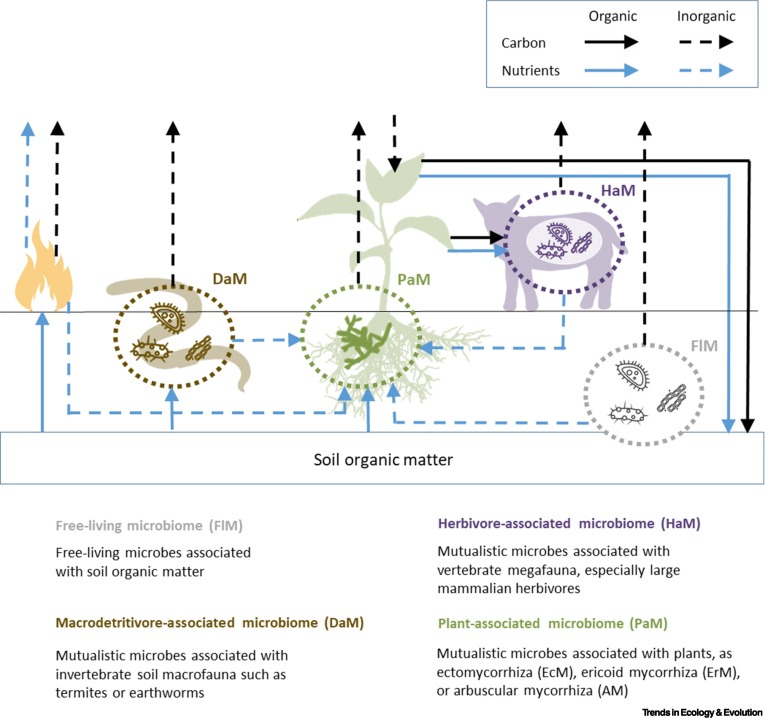
Review by Inger de Jonge, Michiel Veldhuis, Hans Cornelissen, Matty Berg & Han Olff
The metamicrobiome: key determinant of the homeostasis of nutrient recycling https://t.co/ZJZbBrxp35