Climate change is no longer a future threat, it is affecting lives, health, and communities today.
From rising temperatures and flooding to disease outbreaks and food insecurity, the climate crisis continues to deepen existing health challenges, especially for vulnerable populations.
This World Environment Day, the Vaccine Network for Disease Control (VNDC) joins the global call for Climate Action. Protecting our environment means protecting human health, strengthening community resilience, and creating a safer future for generations to come.
Every action counts:
🌱 Plant and protect trees
♻️ Reduce waste and recycle responsibly
💧 Conserve water and energy
🚶 Choose sustainable lifestyles
🤝 Advocate for climate-smart policies
A healthier planet means healthier people.
The time for climate action is now.
#WorldEnvironmentDay #ClimateAction #VNDC #HealthyPlanetHealthyPeople #ClimateAndHealth #SustainableFuture #EnvironmentalProtection #ActNow
@UN@UNICEF@FMEnvng@nehaorg
@aonanuga1956 Why don't you APC goons go and get this people?
Viewers discretion is advised, they high amount of violence and spilling of blood (the man who was beheaded by bandit)
@originalproflle Oga Nigerians dont want you anymore stop forcing ursef, at this juncture you need to not run for reelection because it would further undermine your statesmanship. Leave now while there’s no revolution ongoing. Anyone telling you otherwise is lying to you due to what they benefit.
In Sokoto, African locust bean trees are disappearing under the combined pressure of flooding and military counter-insurgency operations. For many rural communities, this is more than environmental loss — it is the erosion of food systems, livelihoods, and ecological resilience.
This story reminds us that environmental protection must remain part of conversations around security and climate adaptation.
Read the investigation: https://t.co/WSSYKMkTi1
Interested in telling similar biodiversity stories? Access our reporting toolkit and learn how to uncover environmental realities in your community here: https://t.co/CndYHhuN2K
#ClimateAction #TreeConservation #EnvironmentalSecurity #BiodiversityWeek #InternationalBiodiversityDay
📢 NEW PUBLICATION ALERT
“Recycled Trauma: Why Borno’s IDP Camp Closures Put Returnees in Harm’s Way”, by Dataphyte Foundation, examines how insecurity, repeated attacks, weak livelihood support, and fragile protection systems continue to endanger returnees across Borno State.
The policy brief highlights why durable solutions to displacement must go beyond relocation targets and prioritise safety, dignity, and long-term protection for displaced populations.
Read the full publication:
https://t.co/MRjpWbTIGS
#Borno #IDPs #HumanitarianCrisis @NigeriaGov
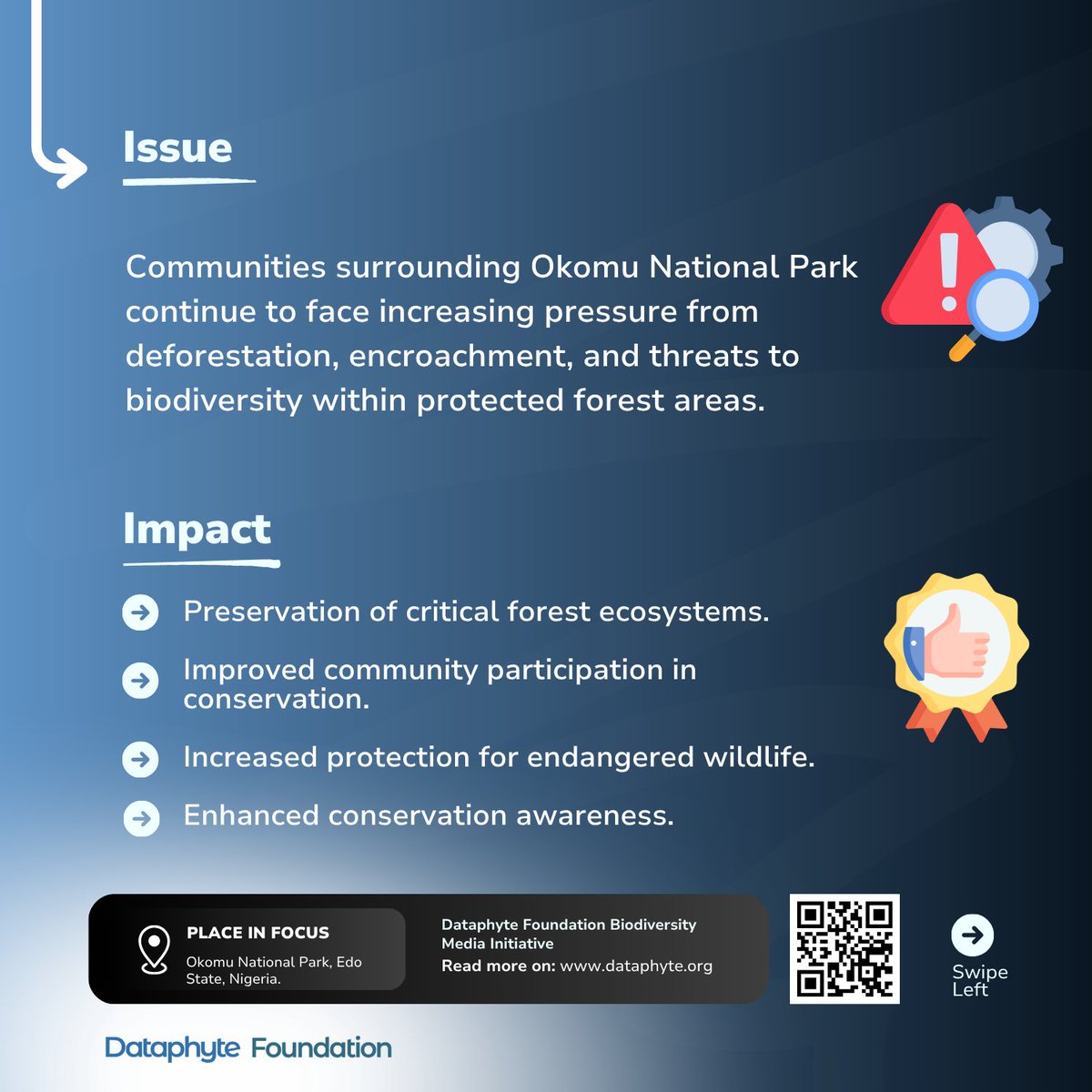
What happens when communities become the frontline defenders of biodiversity? Inside Okomu National Park, residents are partnering with conservation actors to protect forests and wildlife from growing environmental threats.
This story highlights how community-led conservation can shape the future of environmental protection in Nigeria. Read the full report: https://t.co/49XyHkisrC
Interested in telling biodiversity stories from your community? Access our biodiversity reporting toolkit and learn how to investigate conservation, climate, and environmental issues here: https://t.co/CndYHhuN2K
#InternationalBiodiversityDay #CommunityConservation #NatureProtection #BiodiversityWeek #ClimateAction
When we talk about methane emissions, it can sound distant and technical. But the truth is, it connects directly to the air we breathe, the heat we feel, and the changing climate conditions already affecting daily life across Nigeria.
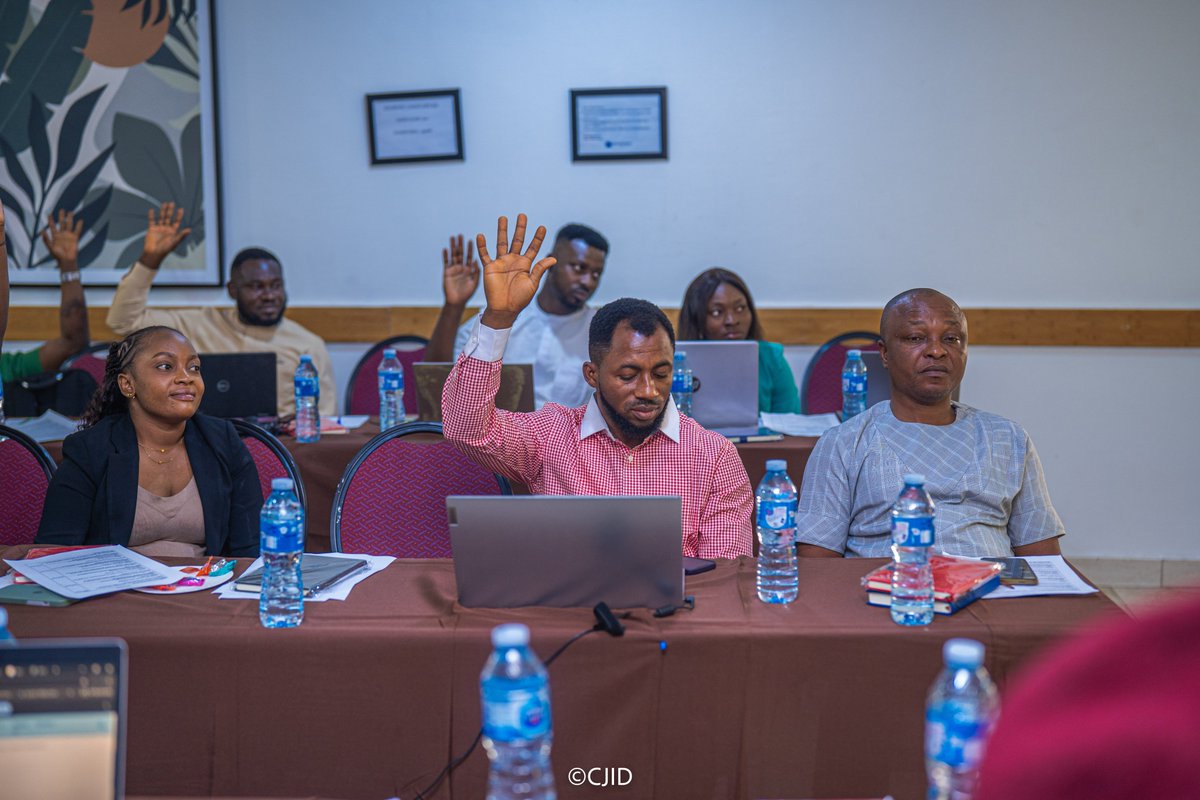
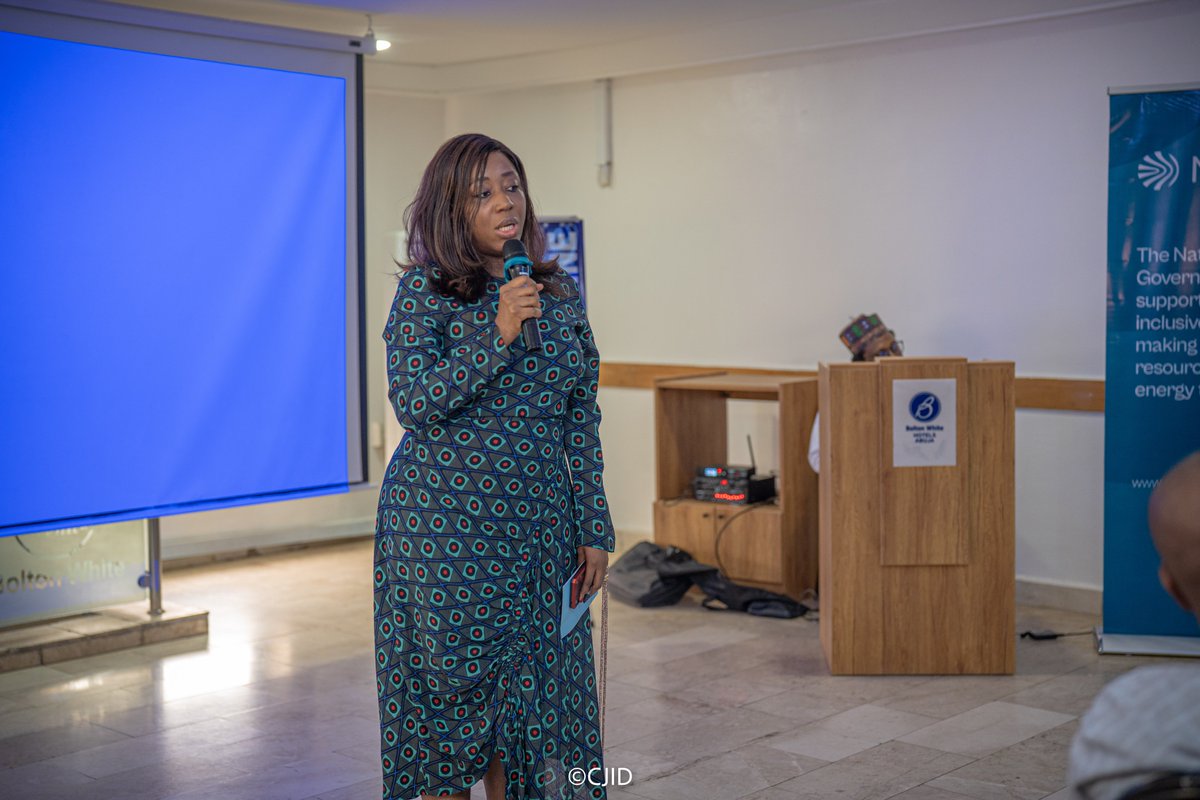
This is why the capacity-building session organised by the Centre for Journalism Innovation and Development (@CJIDAfrica and the Natural Resource Governance Institute (@NRGInstitute) mattered. The session brought together Dataphyte Foundation alongside other civil society and media partners to focus on a critical question, "how do we ensure that promises made by companies and governments on methane reduction are actually kept, and not just left on paper?"
Methane is a powerful greenhouse gas, and when it leaks from oil and gas operations, waste systems, or other industrial sources, it contributes significantly to rising temperatures. In practical terms, this means hotter days, warmer nights, and more pressure on health, farming, and even electricity demand.
During the session, participants explored how to strengthen corporate compliance and improve public accountability around methane reduction targets. But beyond the technical discussions, the underlying concern was simple: how do ordinary people know if the companies operating in their environment are truly reducing harmful emissions?
The conversation emphasised the need for stronger systems that make emissions data accessible, understandable, and usable, not just for experts, but for citizens and media who can translate it into public awareness and action.
For Dataphyte Foundation, the engagement reflects a continued commitment to making environmental governance more transparent and grounded in evidence. Because accountability does not begin in policy documents alone, it begins when people can clearly see how decisions and industrial activities affect their everyday lives.
Justice-related problems are a common occurrence in Nigeria, and data shows that many people are more likely to turn to informal institutions such as community leaders and religious authorities to resolve disputes than to the formal court system. This trend raises important questions about the relevance and responsiveness of Nigeria’s legal education curriculum offered in law schools and other legal training institutions.
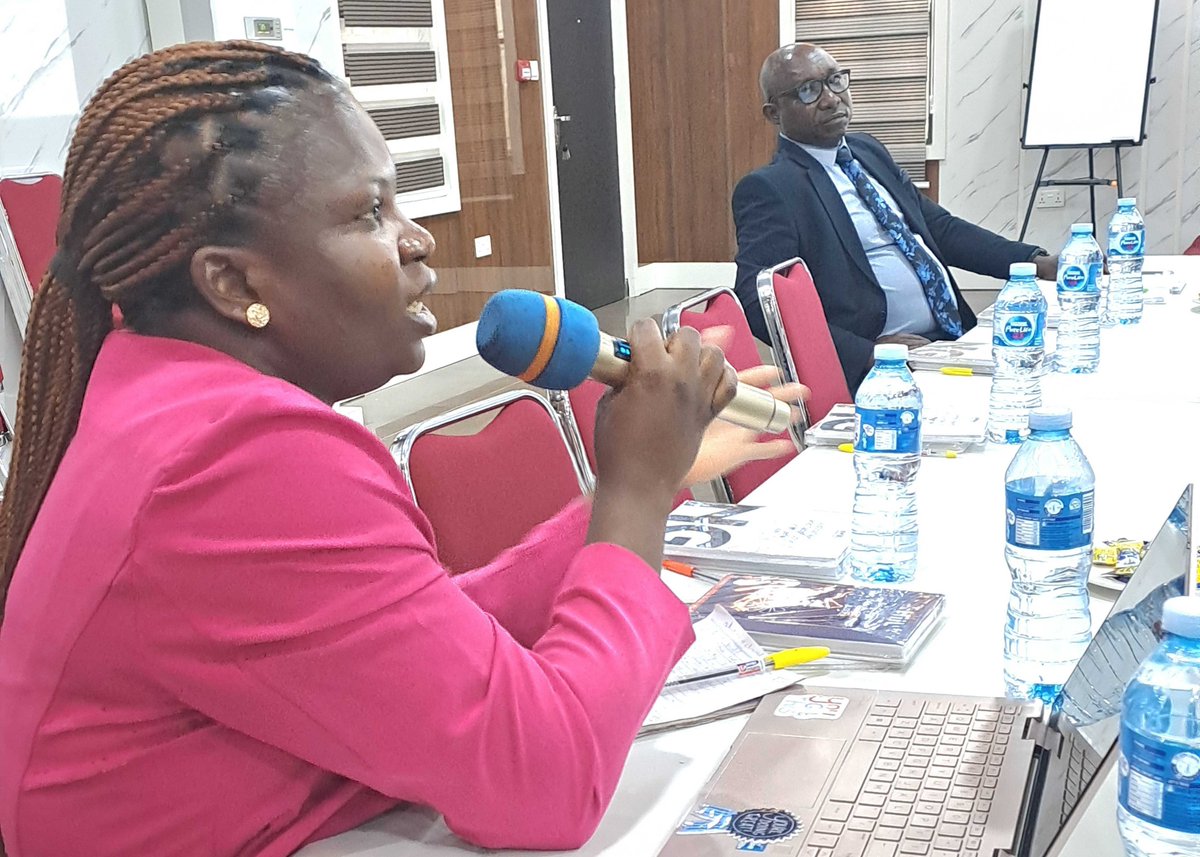
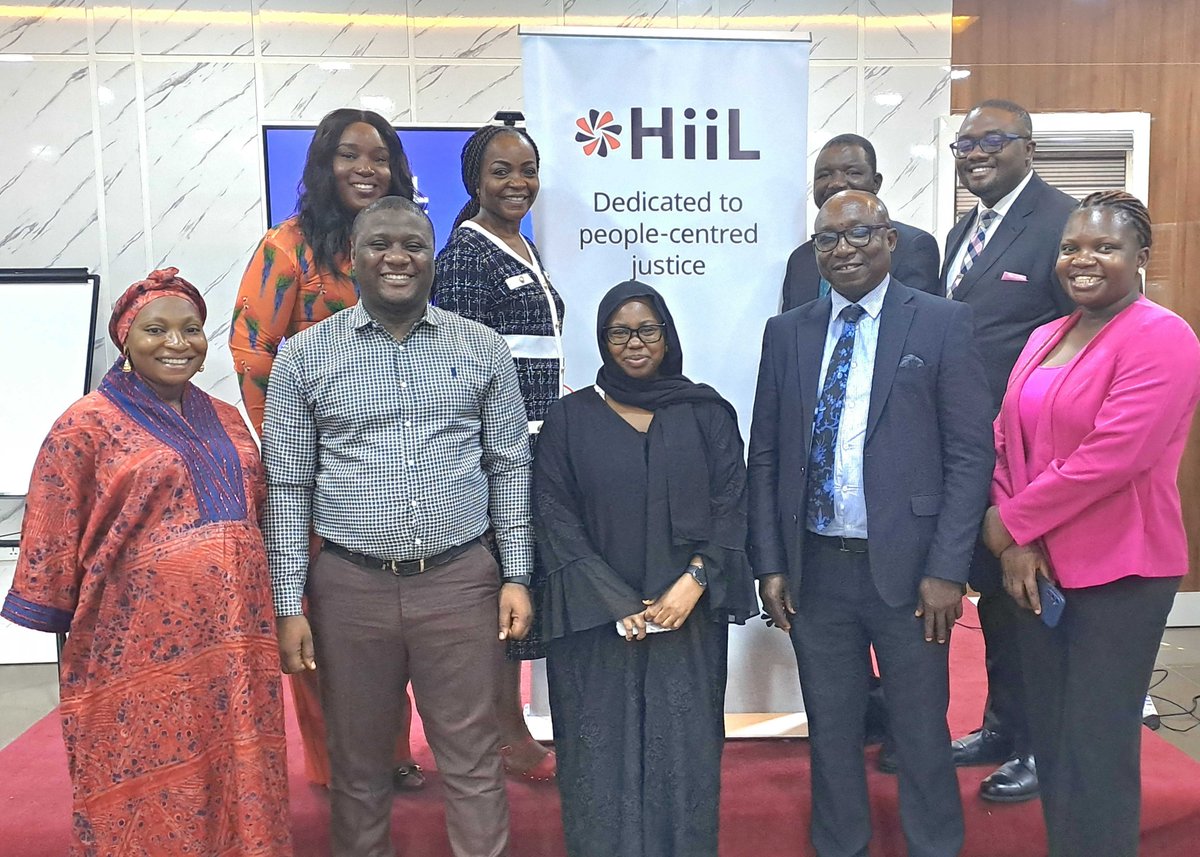
In order to deliberate on how Nigeria’s legal training and curriculum can better reflect emerging justice trends, Dataphyte Foundation joined stakeholders from the Nigerian Law School, the Department of Law at the University of Abuja, and other partners at the inaugural meeting on integrating Justice Needs and Satisfaction (JNS) data into Nigeria’s legal education curriculum, organised by the Hague Institute for Innovation of Law.
The dialogue focused on reviewing existing legal courses at both the undergraduate level and at the Nigerian Law School, and identifying opportunities to integrate insights from JNS data into teaching and training. The overall goal of the process is to ensure that legal education and curriculum design are more aligned with lived justice realities, and that future legal professionals are equipped with knowledge grounded in the communities they are expected to serve.
@instablog9ja Madam you very very wicked woman, you start to reap all what you and your husband sown before you leave this earth and it then continue with your children.
@jon_d_doe@jon_d_doe
Unrelated Sir Agba JD, My Pink Jet just arrived.
So lovely, beautiful and smart, Daddy's Love.
Anytime she hears my voice she will open her eyes.
So fair and beautiful, My Ada Beke. 💃💃💃