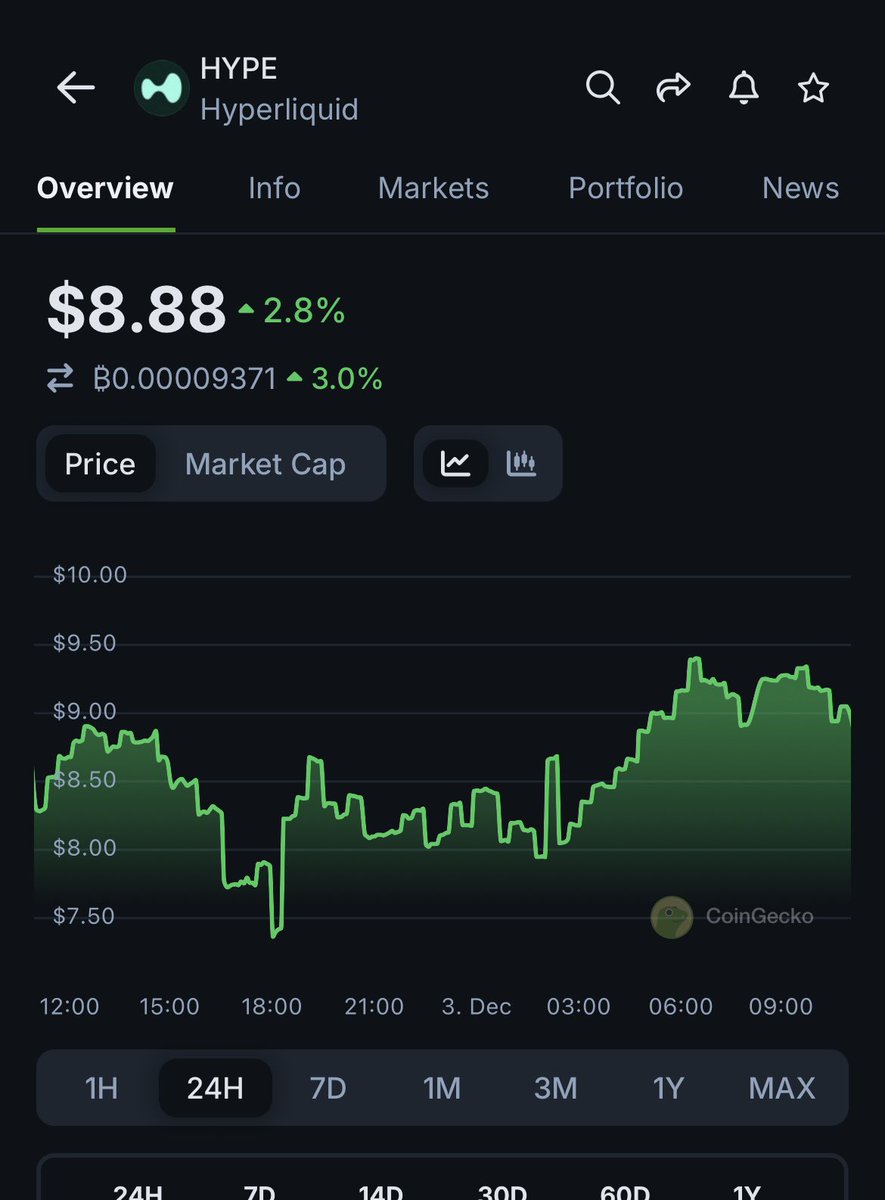
A recent liquidation event raised an important question in perp trading: How can a decentralised clearing system offer powerful trading features without compromising safety?
At Reya, we designed our system with this question front of mind - making this class of event structurally impossible.
I have deep respect for teams like @HyperliquidX. They’re pushing boundaries and innovating fast. But it's important to constantly give risk the attention it needs.
At Reya, we’ve taken a deliberate path. Our team has firsthand experience with traditional finance and central clearing parties (CCPs) - and we brought those principles directly into our onchain design. Why? Because these edge cases, whilst rare, are inevitable.
We spent a lot of time building a robust, fully onchain clearing system with unique features, and I agree: margining should be simple, canonical, and explainable. That’s exactly how we designed it, informed by best-in-class clearing practices, and fully transparent. The entire mechanism is verifiable onchain: https://t.co/1kZWu7aUwr
So, what actually went wrong in this case?
Hyperliquid allowed users to withdraw:
1. Unrealised PnL
2. More than their real balance
3. Below their initial margin requirement
This combination created fragility.
In this instance, a trader withdrew down to their maintenance margin (we call this the Liquidation Margin Requirement). That meant any price dip, no matter how small, could push them into liquidation. The system gave the illusion of sufficient collateral - right up until it didn’t.
Here’s how Reya is different:
✅ You can’t withdraw unrealised PnL without closing your position
✅ You can’t withdraw more than your real balance
✅ You can’t withdraw below your initial margin requirement
These aren’t just risk-averse rules - they’re fundamental to clearing integrity. In short, this scenario is structurally impossible on Reya. A user could never withdraw more than they deposited without closing their position - and never below their IMR. The system enforces proper risk levels at all times.
But what about usability? Don’t traders need access to PnL for arbitrage, funding, or other use cases?
Yes - and we solve that with a better mechanism: market-wide PnL realization events. Instead of ad-hoc withdrawals, the system periodically settles unrealized PnL across all accounts (and therefore it becomes realized). This keeps risk contained and lets users access funds in a safe, predictable way. It’s flexible and frequency-adjustable based on user needs.
Reya doesn’t just manage risk “on average.” We enforce integrity on every account, every block. It’s not about hoping the system nets out. It’s about ensuring it does.
I'm pleased to see @HyperliquidX have already implemented some of these safety measures: ultimately I just want to see DeFi win. But it's wrong for others to suggest clearing can't be built properly onchain - we've already done it at Reya.
And best of all, we've learnt a ton with Reya Network v1. Get ready for the next version; a 100x improvement to create the worlds first Decentralised NASDAQ 👀
As promised - simple slippage analysis for a $1m trade on @reya_xyz vs. dydx/hyperliquid/gmx
TLDR - Reya Network has deeper markets on all, except SOL, and most notably in the long-tail
... which helps explain why there's increasing programmatic trading in those markets! 🚀
Base Deposits Now Live
Keeping busy from the LGE to the ITE next week! Whilst there’s already over $250m of liquidity on Reya Network, this was all achieved without bridging support from Base… until now!
Overtime you’ll be able to Stake multiple collateral assets into Reya Network, but for now the assets supported are USDC from Ethereum Mainnet and Base, and USDC.e from Arbitrum, Optimism and Polygon.
Happy Staking Gladiators!
Reya Network's Liquidity Generation Event (LGE) is coming up!
It is a crucial step in bootstrapping liquidity for the network. LPs who deposit during LGE will enjoy early benefits and a headstart in the network’s development and incentives program.
- Key date: April 22nd, Midday UTC 🧵


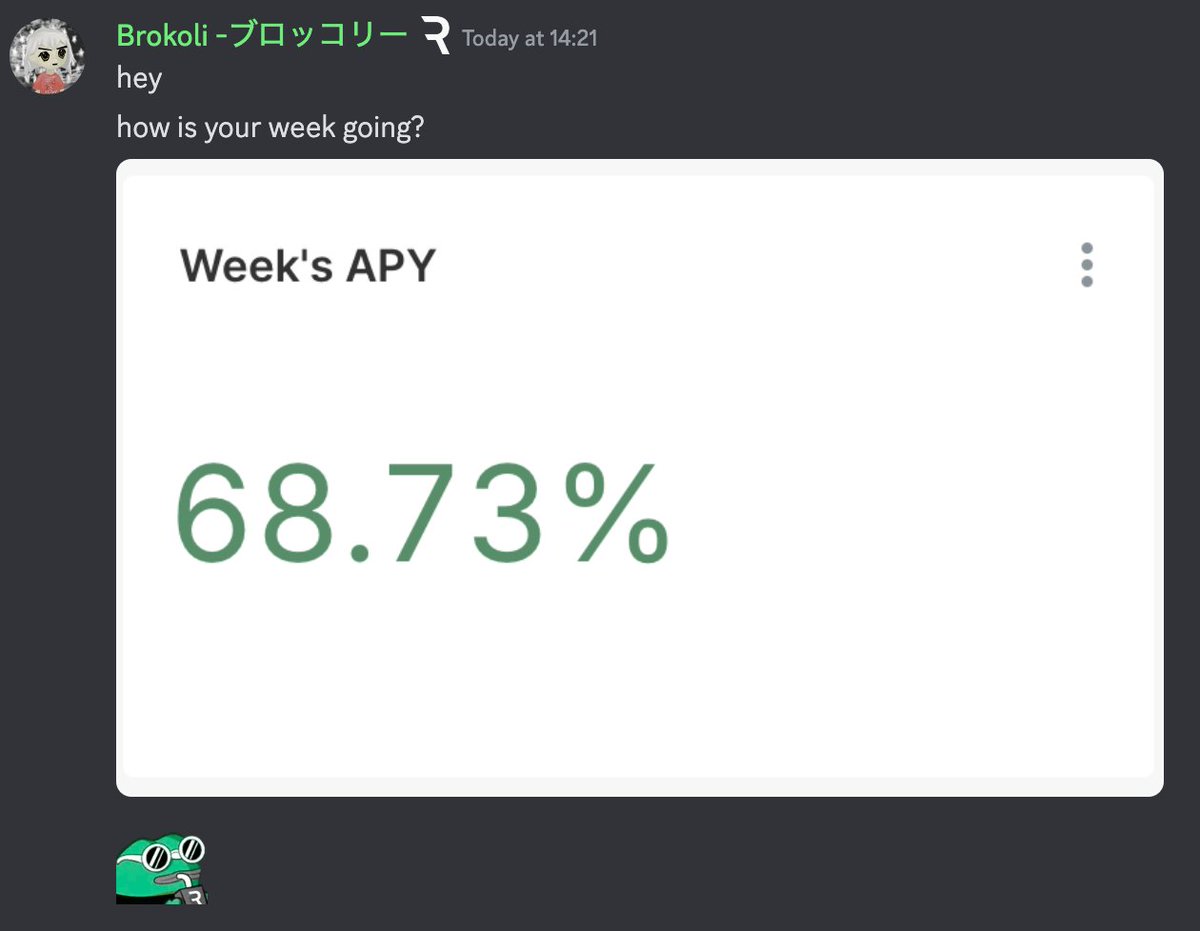


![InternVoltz's tweet photo. Heard that @reya_xyz is having a [REDACTED] Generation Event next week. https://t.co/6Hqif2joPm](https://pbs.twimg.com/media/GLii3XUW0AA2mRp.jpg)