@aj_rasmus@NSF@arxiv What other hardware would be worth the overhead of doing a good job open sourcing (vs. the usual situation people just emailing other groups and asking for CAD files) and would find enough use to not just stagnate? Optical breadboards are certainly one area I can imagine.
@aj_rasmus@NSF@arxiv You contribute and give feedback using the github issues. The meta repository is for things like suggesting new hardware. https://t.co/eXd6XK9kUI
@RC_Sterling The FPGA-based controllers and the stand-alone boards with microprocessors do seem to cover most use cases. There has been a bit of development on Humpback though, eg.: https://t.co/AT5TkvHBTx I I T. .
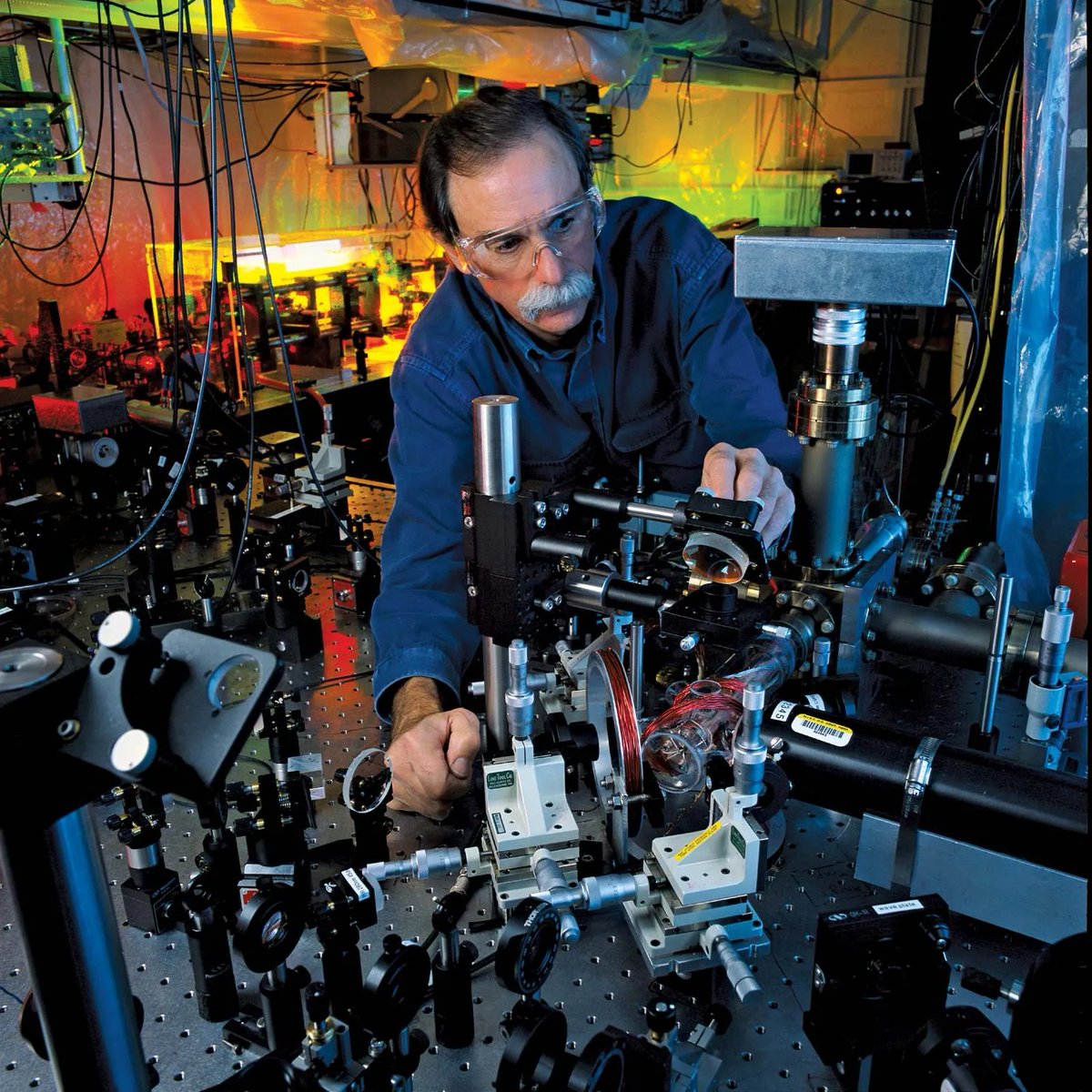
Dave Wineland of @uoregon physics describes childhood in Sacramento, measuring the electron g-factor at @PhysicsUwa , the world-class instruments offered by @NIST, building atomic clocks, and what it was like to win the @NobelPrize
https://t.co/Zh0Lj3TiDD
Two permanent staff openings in @NIST Time and Frequency Division for physicists to develop protocols for quantum information processing/sensing & optical frequency metrology with trapped atomic ions https://t.co/G6vLxvUWgL deadline 24 April 2023 @BlackPhysicists@APSphysics
We're very pleased with gate! The single-qubit gate landscape is interesting. Getting local lasers/microwave is challenging, and so methods where there is just one global drive are very appealing... There is however a problem ... 1/n 🧵
At @OxfordIonics we think hard about how to *actually* build useful quantum computers. And now we're expanding our architecture team to think about it even harder!😉 More info below or via DM
https://t.co/6ldqkfhsfe
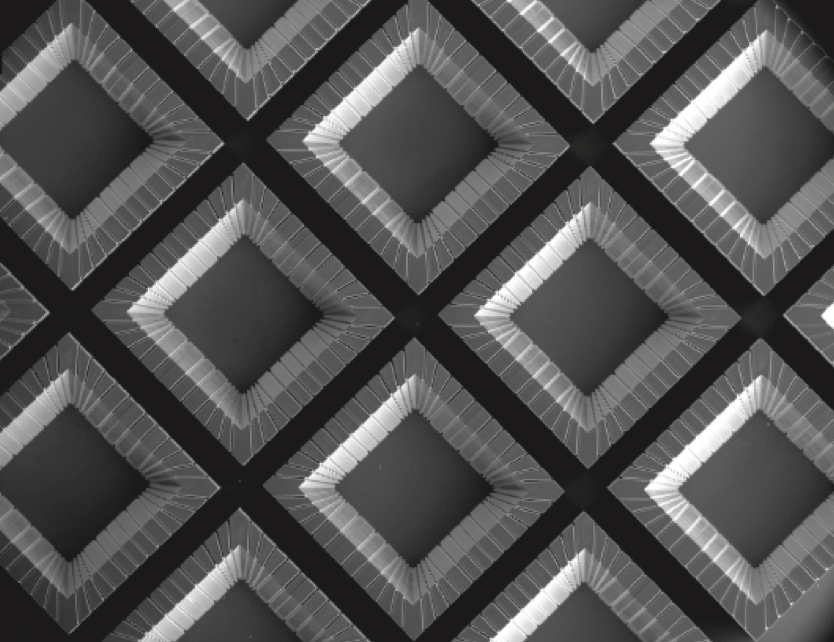
Putting traps on the surface of chips really eases fabrication, which is great for scalability. But flat electrodes don’t produce the best fields. We’ve worked on adding a 3D printing step to get back to an optimal geometry. https://t.co/HJ6wQfBW6j