We’ve never been closer to ending the paralysis that has plagued America’s permitting process.
Thank you to the people from across the political spectrum who have rallied behind this bipartisan effort.
Let’s finish the job!
𝗧𝗮𝗸𝗲 𝘁𝗵𝗲 𝘄𝗶𝗻. The Senate's permitting reform proposal is a practical compromise that will unlock investment, strengthen energy security, and accelerate the buildout of infrastructure needed to meet growing energy demand. It's time to move from debate to building.
The Washington Post Editorial Board highlights the importance of acting on permitting reform now ➡️
"Lawmakers may not like everything in the bill, but waiting for the perfect permitting reform package is a recipe for inaction and economic stagnation," the Editorial Board writes. https://t.co/P6lcnfs1GZ
“Independent oil and natural gas producers are ready to build, produce, and create jobs, and permitting delays and uncertainty can turn attractive projects into missed opportunities—especially for small producers. The Bipartisan American Affordability and Jobs Act of 2026 gives Congress an opportunity to deliver bipartisan permitting reform with clear and enforceable timelines, greater levels of certainty, and fewer unnecessary delays—without compromising the environmental and safety standards that protect our communities and natural resources,” said IPAA President and CEO Edith Naegele.
Thrilled to see such overwhelming support for the Bipartisan American Affordability and Jobs Act!
This legislation will deliver cheaper energy, better-paying jobs, and certainty for infrastructure projects to keep America moving forward. #BAAJA
https://t.co/oyUfBFEIuF
Oil and gas industry groups are backing the bipartisan Senate permitting reform package. @IPAAaccess's President and CEO Edith Naegele said the legislation would provide “clear and enforceable timelines, greater levels of certainty, and fewer unnecessary delays” while maintaining environmental and safety standards. Read more below... ⤵️
https://t.co/KvrYG62LOU
👏 IPAA's Dan Naatz testified in support of the License to Drill Act earlier this year at @NatResources, highlighting how the PPIF program provides more predictable permitting and better coordination among energy producers and federal agencies. Watch here https://t.co/6LqhM6fqf9
More American energy, less permitting delay 🇺🇸
@RepMikeKennedy’s “License to Drill Act,” just passed the Senate, ensuring @BLMNational has the resources it needs to process drilling permits in a timely fashion.
Republicans are delivering for the American people!
Senator Sheldon Whitehouse (D-RI) says the Bipartisan American Affordability and Jobs Act permitting legislation released today will lower energy costs, add construction and jobs and contribute to lifting the economy overall.
The Bipartisan American Affordability and Jobs Act of 2026 gives Congress an opportunity to deliver bipartisan #permittingreform with clear and enforceable timelines, greater levels of certainty, and fewer unnecessary delays—without compromising the environmental and safety standards that protect our communities and natural resources.
Read IPAA's statement on the legislation released today by @SenMikeLee, @SenCapito@SenWhitehouse and @SenatorHeinrich at https://t.co/ZaqKTBpDSw
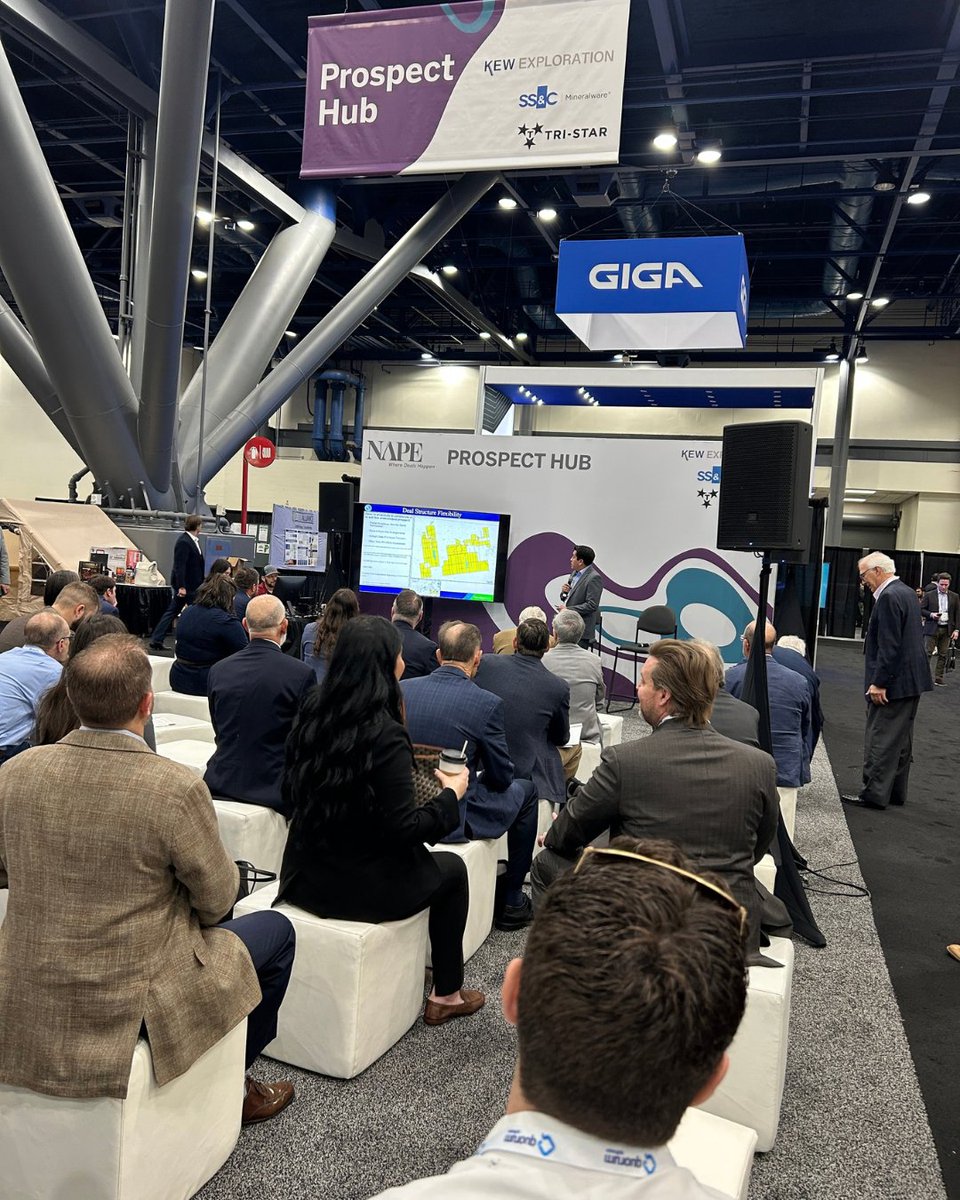
𝗡𝗔𝗣𝗘 𝗣𝗿𝗲𝗳𝗲𝗿𝗿𝗲𝗱 𝗥𝗮𝘁𝗲𝘀 𝗘𝗻𝗱 𝗧𝗛𝗜𝗦 𝗙𝗥𝗜𝗗𝗔𝗬! Thousands of energy professionals have taken advantage of our lowest rates of the season. Register now & save https://t.co/Hd5UMw08Am
If you're not starting the year at #NAPE2027, you're not maximizing your dealmaking or relationships:
"𝘛𝘩𝘪𝘴 𝘪𝘴 𝘸𝘩𝘦𝘳𝘦 𝘥𝘦𝘢𝘭𝘴 𝘩𝘢𝘱𝘱𝘦𝘯! 𝘔𝘺 𝘤𝘰𝘮𝘱𝘢𝘯𝘺 𝘳𝘦𝘤𝘰𝘯𝘯𝘦𝘤𝘵𝘦𝘥 𝘸𝘪𝘵𝘩 𝘱𝘢𝘳𝘵𝘯𝘦𝘳𝘴 𝘢𝘯𝘥 𝘨𝘢𝘵𝘩𝘦𝘳𝘦𝘥 𝘯𝘦𝘸 𝘥𝘦𝘢𝘭𝘴 𝘵𝘰 𝘭𝘰𝘰𝘬 𝘪𝘯𝘵𝘰."
"𝘓𝘪𝘮𝘪𝘵𝘭𝘦𝘴𝘴 𝘯𝘦𝘵𝘸𝘰𝘳𝘬𝘪𝘯𝘨 𝘰𝘱𝘱𝘰𝘳𝘵𝘶𝘯𝘪𝘵𝘪𝘦𝘴 𝘶𝘯𝘥𝘦𝘳 𝘰𝘯𝘦 𝘳𝘰𝘰𝘧 𝘤𝘰𝘶𝘱𝘭𝘦𝘥 𝘸𝘪𝘵𝘩 𝘵𝘩𝘦 𝘭𝘪𝘬𝘦𝘭𝘪𝘩𝘰𝘰�� 𝘰𝘧 𝘳𝘶𝘯𝘯𝘪𝘯𝘨 𝘪𝘯𝘵𝘰 𝘦𝘹𝘪𝘴𝘵𝘪𝘯𝘨 𝘪𝘯𝘥𝘶𝘴𝘵𝘳𝘺 𝘤𝘰𝘯𝘵𝘢𝘤𝘵𝘴."
"𝘐𝘵 𝘩𝘦𝘭𝘱𝘴 𝘮𝘦 𝘵𝘰 𝘴𝘵𝘢𝘺 𝘶𝘱 𝘵𝘰 𝘥𝘢𝘵𝘦 𝘸𝘪𝘵𝘩 𝘵𝘩𝘦 𝘪𝘯𝘥𝘶𝘴𝘵𝘳𝘺 𝘢𝘯𝘥 𝘸𝘩𝘦𝘳𝘦 𝘵𝘩𝘦 𝘯𝘦𝘹𝘵 𝘩𝘰𝘵 𝘢𝘳𝘦𝘢 𝘮𝘢𝘺 𝘣𝘦."
This is #WhereDealsHappen, new relationships are built and where you get your competitive edge. Register before the rates increase!
#EnergyForIndustry #NAPEExperience
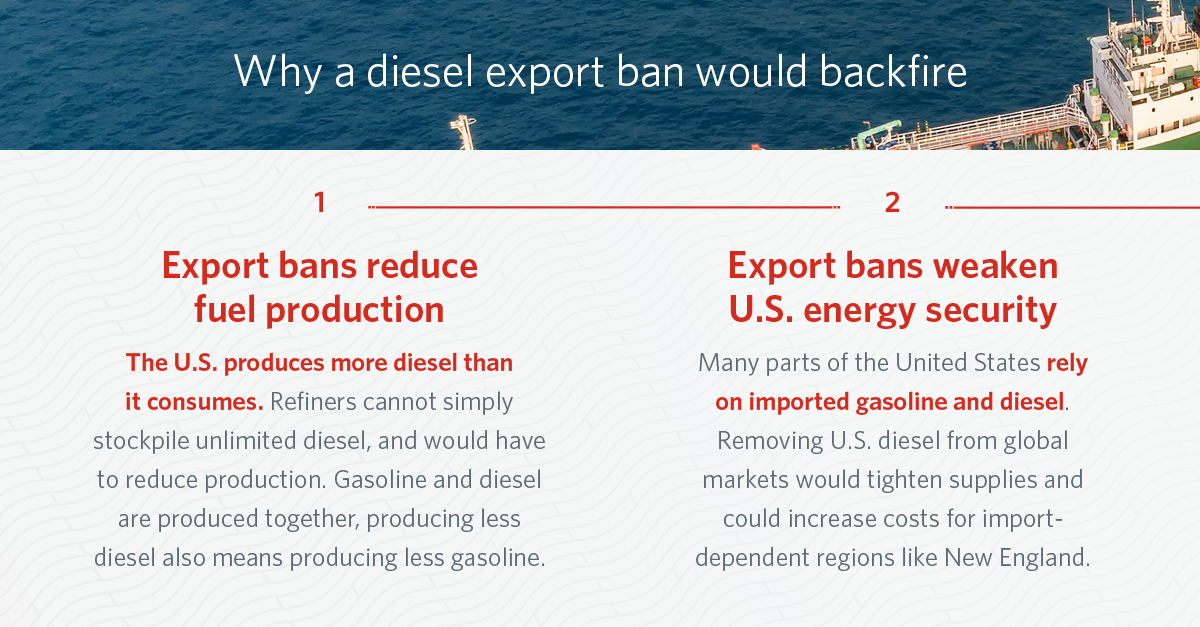
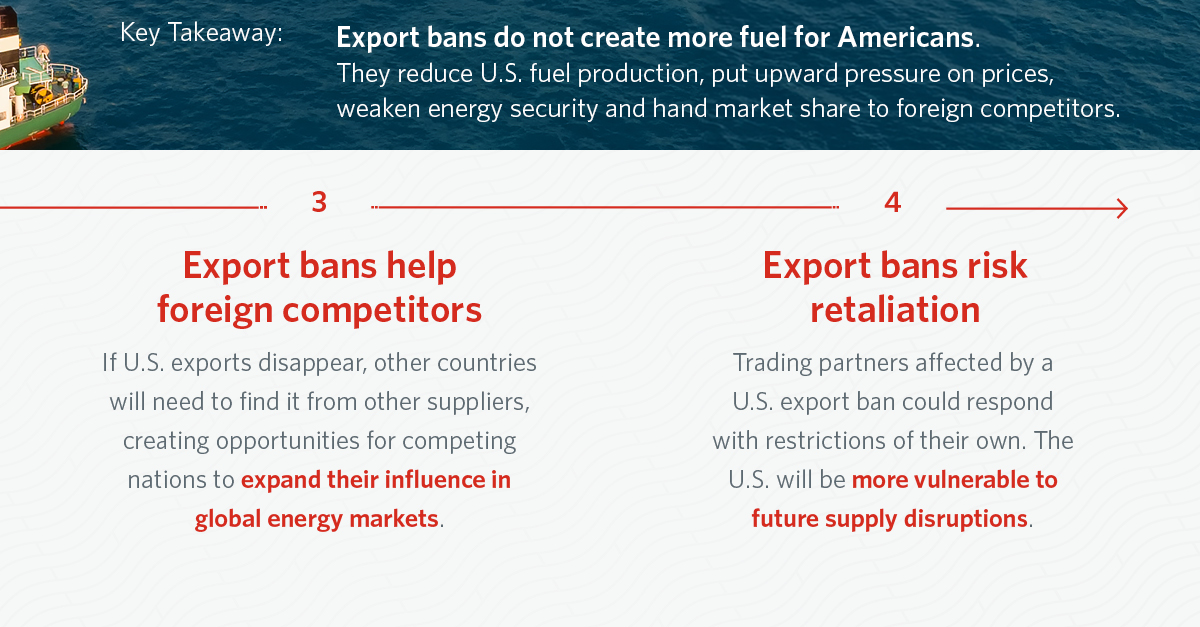
Why would a diesel export ban backfire? It would:
1. Reduce fuel production
2. Weaken U.S. energy security
3. Help foreign competitors
4. Risk retaliation
The pushback against a diesel export ban has been swift and broad, with many experts specifically noting that a diesel export ban would lead to higher prices at the pump.
https://t.co/Mg3rDvelGn via @EnergyInDepth
The unintended consequences of a diesel export ban could disproportionately hit American independent producers in ways many may not expect—but the economics are straightforward. @SPGlobal estimates that an outright ban could strand roughly 1.5 million barrels per day of diesel domestically and ultimately force U.S. refiners to cut crude oil runs by approximately 1.9 million barrels per day. For the smallest independent producers, with fewer assets and less financial flexibility, a sharp reduction in refinery demand could put drilling, investment and continued production under significant pressure.
IPAA was at the forefront of the effort to lift the nation’s decades-old crude oil export ban in 2015, and that experience underscores why independent producers have long focused on the effects of export restrictions on domestic investment.
#energyproduction #smallbusinesses #energypolicy #oilandgas #independentproducers #diesel
NEWS: Today, we joined more than 30 U.S. business, energy and manufacturing groups from around the country in issuing a letter to President Trump urging him to reject calls to institute any kind of fuel export ban or limit.
https://t.co/C7lraVT5uh
If you ban diesel exports, this is what happens:
1) Without the overseas market, diesel inventories start to accumulate domestically. This temporarily puts downward pressure on wholesale prices in the US, likely more so in the Gulf Coast than anywhere else. HOWEVER
Thanks for sharing @SenArmstrong - The momentum is here. The coalition is here. The need is undeniable. The time to pass durable #permittingreform is now.
Let’s be clear. Banning the export of U.S. crude oil or American-made diesel, gasoline and refined products would be a costly and counterproductive mistake. It would mean less U.S. fuel production, tighter supplies, greater energy security risks and higher prices.
Hear from some experts, commentators and analysts on why an export ban would harm U.S. energy security:
Since 2017, JobsOhio estimates that oil and gas producers have contributed over $12 BILLION in royalties.
These local investments create generational opportunity and drive real economic growth across our state!
Learn more at https://t.co/1GxygYvxEz.