Bonaerense, conservador, Soberanista, anti modernismo, anti liberalismo/libertarismo, antiprogresismo, antiglobalismo, amante de la fantasía medieval y metalero
Lately I've been appreciating Jade Wizards much more. They seem to be one of the more boring Imperial spellcasters, but I find them really cool and interesting! What do you think about them?
Concept art from Warhammer: Mark of Chaos, a truly awesome RTS from 2006.
#WarhammerArt
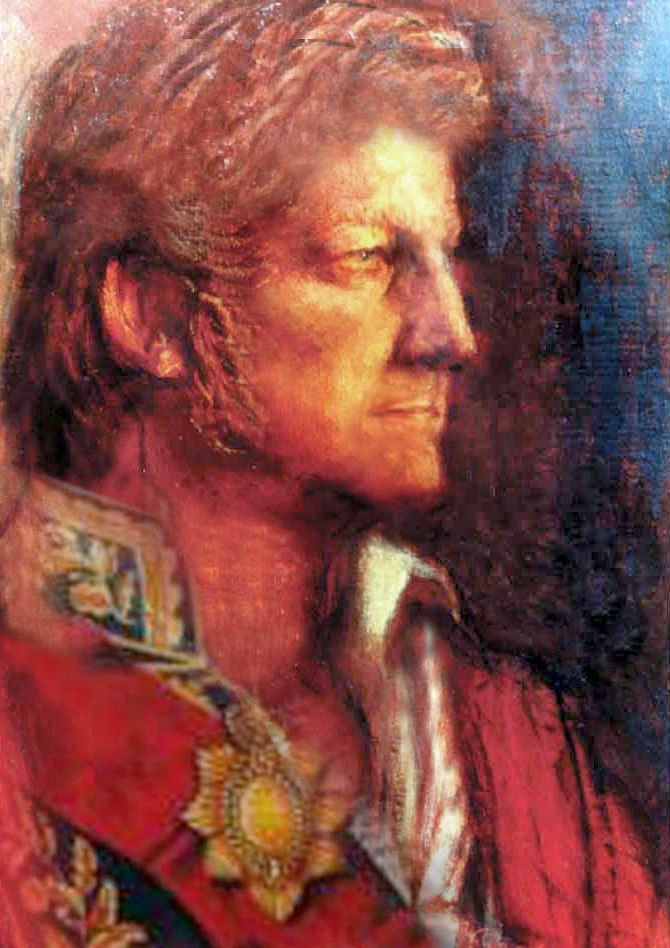
Brigadier General Juan Manuel José Domingo Ortiz de Rozas y López de Osornio.
Hombre de noble solar, hispano-visigodo de pura cepa.
Principio ordenador de la Santa Federación, último eco del mundo tradicional en el Kali Yuga.
Which style do you prefer?
Romanesque and Gothic architecture may both belong to medieval Europe, but they create very different impressions.
Romanesque churches feel heavy, solid, and fortress-like, with thick walls, round arches, small windows, and compact massing. Gothic architecture pushed upward instead — using pointed arches, vertical emphasis, large stained-glass windows, and flying buttresses to create taller, lighter, more dramatic spaces.
One feels grounded and protective; the other reaches toward height and light.
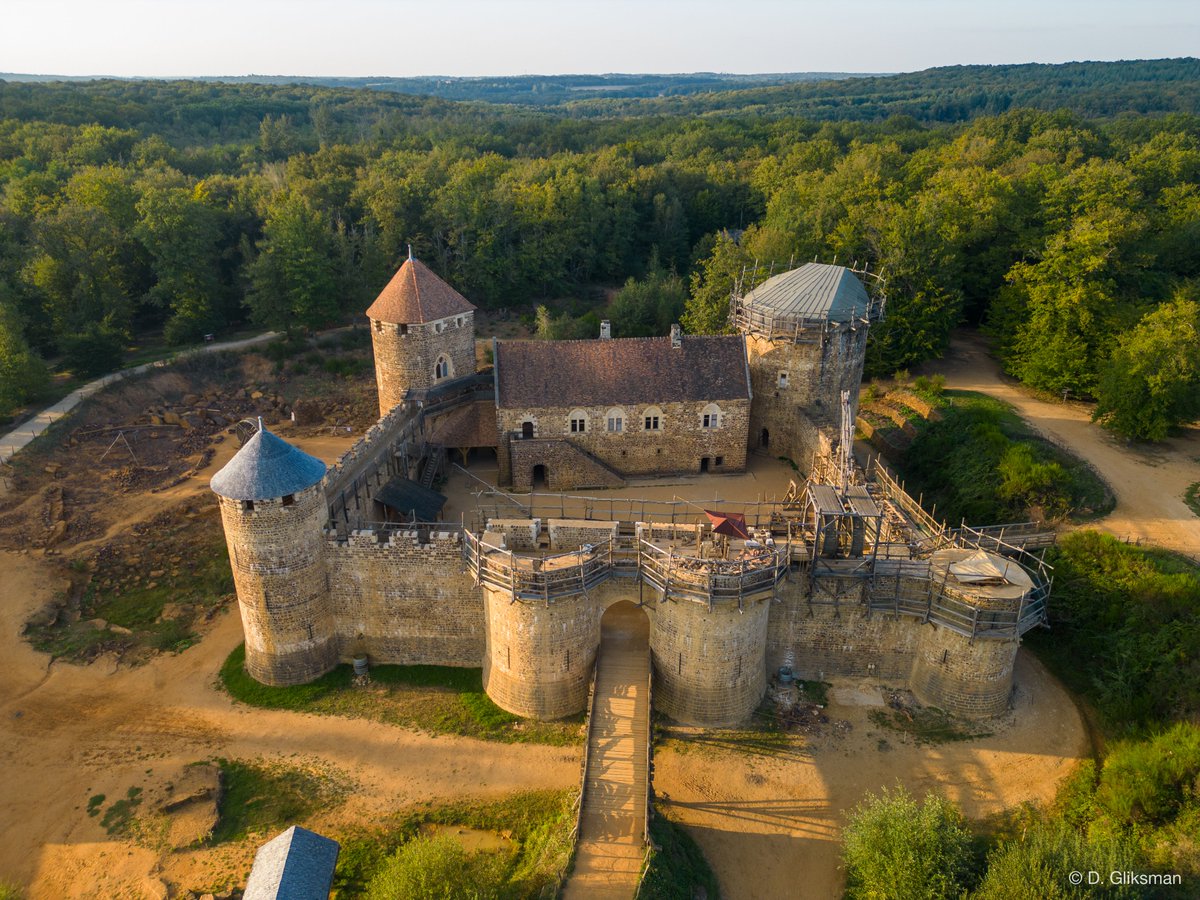
En France, en 2026, une équipe de 50 artisans construit un château fort. À la main. Avec les techniques du XIIIe siècle. Et il n'est toujours pas fini.
Guédelon, dans l'Yonne. Depuis 1997, des tailleurs de pierre, des charpentiers, des forgerons bâtissent un château philippien pierre après pierre.
Pas d'électricité. Pas de grue. Pas de béton. Des chevaux de trait pour les blocs. De la chaux cuite à 900 degrés dans un four construit sur place.
Tout est sorti du sol. La pierre vient de la carrière sur laquelle le château est posé. Le bois vient de la forêt de chênes qui l'entoure. Un circuit court vieux de huit siècles.
L'idée vient de Michel Guyot, propriétaire du château de Saint-Fargeau, à 13 kilomètres. En restaurant ses fondations, il découvre un château médiéval sous les briques. Il se dit : et si on en construisait un, comme à l'époque ?
En 2026, pour la première fois, les visiteurs peuvent faire le tour complet de l'enceinte. 300 000 personnes viennent chaque année regarder des hommes bâtir au rythme du Moyen Âge.
Un château qui ne sera jamais terminé. Et c'est exactement le but.
Vous y êtes déjà allé, ou c'est la première fois que vous en entendez parler ?
@NadieLee2024@leopoldo53535 Tenes que votar Nacionalismo, ideologías que vayan CONTRA el sistema, contra las ideologías del sistema, contra potencias, oligarcas, ongs extranjeros y organizaciones supranacionales, Argentina para los argentinos.
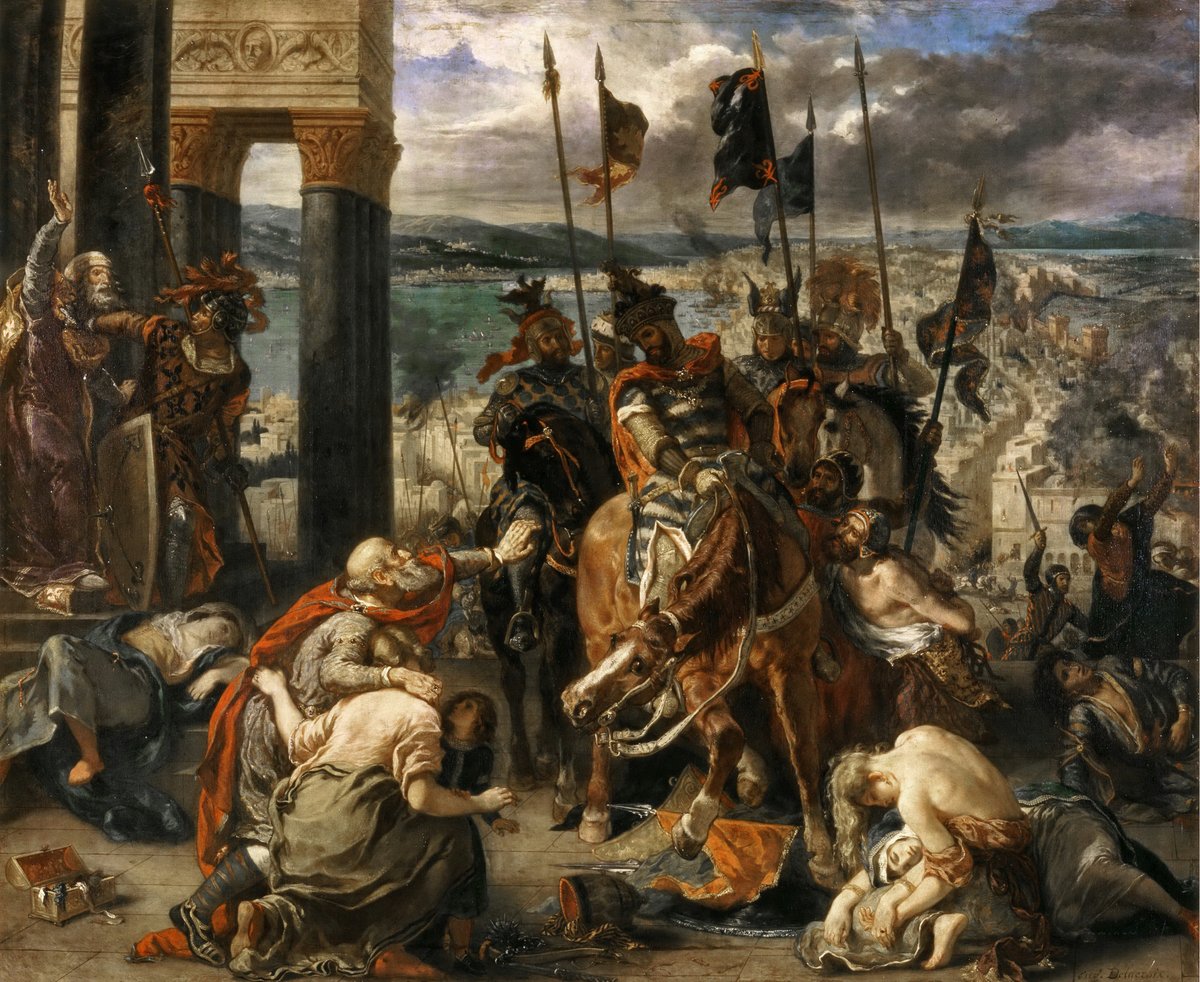
This painting by Delacroix depicts the entry of the crusaders into Constantinople.
In 1204 they sacked the greatest city in the Christian world.
But what were Latin crusaders doing there, and why did they turn on their fellow Christians?
I'll run you through it.
🔹 The crusade was never meant to come here. It was sworn to attack Egypt and march on to Jerusalem. Constantinople was a Christian capital and not a target at all.
🔹 Jerusalem had fallen to Saladin in 1187. The West wanted it back. Pope Innocent III called this new crusade to strike at Muslim power through Egypt.
🔹 The money fell apart first. The crusaders hired Venice to ship a vast army across the sea. Far fewer men turned up than promised, and they could not pay the bill.
🔹 Venice held all the leverage. The ships sat ready and the fleet had cost a fortune to build. The army was stranded on an island outside the city until the debt was settled.
🔹 Venice offered a way out. The blind old Doge, Enrico Dandolo, sent the army to capture the Christian town of Zara in 1202. The Pope excommunicated the whole crusade for it.
🔹 Then a Byzantine prince made an offer. Alexios Angelos wanted the throne his uncle had stolen. He promised silver, soldiers, and the submission of the Orthodox Church to Rome if the crusaders put him in power.
🔹 The offer was a fantasy. Alexios had spent years in exile and knew little of the city's real finances. He pledged sums no emperor could ever raise.
🔹 They took the bait. In 1203 they sailed to Constantinople and forced the prince onto the throne as Alexios IV. The treasury was empty and the promises were worthless.
🔹 The city turned on him. He taxed his people hard to pay the Latins camped outside the walls. In early 1204 a coup overthrew him and strangled him.
🔹 Now the crusaders had nothing. No patron, no payment, and a hostile city in front of them. So they decided to take it by force.
🔹 They had already agreed how to split the loot. A pact signed in March 1204 carved up the empire before a single wall had fallen. The sack was planned, not a moment of madness.
🔹 They broke through in April 1204. The sack lasted three days. Hagia Sophia was stripped bare, its altar smashed, its relics shipped west.
🔹 Bronze horses were torn from the hippodrome. They were shipped to Venice and still stand at St Mark's today. Much of the city's treasure never came home.
🔹 The wound never healed. A holy war against Muslims had destroyed the heart of Eastern Christianity over a debt. The Greek world remembered it for centuries.
To make matters worse, some argue the sack weakened the empire so badly it never truly recovered. That left it vulnerable when the Ottomans came knocking two and a half centuries later, and in 1453 the city finally fell.
@ManuelaC22 Lamentable que pase esto pero cuando pasa con un hombre, joven, adolescente o niño a nadie le importa.
TODO es importante, NO un sexo en especial.
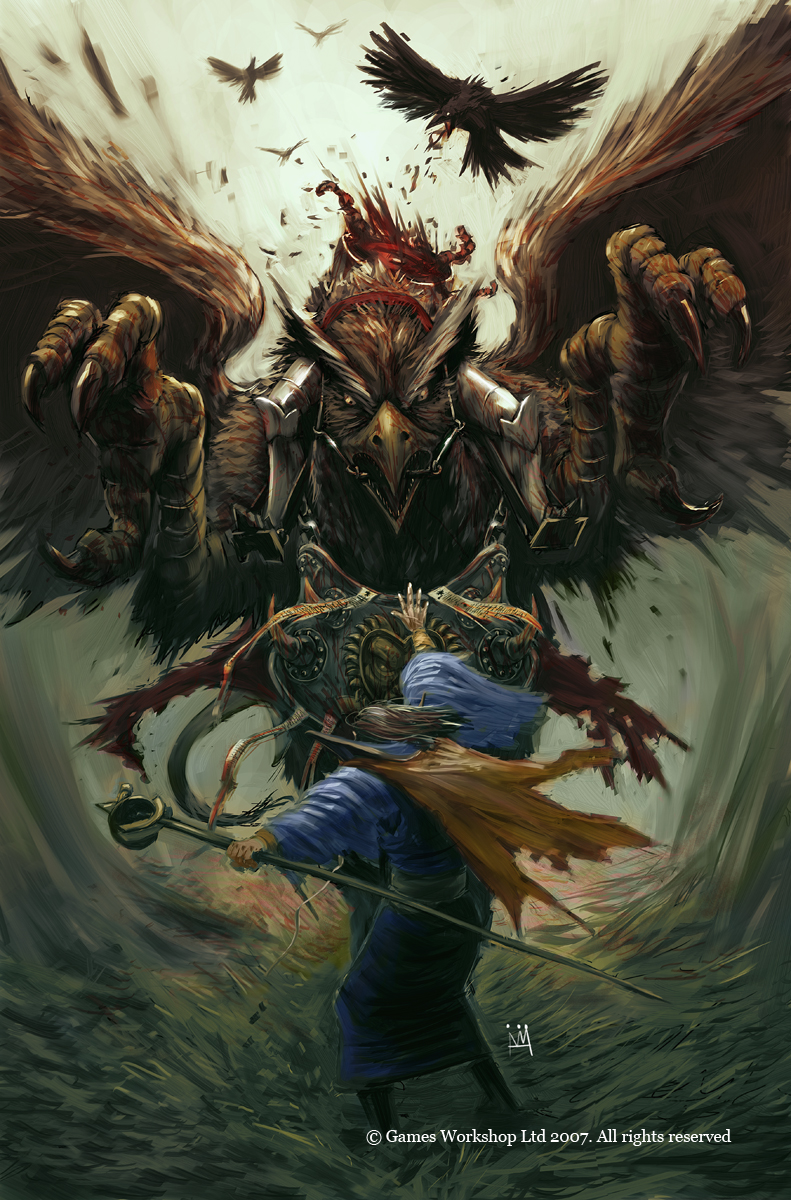
What would you do in a situation like this? A feral, grief-maddened Griffon is swooping down on an Imperial Celestial Wizard, the remains of his rider still strapped to the saddle...😱
Art from the Warhammer Fantasy comic "Forge of War", which is a very solid read.
#WarhammerArt
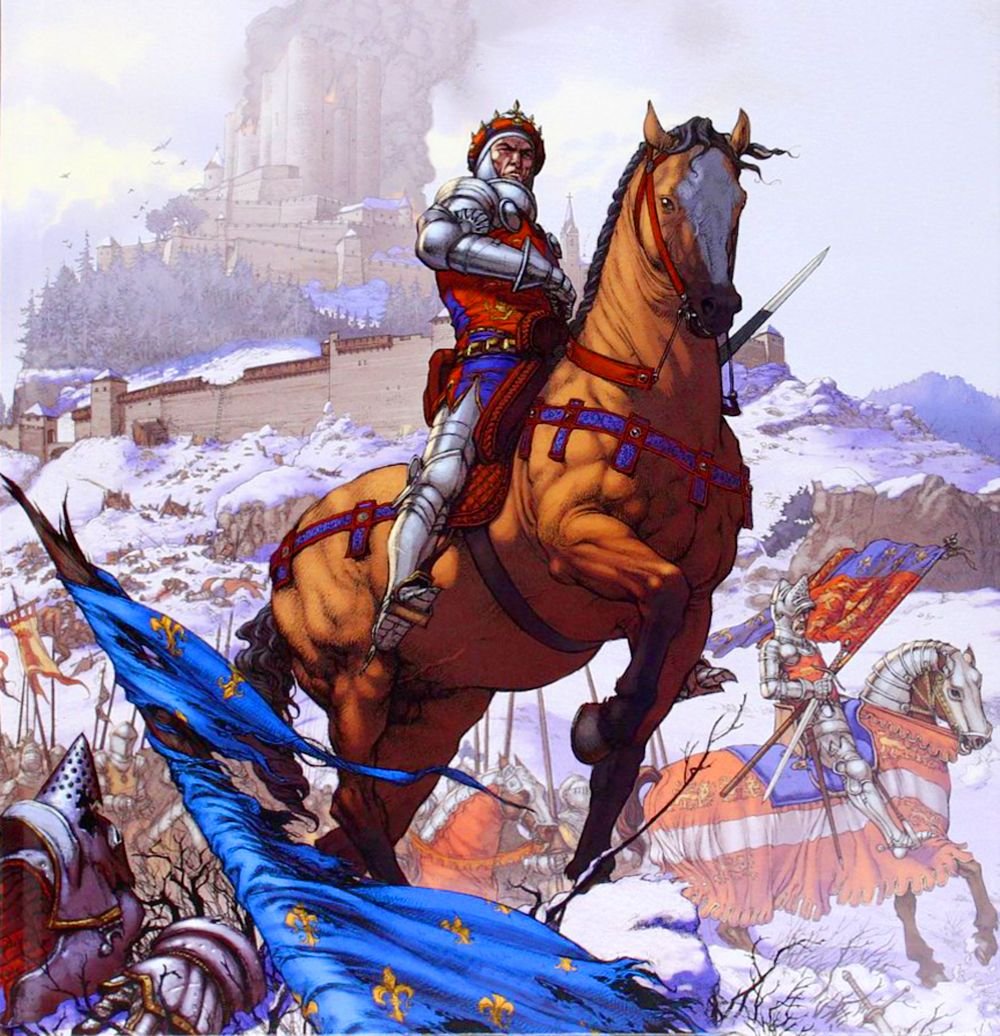
The Conquest of Picardy region in Northern France by the English King Henry V and his army
The year 1422 marked a major turning point in the Hundred Years' War. The fall of Meaux city, one of the largest French strongholds near Paris, after a seven-month siege, triggered a major English campaign throughout Picardy, targeting fortified towns, castles and fortress. Dozens fell to the English: Compiègne, Pierrefonds, Montépilloy, and French captains were taken to Paris to be executed.
King Henry V of England died in the summer of 1422, and it was his brother, the Duke John of Bedford, who finished the operation.
One of the few major strongholds in Northern France that still resisted was Guise, which fell to the Burgundians in 1424.
When an important stronghold falls after resisting, in majority most of the strongholds in the region fall easily, as was the case for Caen in 1417, Cherbourg in 1418 and Rouen in 1419, whose regions were subjugated after their fall into the hands of the English. Few strongholds resisted after seeing their neighbors punished for resistance.
@circuito3412@sileste1921@OldArg1810 Gracias a Perón nos libero de los ingleses, los putos ricachones era prostitutas de los anglosajones y entregaron el país, la "jodita" se llama DERECHOS JUSTOS AL PUEBLO, pero ustedes querían esclavos, no ciudadanos.