We have important news…
Starting 1 May 2025, @IPBES will no longer post to X.
Make sure you don't miss any news or updates by following us on any of our other social media accounts, available here:
https://t.co/2rfmvDvNCl
Today is the X-IT Day! 🌎🌿
Make sure you don't miss any news or updates by following us on any of our other social media accounts, available here: https://t.co/2rfmvDvNCl
We have important news…
Starting 1 May 2025, @IPBES will no longer post to X.
Make sure you don't miss any news or updates by following us on any of our other social media accounts, available here:
https://t.co/2rfmvDvNCl
A century after it was first described, an international voyage has captured the first confirmed video of a colossal squid in its natural habitat.
Watch the video and read more in @theConversation:
https://t.co/i6NAsQ3sDM
Today, we say farewell to @IPBES Executive Secretary Anne Larigauderie as she starts a new phase: her well-deserved retirement!
The IPBES secretariat and community thank her for her tireless service, dedication and guidance over these many years.
Thank you, Anne!
Indigenous Peoples possess a wealth of knowledge vital to safeguarding biodiversity and thriving ecosystems 🐦🦓🐝🪺🌺
You can learn more by following the #UNPFII2025 meetings live from UNHQ, New York, on UN Web TV!
📺https://t.co/dzM3ZFYjeS
#WeAreIndigenous#SomosIndígenas
👾 New report out: Insights from the first 2 years of our pilot testing image-based tools to monitor Invasive Alien Species across Europe. From plants to insects, the work continues—pilot extended to 2027 to boost early detection & response!
https://t.co/chdJrN2zDg
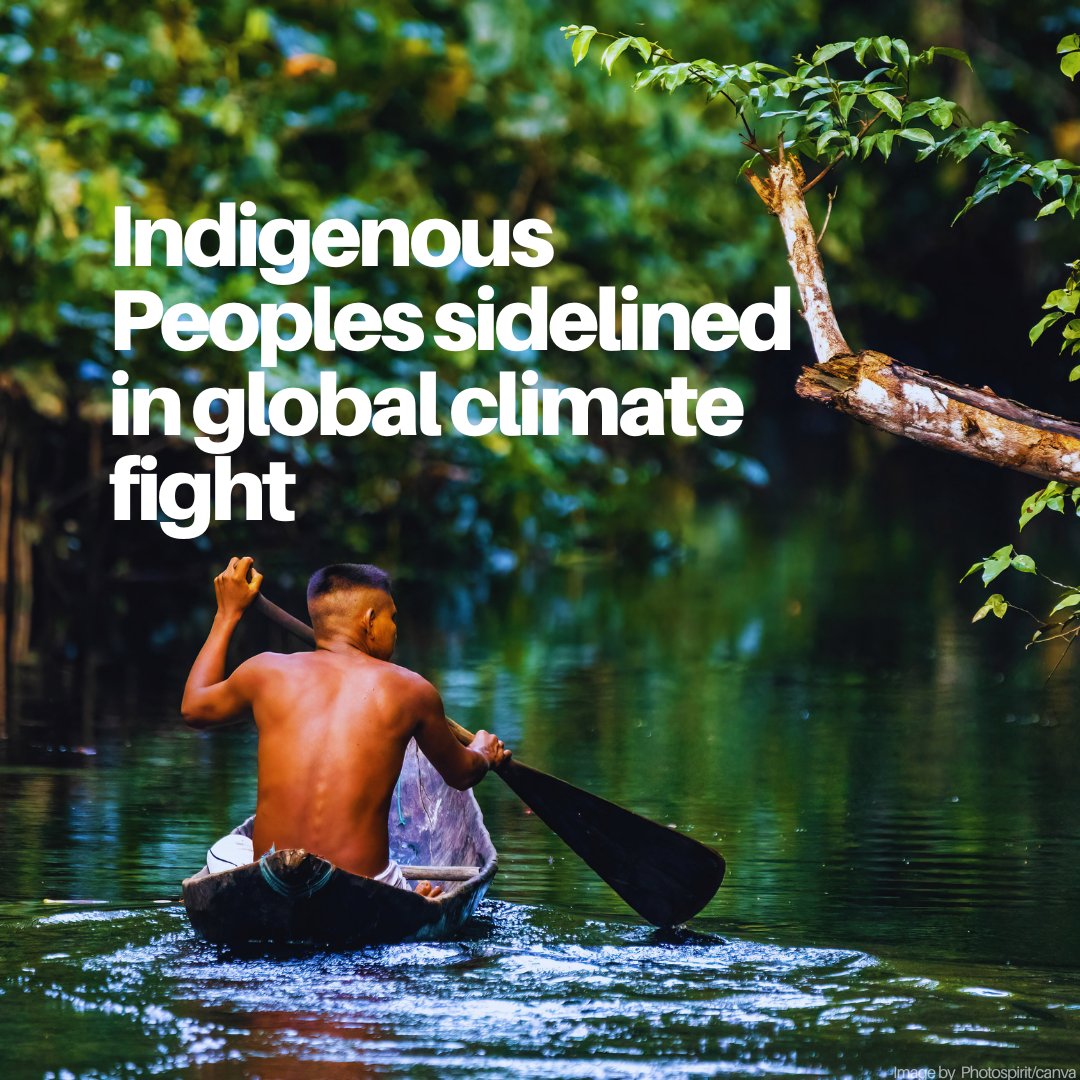
Indigenous Peoples have been among the world’s most effective environmental stewards.
Yet, they receive less than one per cent of international climate funding.
A new @UN report calls for reforms that will benefit these communities.
Via @UN_News_Centre https://t.co/vT2y53j28t
The decisions made over the coming years will be crucial in halting and reversing #biodiversity loss.
The Integrated Biodiversity Assessment Tool (IBAT) is a ‘one-stop shop’ service for authoritative global biodiversity info.
Learn more about IBAT https://t.co/UXVamCcSWC
Congratulations to IIFBES network facilitator Joji Cariño for winning the Bruno H. Schubert Prize, awarded to individuals for their commitment to preserving biodiversity. 🌍
IIFBES is one of the self-organized networks of #IPBESStakeholders.
https://t.co/CnnfV1jFTs
Today, we say farewell to @IPBES Executive Secretary Anne Larigauderie as she starts a new phase: her well-deserved retirement!
The IPBES secretariat and community thank her for her tireless service, dedication and guidance over these many years.
Thank you, Anne!
📢 Great news!
The Summary for Policymakers of the @IPBES Sustainable Use of Wild Species Assessment is now available in Vietnamese!
Access it here ➡️ https://t.co/r9HCfnR23m
Sharing key insights for informed decision-making #ForNature 🌏
📣 Join the conversation!
Upcoming webinar explores how Indigenous Peoples' knowledge contributes to understanding biodiversity-water-food-health connections
📅May 15, 2025
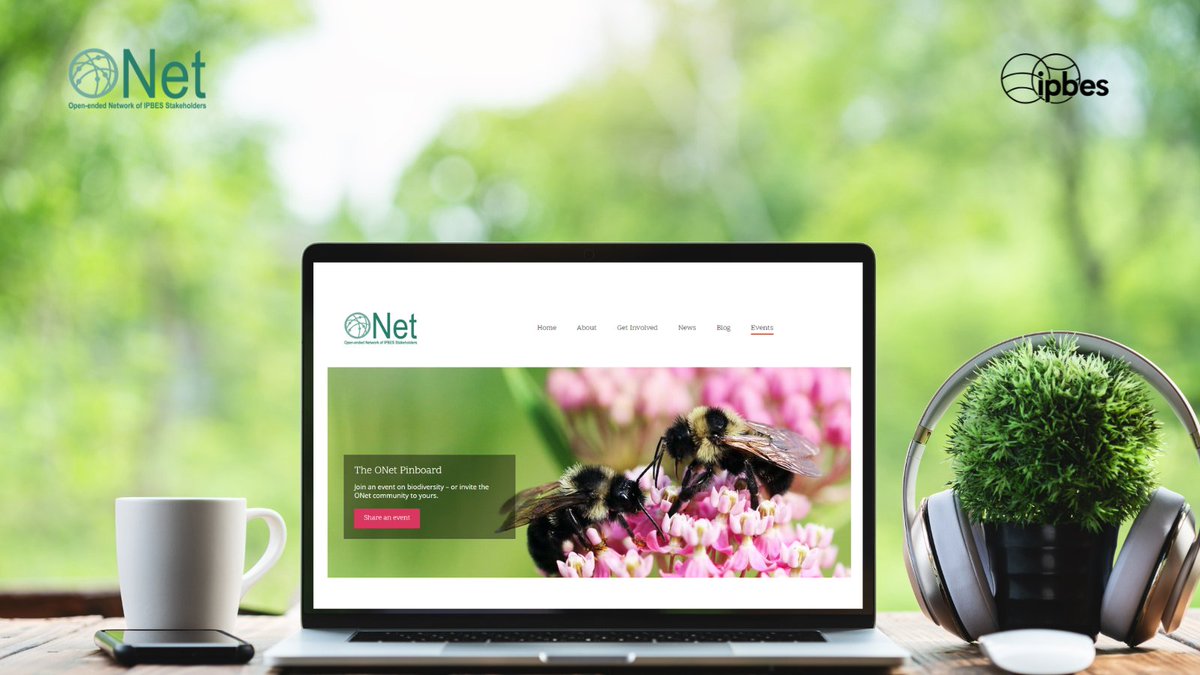
✍️Register via @ONet_IPBES for "Indigenous Peoples and the #NexusAssessment":
https://t.co/Iyh8EanIkK
According to data from Coral Reef Watch, the worst global bleaching event on record has now hit more than 80% of the planet’s reefs, prompting scientists to warn that we are in “uncharted territory”
Read more from Graham Readfearn in the @guardian
https://t.co/Tp6aTdNgmI
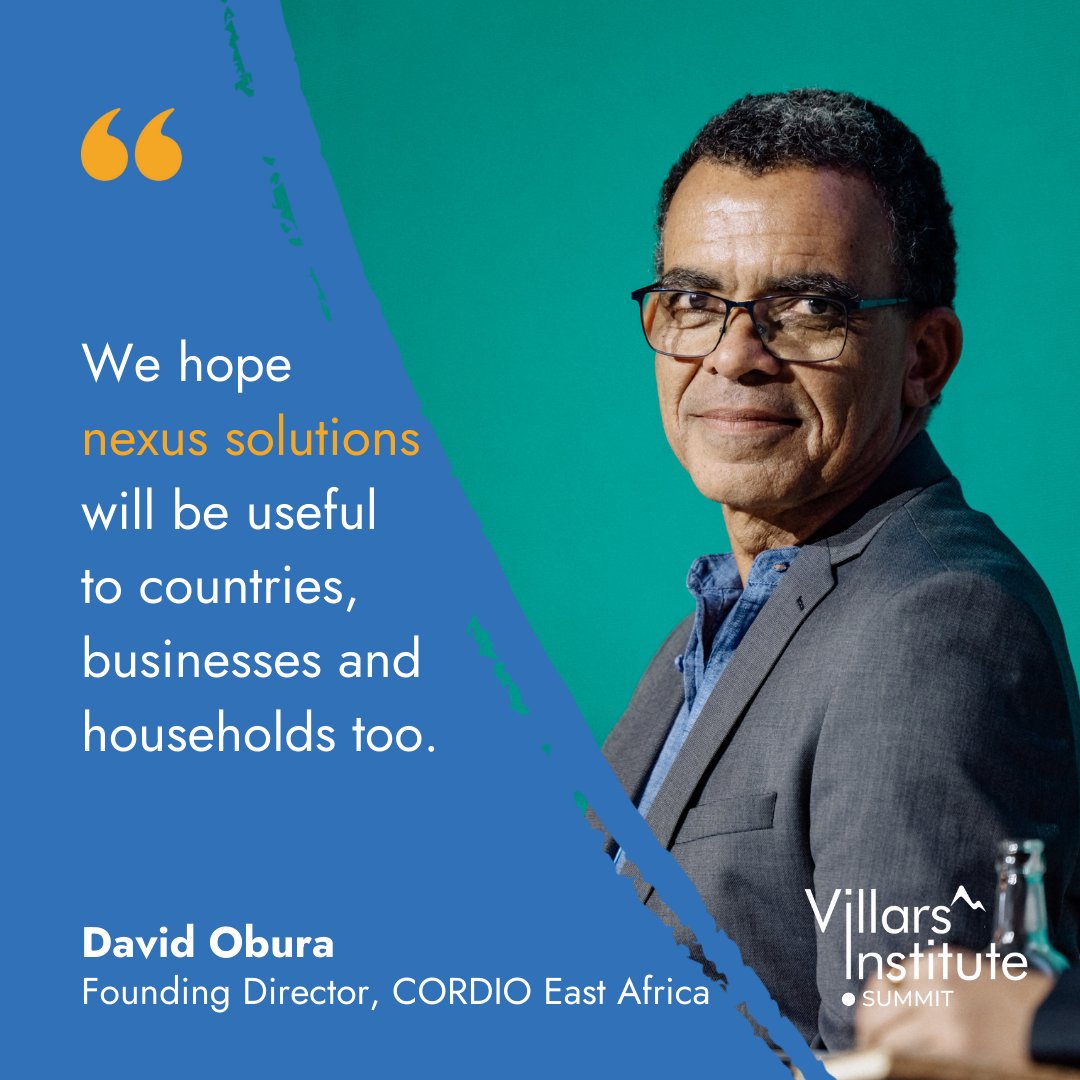
The Nexus Assessment by @IPBES reveals a $25 trillion/year loss to the global economy from agriculture, energy, and fishing hurting biodiversity, climate, and health. Nexus thinking, as @dobura from @cordioea noted at #VillarsSummit, can help other areas too.🔗💡 #nexussolutions
Conservation efforts have increased rhino numbers in Africa, but the growing human population and the consequent #ecosystem loss require new, inclusive protection strategies.
A recent report from the @IUCNssc African Rhino Specialist Group outlines 6 strategic pillars fundamental to effective rhino #conservation.
https://t.co/o4uMS90N99
A new study by I. R. Onley, P. Cassey, & M. A. McGeoch shows that biodiversity data sharing platforms are key to managing biological invasions. Closing the "knowing-doing" gap can create better conservation outcomes. 🌍
Read the full article ⤵️
https://t.co/iCNoCMfVvd
According to data from Coral Reef Watch, the worst global bleaching event on record has now hit more than 80% of the planet’s reefs, prompting scientists to warn that we are in “uncharted territory”
Read more from Graham Readfearn in the @guardian
https://t.co/Tp6aTdNgmI
📣 Join the conversation!
Upcoming webinar explores how Indigenous Peoples' knowledge contributes to understanding biodiversity-water-food-health connections
📅May 15, 2025
✍️Register via @ONet_IPBES for "Indigenous Peoples and the #NexusAssessment":
https://t.co/Iyh8EanIkK
📢 Great news!
The Summary for Policymakers of the @IPBES Sustainable Use of Wild Species Assessment is now available in Vietnamese!
Access it here ➡️ https://t.co/r9HCfnR23m
Sharing key insights for informed decision-making #ForNature 🌏
The High Seas Treaty, the first legally binding pact for international waters, promotes marine conservation & fair use of resources and includes protected areas & climate impact assessments.
Why it's important: https://t.co/Q4pBLbdTkk