A recent review (Yu E, Malik V and Hu F. 2018 JACC 72,8:914-26) summarises the current evidence base for food groups and nutrients on CVD prevention as well as factors influencing individual food choice. See our take-outs here: https://t.co/ES5QvTiavv
See our summary on findings from the Cooper Center Longitudinal Study (Abdullah SM et al. Circulation 2018; 138(21):2315-2325) showing association between raised #LDL-cholesterol and increased #CVD mortality in individuals at low 10-year CVD risk: https://t.co/BMIi0nO0fb
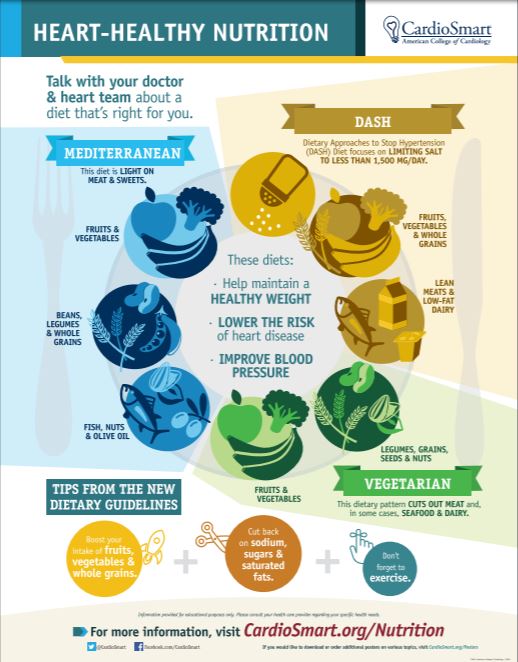
This is a very informative infographic @CardioSmart and we would only add that foods with added plant sterols and stanols can also significantly lower blood #cholesterol, a significant #heartdisease risk factor https://t.co/Yfy2sWw9v1
@HarvardWomensHW: Having high levels of "bad" LDL cholesterol may put you at higher risk of dying from cardiovascular disease — even you are otherwise considered at low risk. https://t.co/ST3YNz9Zzr
It is #WorldHeartDay today and we would like to remind everyone that knowing your blood #cholesterol levels, a significant risk factor for #CVD is an important first step! https://t.co/CMafVabML6
Counting down to #EFAD2018 where at Stand 19 outside conference @IPSSAglobal will be showing our information platform on lowering #cholesterol - looking forward to seeing you all there!
@IPSSAglobal is a proud silver sponsor in the #EFAD2018 conference https://t.co/3MVBTm5PK3! We will be at stand 19 and welcome you to visit us and find out more about how foods with added plant sterols and stanols reduce cholesterol, a significant #CVD risk factor
See our review on how phytosterol supplementation may play a role in reducing low density lipoprotein (LDL) #cholesterol, elevated liver enzymes and some markers of inflammation for patients with non-alcoholic fatty liver disease https://t.co/wBO29Aj9QO
Improving your #cholesterol, a #CVD risk factor, with simple lifestyle changes https://t.co/FMTBUppI8c and see also Prof Bruckert outline how plant sterols and stanols can reduce #cholesterol further https://t.co/P6V8iQ4fNT
Did you know that individuals with or at risk of developing type 2 #diabetes mellitus can achieve a reduction in elevated triglycerides and LDL cholesterol by consuming 2 g of plant sterols daily? https://t.co/iYV54nlcpJ #Cholesteroleducationmonth
In this (again!) very informative infographic by @CardioSmart we would only like to add that consuming foods with added plant sterols and stanols can help reduce blood #cholesterol by as much as 12%. More on https://t.co/pt2iuqhk53
More than one in four adults globally are physically not active enough and this can lead to an increase in #NCDs including #heartdisease as @LancetGH reports at https://t.co/FlgG1HD6hJ. Becoming more active and improving diet should be a major public health policy goal
As September is in the US a national #cholesterol education month, @Suntimes offer a review of key myths and facts about #cholesterol and #heartdisease that people should be aware of https://t.co/nnxNmCDbsc
Kudos @CardioSmart for this great infographic! To find out how plant sterols and stanols can help lower blood #cholesterol you can download our infographic at https://t.co/Utr23XgAM8
Sept. is National Cholesterol Education Month! Discover what causes high cholesterol & what you can do to prevent it from rising. #cvLipids#CholesterolEducationMonth
We have just published a short report of a publication by Nutrition Reviews on progress and perspectives in plant sterols and plant stanol research which you can read on our website https://t.co/pt2iuqhk53