ISBNdb, The World’s Largest Book Database™, gathers data from hundreds of public sources to compile a vast collection of unique book data searchable through API
🤖 AI can generate content at unprecedented scale.
But as books, articles, and apps multiply, a new challenge emerges:🔍 Discoverability.
How do readers, retailers, and AI systems find the content that actually matters?
📖 Read more: https://t.co/LhKyoY2YpD
What does the future of books look like?
✨AI is changing how readers discover books
📱BookTok and online communities are more powerful than ever
🎬Publishers are chasing fandoms, not just bestseller lists
More at @PublishersWkly : https://t.co/oocRiAaST6
Every book on a bookstore shelf survived a long chain of business decisions. One key takeaway: discoverability matters. Metadata, BISAC categories, positioning, & author recognition all influence whether a book ever reaches readers.
More at @WVTFRADIOIQ : https://t.co/KOMQC2U8IT
Most book catalogs are not AI-ready.
Modern AI systems require more than raw text or basic metadata. Semantic structure, normalization, OCR quality, deduplication, and governance all directly impact downstream AI performance.
Read more at https://t.co/aO1GhtS6Yy
How to publish a book with the Big 5?
📝 A book proposal needs a clear long-form vision
🔍 Honest editorial feedback is key
⚖️ Self-publishing success stories are uncommon
📈 Manuscript quality still matters more than follower count
More at @PENamerica : https://t.co/NBFm267XGX
Publishers allege millions of copyrighted books were used to train AI systems without authorization, raising questions for the publishing & AI industries alike.
Read more at @Variety : https://t.co/QRG8ch0CwP
A well-written book is no longer enough to guarantee discoverability. With millions of titles competing for attention, metadata now plays a critical role in how books are surfaced, searched, recommended, and sold.
Read more at https://t.co/mHAnCfT826
How many copies does a typical book actually sell?
Probably less than you think.
Reality check:
1. ~66% of new books sell under 1,000 copies
2. <2% sell over 50,000 copies
But here’s the catch: most “book sales data” is incomplete.
📖 Read more: https://t.co/jDzvoQh7O7
350,000 handwritten book records are now searchable in seconds! AI helped a university library turn 10+ years of manual cataloging into structured, searchable data. Read more at @WarpInstitute : https://t.co/ombakBImRy.
Is knowledge meant to be read or processed? Researchers are debating whether scientific literature should function like:
➡️a library (context, history, interpretation)
➡️or a database (structured, searchable, machine-readable)
Read more: https://t.co/TcoMA5BLPA
Are books getting shorter… on purpose? Publishers are now encouraging authors to write shorter novels, not because of creativity, but because of attention spans and market trends.
Read more at @PIUpdate : https://t.co/c9e9dGBbhw
Why do most self-published books never sell? Because getting published is the easy part. Getting discovered is the hard part.
What matters more in 2026 — writing a great book or making sure people can find it?
Read more: https://t.co/DFHdOqkVte
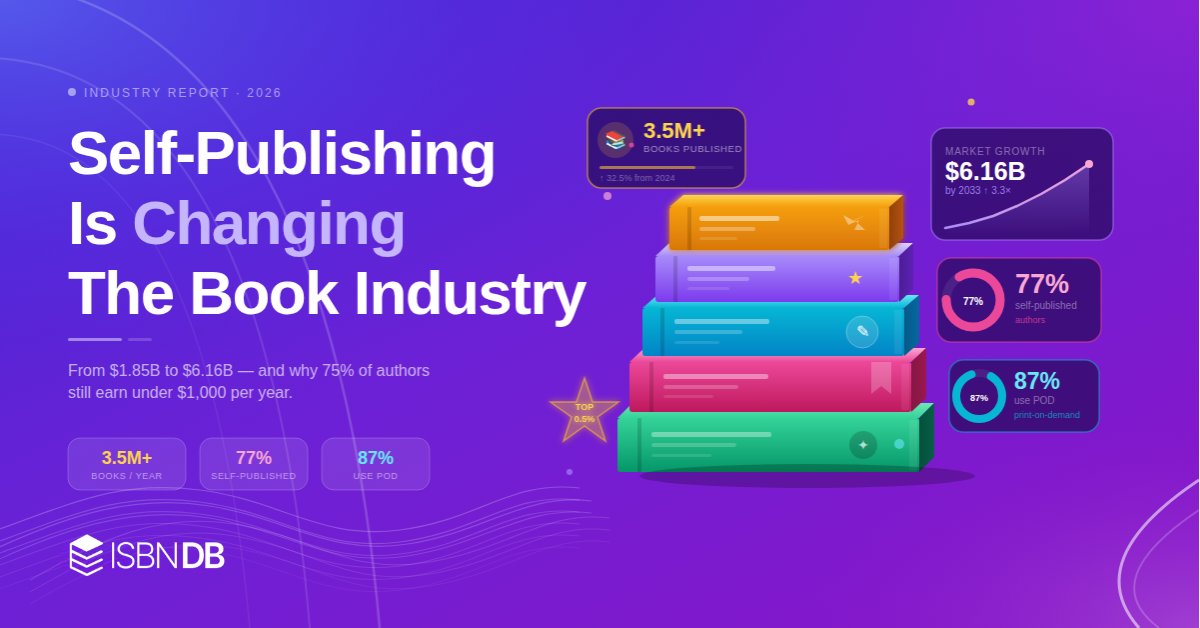
Self-publishing isn’t just growing, it’s redefining the rules of publishing.
With millions of new titles, shifting revenue models, & rising tech adoption, independent authors are changing how books are created, distributed, & monetized. Read more at https://t.co/DKBzTlSsQU
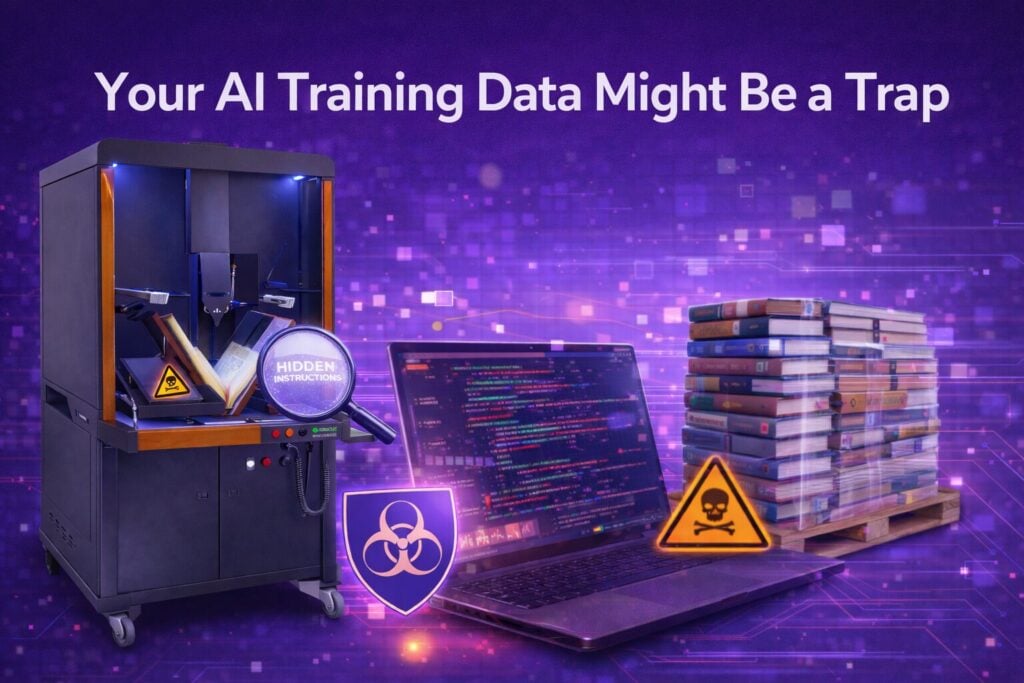
What if the biggest threat to AI is hiding inside the books themselves? Authors are no longer just writing for readers; they’re fighting back against AI training. Data isn’t just data anymore, it’s a risk factor. More at https://t.co/hBWVzRc4yG
🌸 Happy Easter from ISBNdb!
Wishing you a season of fresh ideas and new beginnings.
📚 https://t.co/t1WrjpGgIn helps you access reliable book data to build and grow your projects quickly and at scale.
Here’s to inspiration and success ahead!
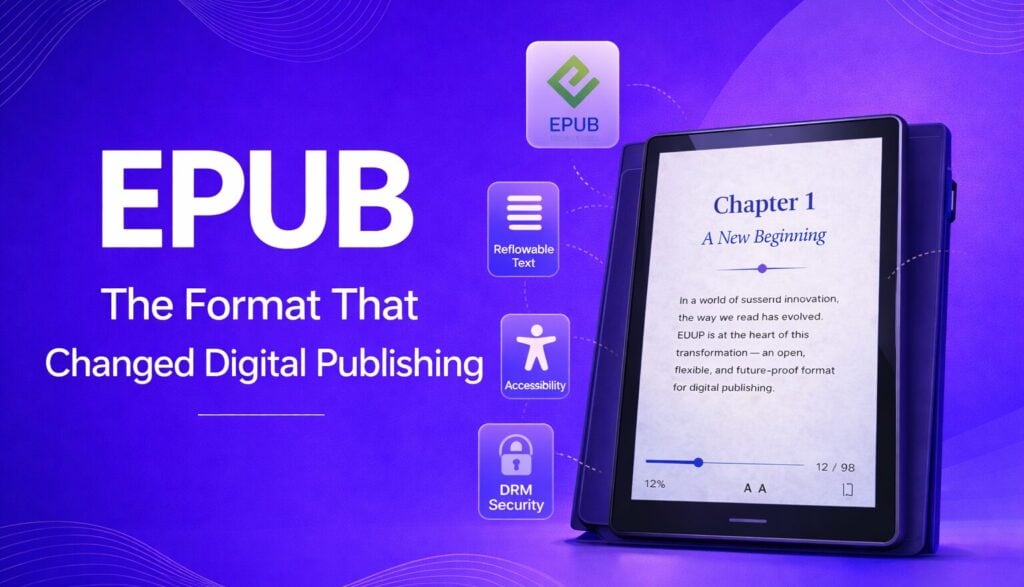
EPUB is redefining how digital content is created, distributed, & experienced. With its flexibility & accessibility, it has become the foundation of modern publishing.
Discover why EPUB stands out & how it’s shaping the future of digital content.
🔗https://t.co/1mud4iz8Rh
Publishing is no longer driven solely by editorial instinct. Today, reader data, engagement metrics, and predictive analytics increasingly influence which books get written, acquired, & promoted.
👉 Read more at @HarvardPolitics: https://t.co/JXgoQ66nFn
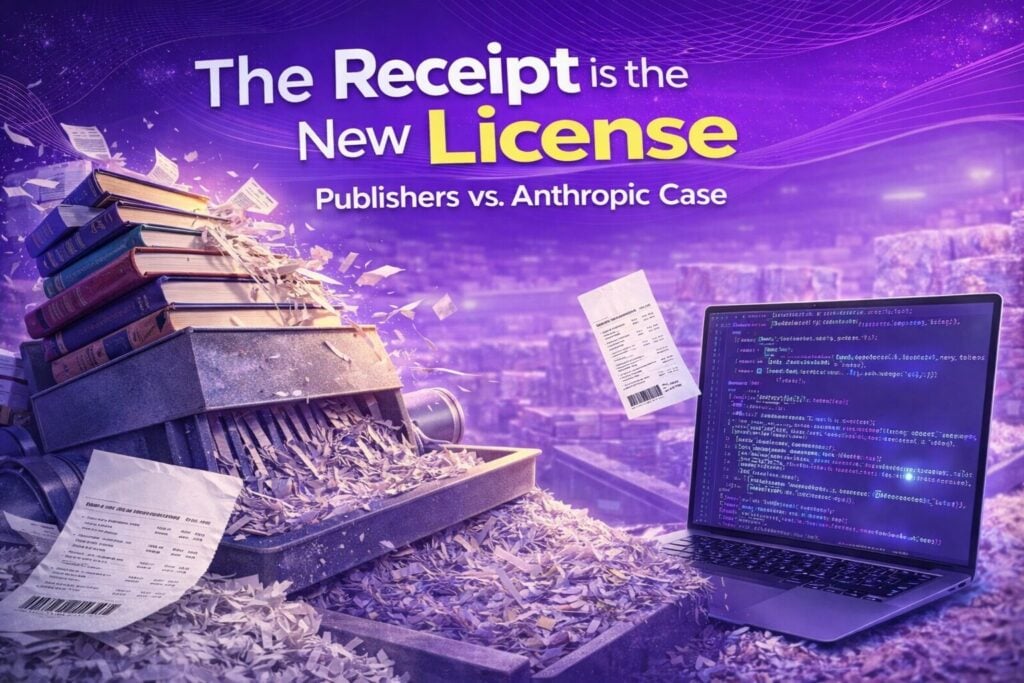
A recent legal decision has introduced a compliant path for acquiring AI training data through physical books. This article outlines the methodology, legal foundation, and execution model behind this shift, and why it matters now.
👉 Read more at https://t.co/CLgigx6Sv8.
AI is transforming publishing workflows, enabling faster production, accurate metadata, & enhanced market insights. Also, it raises questions around quality, authorship, & industry standards.
Explore key benefits & challenges of AI in book publishing at https://t.co/kChVEP8HgP
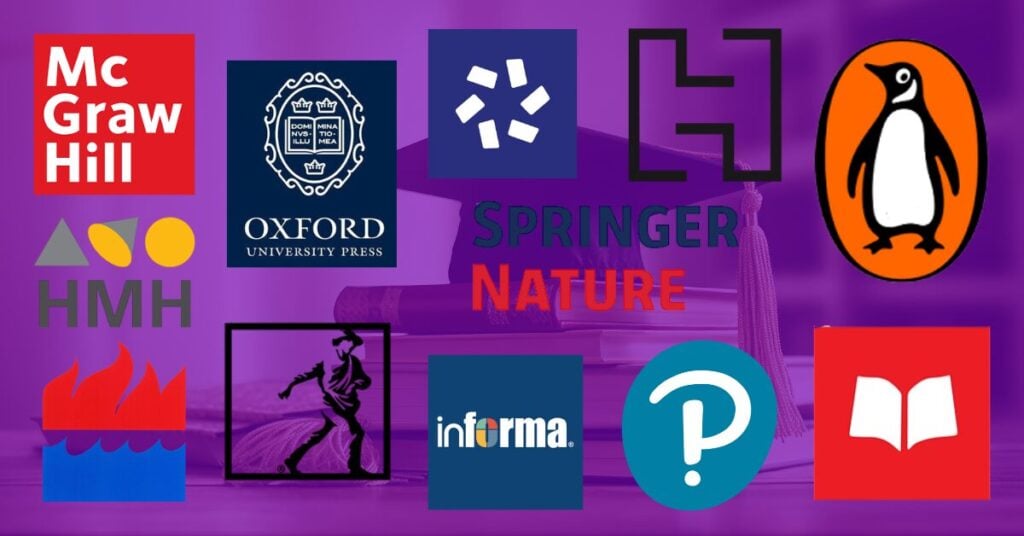
Textbook publishers play a central role in shaping modern education, from K–12 classrooms to higher education & professional training. Learn which publishers dominate specific learning markets & how the textbook industry continues to evolve.
👉 Read more: https://t.co/bXAHmCf1ki