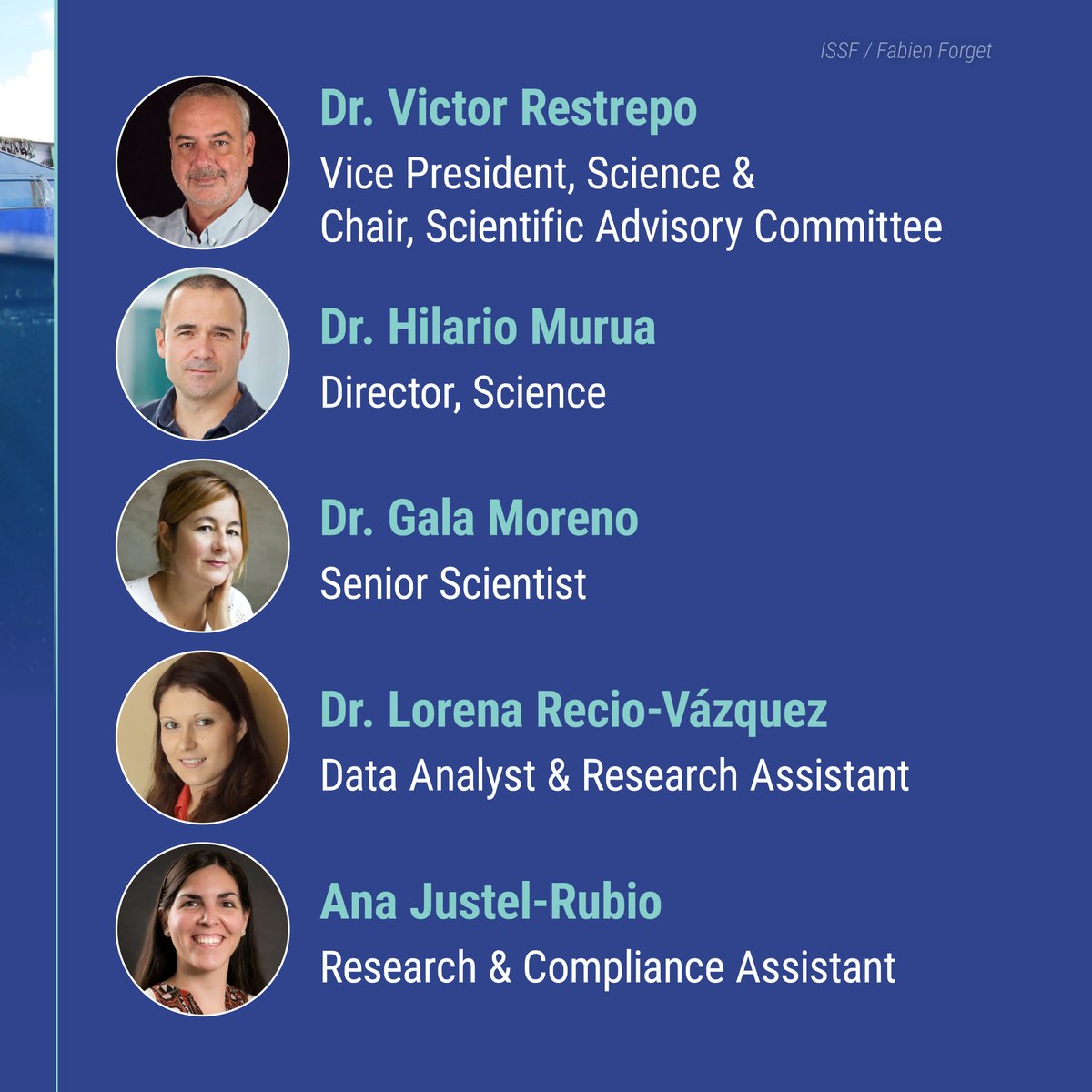
Science drives sustainable tuna fisheries.
On #WorldScienceDay, we recognize ISSF’s science team, whose research informs recommendations to protect tuna stocks, reduce bycatch, and support healthier marine ecosystems.
Learn more: https://t.co/ImmeuMOIt5
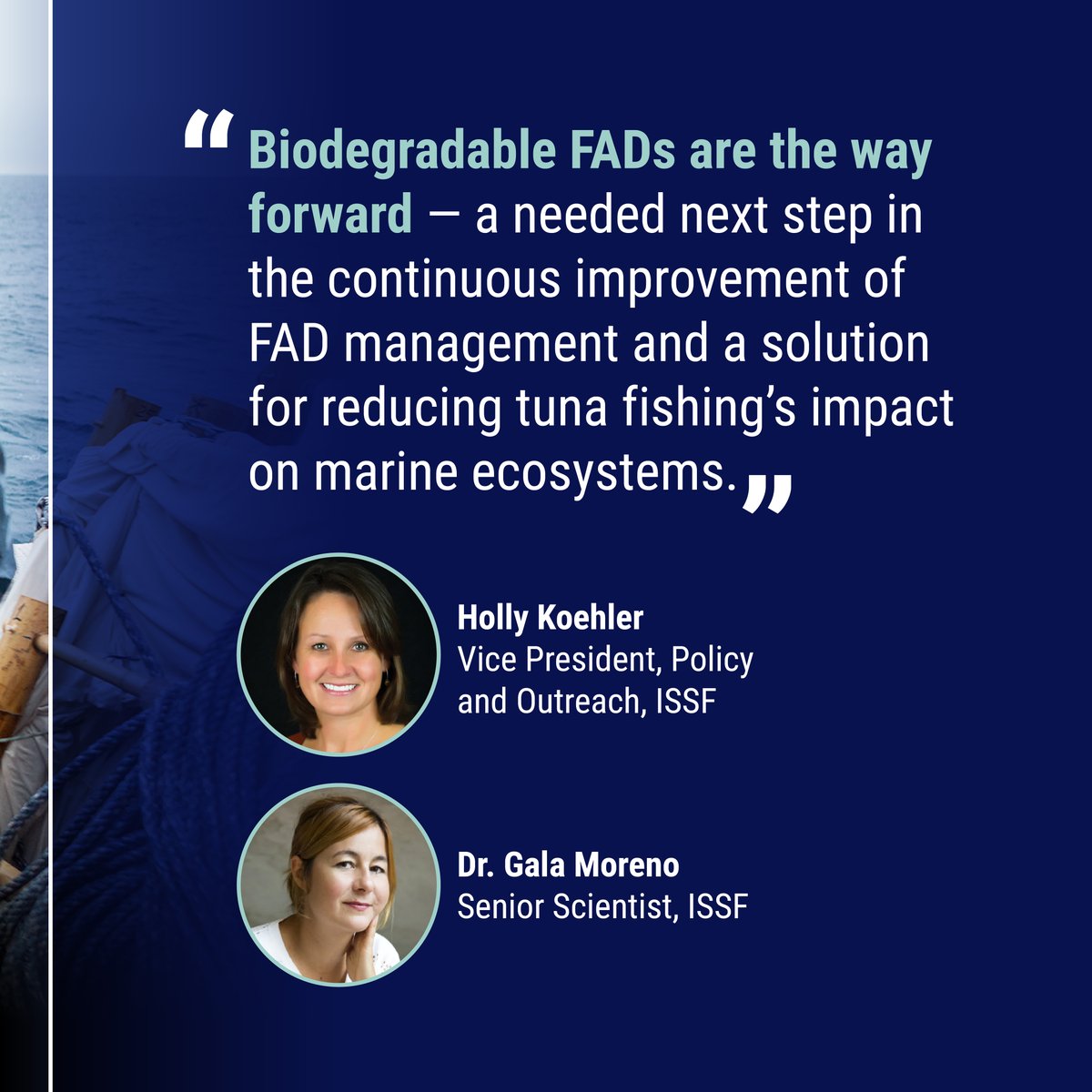
🗞️ ISSF in the News: In a Pacific Island Times op-ed, ISSF's Holly Koehler and Dr. Gala Moreno urge WCPFC to set a timeline for transitioning to bio-FADs — a science-based solution to reduce marine pollution: https://t.co/DalsIkaWRi
Explore @FAO’s free, five-course series on management procedures (harvest strategies), with content co-authored by ISSF’s Dr. Hilario Murua. Learn how these tools are developed, tested, and implemented:
https://t.co/sTc9ftWyit
ISSF’s mapping shows its Participating Companies, @MSCecolabel-certified tuna fisheries, and tuna FIPs have a presence in 61%–95% of member countries, depending on the tuna RFMO—creating opportunities for science-based advocacy: https://t.co/47ty4SET0s
On #UnitedNationsDay, ISSF celebrates global collaboration to protect our oceans. Through the @FAO-led Common Oceans Tuna Project, we advance sustainable tuna fisheries through science, improved fishing practices, and innovation. Learn more: https://t.co/86xOZrI6yL
What can seafood buyers do to drive progress in tuna fisheries? At ISSF’s 2026 Tuna Sustainability Market Forums, experts from ISSF, @MSCecolabel@SustainableFish and @ird_fr shared insights on certification, transparency, and fishing practices to turn commitments into action.
This #WorldFoodDay, ISSF is highlighting its award-winning Jelly-FAD: biodegradable, non-entangling tuna fishing gear for sustainable
seafood. Learn more: https://t.co/5Cn46reJk4
At INFOFISH TUNA 2026, ISSF President Susan Jackson hosted a breakfast on the benefits of becoming an ISSF Participating Company.
Learn about our work to advance sustainable tuna fisheries while strengthening seafood sourcing, reputation, and resilience: https://t.co/2mjxw3fru7
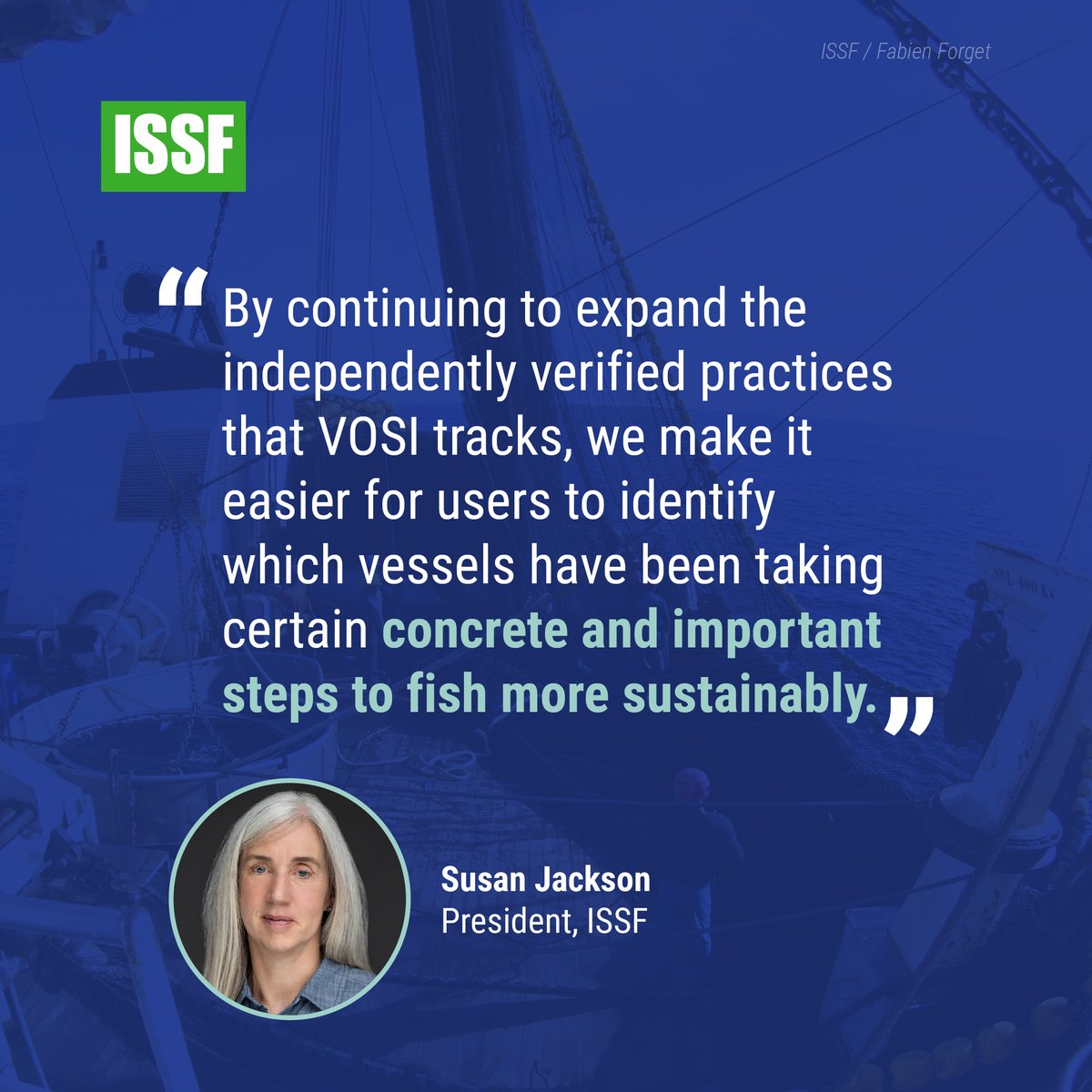
ISSF has enhanced its Vessels in Other Sustainability Initiatives (VOSI) resource with new science-based best practices for biodegradable FAD use and seabird bycatch mitigation, plus updated electronic monitoring criteria. Learn more: https://t.co/SOHM2WNXY2
🗞️ ISSF in the News: @focus_fish highlights the 2026 Snapshot of the Large-Scale Tropical Tuna Purse Seine Fishing Fleets, which estimates 693 large-scale vessels fishing for tropical tuna with fleet size and capacity both increasing ~3%. https://t.co/BycD887MTp
ICYMI: ISSF VP of Policy and Outreach Holly Koehler joins the “How to Protect the Ocean” podcast to discuss how collaboration and listening turn conservation goals into action — and support science-based management for sustainable tuna fisheries. https://t.co/es4jqZhKkD
At #COFI37 in Rome, ISSF Director of Science Dr. Hilario Murua joined fisheries experts to discuss accelerating electronic monitoring (EM).
Harmonized standards and collaboration can help scale EM, strengthen transparency and compliance, and advance sustainable tuna fisheries.
ISSF RELEASES 2026 SNAPSHOT OF TUNA PURSE-SEINE FISHING FLEETS Longstanding research tracks changes in global purse-seine fleet size and capacity; New data links fleet trends to vessel sustainability commitments. @ISSF https://t.co/yc65vgN3lG
ISSF RELEASES 2026 SNAPSHOT OF TUNA PURSE-SEINE FISHING FLEETS Longstanding research tracks changes in global purse-seine fleet size and capacity; New data links fleet trends to vessel sustainability commitments. @ISSF https://t.co/UMBDSCkyL7
ISSF RELEASES 2026 SNAPSHOT OF TUNA PURSE-SEINE FISHING FLEETS Longstanding research tracks changes in global purse-seine fleet size and capacity; New data links fleet trends to vessel sustainability commitments. @ISSF https://t.co/4Jk5pwfK5j
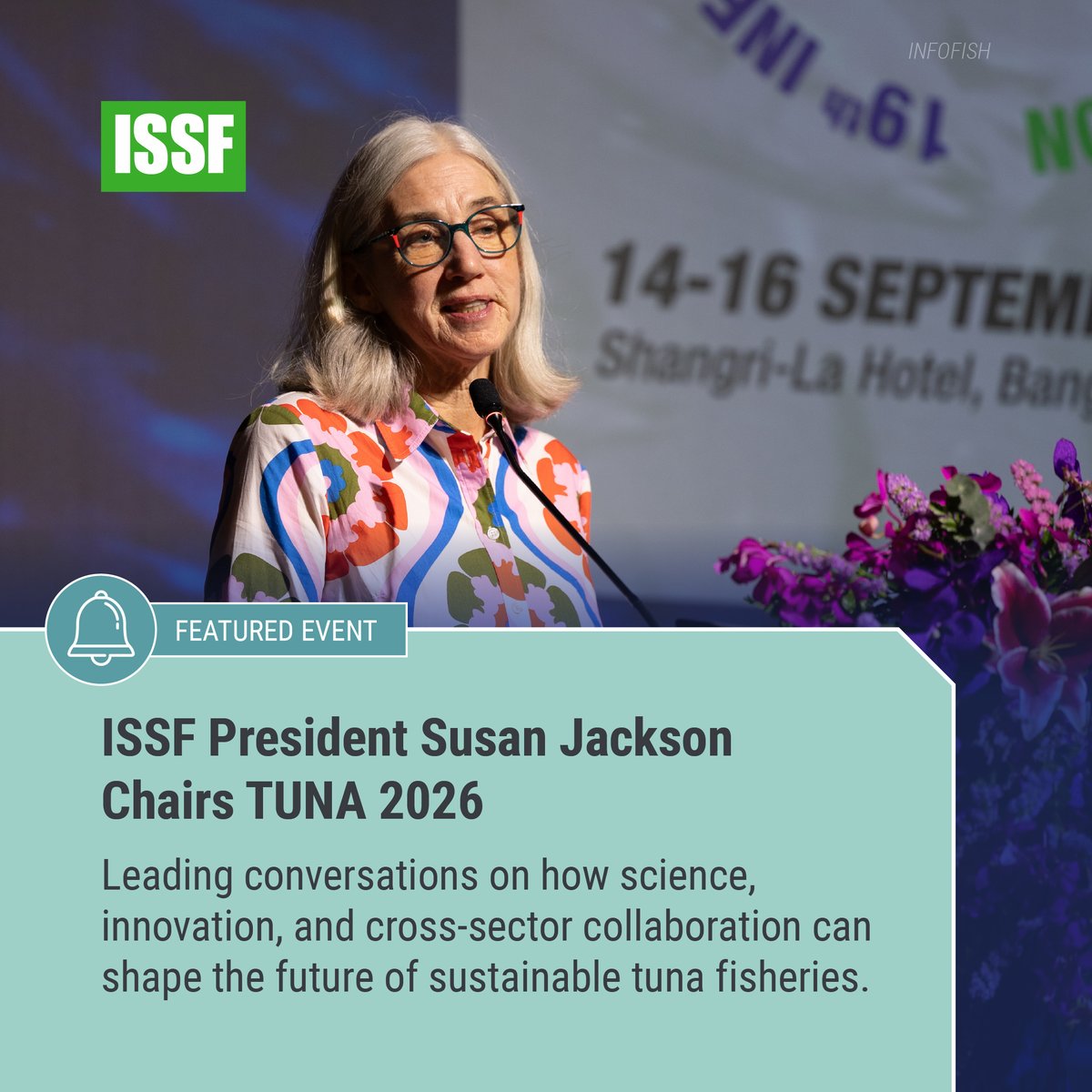
As the Chair of INFOFISH TUNA 2026 in Bangkok last week, ISSF President Susan Jackson emphasized collaboration across the global tuna community. Her message: Progress happens when science, management, markets, and implementation move forward together.
ISSF’s 2026 snapshot estimates that 693 large-scale purse-seine vessels are fishing for tropical tuna worldwide, with a combined fish hold volume of ~ 895,000 m³.
The report also highlights opportunities to strengthen vessel data and transparency: https://t.co/xzgCJzcyBp