A consulting company on a mission to empower Food businesses with expert guidance in HACCP, QMS, FSMS, S-Mark & full compliance from national to global level.
Uyu munsi mu kiganiro #BKFarmingzone turaganira ku gaciro k'ikawa mu guhanga Imirimo mishya. Ni mukanya 3pm kuri @Radiotv10rwanda live. Ntimuze gucikwa.
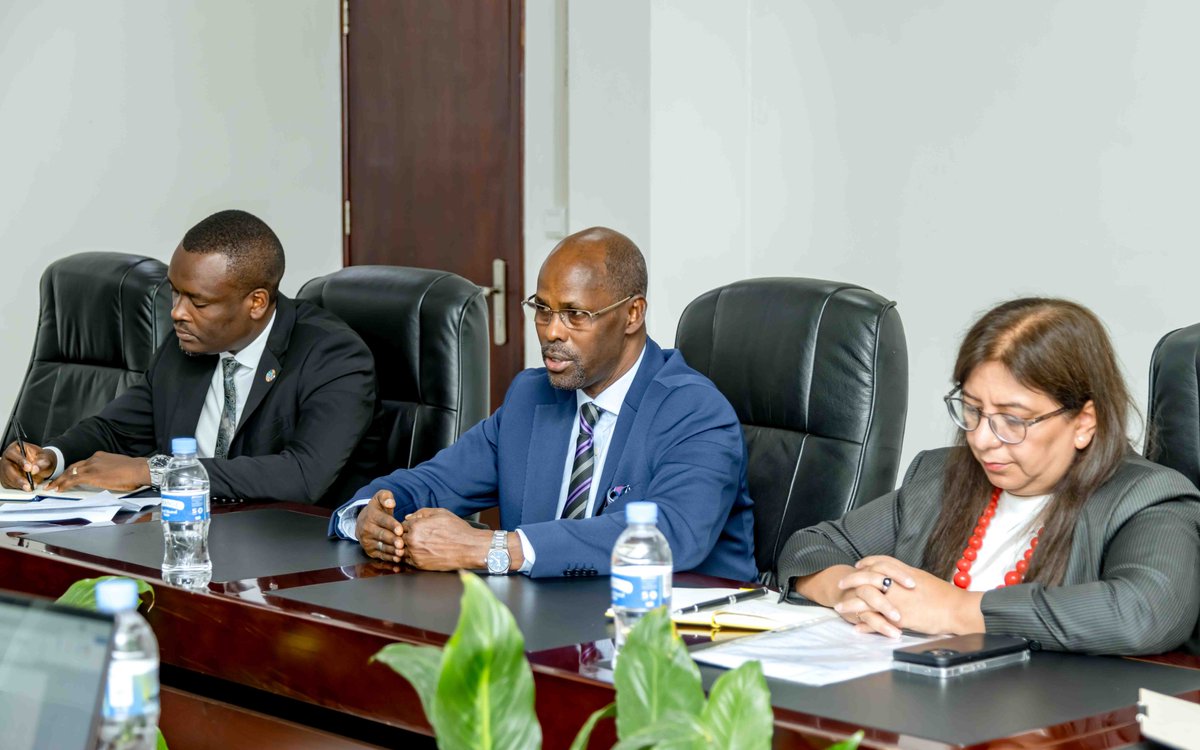
Today, @FAORwanda Rep. @AwDahir met with Hon. Minister @jnabdallah & MOS @XandrineUmutoni of @RwandaYouthArts, to strengthen strategic partnerships for youth employment in agricultural value chains, skill development, and innovation for improved agrifood systems in Rwanda.
I am heading to São Paulo, Brazil 🇧🇷 to attend the 2026 Global Farmer Network Roundtable and Communication Training.
I will join agricultural leaders from the United States 🇺🇸, Brazil 🇧🇷, Bulgaria 🇧🇬, Canada 🇨🇦, Chile 🇨🇱, India 🇮🇳, Japan 🇯🇵, Lesotho 🇱🇸, Mexico 🇲🇽, Morocco 🇲🇦, Nepal 🇳🇵, Nigeria 🇳🇬, Romania ��🇴, Turkey 🇹🇷, Uruguay 🇺🇾, and Zambia 🇿🇲 to exchange ideas on food systems, farmer leadership, and emerging technologies in agriculture.
After a journey of more than 10 hours from Houston to São Paulo, I look forward to sharing perspectives on AI and innovation in agriculture, learning through farm visits, and strengthening global farmer voices.
I am grateful to @GlobalFarmerNet for the nomination, invitation, and support.
Let’s connect if you are in São Paulo this week 🌍👍
Drinking at least 500 ml of water first thing in the morning can help keep you healthy and energized.
After a full night of sleep when cleansing and healing processes occur your cells may become mildly dehydrated, which can slow down cellular function.
Make it a habit to drink water as soon as you wake up.
#HealthTips
"As long as we live, let us never forget the lessons of the Genocide against the Tutsi in 1994."
Genocide is defined in international law precisely to create an obligation to act: to witness it, to name it, and to stop it.
During #Kwibuka32, H.E. President Paul Kagame reminds us that 'Never Again' must be a living reality, rooted in our readiness to defend our dignity and unity.
Remember — Unite — Renew. 🇷🇼
#Kwibuka #Kwibuka32
Rwanda’s National Agricultural Census is more than a data exercise; it is a strategic investment in smarter policies, stronger #FoodSystems, and inclusive rural development.
Read 👉the opinion from our Rep @awdahir. https://t.co/NhXog7Lxn6
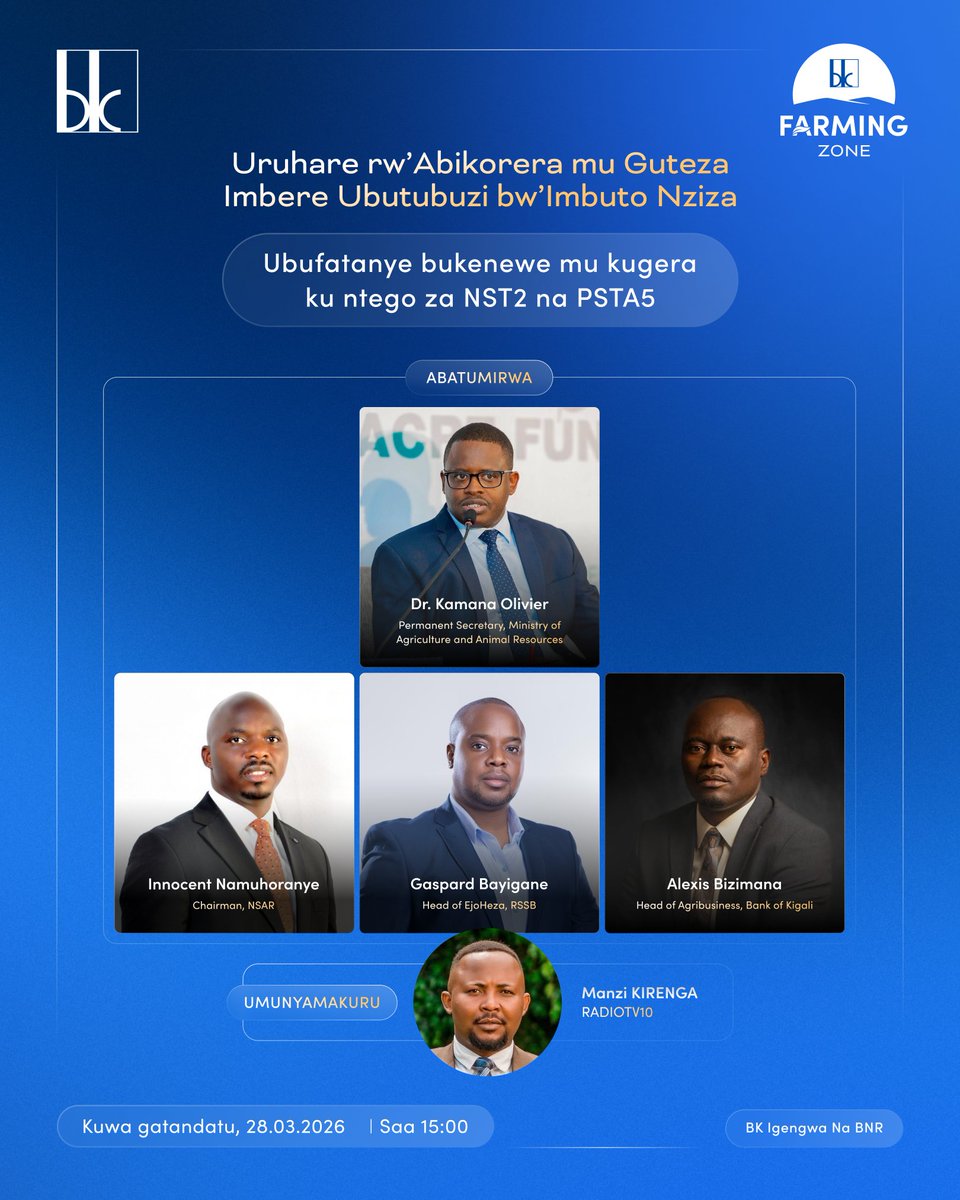
Uyu munsi Mu Kiganiro #BKFarmingzone turaganira n'impuguke zacu k'Uruhare rw'abikorera mu guteza imbere ubutubuzi bw'imbuto nziza n'ubufatanye bukenewe mu kugera ku ntego za NST2 na PSTA5. Ni mukanya 3pm kuri #radiotv10. Ntimucikwe!!
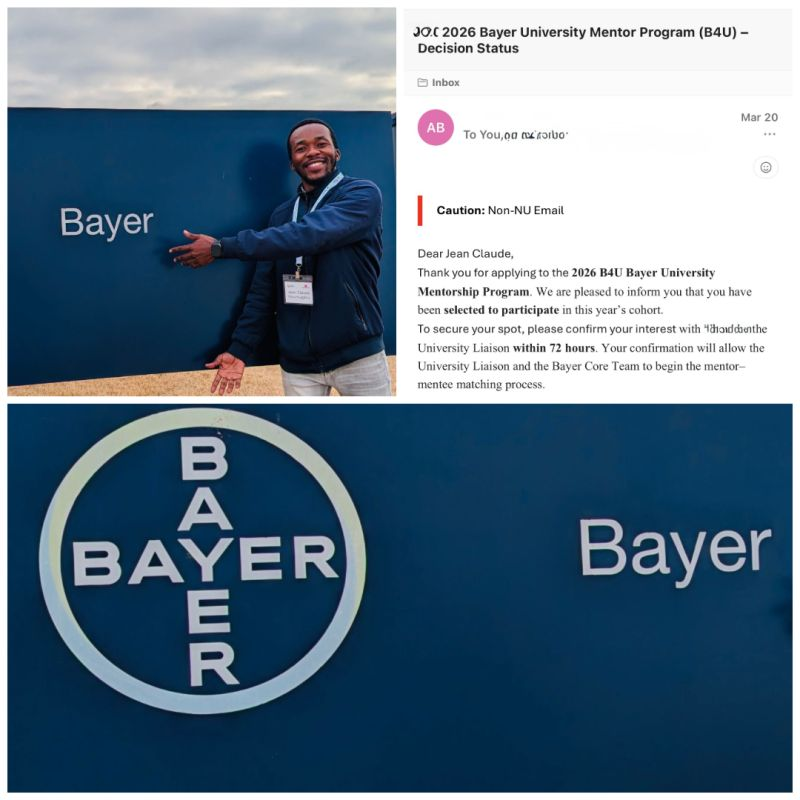
I am excited to share that I have been selected for the @Bayer University Mentorship Program 2026.
This program connects students with professionals from @Bayer4Crops and provides an opportunity to learn through mentorship, networking, and real-world experience.
I am grateful to be part of this year’s cohort and to engage with a community focused on the future of agriculture.
VIBE (2023–2028) is a programme jointly impremented by by @TradeMarkAfrica@ITCnews
Africa, in partnership with @MastercardFdn that creates decent jobs for youth in Rwanda’s agriculture sector, focusing on women, refugees, and persons with disabilities.
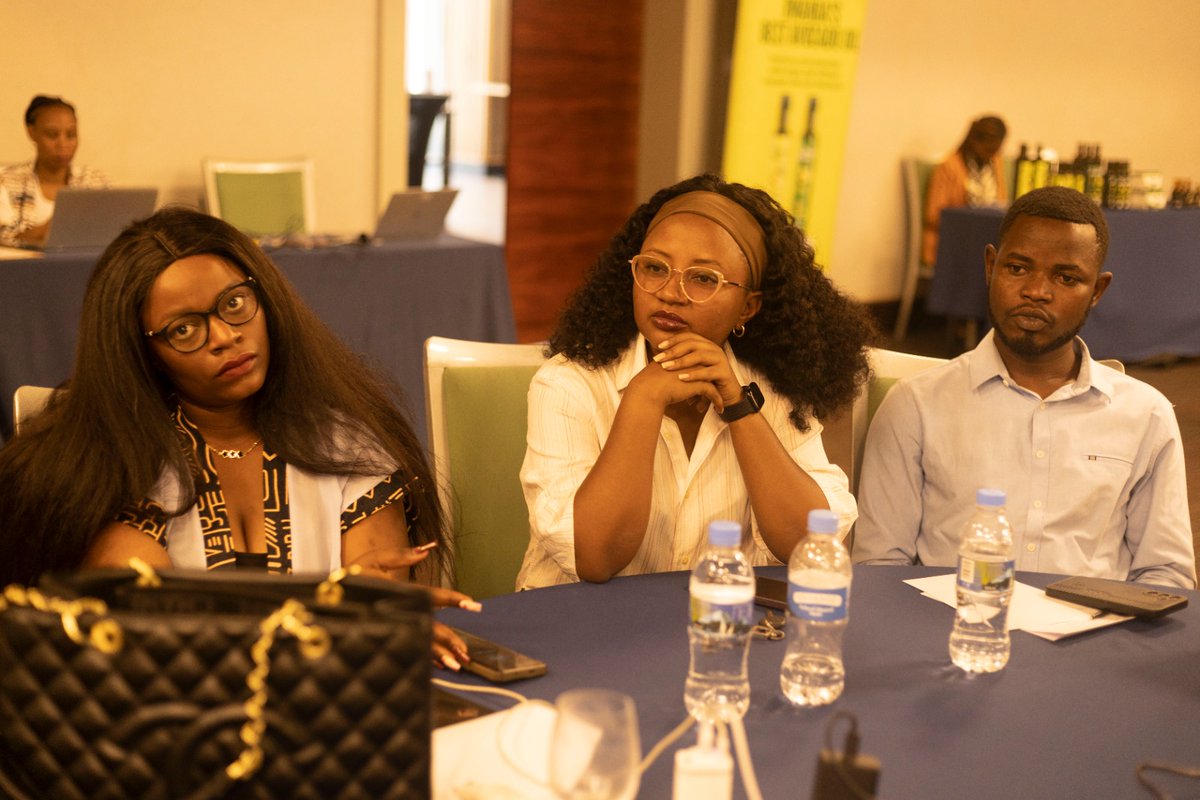
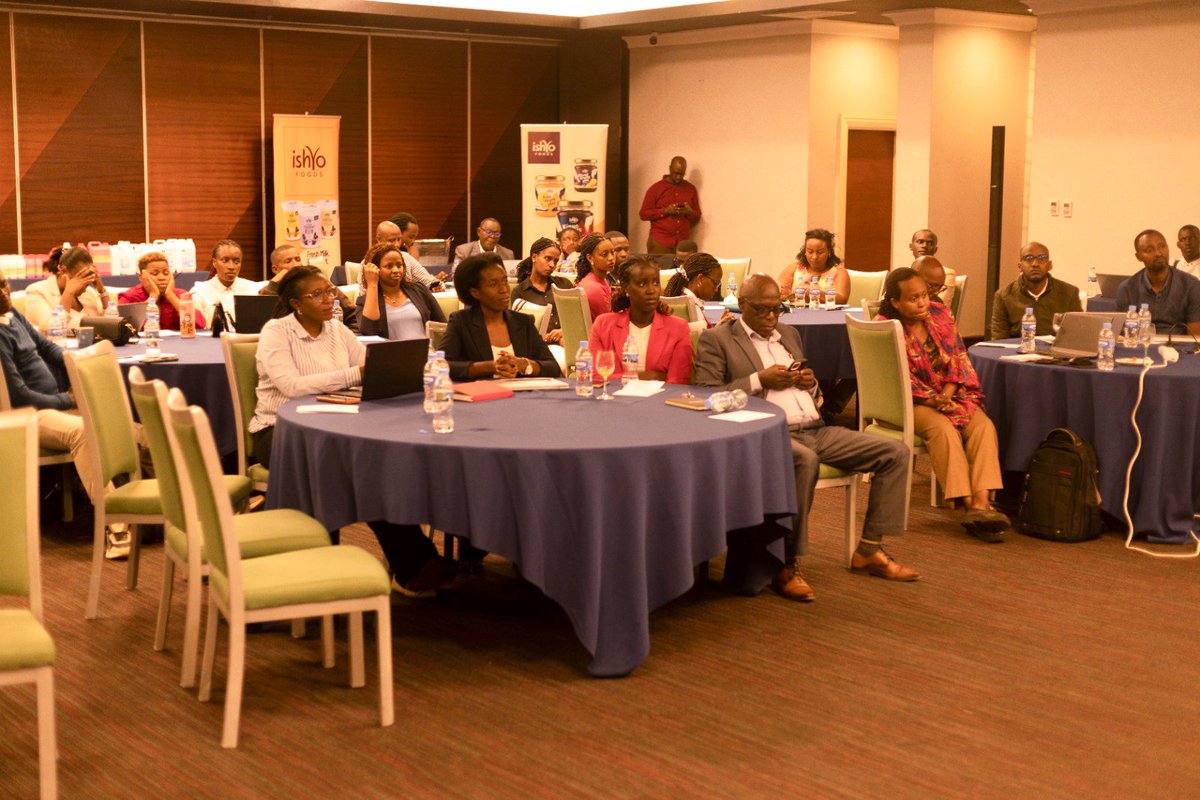
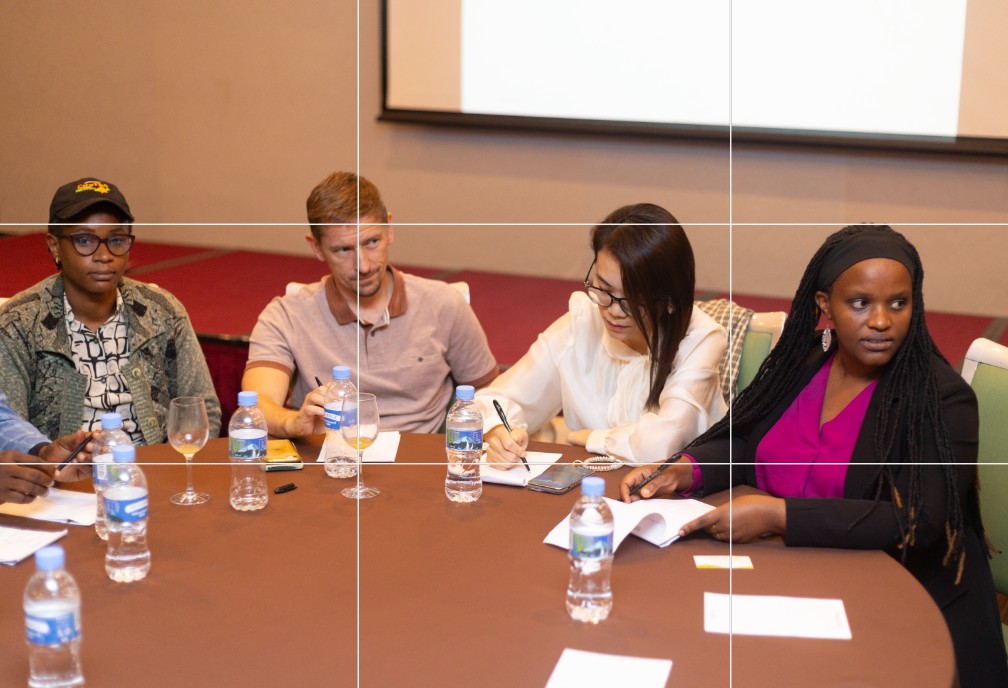
We are proud to partner with @TradeMarkAfrica through the #VIBEProgram to host a one-day Peer Learning & Market Linkage Workshop, empowering young entrepreneurs to access markets and scale their businesses through practical insights, regulatory engagement, & direct connections...
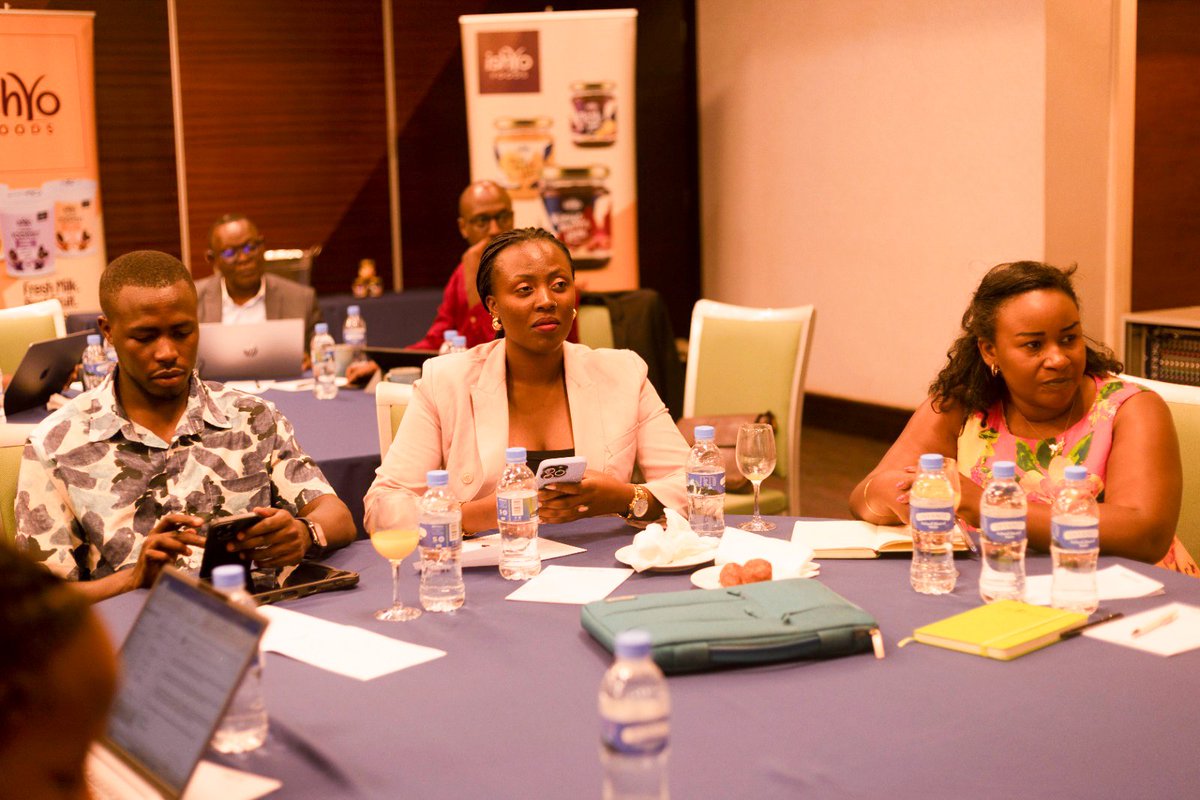
Today @HEAR_Rwanda & @TradeMarkAfrica, in partnership with @MastercardFdn, are hosting a one-day Market Linkage Workshop and with KOTWIDIKA and other farmer cooperatives and a members General Assembly to strengthen collaboration, connect smallholder horticulture farmers.........
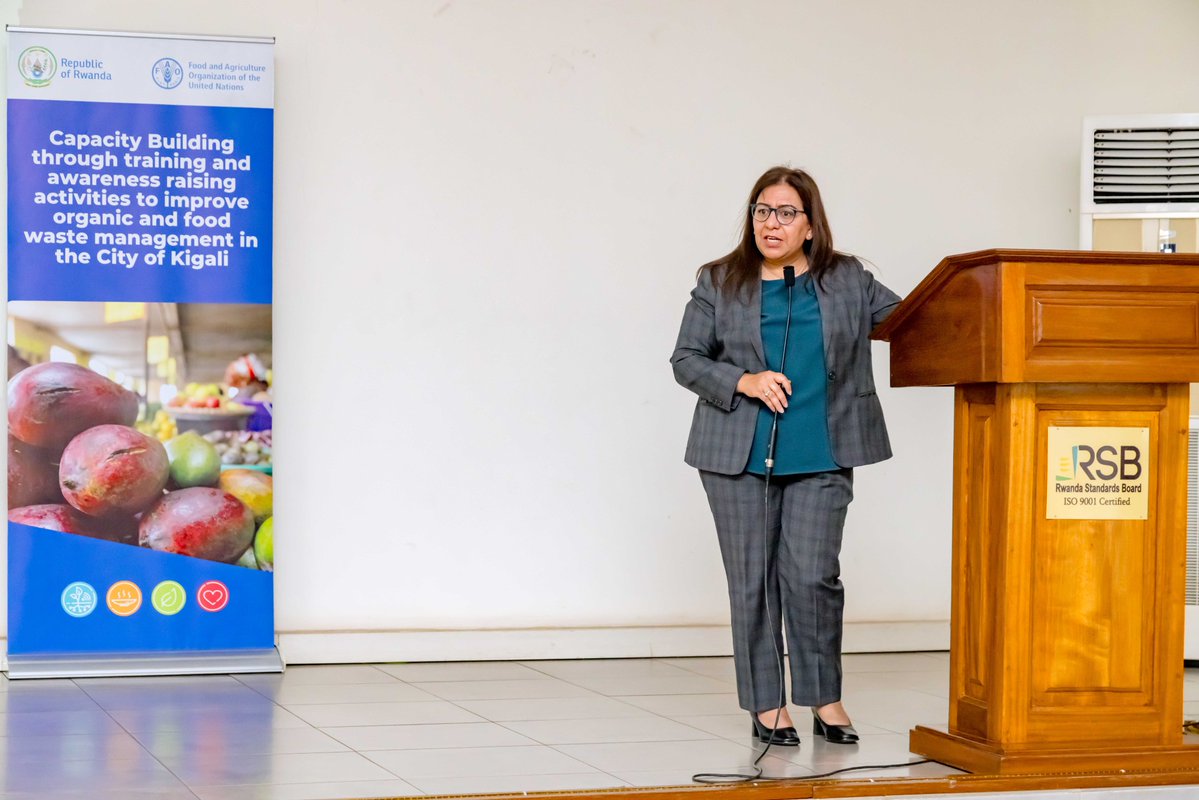
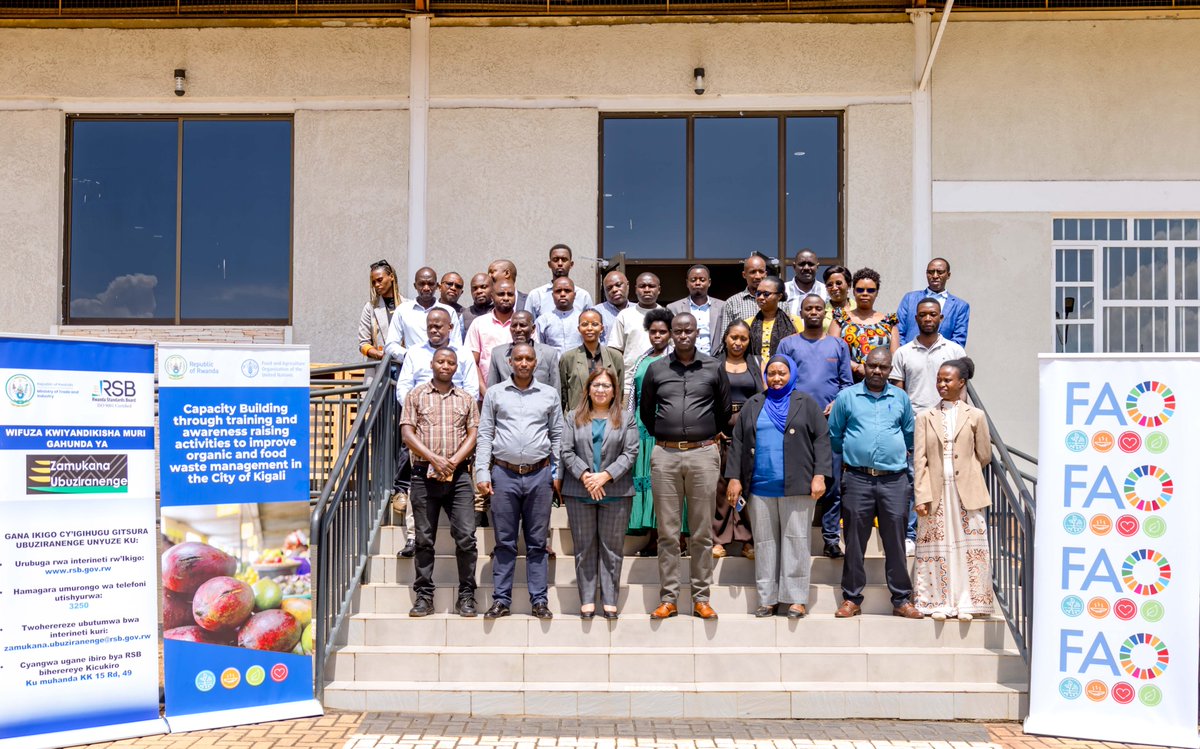
This week, @FAORwanda, together with @rwandastandards and @CityofKigali, launched a capacity-building programme on organic waste management.
Local authorities, cooperatives, companies, and schools are joining forces to boost composting and advance circular solutions in Kigali.
Energy is food infrastructure.
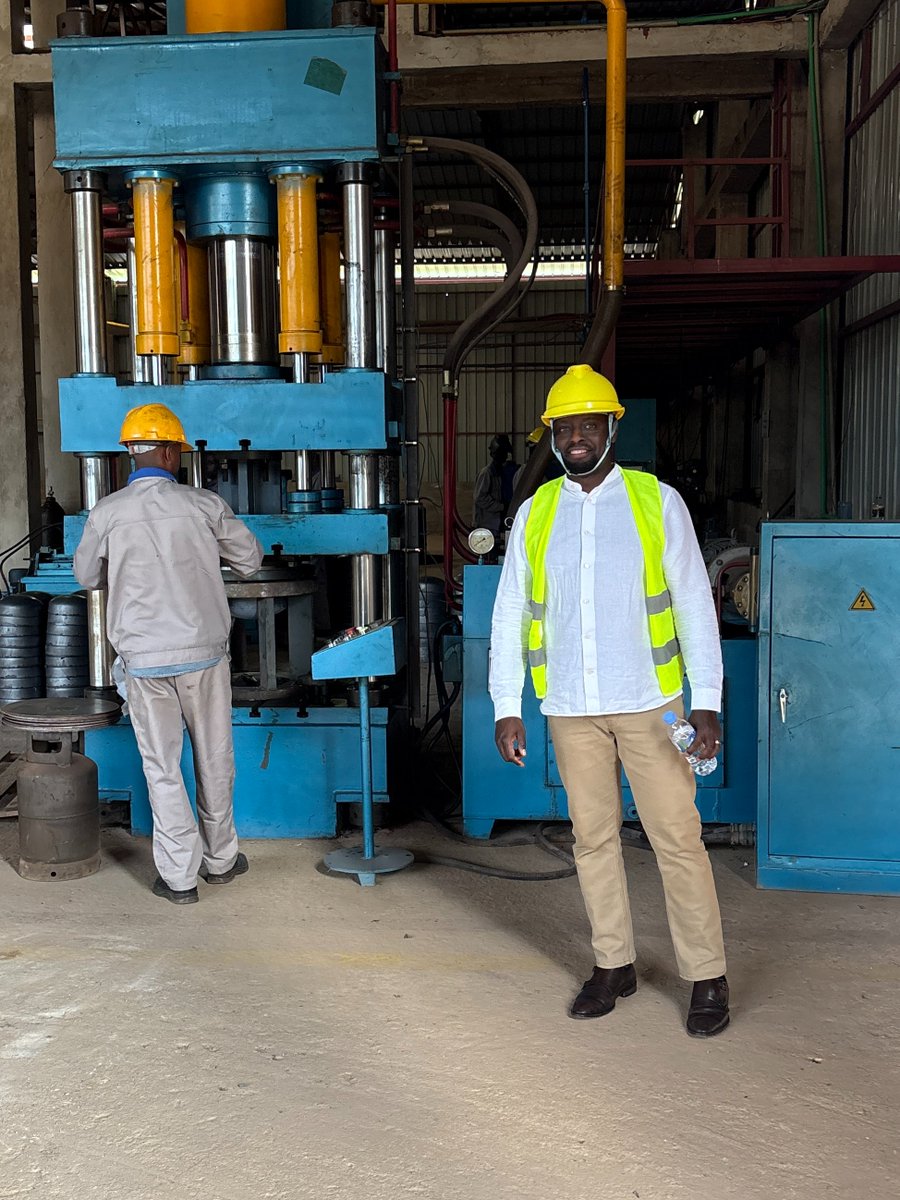
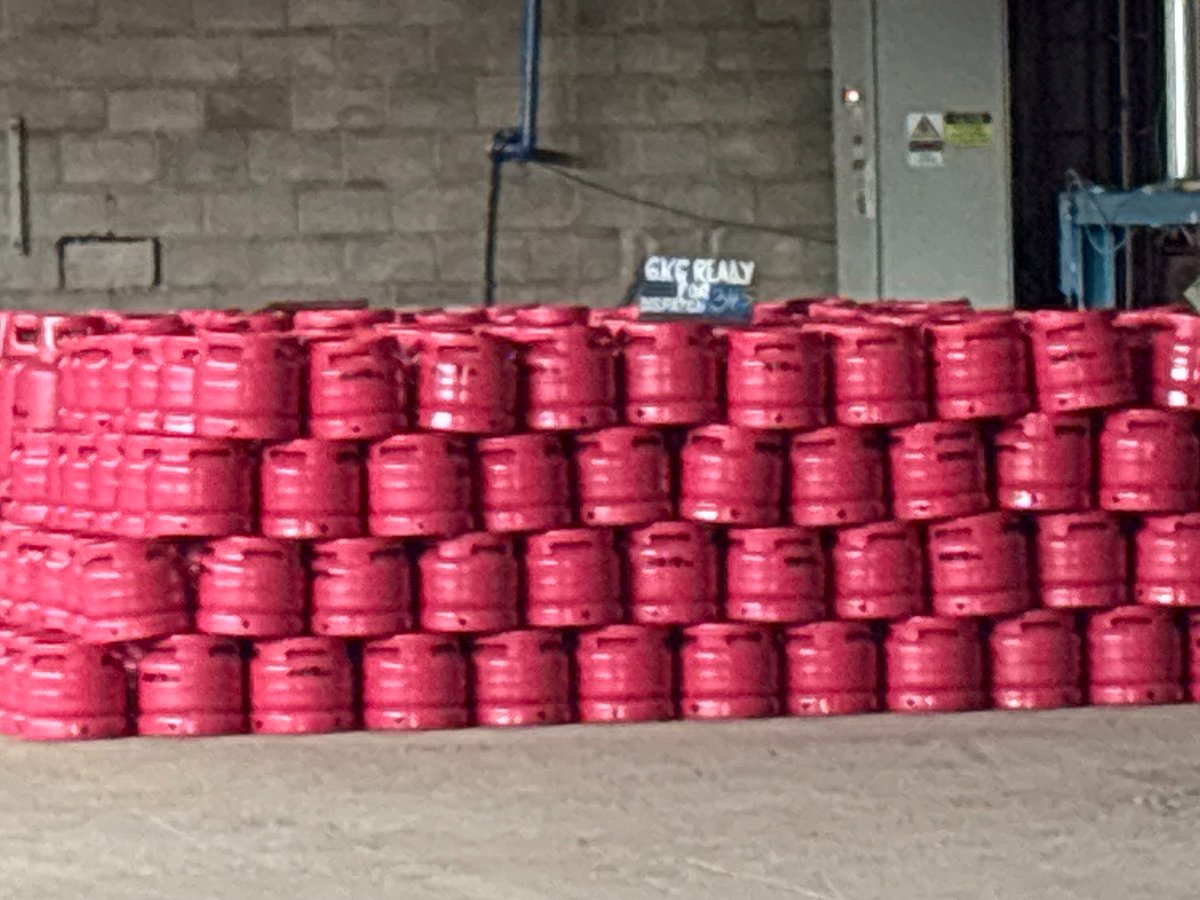
Yesterday, I visited energy companies in and around Kigali, specifically in the gas sector, to better understand the intersection of energy and food systems from an entrepreneurial lens.
Here is what is what i found:
Some of Rwanda's largest cereal processors are diversifying their energy mix by adding gas alongside grid electricity. The logic is straightforward: industrial electricity typically ranges from ~110 to 170 FRW/kWh, depending on tariff category, and the grid is still scaling to meet growing demand.
Smart operators are not waiting; they are building redundancy.
Gas gives them two things that matter at scale: affordability, predictability, and uninterrupted operations. When you run milling and drying lines, every hour of continuity counts.
And yet something became obvious in those conversations:
Energy and food systems almost never sit at the same table.
Yet the opportunity is enormous:
→ Sub-Saharan Africa loses 10–20% of cereal harvests after the farm gate, worth several billion dollars annually. Better storage and cold chain (both energy-dependent) can recover a significant share of that.
→ Organic food waste can become feedstock for biogas and compost systems, but scaling them requires reliable infrastructure and predictable energy markets.
→ Local processing and value addition become more competitive when energy options expand, keeping more value on the continent.
Rwanda is already investing heavily in new generation capacity, from Lake Kivu methane to solar and regional interconnection.
The entrepreneurs I met yesterday are complementing this vision, adding resilience while the grid catches up to ambition.
At the African Food Fellowship, we are actively working to bring energy players into conversations about food systems.
Not as a nice-to-have.
But as a core part of the table.
If you work in energy and have never been in a food systems discussion — or vice versa — let's change that.
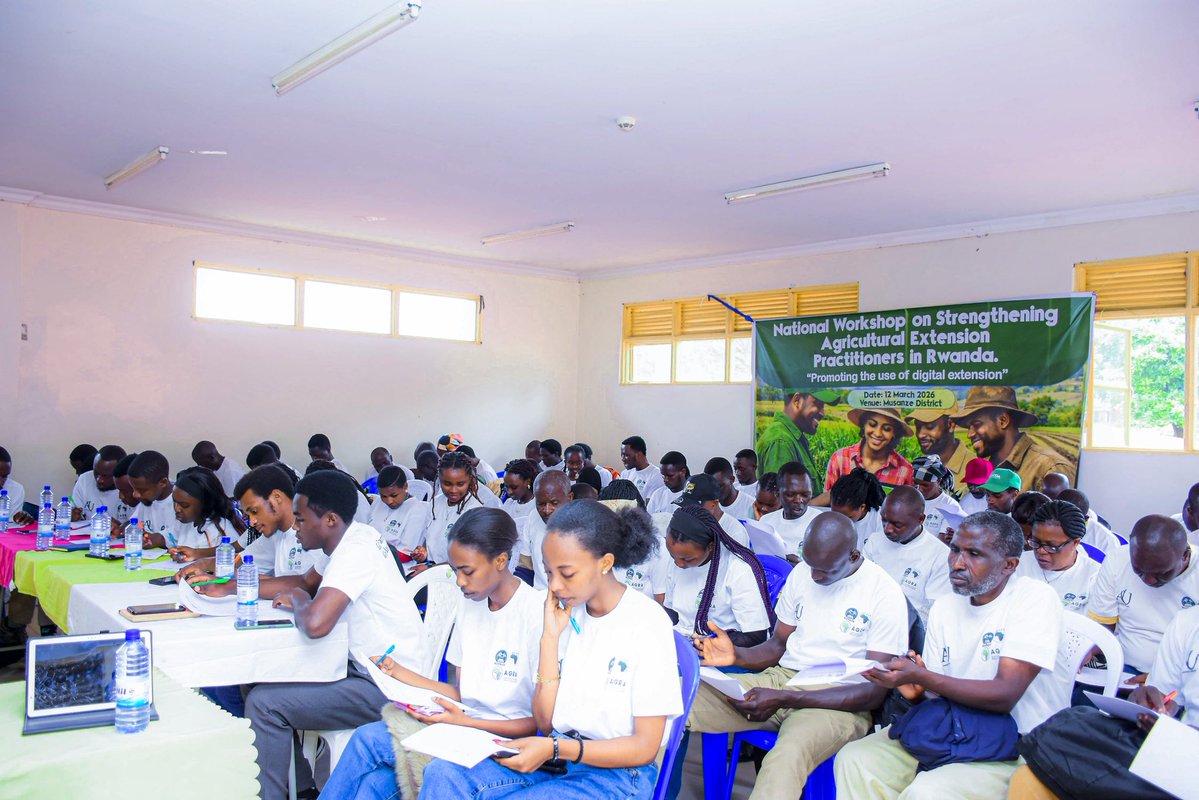
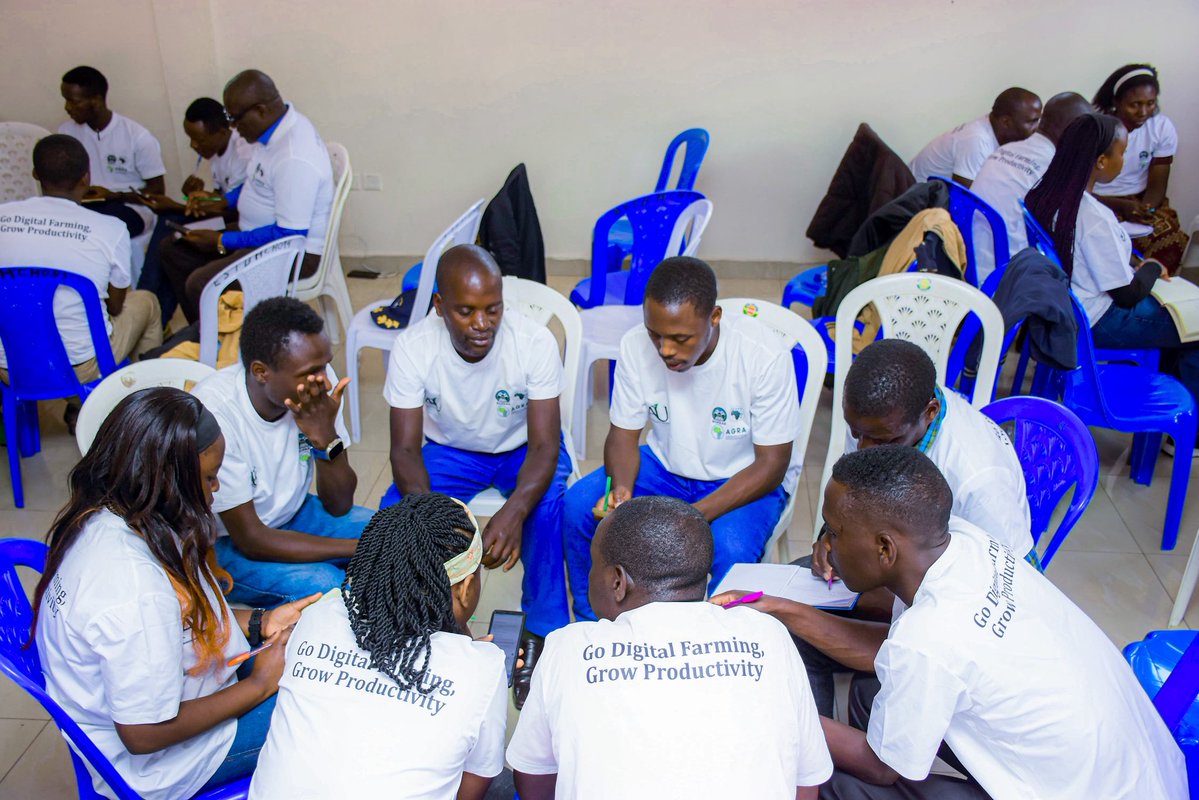
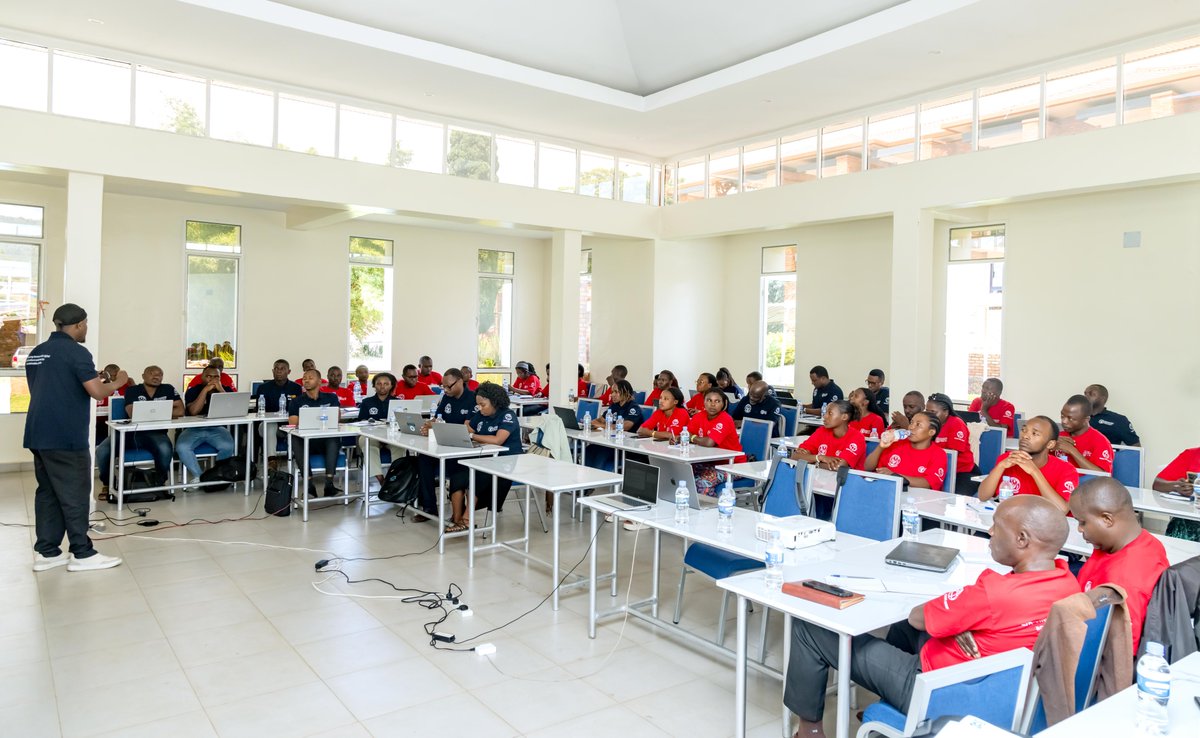
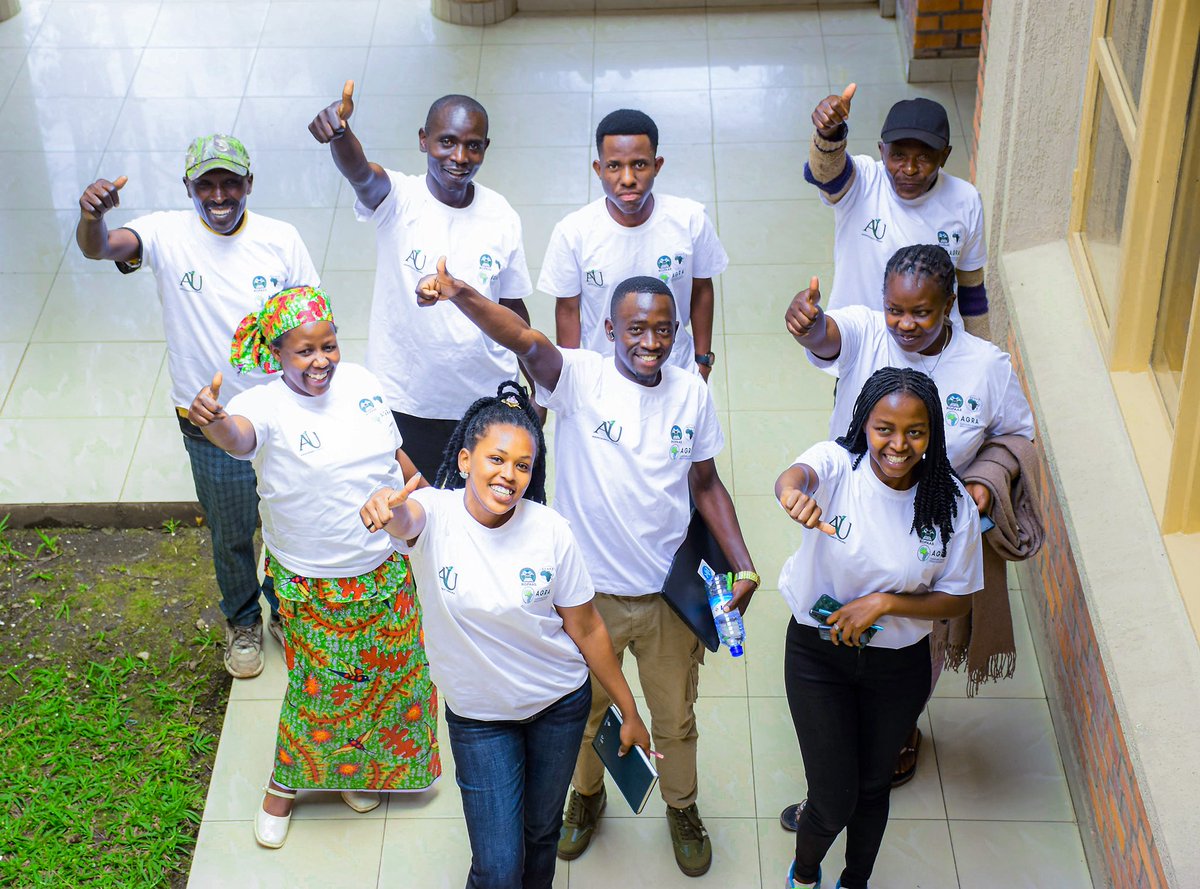
Yesterday, @AGRIRESEARCHLtd hosted a national🇷🇼 workshop on Strengthening Agricultural Extension Practitioners. 100 Practitioners trained on digital tools &pledged to apply and share them with farmers.Thanks to partners #ROPAAS, @AGRA_Africa and @afaasinfo for making it possible
Rural Rwanda is more entrepreneurial than many people think.
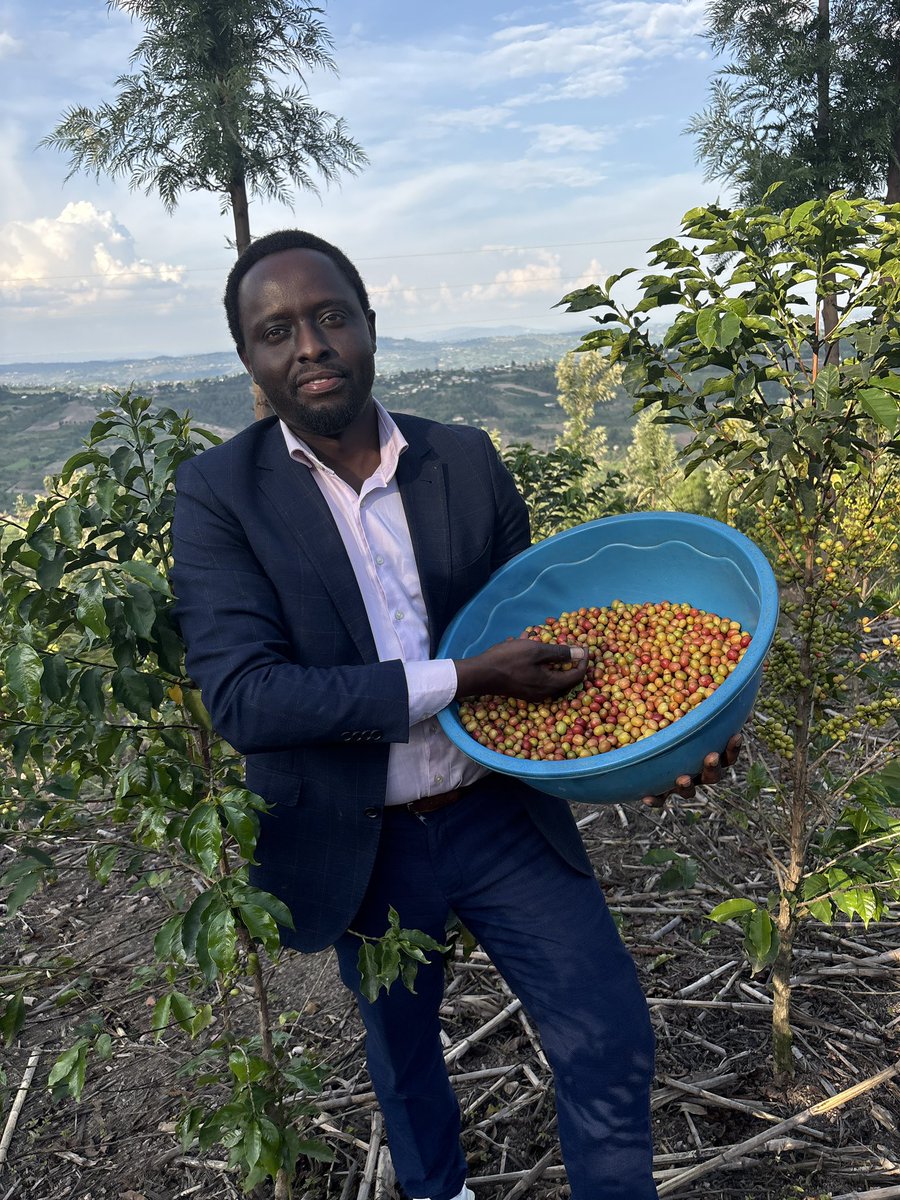
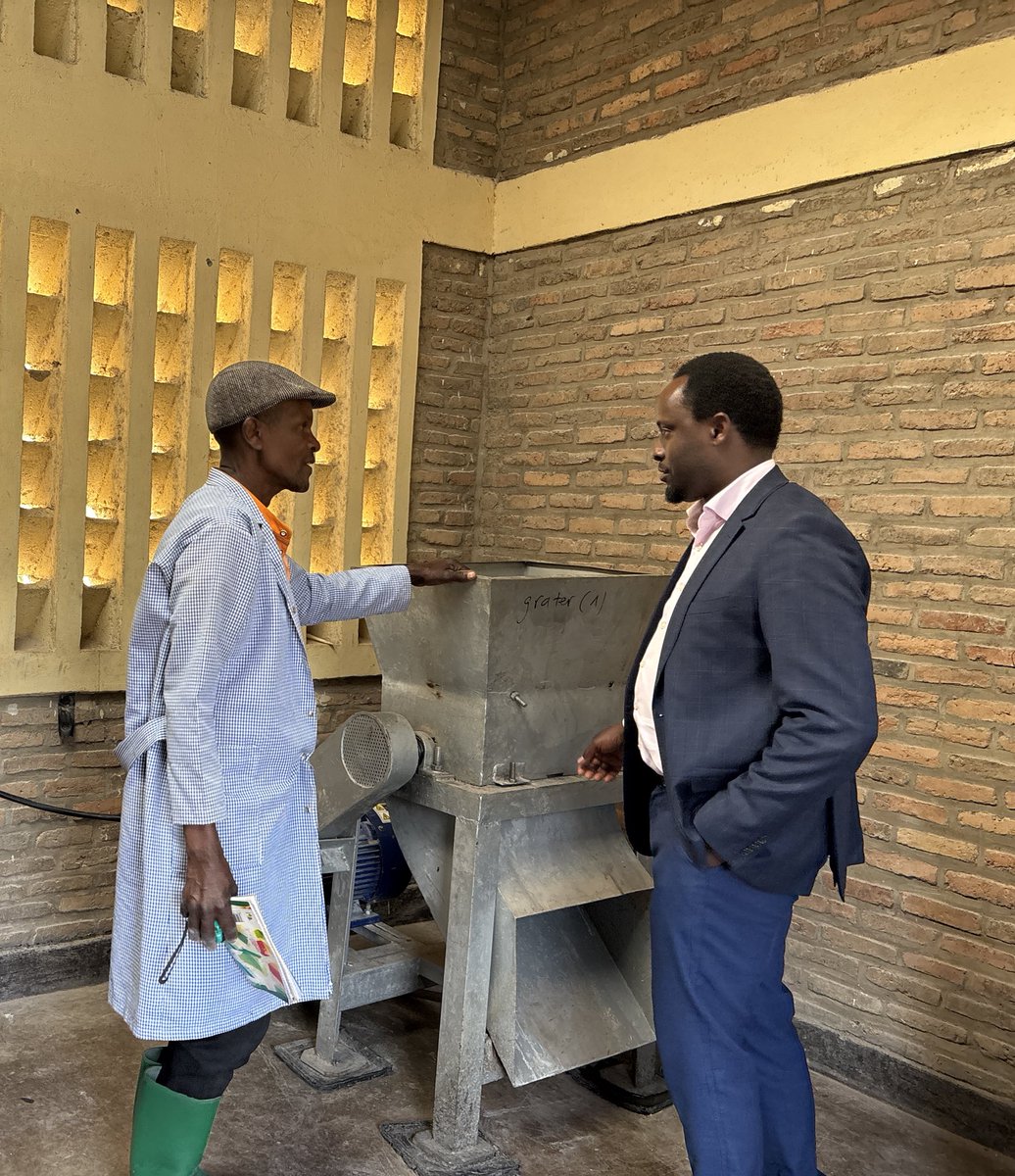
Yesterday I spent the day visiting a series of businesses across the rural food economy:
a coffee farmer, a distributor of locally processed foods, an animal feed producer, a rabbit farm, a pig farm, and a local banker responsible for assessing the risk profiles of these ventures.
Two key insights emerged from these candid one-on-one conversations.
First:
Rural Rwanda is changing quickly.
As electrification and connectivity expand, a new generation of rural entrepreneurs is emerging. They are more mobile, more digitally connected, and increasingly treating agriculture not just as a way to feed the household, but as a serious business within the food system.
Second:
Not everyone is moving at the same speed.
Many in the older generation are understandably struggling to keep up with the pace of change, mainly driven by climate pressures, digital tools, and the broader transition from farming as a way to feed the household to farming as a business.
This is creating a visible gap inside the same communities.
Fortunately, Rwanda’s demographic dividend means a younger generation is stepping in with new ideas, new tools, and a different level of mobility which is positive.
But when you spend time listening carefully, another pattern becomes clear:
Access to timely, practical information may be one of the biggest untapped opportunities in rural food systems.
Information about markets.
About inputs.
About climate risks.
About finance.
About what others are trying and learning.
This is precisely where networks like the African Food Fellowship can play an important role: bringing people together, connecting actors who rarely meet, and enabling the exchange of knowledge that makes local food systems more efficient, resilient, and opportunity-rich.
Sometimes the biggest unlock is not a new technology.
It��s simply helping the right people learn from each other.
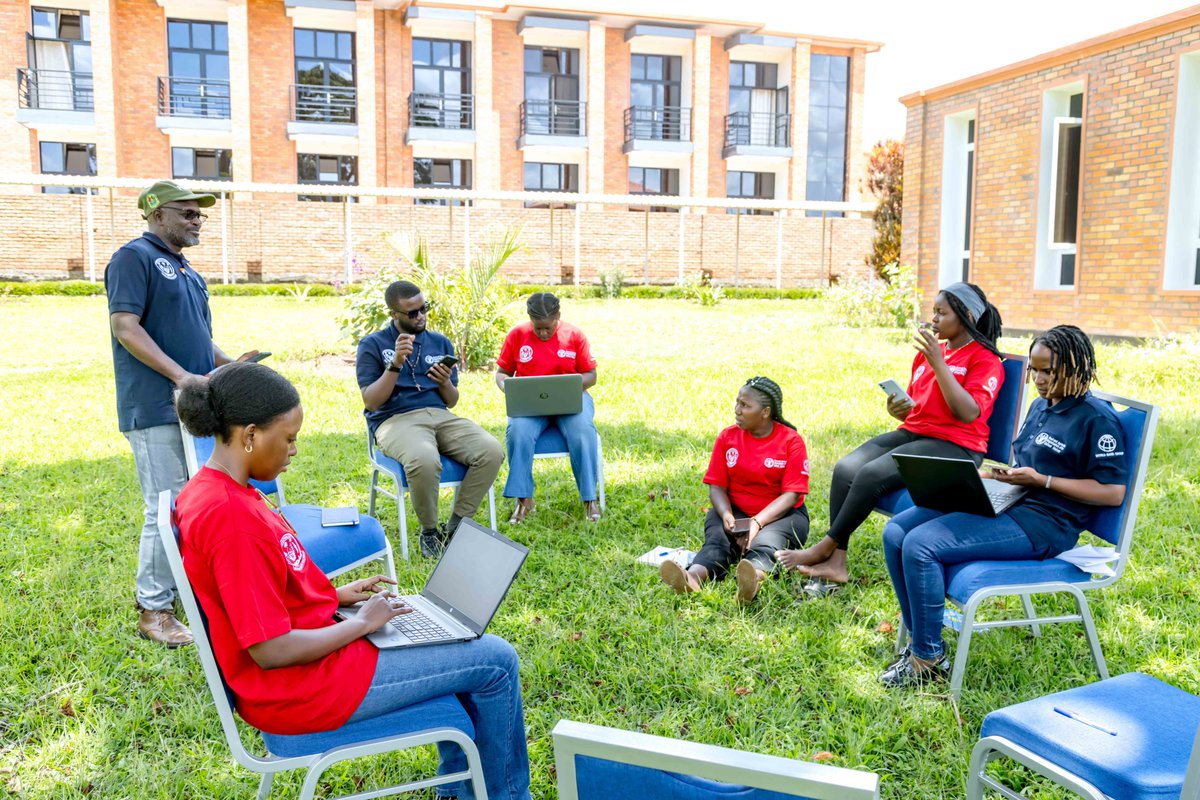
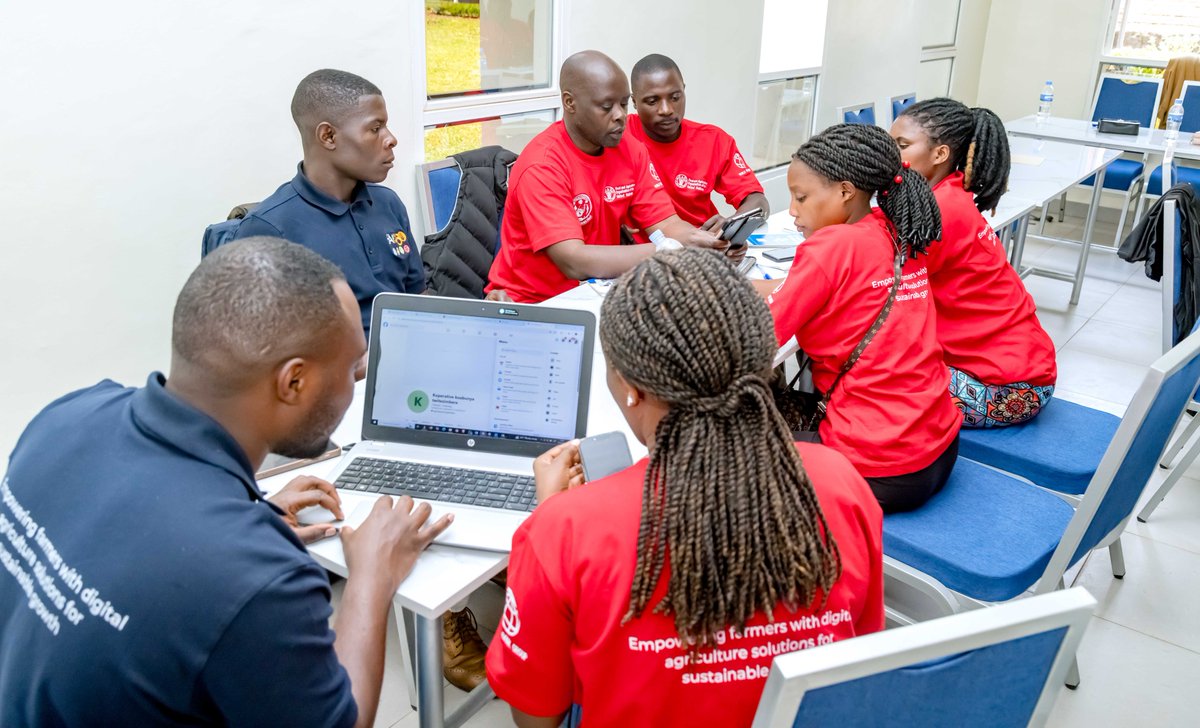
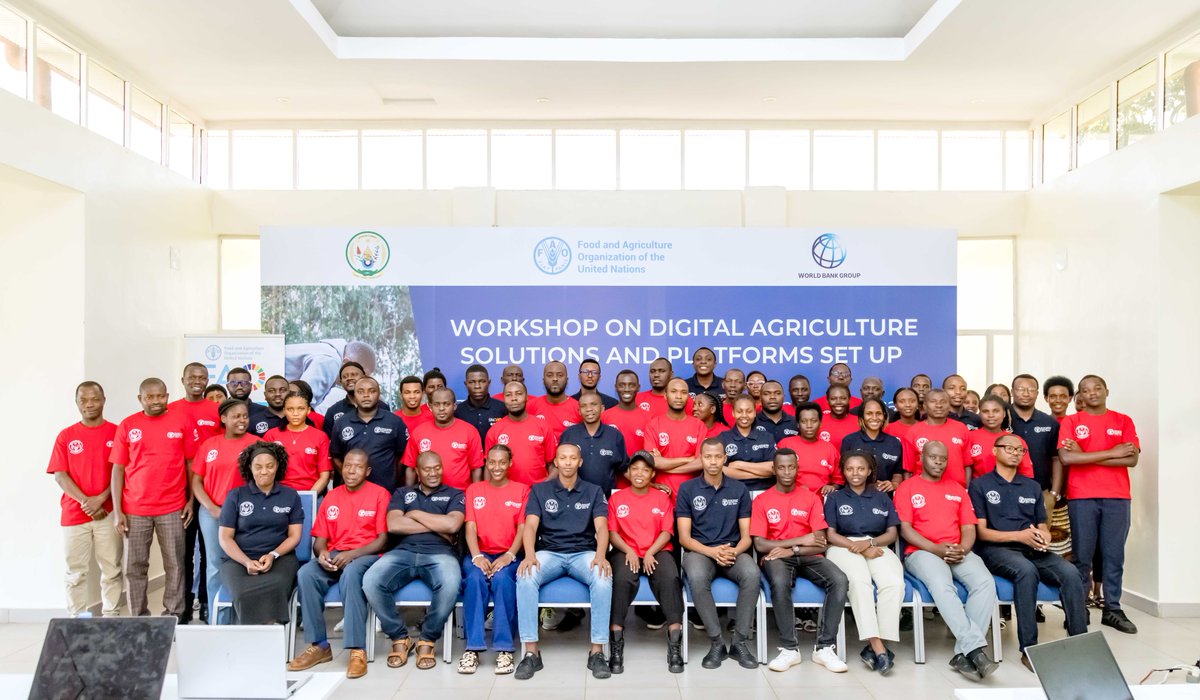
Together with @RwandaICT, @RwandaAgri, @RISARwanda & @RwandaAgriBoard, @FAORwanda is training 55 participants from 6 districts under the SAIP II project, funded by @WorldBank, to advance digital agriculture and strengthen market linkages through hands-on digital solutions.
Follow the African Food Fellowship (@_AfricanFood) to discover and connect with the leaders shaping the future of Africa’s food systems, as well as the partnerships and programs that support their impact.
Individuals with agency, supported by trusted networks, and meaningful partnerships, can and will transform Africa for the better.
#AfricaWeWant