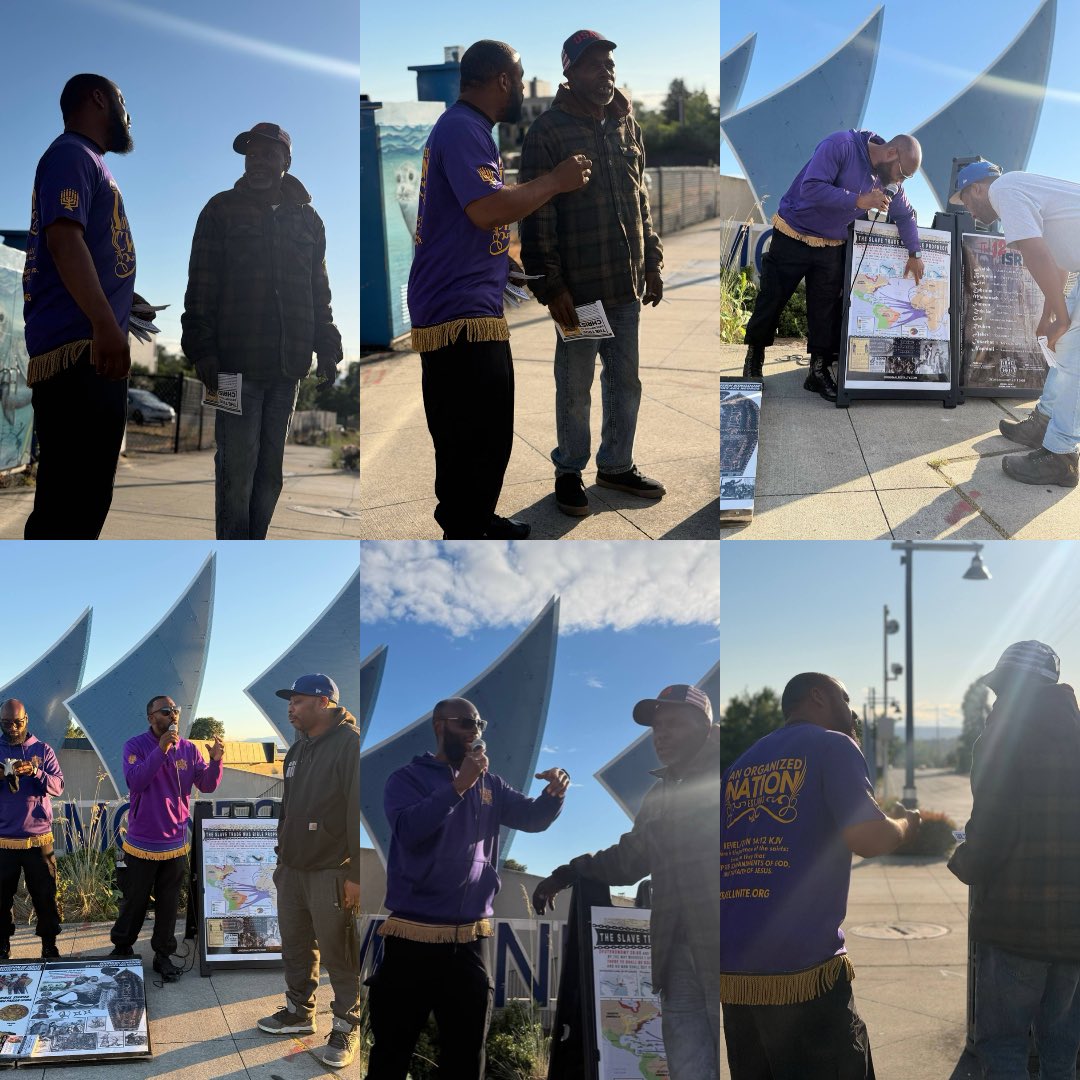
Day 14/30 Days of History
In 1972, Roberto Maestas helped occupy a vacant #Seattle school to fight for #Latino and working-class communities. The protest gave birth to El #Centro de la Raza, which still serves Washington today. #WashingtonHistory#SeattleHistory
Day 13/30 Days of History
In 1873, Coeur d’Alene leaders met with U.S. officials at Treaty Rock in Idaho. The talks helped define reservation boundaries as tribes fought to protect their land and sovereignty. #TreatyRock#NativeHistory#Idaho
Day 12/30 Days of History
The 1854 Medicine Creek Treaty forced Puget Sound tribes to give up millions of acres. When resistance followed, the Puget Sound War began. Chief Leschi fought the treaty, was hanged, and was exonerated 146 years later. #History#WashingtonStateHistory
Native tribes around Puget Sound were devastated by smallpox. The 1862 epidemic swept through Indigenous communities, killing thousands and wiping out entire villages. Disease became one of the deadliest weapons of colonization, forever changing the region’s#WashingtonHistory
Day 10/30 days of History
In 1930, #Seattle’s Coon Chicken Inn opened with a giant racist caricature as its front entrance. Black residents and the #NAACP protested immediately, but the restaurant operated until 1949. It’s one of the clearest examples of openly accepted #racism.
Day 9/30 days of history
Buffalo Soldiers were Black Army troops who served in Washington after the Civil War. They faced racism while serving their country, but were also used to enforce U.S. policies against Native tribes. #seattle#history#buffalosoldiers
Day 8/30 days of history
Washington’s tribal casinos created jobs and economic growth, but critics argue they’ve also contributed to gambling addiction, debt, and family hardship.
#history#seattle#casino#natives
Day 7/30 days of History
Chief Leschi of the Nisqually people fought against a treaty that took Native land. He was hanged in 1858 for a death that occurred during war. In 2004, Washington officially exonerated him, recognizing he was wrongfully convicted.
Day 6/30 of History
Crack cocaine devastated Seattle’s Black communities in the 1980s and 1990s. Harsh sentencing laws punished crack offenses far more severely than powder cocaine, fueling mass incarceration, broken families, and lasting damage that is still felt today.
Day 5/30 days of history.
King County, home of Seattle, was originally named after William Rufus King, a U.S. Vice President who supported slavery. Today, the county officially honors Dr. Martin Luther King Jr. instead.
#seattle#kingcounty#history#MLK
Day 3/30 days of history
During the Bracero Program (1942–1964), thousands of Mexican laborers came to Washington State to work farms, railroads, and agriculture during labor shortages. Their labor helped build #Washington’s economy, but many faced discrimination and low wages.
Day 2/30 Days of History
The #Duwamish Tribe are the original people of the land now called #Seattle. For years they lived from the rivers, forests, and waters of the Puget Sound before colonization displaced them. Today, they still fight for recognition, identity, and survival.
A lot of people know #Seattle as a tech city now, but before skyscrapers and corporations, this was #Native land with thriving villages, culture, and history that still lives today.