At Ivaoes, our specialty lies in eliminating veterinary co-dependency by identifying, consolidating and procuring CVM approvals on Cross-Over Medications™.
Recent estimates indicate that, each year, approximately 15 million humans are exposed to rabies and 60 000 humans die from rabies as a result of being bitten by infected dogs. (Clinical Brief) Read more: https://t.co/xGzwiaEmro
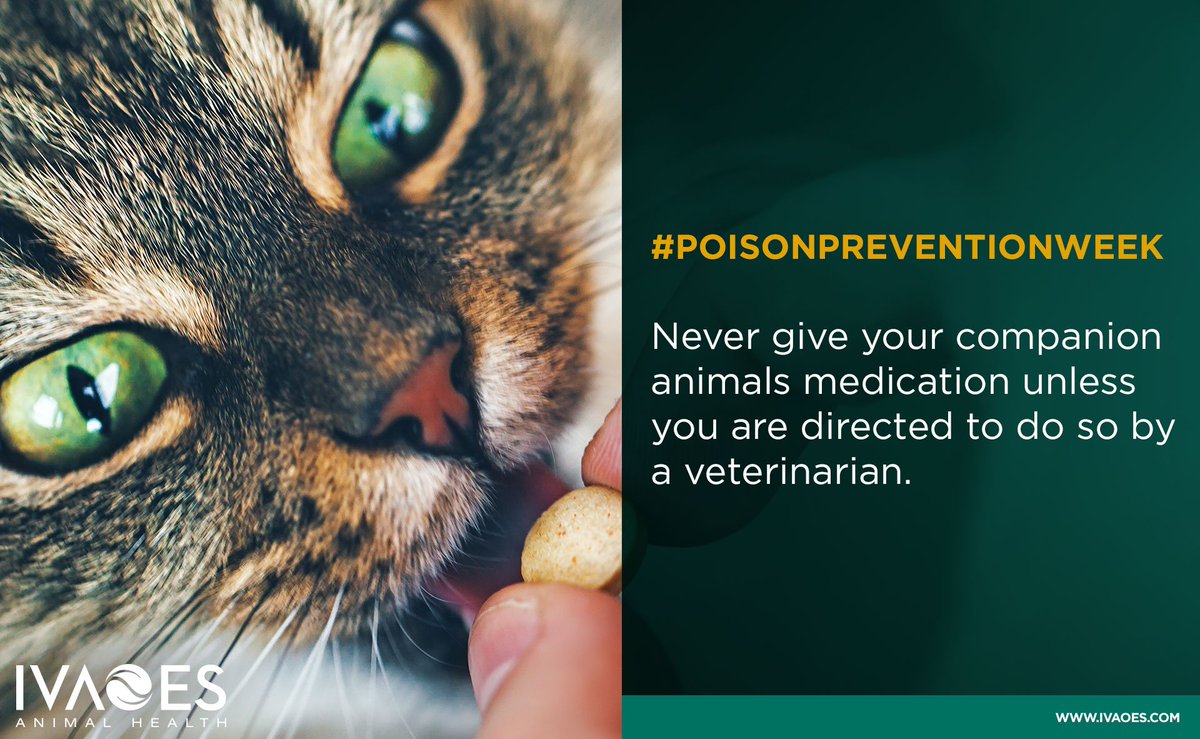
Many medications that are safe for humans can be deadly for animals. For example, one extra strength (500mg) acetaminophen tablet could be fatal to a cat.
The ingestion of azalea, oleander, castor bean, sago palm, Easter lily or yew plant material by an animal can be fatal. ( ASPCA National Animal Poison Control Center.)
Even natural products should be used carefully — for example, baking soda can cause stomach upset and other problems if ingested. Your veterinarian can advise you on which products are and aren't safe to use in your animal's environment.
A number of lotions and creams — even over-the-counter products — can poison our pets. That list includes (but isn't limited to) hydrocortisone-based creams, antifungal creams, calamine lotion and muscle rubs.
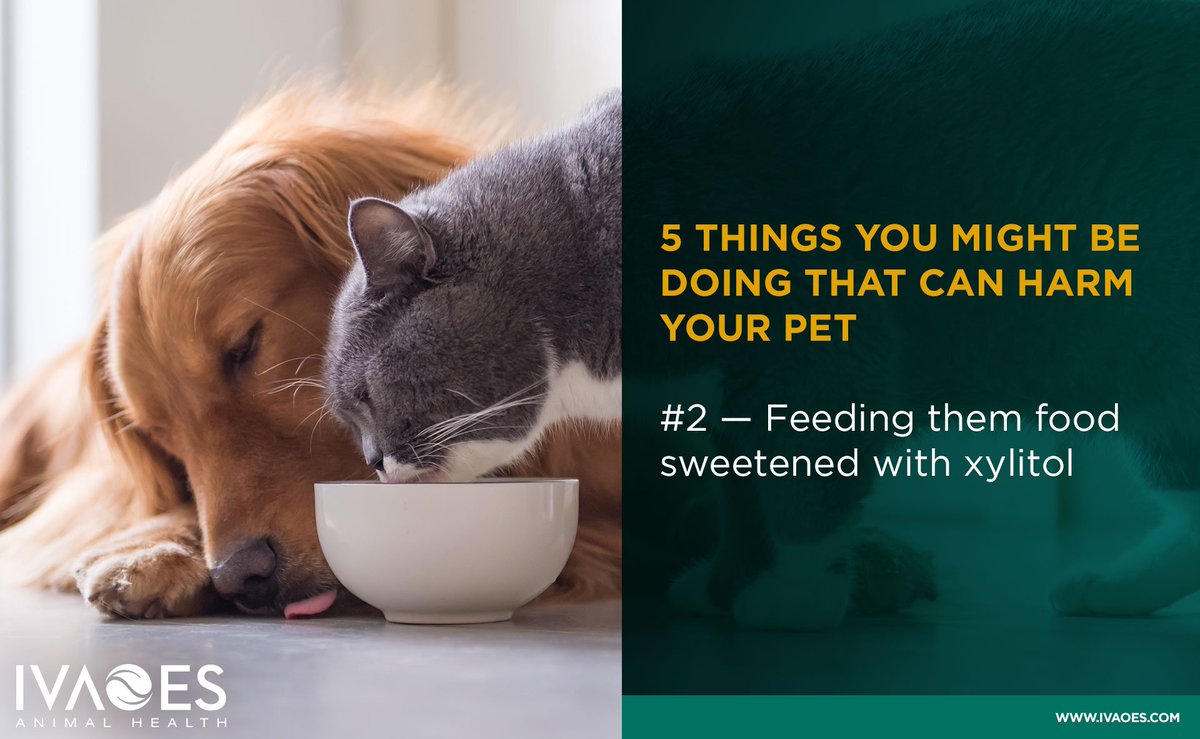
This sugar substitute is becoming increasingly popular and is used to sweeten sugar-free food products like candy, gum, mints, yogurt, baked goods and even peanut butter. can cause liver damage and a potentially deadly drop in blood sugar in dogs.
In dogs, exposure to environmental tobacco has been shown to increase rates of nasal cancer, allergic skin disease and heart disease; in cats, the consequences include a higher risk of and oral cancer.
Ask the client:
Have you noticed your pet favoring or lifting one or several limbs while sitting or standing?
Did you notice a gait change such as skipping or hopping?
All dogs have the potential to develop genetic health problems, just as all people have the potential to inherit a particular disease. A reputable Rott breeder will be honest and open about health problems in the breed and the incidence with which they occur in her lines.
Ask these kinds of questions:
Does your pet posture normally to urinate and defecate?
Have your pet’s elimination habits changed? Is your cat eliminating outside the litter box? or Is your dog urinating and/or defecating inappropriately?