@Thatfirstladyyy "As a woman" and other stories.... We are tired.
Let people live their best lives, no one is perfect. Men are the hoes but women will be killed for it, Smh!
The boiling hatred against President William Ruto today is perhaps one of the most misunderstood phenomena in contemporary Kenyan politics.
For all the political noise around him, the problem is not necessarily that he has done nothing.
In fact, his biggest political contradiction is that he seems to be doing too much, and yet, he has managed to create the impression of doing almost nothing.
In my estimation, Ruto is a hardware president operating in a country whose deepest frustrations are increasingly about software.
He seems interested in brick-and-mortar development only, but appears to have discarded all pretense of the softer value systems that hold a nation together: the rule of law, constitutionalism, freedom, et cetera.
This is perhaps where his presidency began to lose the people.
His ascension to the top was marked by the ambition to change almost everything, everywhere, all at once. From taxation to health, education to housing, agriculture to finance, there was hardly a sector that escaped his reach.
Yet, in the strange arithmetic of politics, a government can be doing something everywhere and still be seen as doing nothing anywhere.
The wholesale policy changes became scattered all over, each competing for attention and each demanding sacrifices from citizens, until the larger story of what the government was trying to achieve became difficult to see and tell.
The administration was constantly changing things, but ordinary people could not always see what these changes were changing in their lives.
Then came the Gen-Z moment, which I consider the cardinal political sin of the Ruto presidency.
For a generation that had largely encountered politics through the screens and the abstract language of constitutional rights, the protests were perhaps their first serious contact with realpolitik.
They believed they were exercising a legitimate constitutional right to picket in a bid to communicate to the government that something was wrong. What they could not understand was why the state would respond to their first act of political participation with the full weight of coercive power.
It did not make sense to them why they should be killed for doing what they believed was their rightful right to do.
And because they have been socialized in a world where the government was supposed to explain itself, they encountered the state in its most primitive form. That encounter fundamentally altered the relationship between a significant section of young Kenyans and William Ruto.
The president may have eventually withdrawn the Finance Bill in its entirety and reconstituted his Cabinet, but he could not withdraw the memory of that crude encounter with the state from the minds of most young Kenyans.
But beneath the political anger is an even more agonizing political economy problem: the shortage of money in people’s pockets.
Indeed, an economy can be discussed in all the sophisticated language of macroeconomics, inflation, fiscal consolidation, debt sustainability and monetary policy, but the citizens ultimately experience the economy through the money in their pockets.
It is possible for the prices of basic household commodities to come down and still for people to be unable to purchase them because they simply do not have the money. That a packet of maize flour can retail at KES 150, but we underestimate how many average Kenyans can comfortably afford that KES 150.
And this is where cronyism becomes particularly poisonous, especially when government procurement, contracts and opportunities appear to be the exclusive preserve of people with proximity to power.
Money that should circulate through the economy becomes concentrated around a narrow political class and the effect is the diminishing circulation of cash in the country.
Therefore, the problem may not simply be corruption in the conventional sense.
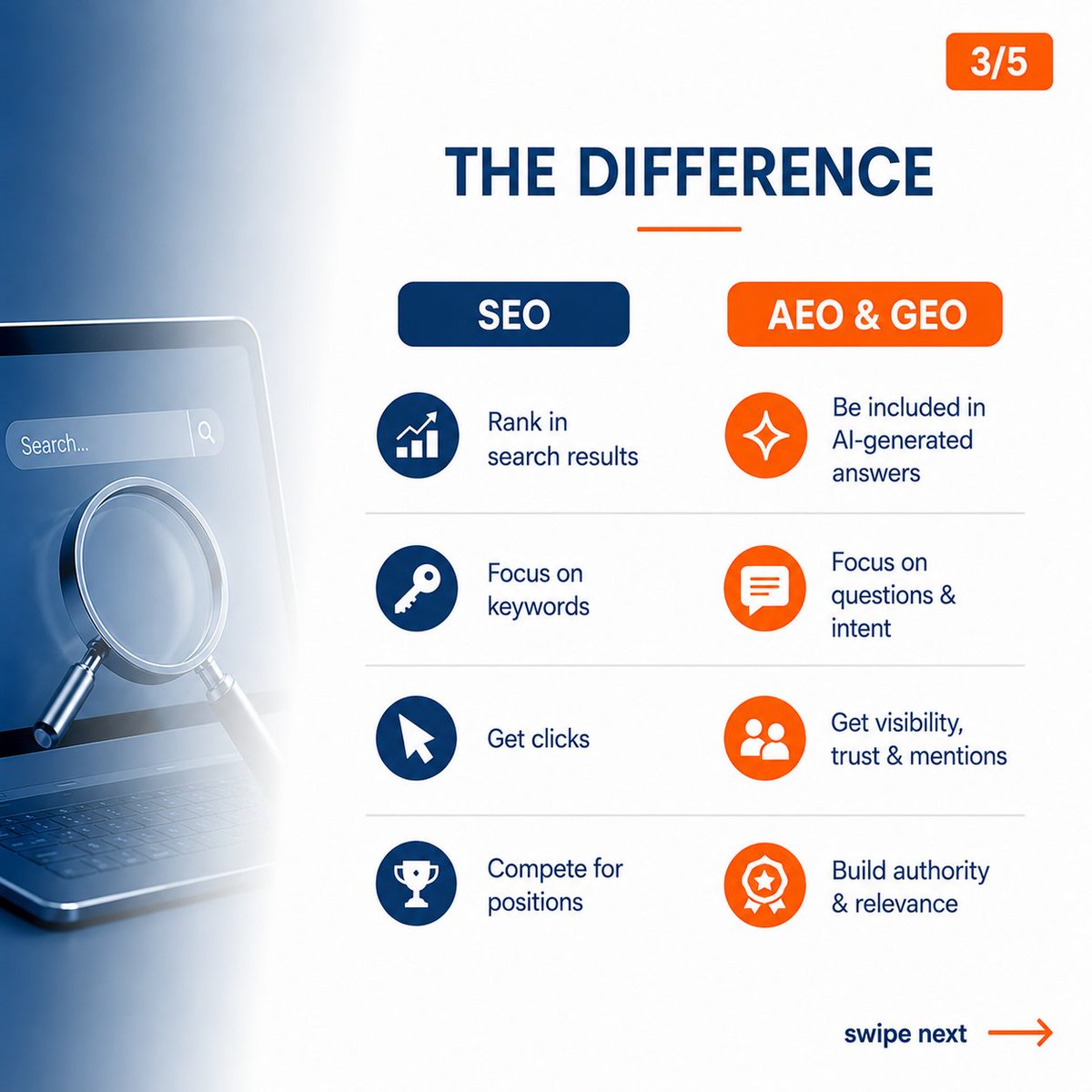
Search is changing. People are no longer just searching Google. They are asking AI tools for recommendations, answers, and solutions.
That is where GEO and AEO come in.
GEO helps your brand become more visible and credible across AI powered search.
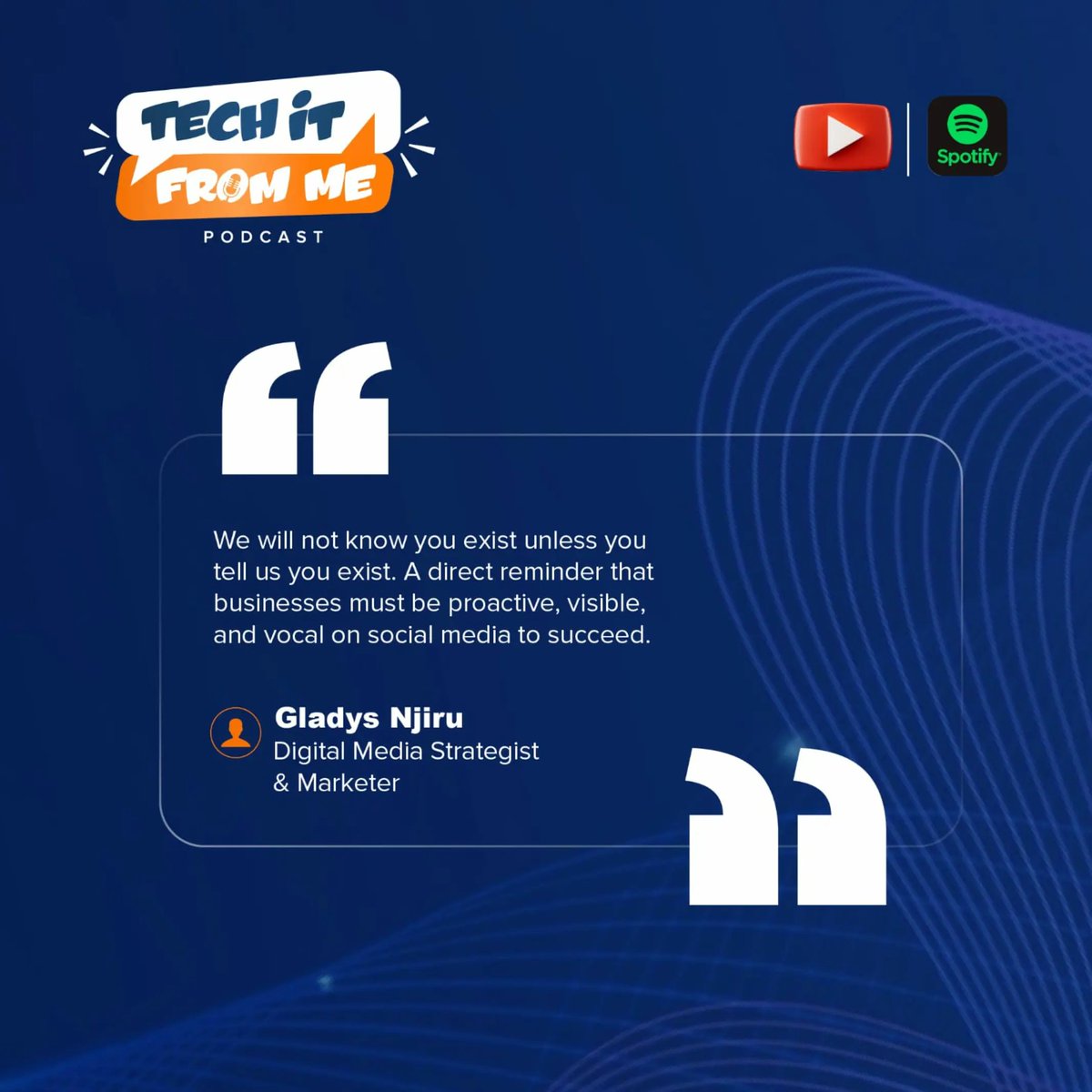
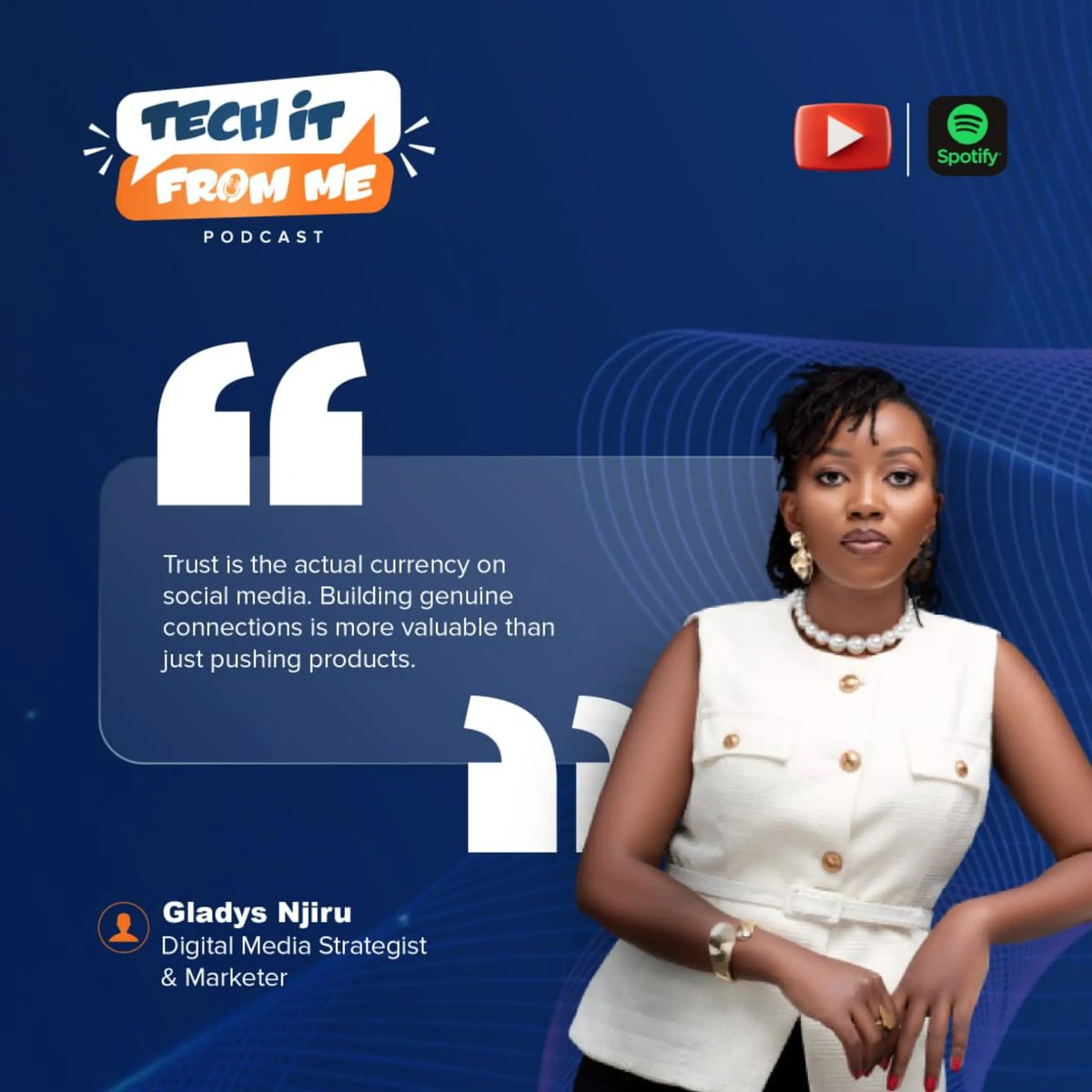
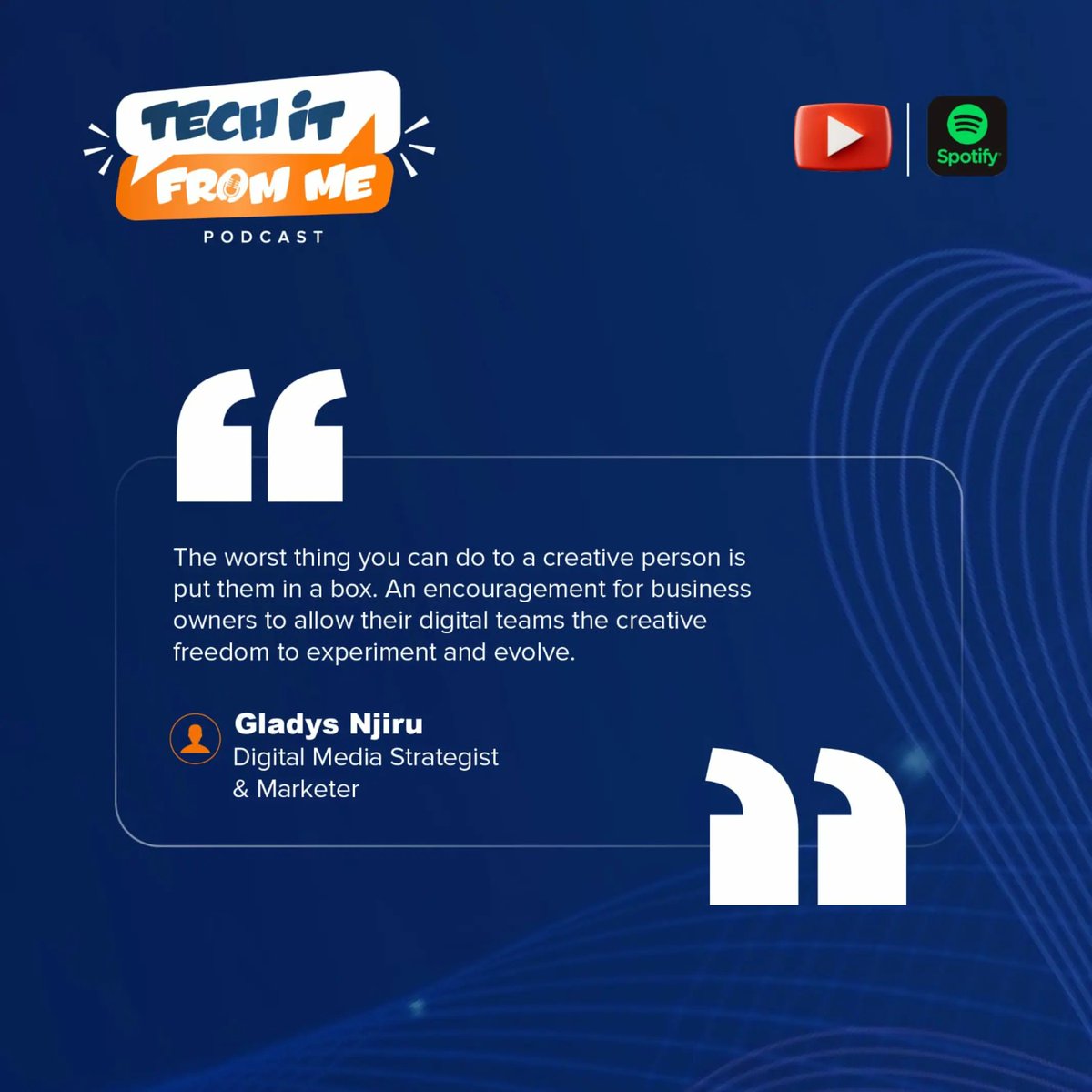
Are you struggling to see results from your social media efforts? In this eye-opening episode of Tech It From Me, digital marketing strategist Gladys Njiru breaks down why most brands get it wrong and how to actually convert followers into customers.
From fixing your bio and mastering searchability to humanizing your brand and avoiding the "DM for price" trap, Gladys shares the real-deal strategies you need to stop treating social media as an afterthought.
Everything you see here was generated with AI as a demonstration of what is possible for a skincare brand today. If you are building a skincare brand and want a full visual identity like this developed for you, I would love to work together.
I handle the strategy, the prompting, and the brand direction so you get a cohesive campaign, not a random set of images.
Drop a comment or send me a message if this is something you need for your brand.
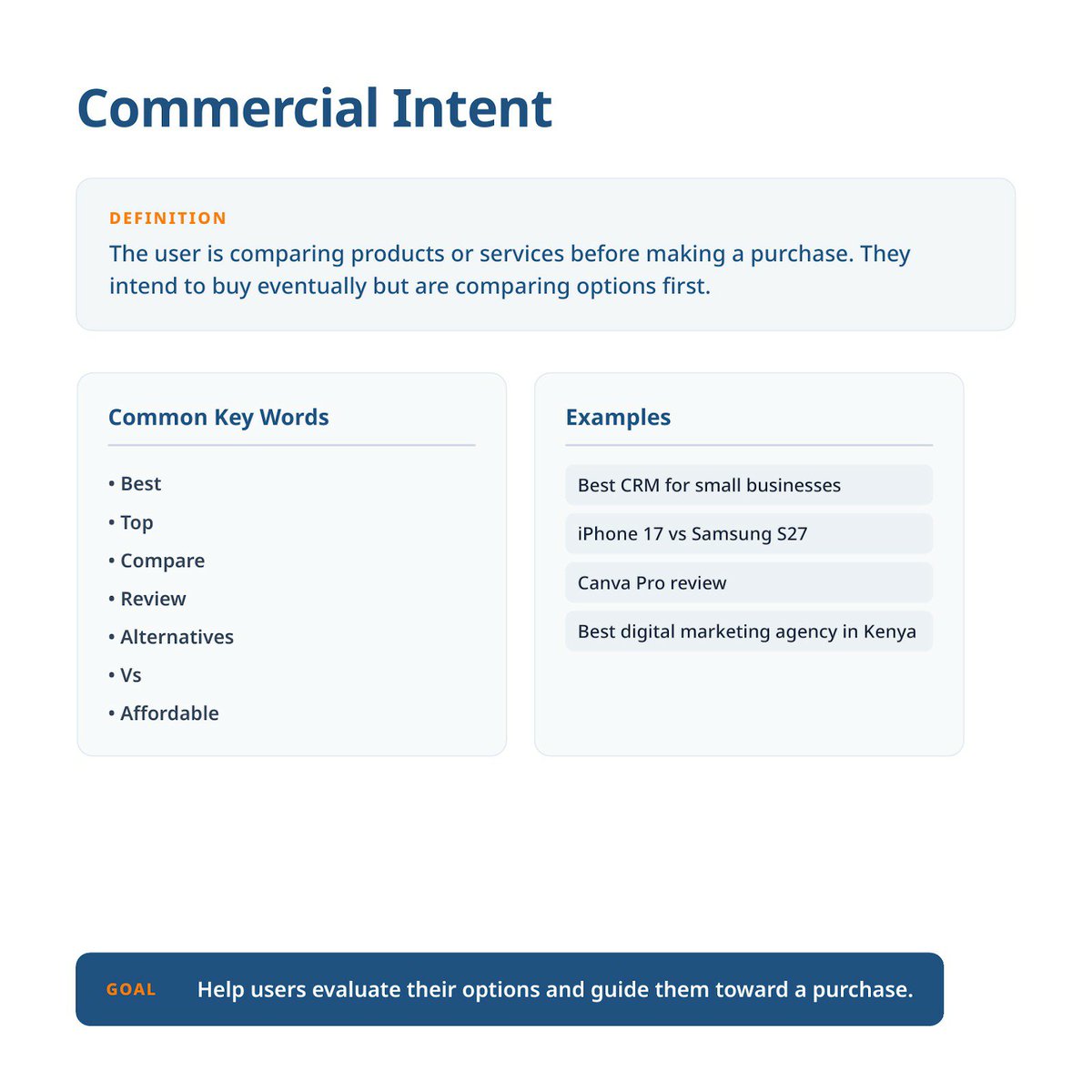
𝐖𝐢𝐧 𝐓𝐡𝐞 𝐒𝐄𝐎 𝐠𝐚𝐦𝐞 𝐛𝐲 𝐮𝐧𝐝𝐞𝐫𝐬𝐭𝐚𝐧𝐝𝐢𝐧𝐠 𝐭𝐡𝐞 𝐒𝐞𝐚𝐫𝐜𝐡 𝐈𝐧𝐭𝐞𝐧𝐭
Ever wonder WHY people search the way they do? That’s Search Intent the secret sauce behind creating content that actually ranks and converts.
When you match your content to what your audience is really looking for, you win the SEO game every single time.
Swipe through to break down the different types of search intent and how to optimize for each! Save this for your next content strategy session!