Most people have never heard of the Cantillon Effect.
But once you understand it, you’ll see the world of investing differently.
What is it?
In the early 1700s, Richard Cantillon noticed a simple pattern:
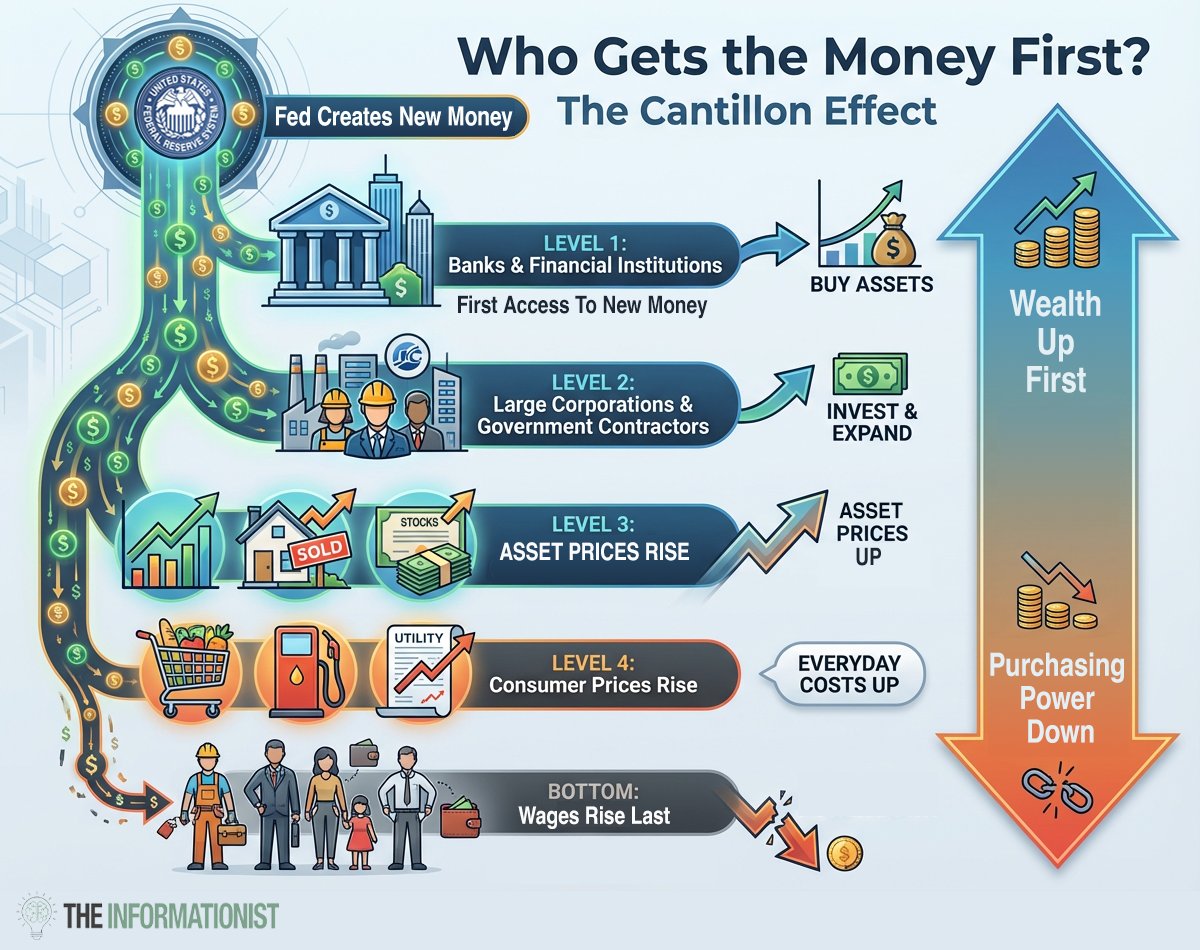
When new money enters an economy, it doesn’t reach everyone at once.
And whoever gets it first benefits the most.
Here’s how it works today:
New liquidity enters through the Fed and through bank lending.
Both follow a similar pattern:
→ Markets and large balance sheets get first access
→ Large corporations and well-connected borrowers tap cheap credit next, they invest and expand at today’s prices
→ Asset prices tend to rise as new liquidity chases finite assets
→ Consumer prices often follow
→ Wages rise last, usually after purchasing power has already declined
Fed data shows how lopsided the playing field is:
- The top 10% hold nearly 90% of equities.
- The bottom 50% holds about 1%.
It’s a simple but powerful monetary transmission.
Understanding this won’t change the system.
But it might change how you think about where to store your savings.
For those of you who don't know, I write all about topics like this every week in The Informationist. Last week, we dove deep on this one.
Link in bio if you want to read the full explanation.
Good morning.
The US Treasury has paid out $931 billion of NET interest on $39.9 trillion of debt so far this fiscal year. This is only behind Social Security, virtually tied with Medicare, and far exceeding Defense spending. On this path, interest will soon be the largest expense of the US government.
Have a great day.
Good morning.
The unfortunate reality is that the US National Debt is now doubling every 10 years, regardless of which party is in office.
Have a great day.
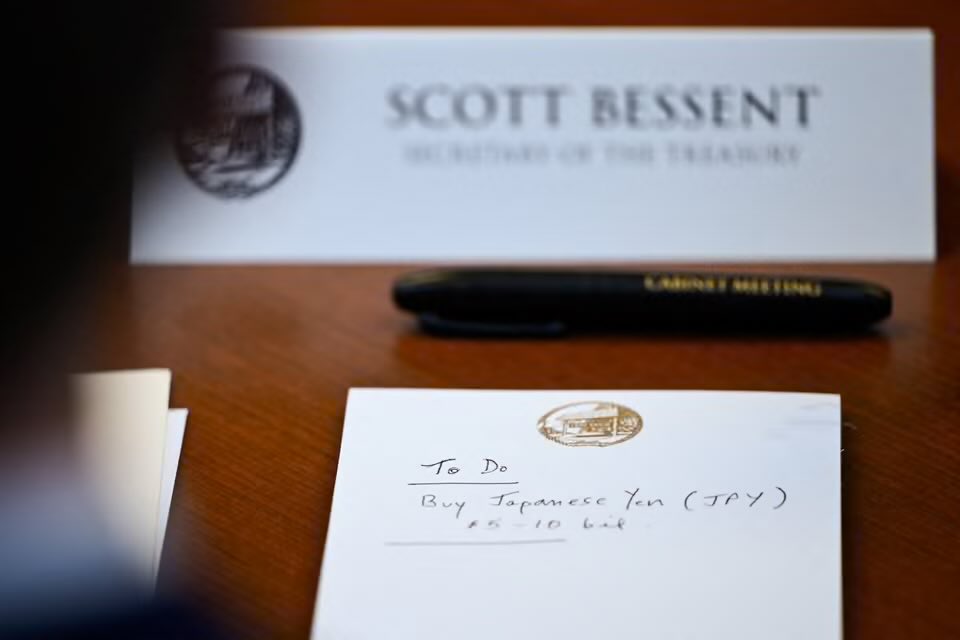
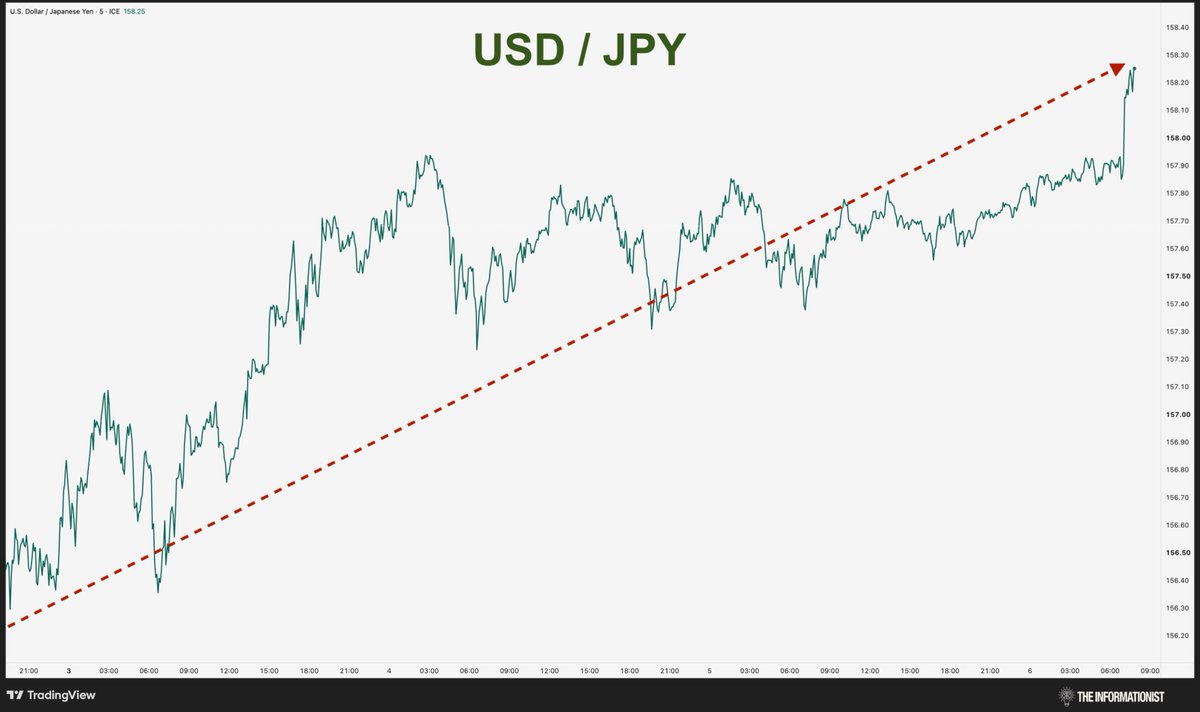
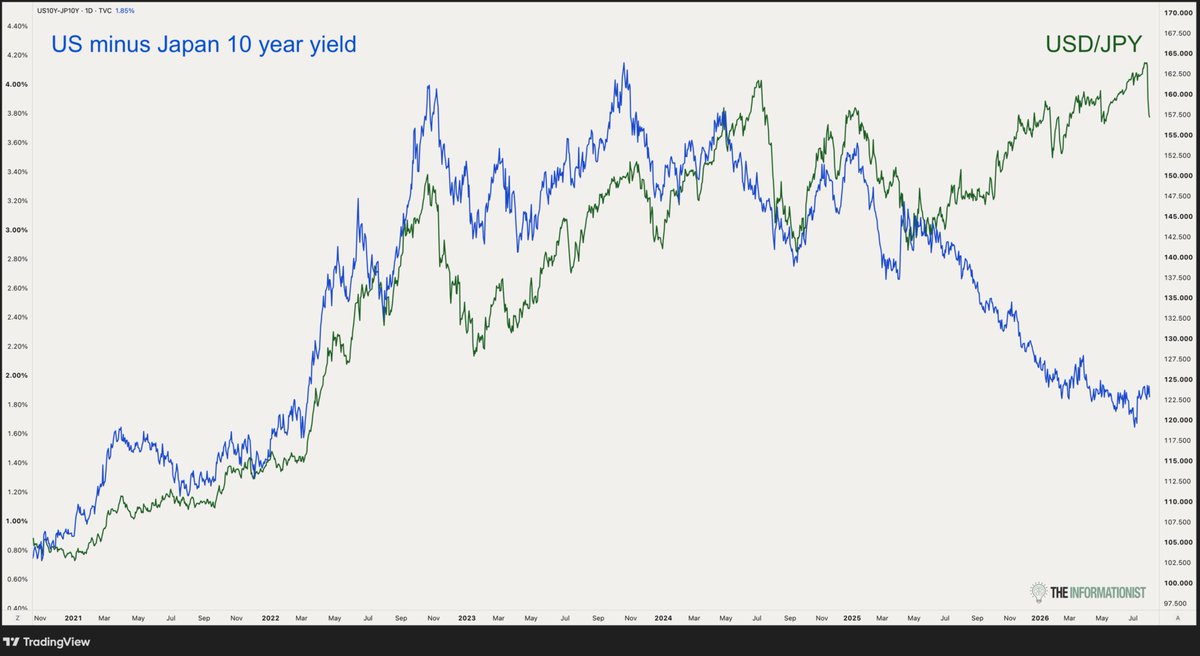
Make no mistake. The US Treasury teaming up with the Bank of Japan is not to merely "help the yen or other Asian currencies." It is to protect US Treasuries. Why? Because if the BoJ is left to stabilize and support the yen themselves, they will have little choice but to sell US Treasuries to do so, thereby competing with the Treasury itself for demand. This alone could send the 10-year yield over 5% and cause a large shift upwards on borrowing cost to the US Treasury, and thereby, the US government.
If you are wondering what is on US Treasury Secretary Scott Bessent’s mind right now, what he is thinking about this very moment, it is this. Right here.
Likewise for @ZeroHedge_ . Successful trading is all about discipline, and Wick understands this as well as or better than anyone I've met in the hedge fund world. If you are new to the game or just want to get better, give him a follow. You won't regret it.
If this were Bitcoin, there'd be no pomp. No verbal confirmations. No physical audits. No chemical tests. Anyone, anywhere, could verify it on-chain in seconds. One million, one billion, one trillion. All of it, with a click.
Good evening.
The US government has spent $827 billion just on interest on its debt so far in 2026, the second largest spending item and on pace to be over $1.1 trillion for the year.
Have a great night.