Two weeks from today, we're back on stage with Thomas Dolby for '80s Night.
Friday, November 6: Hyatt Regency Newport Beach
Saturday, November 7: South Coast Winery Resort & Spa, Temecula
Tickets in the reply.
Which song do you want to hear?
Photo: New England Sounds
@Thomas
@jaystratton’s tell-all memoir published today and is already #3 out of all books on @amazon!
This book is a major milestone for disclosure and we highly recommended everyone reads it!
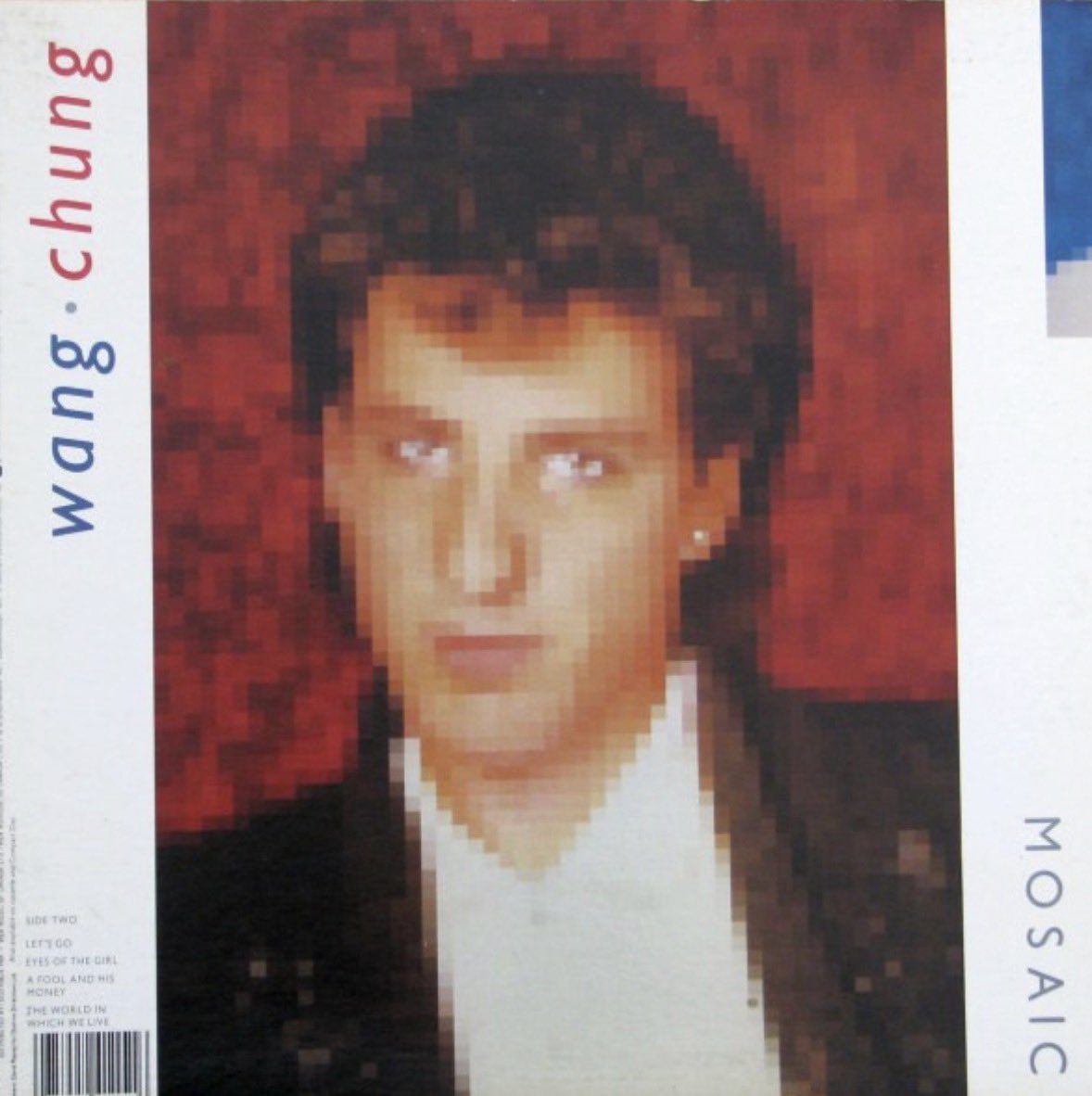
As good a review as you’ll read anywhere of Mosaic - released “on this day” in 1986 - respectful and thanks to Ryan Machman for his insights. JH
@WangChungMusic
This mini analysis/overview of MOSAIC by @WangChungMusic is part of my ongoing attempt to cover every album I love on the 40th anniversary of its release. I’ve done this for other new wave artists I admire, including Sad Lovers & Giants, The Comsat Angels, and Wall of Voodoo. My history with MOSAIC stretches back to when my mom would drive me to school in kindergarten and “Everybody Have Fun Tonight” became one of the first songs I ever remember enjoying—an immediate, almost physical hook that helped allay my irrational fear of school. That one big hit, alas, has tended to overshadow the album as a whole, which is much more musically and lyrically ambitious.
Produced and arranged by Peter Wolf (not the guy from The J. Geils Band) and recorded in London and Vienna, MOSAIC finds @JackHues1 and Nick Feldman pursuing a decidedly more pop-centric direction than their previous album, the brilliant TO LIVE AND DIE IN L.A. (see my review of the 40th anniversary double vinyl release). Geffen Records reportedly impressed upon Wang Chung the importance of recording a massive top-ten hit song, hence the international smash “Everybody Have Fun Tonight.”
The single became an immediate new wave classic because it demands instant, physical engagement while still containing a sly, self-aware hook—and some unexpectedly metaphysical, quasi-Jungian lyrics—that reward repeated listens. At the song’s core is one of the most efficient choruses of the era. The line “Everybody have fun tonight / Everybody Wang Chung tonight” is both a demand and an unintended branding device. Producer Peter Wolf reportedly seized on the self-referential phrase—originally something the band treated as almost too obvious—and pushed the track into a faster, brighter arrangement than the loose, jazzy “Hey, Jude”-esque demo version. The result is a command that is impossible to ignore: the melody leaps, the rhythm locks in, and the band’s own name becomes a verb. That kind of linguistic economy is classic pop craftsmanship; it turns a song into a shared action.
Musically, the track is built for movement. The groove is dance oriented without being rigid, the synth and guitar stabs are bright and percussive, and the arrangement never lets the energy sag. Jack Hues’s vocal sits in a sweet spot between cool detachment and genuine enthusiasm, so the track feels both stylish and welcoming. The production (again shaped heavily by Wolf and built upon the same pop-rock DNA of Starship’s “We Built This City”) gives it radio-friendly polish while keeping the rhythm section punchy enough for clubs. It is short, tightly structured, and free of any section that fails to serve the central idea of collective enjoyment.
As much as I enjoy “Everybody Have Fun Tonight” and the album’s two other hit singles (“Let’s Go” and “Hypnotize Me”), my two favorite songs are “Eyes of the Girl” and “The Flat Horizon.” Both pair Jack Hues’ trademark impressionistic lyricism with quiet spiritual undercurrents. “The Flat Horizon” opens with the desire to paint a portrait “in bright color,” to set a face upon a landscape and render what lies beneath the surface “in little squares of purple, green and gold.” The flat horizon itself becomes “the great divide / between heaven and angels / and earth and men.” By the close, the speaker offers “precious immortality,” treating the act of representation as a way of fixing a soul in time. The imagery is visual and fragmentary rather than linear; the spiritual register arrives through the suggestion of a threshold between the visible world and something larger, more esoteric. The arrangement stays light and mid-tempo, with Siedah Garrett’s voice adding an ethereal presence that keeps the piece from settling into ordinary ballad territory.
“Eyes of the Girl” works a more interior version of the same impulse. The titular girl constructs, through media and pure imagination, a romance “more alive than all she ought to know.” Her vision is so potent that her tears rain on the narrator; he asks to be released from the power of her mind. The lyric is cinematic and fragmentary, impressionistic in the way images float free of tidy resolution. Spiritually it points toward an inner realm where longing exceeds ordinary limits—an imagination capable of both illumination and captivity. The music is comparatively restrained, allowing the keyboard textures and Hues’s measured delivery to keep those images suspended.
The concluding track, “The World in Which We Live,” is arguably the band’s most impressive effort, as it melds prog elements, world music, and new wave cool into an intriguing sonic milieu. At just over seven minutes, it is the album’s longest piece and the one that most fully realizes the title’s collage logic. The lyric begins with a blunt social inventory before turning to the financially and politically downtrodden (I.e., those who cannot afford to eat and cannot find a voice). The central image is the mosaic itself: the world as a mosaic upon a golden floor, moving silently and darkly through space, our lives the fragments and all that’s gone before, broken jewels in an excrement base. The song lacks a conventional verse-chorus structure. Instead the track accumulates through layered voices, shifting rhythmic cells, and an expansive instrumental palette (synths, horns, TV samples, tribalistic percussion). Progressive ambition shows in the refusal of tight form and the willingness to treat sound as collage; world music color appears in the percussion and harmonic shading; the new wave cool remains in the detached, almost documentary vocal tone and Wolf’s crystalline production.
Across the whole album the musicianship is consistently high—tight yet flexible, polished yet capable of sudden textural surprise. Wang Chung remain one of my favorite artists partly because of the consistently superb musicianship, something for which they deserve more recognition. If you’re familiar only with Wang Chung’s big hits, then I encourage you to delve deeper into their discography. MOSAIC is a great starting point due in part to its surface-level accessibility. Listen more carefully, however, and you will hear a band with much more to say— both lyrically and musically—than “Everybody Wang Chung tonight.”
@AlchemyAmerican Timothy Good - Nick Cook - Gary Heseltine, police officer and author of Non-Human, the most extensive book on the evidence and personalities involved
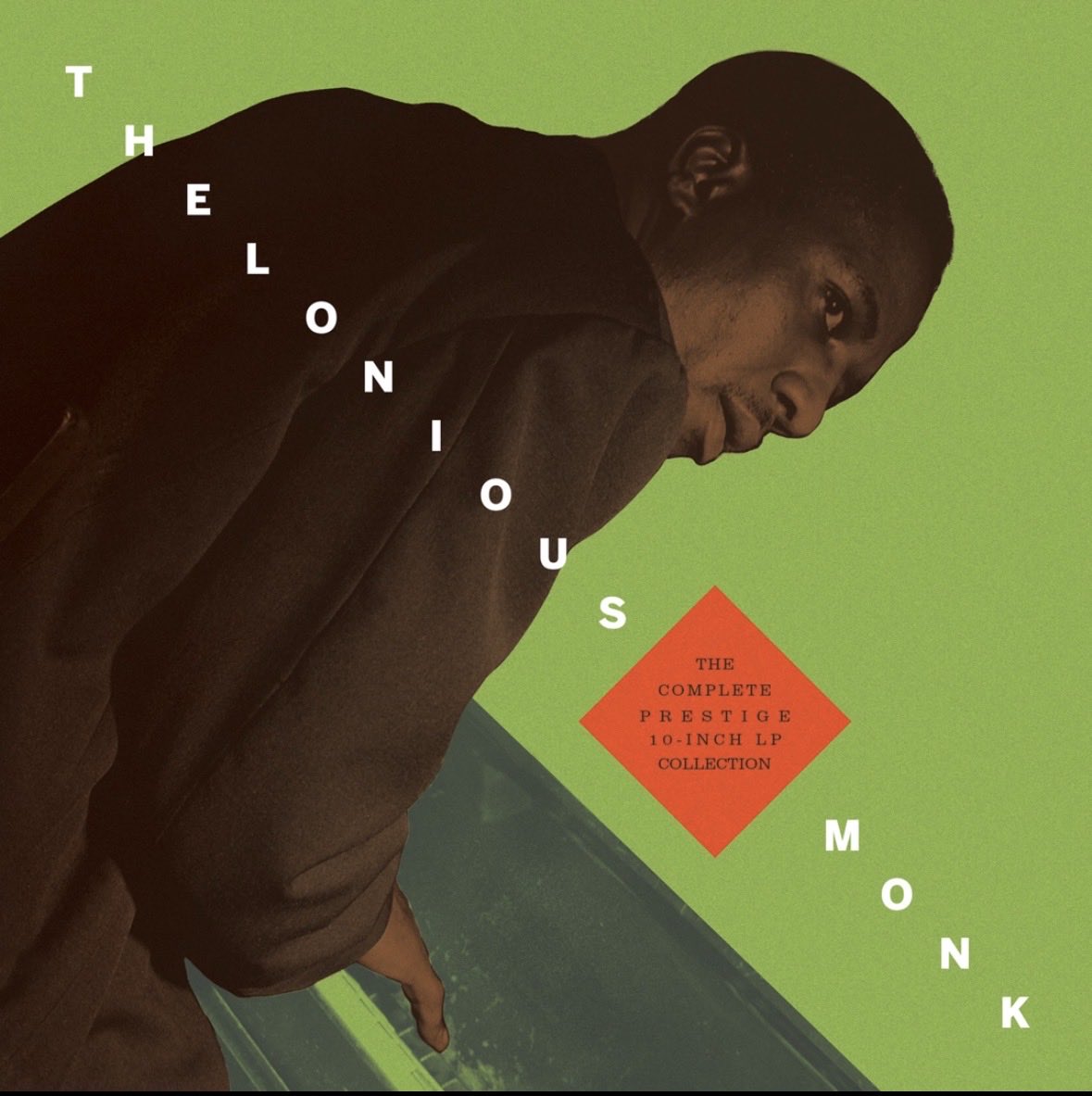
@SVG__Collection Little Rootie-Tootie and particularly Monks’s solo on this recording still gets me every time. The Town Hall transcription for the band pays a great tribute to Monk’s genius - not a word I use often
Much appreciated. We hope to tour next year with a show that mixes us playing the soundtrack live with extracts from the movie. It’s a totally immersive TLADILA experience ! @WangChungMusic
@PatYoungGun@Bubbel_Pop_ This looks fabulous - - a companion to our double vinyl album release of an expanded version of the soundtrack @wangchungmusic @interscoperecords
I remember, back in the 80s, visiting my publisher on Sunset Blvd. I stepped into the elevator and the sharpest-dressed man I had ever seen, light grey/blue Armani suit, beautiful leather bag, Wayfarers, reached out his hand and said, “Jack Hues”. I nodded and said a quizzical yes, he said, “Lamont Dozier - I’m a big fan of your work”. I stood speechless recalling the Holland-Dozier-Holland song writer credits on Beatles albums and many more. A compliment I will never forget from a giant of songwriting. @WangChungMusic
The Tabletop Genesis podcast put the spotlight on “Strictly Inc.” in their new episode - including a new interview with Tony offering background behind each track.
Listen wherever you get your podcasts: https://t.co/OvPxERfKx2
Tony Banks reflects on collaborating with Jack Hues of Wang Chung for their album "Strictly Inc." in this 2019 interview clip.
"Strictly Inc." was first released this week in 1995 - listen: https://t.co/sPA0VyRSq0
"I would say that is the basic theme of all mythology—that there is an invisible plane supporting the visible one." ~Joseph Campbell and Bill Moyers, The Power of Myth