The story of how 20-odd strong force of Mahabalipuram sculptors chiselled out 12 deity statues in 16 years to set up a meditative park in County Wicklow, Ireland.
A freelance journalist who had never taken a statistics course wrote a 142-page book in 1954 that professional statisticians still hand to students before anything else, because nobody before him had bothered to explain the tricks in plain language.
His name was Darrell Huff. The book is called How to Lie with Statistics.
I read it in one sitting and spent the next three days noticing the tricks everywhere.
Over 1.5 million copies have sold in English alone. It became a standard college textbook in the 1960s and 70s. Seventy years later it is still in print, still assigned, still the first thing a working statistician reaches for when they want to teach someone to think clearly about numbers.
The man who wrote it was not a researcher. He was a freelancer who wrote how-to articles for magazines. He had no PhD, no academic post, no institutional affiliation. He just understood that numbers could lie without technically being wrong, and he thought someone should explain how.
His opening line sets the whole tone of the book.
"The crooks already know these tricks; honest men must learn them in self-defense."
That one sentence is the entire argument. The manipulation is not coming. It already happened. It happened this morning in the article you read and the chart someone showed you at work and the study your doctor quoted. The only question is whether you know what to look for.
Huff called the first trick the Well-Chosen Average.
When someone tells you the average salary at a company is $80,000, they have told you almost nothing. If the CEO earns $2 million and the 20 employees earn $30,000 each, the mean is $80,000. The median is $30,000. Both are technically correct. One is a lie. The person reporting the number chose which average to use, and they almost always chose the one that served their argument. Huff's rule: whenever you see an average with no description of which average it is, ask.
The second trick he named the Gee-Whiz Graph.
A line chart shows company profits rising. The line shoots nearly vertical, almost doubling in height across the chart. You feel impressed. Then you look at the y-axis and notice the chart does not start at zero. It starts at 94. The actual increase in profits was 3 percent. The dramatic visual was produced entirely by cropping the bottom of the chart. Nothing in the data changed. The picture changed everything.
Every news organization on earth still does this every day.
The third trick is the one that should change how you read every study you ever encounter. Huff called it Post Hoc Rides Again, which is short for the Latin phrase post hoc ergo propter hoc. After this, therefore because of this.
Cities with more churches have more violent crime. Therefore churches cause violence. The logic is airtight. The conclusion is absurd. Both church attendance and crime go up as population grows. The two numbers track each other because a third variable drives both. The correlation is real. The cause is invented.
Huff showed that this structure is not a rare mistake. It is the default pattern of almost every study reported in a newspaper, because causation is a boring word and because proves is a better headline than correlates with.
The fourth trick was the one that floored me. He called it the Semi-Attached Figure.
A headache pill company claims their product is twice as fast as the competition. The study behind the claim is real. The product was tested and the numbers are accurate. What the advertisement does not mention is that the study measured absorption rate into the bloodstream, not relief of headaches. The two things are related but not identical. The statistic is real. It is attached to the wrong conclusion.
Huff said this is the most dangerous trick of all because the number is never fabricated. You cannot fact-check a semi-attached figure by verifying the statistic. You have to ask whether the statistic actually measures what the claim requires it to measure.
Almost nobody asks.
There is one part of Huff's story that most people who recommend the book leave out.
Years after he wrote it, he was hired by the tobacco industry. He worked on a follow-up manuscript called How to Lie with Smoking Statistics, designed to cast doubt on the research connecting cigarettes to cancer. The book was never published. He testified before Congress in an attempt to undermine the statistical evidence against tobacco.
The man who wrote the clearest guide to spotting statistical deception spent the end of his career deploying those same tricks against evidence that was killing people.
That detail does not make the book wrong. The tricks he described are real and the defenses he taught are still the right ones. But it is a reminder that the tools in the book are neutral. Understanding how lies are built does not protect you from choosing to build one.
The crooks already know these tricks.
Some of them wrote the manual.
What is one statistic you have seen recently that you now think deserves a second look?
"Beyond Hormuz" was the catchphrase that should have dominated headlines from the time disruptions brewed in West Asia.
A look at an article I did a couple of months ago on how diversification reshaped trade narrative:
https://t.co/vfDyEjr5kQ
Running Dry: India’s Groundwater Crisis Deepens
Groundwater is the lifeline of India’s agriculture, industries, and households, but alarming extraction rates are pushing several states towards severe water stress.
Uttar Pradesh records the highest absolute groundwater extraction, while Punjab, Rajasthan, and Haryana are withdrawing water far beyond recharge levels. The growing imbalance between recharge and extraction highlights an urgent need for sustainable water management, efficient irrigation practices, and stronger conservation efforts.
🔗 Read the full story via the link in bio.
#GroundwaterCrisis #WaterSecurity #IndiaWaterCrisis #WaterConservation #Sustainability #ClimateChange #Groundwater #JalShakti #WaterManagement #Environment #Agriculture #Punjab #Rajasthan #Haryana #UttarPradesh #Maharashtra #TamilNadu #ResourceManagement #ClimateAction #TheSecretariat
India’s maritime sector is quietly rewriting the rules of global trade. As geopolitical tensions reshape traditional supply routes, the country has responded with strategy, resilience, and speed.
With non-Hormuz crude imports rising from 55% to 70%, India is no longer dependent on a single corridor. Instead, it is building a diversified and more secure energy network. At the same time, major ports across the country are setting new benchmarks. From Chennai Port crossing record container volumes to Jawaharlal Nehru Port surpassing 8 million TEUs, the growth is both visible and impactful.
What stands out is not just the numbers, but the adaptability.
This is more than a response to crisis. It is a long-term shift in how India approaches trade, energy security, and global positioning. The focus is clear: diversify, strengthen, and future-proof.
India isn’t just navigating change. It’s steering it.
Story by @jacob__wick
#IndiaGrowth #MaritimeTrade #GlobalTrade #SupplyChain #Logistics #EnergySecurity #EconomicGrowth #Ports #Shipping #TradeRoutes #Infrastructure #IndiaRising #BusinessNews #Geopolitics #EnergyTransition #ImportExport #TradeStrategy #Resilience #WorldEconomy
https://t.co/RnPHrdIMZ9
India is no longer just a testing ground—it’s the ultimate launchpad for global innovation
From Kurkure to YouTube’s offline mode, global giants once experimented here before scaling worldwide. But the script has flipped. Today, Indian startups are leading the charge—building, testing, and perfecting products in one of the world’s most diverse and demanding markets before going global.
Powered by AI adoption, a booming startup ecosystem, and digital infrastructure, India doesn’t just test ideas—it stress-tests them. If it works here, it works anywhere.
With policy push, rising investments, and a massive consumer base, India is shaping into the world’s most credible innovation hub—where ideas are forged, refined, and scaled for the future.
Story by @jacob__wick
#IndiaInnovation #StartupIndia #MakeInIndia #AIRevolution #DigitalIndia #GlobalLaunchpad #InnovationHub #TechInIndia #FutureOfWork #DataDriven #Entrepreneurship #IndiaGrowth #ScaleFromIndia #NextBigThing #BusinessOfTomorrow
https://t.co/TL5VmH6O9B
India’s drone ecosystem is scaling fast, but policy needs to keep pace. As the country pushes to become a global drone hub by 2030, the real challenge lies in integrating unmanned aircraft into airspace built for traditional aviation.
The future of aviation will depend not just on innovation, but on how well regulation evolves with it.
Story by @jacob__wick
#DroneIndia #DroneEcosystem #FutureOfAviation #DigitalSky #UTM #AviationPolicy #TechInIndia #MakeInIndia #DroneTechnology #AirspaceManagement #InnovationIndia #SmartMobility #AviationFuture
https://t.co/5HQp1Jn5VY
India’s futuristic mobility dream is taking flight. From AI-powered air taxis to electric air ambulances, e-VTOL aircraft could transform urban transport and emergency services.
But big questions remain — can regulation, costs, and infrastructure keep pace with innovation? As India aligns with global standards set by the International Civil Aviation Organization (ICAO), the success of air taxis may depend on how quickly policy frameworks evolve.
Story by @jacob__wick
#eVTOL #AirTaxi #UrbanAirMobility #FutureOfTransport #AviationTech #SmartMobility #IndiaInnovation #TechInIndia #AIInnovation #ElectricAviation #StartupIndia #MobilityRevolution
https://t.co/QvNrBbSTa4
The story of how 20-odd strong force of Mahabalipuram sculptors chiselled out 12 deity statues in 16 years to set up a meditative park in County Wicklow, Ireland.
Agroforestry can play a key role in fighting climate change by boosting carbon sequestration, improving soil health, and increasing farmer incomes. Experts highlight how supportive policies, technology, and incentives in South Asia can unlock its true potential and help reduce ecological deficits.
Story by: @jacob__wick
#Agroforestry #ClimateAction #CarbonMarket #SustainableAgriculture #ClimateChange #GreenEconomy #FarmerIncome #SoilHealth #Biodiversity
https://t.co/teYvoxChVr
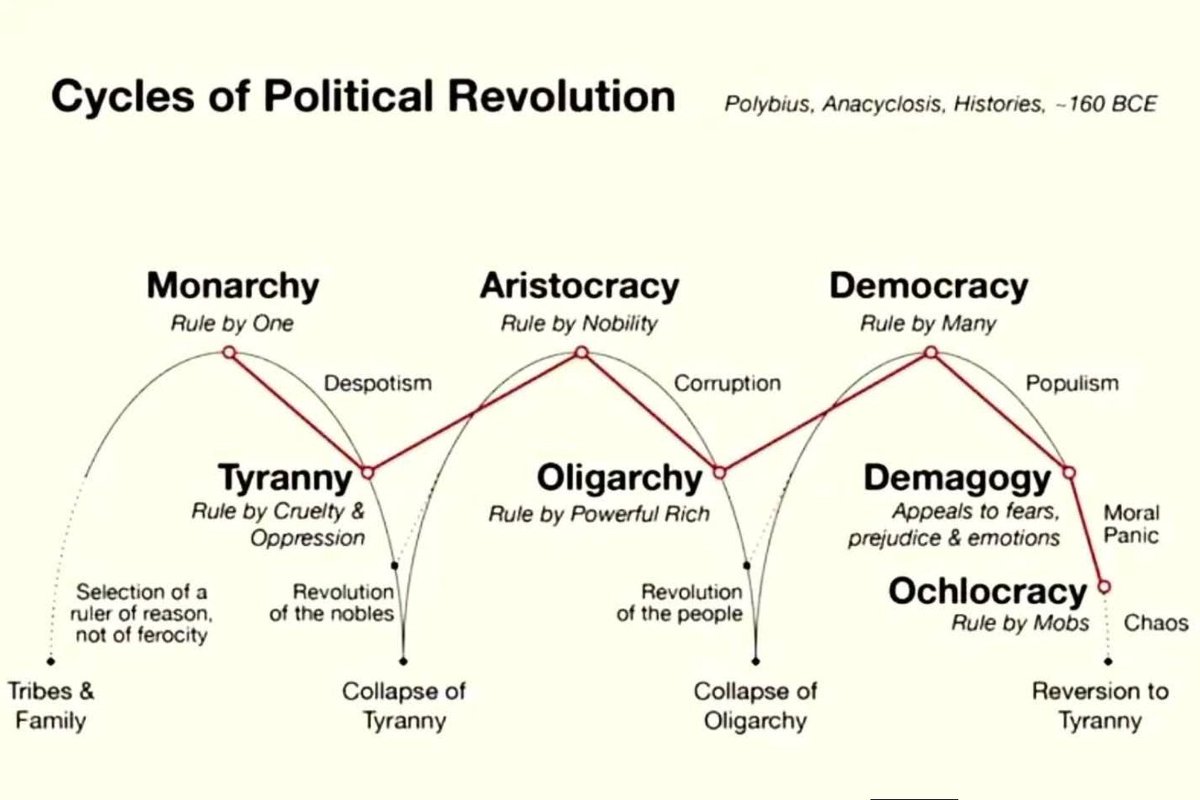
According to Polybius, governments follow a predictable cycle of rise, decay and replacement....
The cycle begins with monarchy, rule by a single virtuous leader. Over time, monarchy degenerates into tyranny when the ruler becomes corrupt and self serving. Tyranny is overthrown and replaced by aristocracy, rule by the virtuous few. Aristocracy eventually decays into oligarchy, when the ruling elite govern for their own benefit. Oligarchy is then replaced by democracy, rule by the people. Finally, democracy degenerates into ochlocracy, or mob rule, when public order collapses and decisions are driven by passion rather than law.
Out of chaos, a strong leader emerges, restoring monarchy, and the cycle begins again.
Polybius believed that Rome’s mixed constitution, combining elements of monarchy, aristocracy, and democracy, helped delay this cycle by balancing competing forces. Later thinkers such as Machiavelli were influenced by this idea.
#drthehistories
Budget 2026 puts MSMEs at the heart of India’s growth story. With a ₹10,000 crore MSME Growth Fund, a ₹2,000 crore top-up for the Self-Reliant India Fund, mandatory TReDS adoption, and a strong push for technology and easier compliance, the government aims to ease credit stress, boost competitiveness, and help small businesses scale up. The roadmap is clear—now execution will decide the impact.
Story by: @jacob__wick
#Budget2026 #MSMEs #MakeInIndia #EaseOfDoingBusiness #StartupIndia #DigitalIndia #Manufacturing #InfrastructurePush #TReDS #AtmanirbharBharat
https://t.co/EYt5BNCCCM
Budget 2026 puts the spotlight on India’s shift from a linear “take-make-dispose” model to a truly circular economy. From energy transition and e-waste management to job creation and investment opportunities, the push for reuse, repair, and recycle is no longer optional — it’s a national imperative. With states like Tamil Nadu leading the way and schemes like GOBARdhan and PM Surya Ghar Muft Bijli Yojana gaining momentum, the big question remains: will Budget 2026 deliver a decisive National Mission on Circular Economy for sustainable and secure growth?
Story by: @jacob__wick
#Budget2026 #CircularEconomy #SustainableIndia #GreenGrowth #EnergyTransition #WasteToWealth #ClimateAction #RenewableEnergy #Ewaste #ResourceEfficiency
https://t.co/hVHezMXDTr
India’s ancient maritime spice trail could be reshaped for the modern era. As exporters lose millions to costly transshipment via foreign hubs, the ability of Indian ports to regularly dock mother vessels is emerging as a game changer. With deep-draft ports like Vizhinjam Port setting the precedent, cutting out transshipment could slash logistics costs, boost spice exports, and strengthen India’s position in global trade.
Story by: @jacob__wick
#MaritimeTrade #SpiceExports #IndianPorts #MotherVessels #Transshipment #LogisticsCost #GlobalTrade #PortInfrastructure #VizhinjamPort #MakeInIndia
https://t.co/L4zbvYsmO2
‘No part of the body without injuries’: Doctor says on migrant worker killed by mob in Kerala.
Ramnarayan from Chattisgarh was falsely accused of theft and beaten to death. @HarithaJohn1 reports
https://t.co/I55i6T2XfW
As India moves toward 100 years of Independence, it faces a defining moment amid global geopolitical shifts, climate constraints, and rapid technological change. Can India sustain high growth, reduce inequalities, and secure its future in an uncertain world order? This piece explores why bold reforms and a new growth strategy are essential for India@2047.
#QuoVadis #IndiaAt100 #GlobalOrder #Geopolitics #EconomicGrowth #India2047 #GlobalTransitions #ClimateAndGrowth #AIRevolution #GlobalSouth #FutureOfIndia #PolicyReforms
https://t.co/T71bHy2hcK
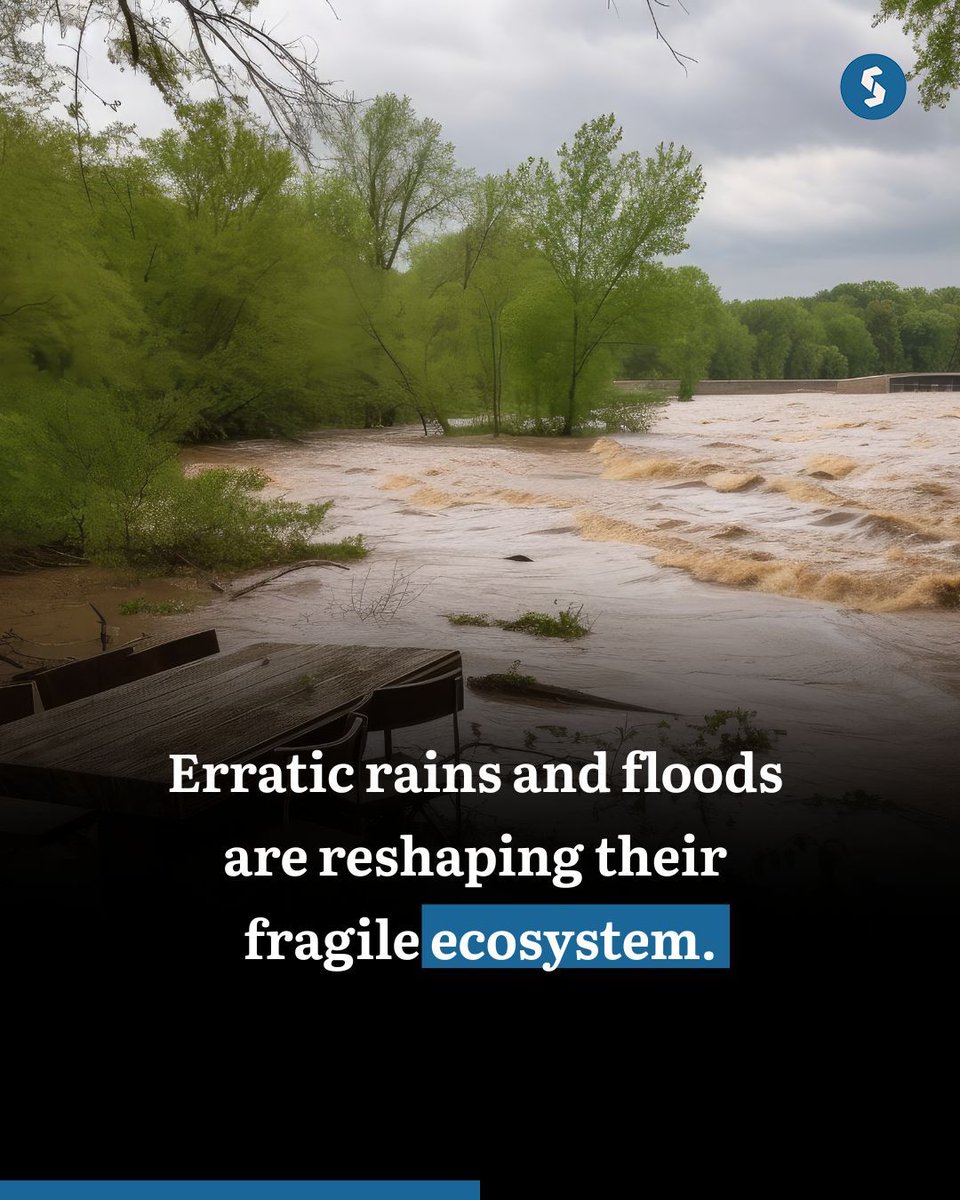
What began as an innovative way to turn invasive water hyacinth into sustainable products has become a source of dignity and income for rural women. But climate change—through erratic rains, frequent floods, and declining plant quality—is now putting this fragile green livelihood at risk, threatening both sustainability and survival.
#ClimateChange #GreenLivelihood #WomenEmpowerment #SustainableLiving #WaterHyacinth #ClimateImpact #RuralEconomy #EcoFriendly #GrassrootsInnovation #Sustainability #ClimateCrisis
History made.
Senior journalist @sangbarooahpish becomes the first woman President of the
@PCITweets, in its nearly 68-year history.
A decisive win, a clean sweep, and a long-overdue moment.
Congratulations!
A decade ago, Bob Dylan performed a concert for just one person in the audience. It was part of a Swedish social experiment about what it's like to experience group events alone.
I talked to that one person about what it's like to see Dylan sing just for you.