As communities become increasingly interconnected and security challenges grow more complex, the role of law enforcement is evolving from maintaining order to building trust, preventing conflict, and strengthening resilience.
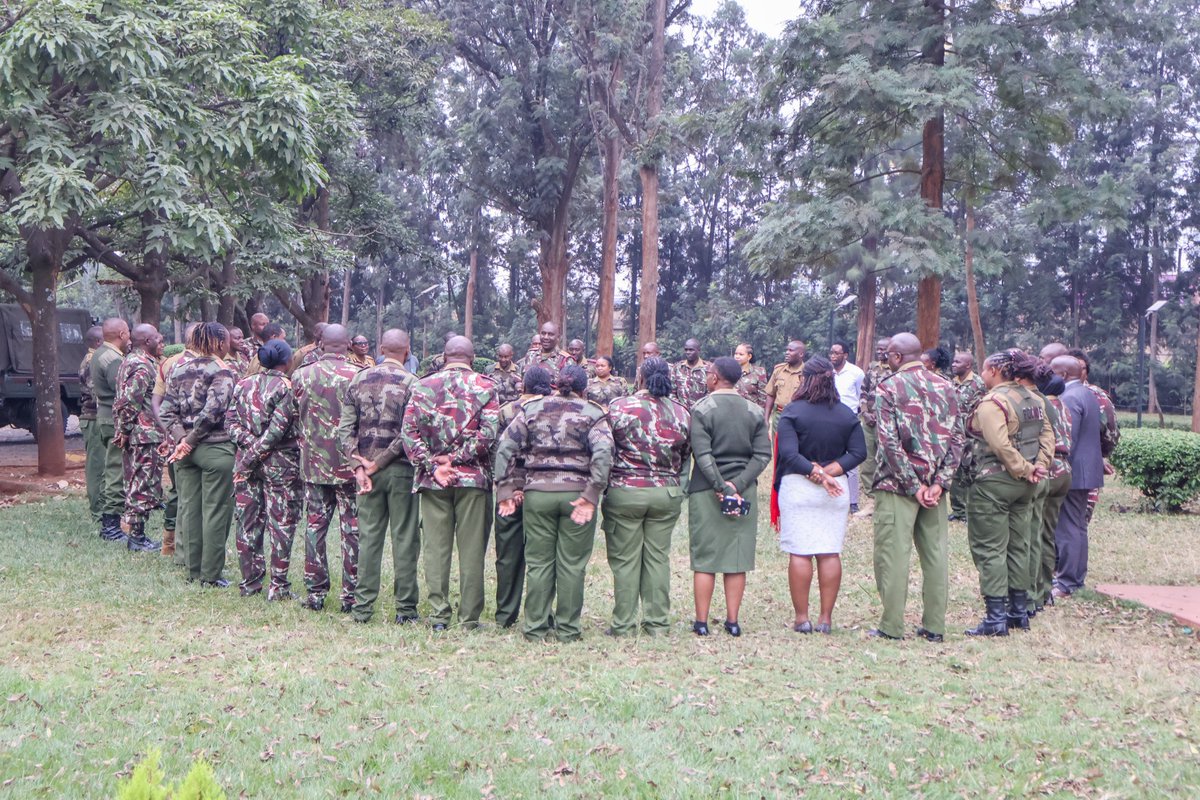
MIDRIFT HURINET, in partnership with the @APSKenya, is convening a week-long capacity-strengthening forum as part of its Institutional Strengthening, Support, and Leadership Development Programme, bringing together officers from the Nairobi Region under the theme "Building Resilient Communities for Peace and Conflict Transformation."
The forum reflects a forward-looking investment in professional policing by equipping officers with practical knowledge in peacebuilding and conflict transformation, conflict management, Preventing and Countering Violent Extremism (PCVE), digital peacebuilding, gender-based violence (GBV), human rights-based policing, addressing hate speech and ethnic contempt-related offenses, Leadership development, and promoting peace and social cohesion in support of credible election management.
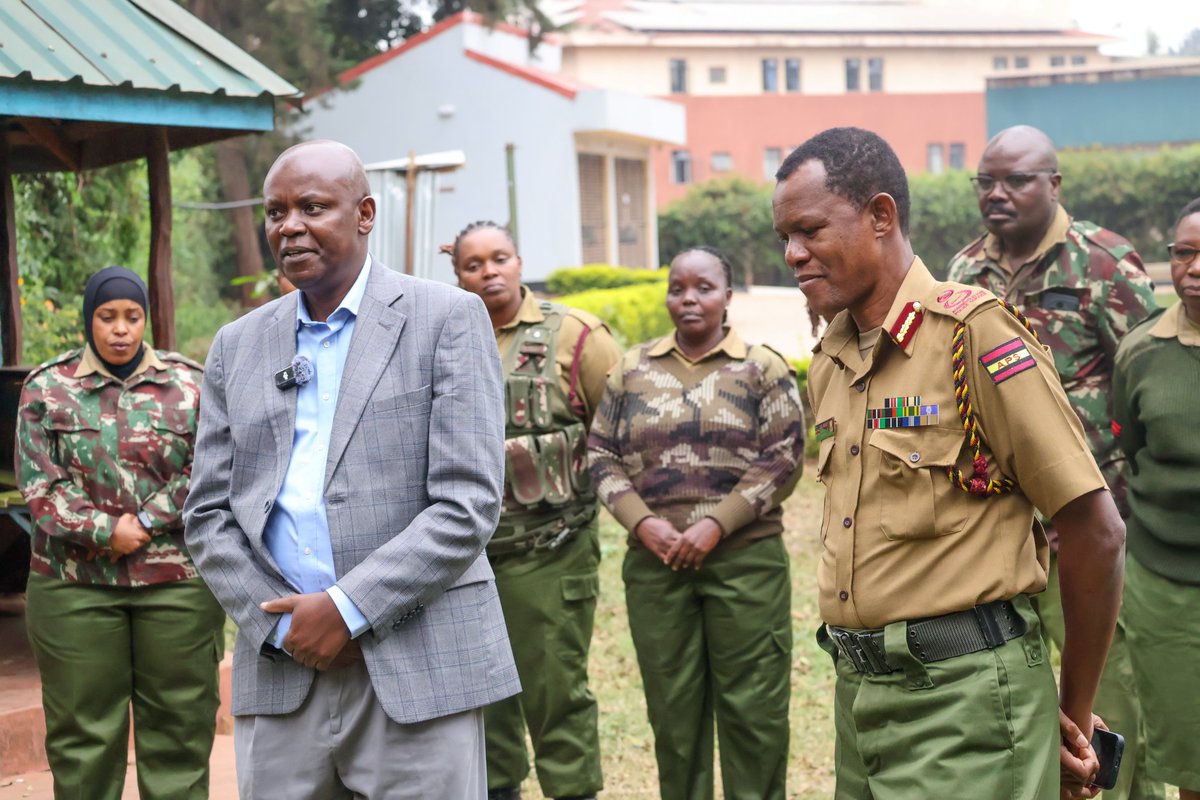
Officially opening the training, Dr. Masoud Mwinyi, Principal Deputy to the Deputy Inspector General of the Administration Police Service, challenged participants to internalize the lessons beyond the classroom, urging them to exercise responsibility with professionalism, adaptability, and purpose in serving the public.
His message was reinforced by @Midrifthurinet Executive Director Joseph Omondi, who called on officers to embrace proactive peacebuilding, deepen collaboration with young people, and harness digital platforms and emerging Artificial Intelligence technologies to counter harmful narratives while advancing positive civic engagement.
He further commended the Administration Police Service for its continued partnership.
He recognized the recent launch of the EWER 107 App in collaboration with Peace Cop and PCVE as a significant step toward leveraging technology for early warning, early response, and community-centered peacebuilding.
@DignityDK | @InteriorKE
Presenting the “ @APSKenya Roadmap to Service Delivery Revitalization 2025–2028”, Dr. Masoud Mwinyi, Principal Deputy to the Deputy Inspector General of the Administration Police Service, challenged officers to reflect on a fundamental question: Why do you wear the uniform?
He reminded them that the uniform represents public trust and that the moment citizens lose confidence in the Administration Police Service, the institution's effectiveness is compromised.
Taking participants through the strategy's vision and objectives, he urged every officer to ensure their work delivers measurable impact, strengthens rapport with communities, and embraces community-centred policing.
The roadmap also prioritizes revitalizing Peace Monitors and strengthening Preventing and Countering Violent Extremism (PCVE) structures across regions, units, and formations to remain responsive to evolving security challenges.
Dr. Mwinyi encouraged officers to cultivate an enduring appetite for knowledge and information, emphasizing that continuous learning, professional excellence, and public trust remain the foundation of effective service delivery and sustainable peace.
@InteriorKE | @DIGNITY_INT
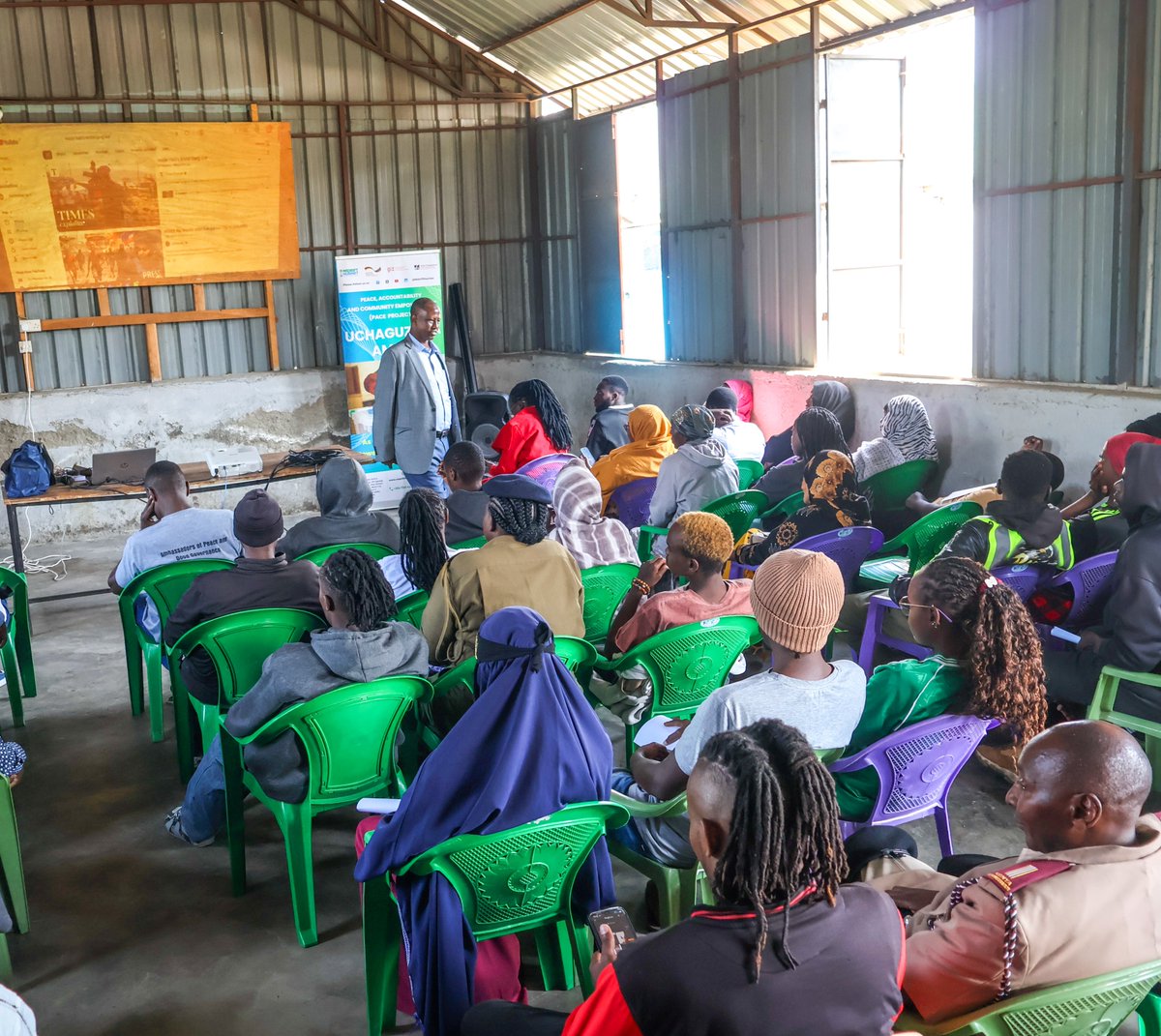
In a season where a single false message can spread faster than the truth and a careless statement can fracture years of community trust, the people of Kapkures in Nakuru Town West Constituency came together for a timely civic conversation on one of the greatest challenges facing modern democracies.
Through Participatory Education Theatre (PET), youth champions transformed everyday experiences into powerful scenes that challenged residents to reflect on the real cost of misinformation, disinformation, and malinformation.
The discussions revealed that the consequences extend far beyond misleading narratives by eroding public trust, distorting democratic participation, weakening social cohesion, fueling fear and suspicion, and creating fertile ground for manipulation.
The performance further demonstrated how incitement magnifies these dangers by transforming misinformation into hostility, deepening political polarization, dividing neighbours along ethnic, political, and social lines, and undermining peaceful coexistence.
Rather than prescribing solutions, the youth champions deliberately engaged the community in dialogue, encouraging citizens to verify information critically, reject inflammatory rhetoric, embrace responsible digital citizenship, and become active custodians of peace.
The PET session highlighted that resilient communities are built by strengthening civic education, promoting media literacy, safeguarding truthful public discourse, and fostering inclusive conversations that place unity, accountability, and democratic values above division.
@zfdnews
Are Maasai morans or traditional warriors an advanced form of localized goonism?
That thought-provoking question emerged during the dialogue session, not as a conclusion, but as an invitation to critically examine how society distinguishes between cultural traditions, community protection, and criminal or politically motivated violence.
The discussion underscored the importance of recognizing that traditional institutions rooted in culture and governed by established norms should not be casually equated with unlawful intimidation or violence.
From this point, participants broadened the conversation to explore the similarities often associated with vigilante groups and organized goonism, particularly where the use of force operates outside formal legal and constitutional frameworks, posing risks to public safety, accountability, and the rule of law.
The dialogue further highlighted political intolerance as a persistent challenge to civic and political engagement, emphasizing that democratic participation must be anchored in respect for differing opinions, peaceful coexistence, and constitutional freedoms rather than coercion or fear.
Participants also reflected on the growing reality that digital footprints are a defining feature of modern life, with employers increasingly considering online conduct, public interactions, and digital reputations during recruitment, making responsible digital citizenship an essential life skill for young people.
@zfdnews
Si Mkate Pekee Itafanya Uishi.
Those simple yet significant words echoed through the gathering as one resident rose to speak, reminding young people that while economic hardship may present difficult choices, lasting dignity is built on values, integrity, and responsible citizenship rather than short-lived rewards.
Drawing from her own life experiences, she encouraged young people to remain vigilant against manipulation, reject the lure of goonism, and resist political intolerance, emphasizing that no temporary incentive is worth sacrificing one's future, community, or peace.
Her testimony transformed the discussion from one about the consequences of violence into a broader conversation about personal responsibility, ethical leadership, and active citizenship.
It highlighted a policy-oriented reality that sustainable peace cannot be achieved through security interventions alone, but through empowering young people with opportunities, civic education, critical thinking, and the confidence to make informed decisions even under pressure.
@zfdnews
Peace is built through courageous conversations that confront difficult realities before they become crises.
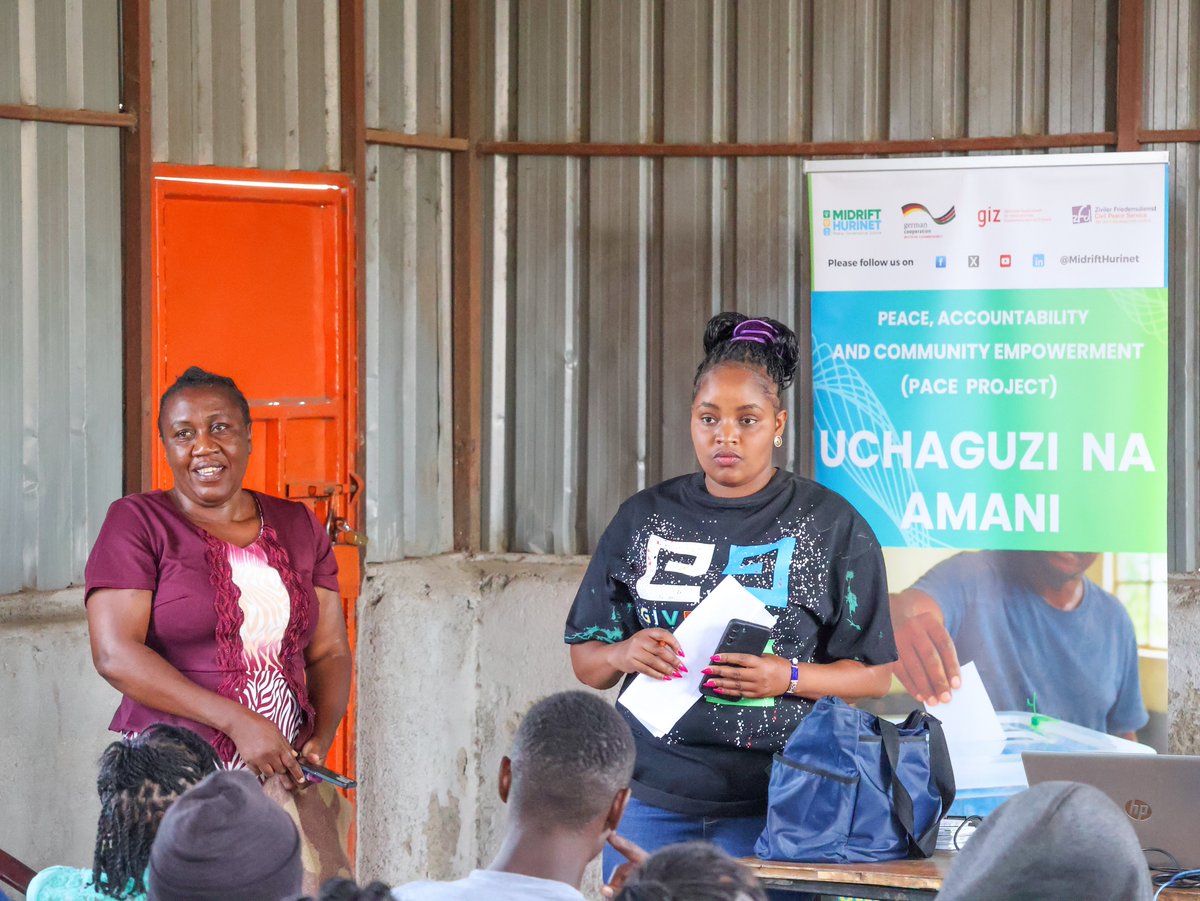
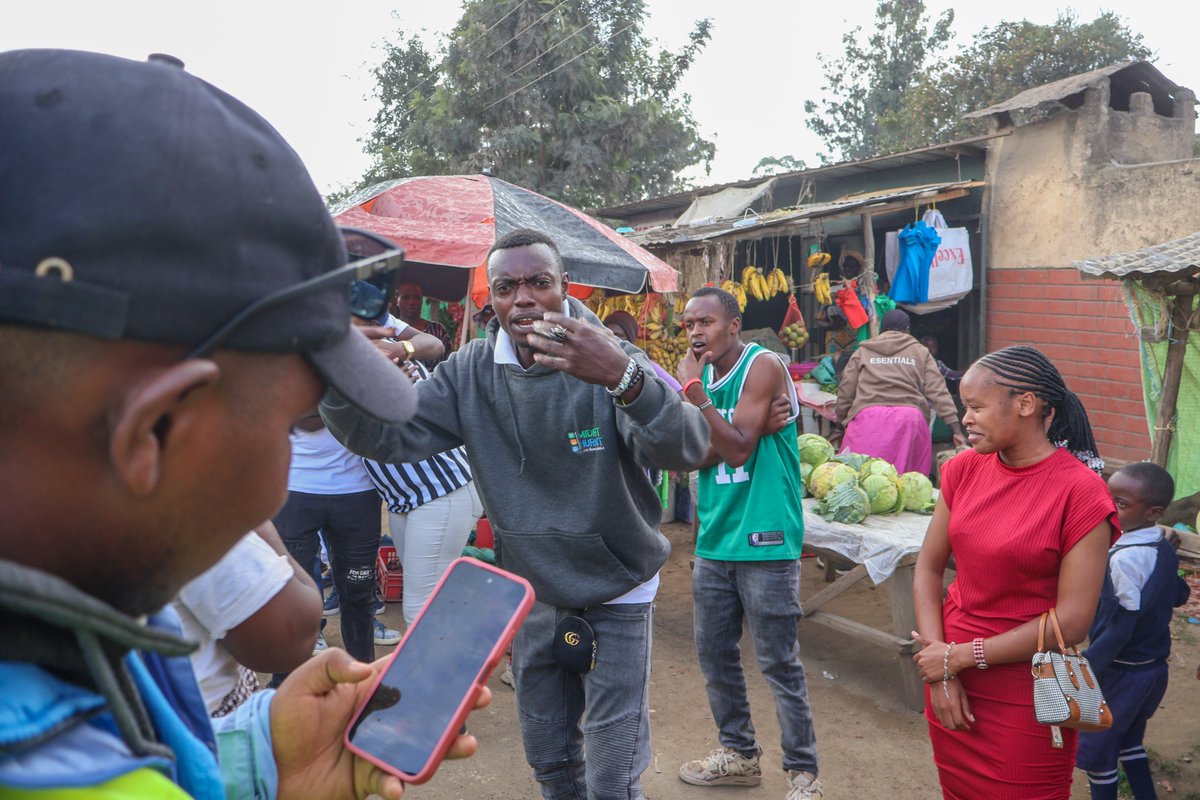
In Lumumba area of Biashara Ward, Nakuru Town East Sub-county, residents, youth, and community stakeholders gathered for a dialogue convened by @Midrifthurinet with a shared conviction that lasting peace begins when communities are empowered to understand, discuss, and address the root causes of insecurity.
The community dialogue created a safe and inclusive platform to examine the emerging challenge of goonism, encouraging open reflection on its underlying drivers, including unemployment and limited economic opportunities, political intolerance, differing perceptions of goonism, the influence of political actors, and the need to identify sustainable alternatives that steer young people toward positive civic engagement.
Through informed discussion, participants emphasized that addressing these challenges calls for accountable leadership, peaceful political participation, youth empowerment, and stronger collaboration among citizens, institutions, and community leaders.
By promoting information sharing, constructive dialogue, and collective responsibility, the forum reinforced the understanding that effective communication is most impactful when it informs, inspires participation, strengthens public trust, and turns awareness into meaningful community action.
The engagement reflected MIDRIFT HURINET's continued commitment to advancing peace, accountability, youth advocacy, and inclusive electoral participation by equipping communities to become active partners in building safer, more cohesive, and more resilient societies.
@zfdnews
State's Costly Bid To Ease Pain:
In a bid to pacify Kenyans' anger, the government has in the recent past extended expensive concessions to avert uprisings.
NTV has noticed a trend of intentional interventions to keep the cost of living down.
#NTVTonight@BrianGeorgeKE
“It is not about having control of the Child but about influence”
Communities rarely overcome their most pressing challenges through enforcement alone but through dialogue, understanding, and collective responsibility.
This reality was demonstrated when MIDRIFT HURINET participated in a community dialogue forum convened by the Kaloleni Health Unit at Kivumbini Social Hall in Nakuru Town East Constituency, bringing together stakeholders to address interconnected social issues affecting families and communities.
The forum explored critical themes, including parenting practices, school unrest, crime prevention, antenatal care, home births, sexual and reproductive health, life after teenage pregnancy, the underlying causes of adolescent pregnancies, and the often-overlooked risks of sexual violence affecting both women and men.
Through a multidisciplinary, community-centered approach, MIDRIFT HURINET representatives emphasized the importance of responsible parenting, examined parenting models and their long-term societal implications, and proposed practical interventions to strengthen family structures and social cohesion.
Complementing this perspective, a psychologist from the organization provided valuable insights into young people's experiences, the consequences of neglecting survivors of violence, and the social, psychological, and economic factors that can contribute to criminal behavior.
The dialogue reinforced an important lesson for communities and policymakers alike that sustainable peace, public health, and social stability are built through inclusive engagement, preventive action, evidence-based interventions, and a shared commitment to protecting and empowering every member of society.
@DignityDK | @NakuruCountyGov | @MOH_Kenya