Trigger warnings are increasingly ubiquitous, but are they effective for reducing the risk of trauma exposure?
New research finds they are ineffective, and possibly harmful, if used in a tokenistic way, write @jegildersleeve + colleagues (@unisqaus). https://t.co/2JVwYPdqvZ
@ConversationEDU @jegildersleeve @unisqaus I have often wondered about this, especially in relation to talks I have given on my work, whether a trigger warning overly focuses on a 'trauma', rather than overcoming circumstances and honouring survival - in my personal experience.
Happy to be with the @RosebankWriters group on Saturday as I start on the mission of editing the down draft of the sequel to #GlowflyDance... It is wonderful to meet with other writers
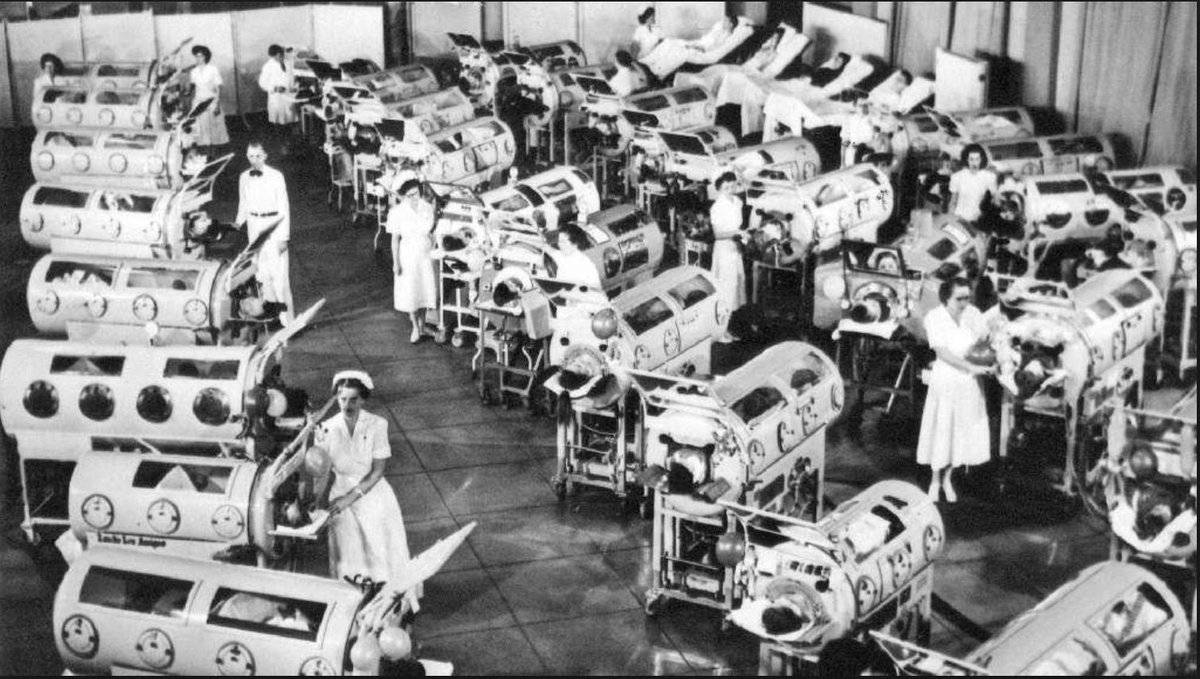
A visual argument for vaccines, in five tweets:
1/ A ward of polio victims, incarcerated inside "iron lungs" in 1950s America. Many are children, their lungs paralysed, unable to breathe unaided. Thanks to vaccination, no-one has caught polio in the UK since the 1980s.
No, no, this isn't a camp, this is a work meeting. You are now foreign secretary. Don't worry you're far better than the last one. #BorisJohnson#workparty#boris
Wonderful to be interviewed on my book Glowfly Dance for 16 Days of Activism on how children cope with domestic violence and why women lose their lives https://t.co/Yp8AIYksBY
4. Was the age profile of #COVID19 admitted patients different from other waves?
Yes. They were younger.
- 80% of admissions = people younger than 50 (this is also the case across Gauteng province, where Tshwane is located)
- 19% = children aged 0-9
- 28% = 30-39 years
3. What do we know about admitted patients' vaccination status?
Snapshot of 2 Dec:
Of 38 adults in #COVID19 wards:
* 6 = vaccinated
* 24 = unvaccinated
* 8 = unknown vaccination status
Of 9 patients with COVID pneumonia
* 8 = unvaccinated, 1 is a child
* 1 = vaccinated