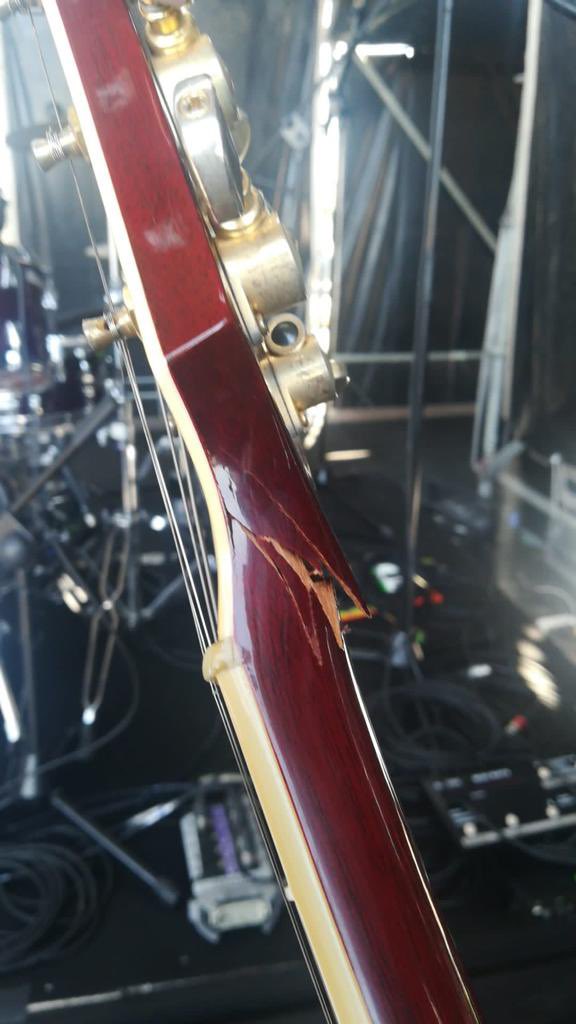
Una gira con @Loquillo y la banda es el disfrute máximo, pero hay peros como en todas las profesiones. En este caso, aeropuertos y líneas aéreas. Nos tocó @AirEuropa. Para romper una funda (y por tanto la guitarra), hay que lanzarla con verdadera saña.
Llamadme pejiguero pero creo que los informativos deberían aclarar que, en estas fechas, hay que tener cuidado con el calor. Explicar que hay que protegerse, no hacer ejercicio, ni esfuerzos en las horas de más calor, e hidratarse convenientemente.
No sé qué os parece…
Serious question for people from Spain…
When do you SLEEP?
Been here for a week. Dinner at 10pm (sometimes ELEVEN) and at work by 9am. Weekends people in their 40s and 50s out until 3am.
Are you vampires? How do you do it? What’s the secret?
In the documentary "Free Solo," neuroscientists perform an fMRI scan of rock climber Alex Honnold’s brain.
The neuroscientists conclude that Honnold’s brain doesn't respond to fear stimuli like a "normal" brain.
“I find that slightly irritating,” Honnold later said. "Because...
I've spent 25 years conditioning myself to work in extreme conditions, so of course my brain is different—just as the brain of a monk who has spent years meditating or a taxi driver who has memorized all the streets of a city would be different."
Honnold says that, if anything, it is his preparation that is abnormal.
For years, for instance, Honnold was afraid of El Capitan—a 3,000-ft rock wall in Yosemite.
“I’d drive into Yosemite,” he said, “look at the wall, and think, ‘No way. Too scary.'”
So, "to gradually expand [my] comfort zone," Honnold said, he climbed El Cap hundreds of times with a rope.
Then on June 3, 2017, Honnold became the first to climb El Cap without a rope.
Takeaway 1:
Honnold is right: No one comes hard-wired with the ability to abnormally respond to fear stimuli.
There is a body of research supporting the fact that emotions like fear are shaped by prior experience.
Dr. Lisa Feldman Barrett writes in her bestselling book, How Emotions Are Made:
"Your past experiences...give meaning to your present sensations.”
This means that fear and preparation are inversely proportional.
As Honnold puts it, "The level of fear depends [on] the level of preparation."
Takeaway 2:
Before climbing El Cap without a rope, Honnold strategically expanded his comfort zone by doing incrementally harder and scarier climbs.
It makes me think of the big wave surfer Laird Hamilton.
Laird regularly surfs 40-foot waves. So if he and I were looking at the same 10-foot waves—Laird would see small waves. I would see big, scary waves.
Your prior experiences, Laird says, shape your current perceptions.
If you want to make your stressors or problems seem smaller, Laird says, conquer bigger stressors and problems.
If you want the massive waves to seem more manageable, gradually surf bigger and bigger waves.
If you want the confidence that you can climb a 3,000-ft rock wall without a rope, climb it hundreds of times with a rope.
- - -
"If something seems really scary, I either put in more time preparing or I just don't do it." — Alex Honnold
Follow @bpoppenheimer for more content like this!
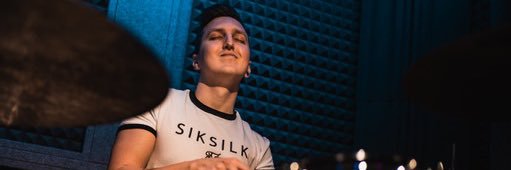
Now that @joshfreese is the Foos drummer you guys can stop posting your Everlong drum covers and go back to your Chris Dave knockoffs where the snare is next-Wednesday levels of behind-the-beat
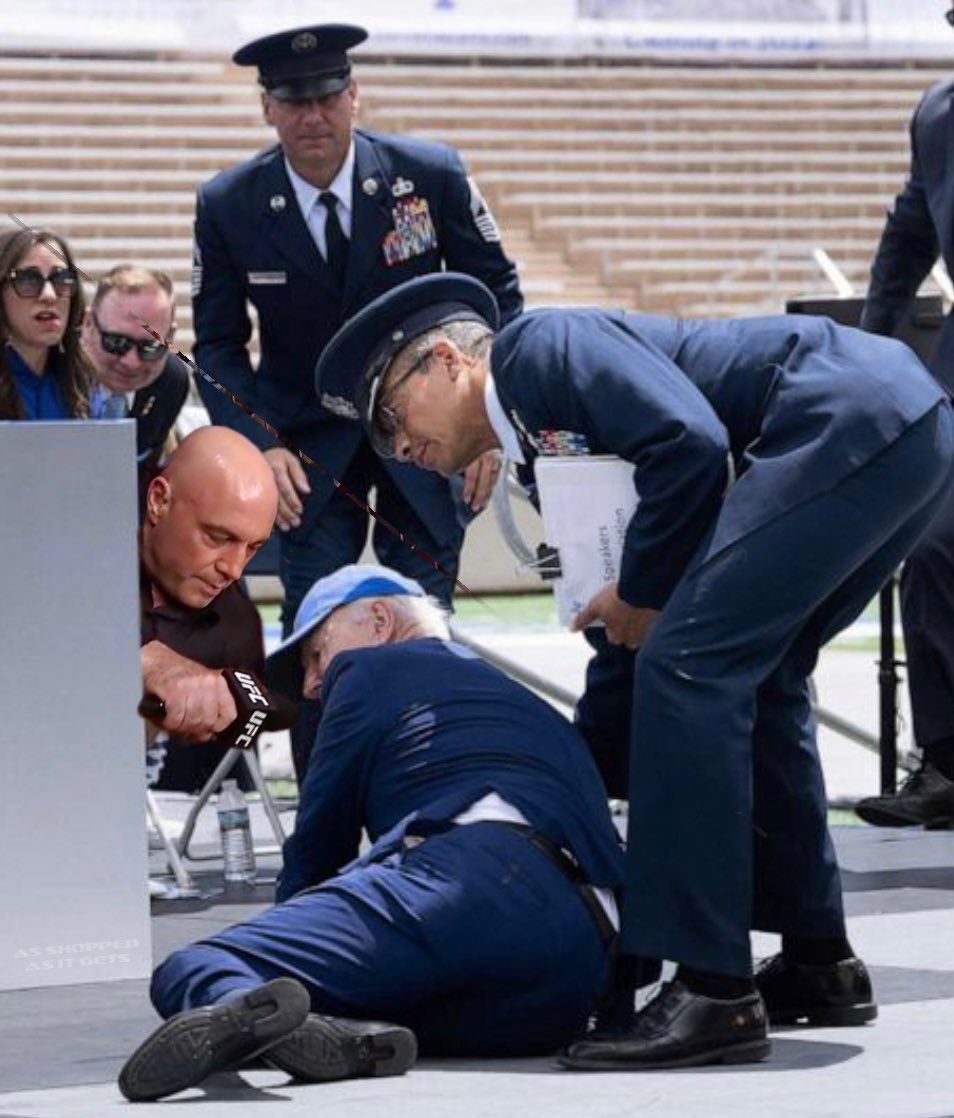
Who is your favorite left wing hero?
Jordan Neely: 44 arrest including kidnapping a 7 year old and beating 67 year old
George Floyd: 9 arrest including putting a gun on a pregnant lady
Joseph Rosenbaum: multiple arrest including anally raping 5 boys ages 9-11
Other: leave name and crime in comments
«Los que intentan constantemente buscar soluciones rápidas terminan no logrando nada. Su impaciencia constante frustra su avance. Con frecuencia, el camino largo termina siendo el rápido.»





![bpoppenheimer's tweet photo. In the documentary "Free Solo," neuroscientists perform an fMRI scan of rock climber Alex Honnold’s brain.
The neuroscientists conclude that Honnold’s brain doesn't respond to fear stimuli like a "normal" brain.
“I find that slightly irritating,” Honnold later said. "Because...
I've spent 25 years conditioning myself to work in extreme conditions, so of course my brain is different—just as the brain of a monk who has spent years meditating or a taxi driver who has memorized all the streets of a city would be different."
Honnold says that, if anything, it is his preparation that is abnormal.
For years, for instance, Honnold was afraid of El Capitan—a 3,000-ft rock wall in Yosemite.
“I’d drive into Yosemite,” he said, “look at the wall, and think, ‘No way. Too scary.'”
So, "to gradually expand [my] comfort zone," Honnold said, he climbed El Cap hundreds of times with a rope.
Then on June 3, 2017, Honnold became the first to climb El Cap without a rope.
Takeaway 1:
Honnold is right: No one comes hard-wired with the ability to abnormally respond to fear stimuli.
There is a body of research supporting the fact that emotions like fear are shaped by prior experience.
Dr. Lisa Feldman Barrett writes in her bestselling book, How Emotions Are Made:
"Your past experiences...give meaning to your present sensations.”
This means that fear and preparation are inversely proportional.
As Honnold puts it, "The level of fear depends [on] the level of preparation."
Takeaway 2:
Before climbing El Cap without a rope, Honnold strategically expanded his comfort zone by doing incrementally harder and scarier climbs.
It makes me think of the big wave surfer Laird Hamilton.
Laird regularly surfs 40-foot waves. So if he and I were looking at the same 10-foot waves—Laird would see small waves. I would see big, scary waves.
Your prior experiences, Laird says, shape your current perceptions.
If you want to make your stressors or problems seem smaller, Laird says, conquer bigger stressors and problems.
If you want the massive waves to seem more manageable, gradually surf bigger and bigger waves.
If you want the confidence that you can climb a 3,000-ft rock wall without a rope, climb it hundreds of times with a rope.
- - -
"If something seems really scary, I either put in more time preparing or I just don't do it." — Alex Honnold
Follow @bpoppenheimer for more content like this!](https://pbs.twimg.com/media/FxAWbMPWYAIU1I_.jpg)


