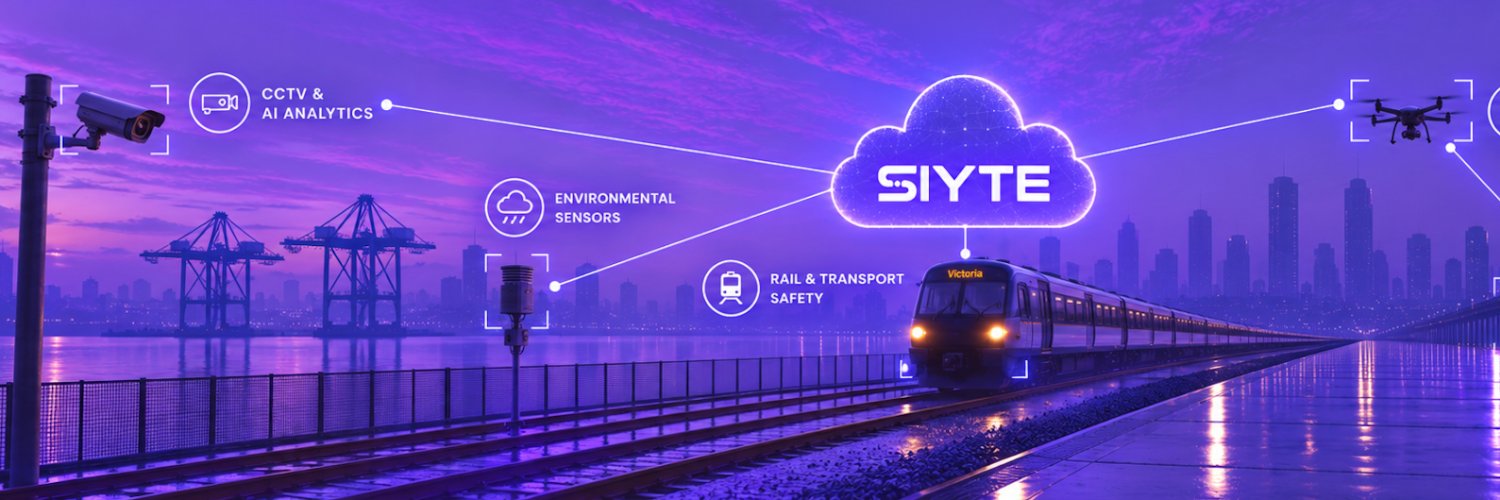
@IlirAliu_@ShenhaoRobotics Night track checks are the perfect robot job: dark, boring, and every missed crack matters. Does it flag defects live or does a human review the scans next morning?
@NVIDIARobotics Lifting and squeezing to learn an object is exactly how toddlers do it. How many squeezes before it can tell a ripe tomato from a stress ball?
Funniest bit: add "by the way, move the yellow mug to the center" and OpenVLA-OFT and AVA-VLA basically stop working. The other 5 keep 60% to 73%. All in simulation.
Robot AI models score up to 97% on the LIBERO benchmark. Shanghai Jiao Tong University and PrismaX hit 7 of them with 22 real world glitches. Every one dropped 34 to 45 points 🧵
Worst hit: something blocking part of the camera view. Next, noisy readings of where the gripper is. A 5 step command delay cut every model to 16% to 45% of its normal success.
@kimmonismus 75% more usage from caching and harness work alone is a huge number. Was that headroom always there, or did the Neon launch force their hand?
@HuggingPapers 1.6x fewer GPU hours is the line that sells this. Does the exact posterior only work in toy environments, or does it hold up on real web tasks?
After Humanity's Last Exam, Google DeepMind just launched Humanity's First Exam.
544 easy everyday questions, text and images. the model has to get each one right every single time, not just once.
one example: list the colour of the third letter of each word on a neon sign.
the hard part of AI is still the easy stuff 😂