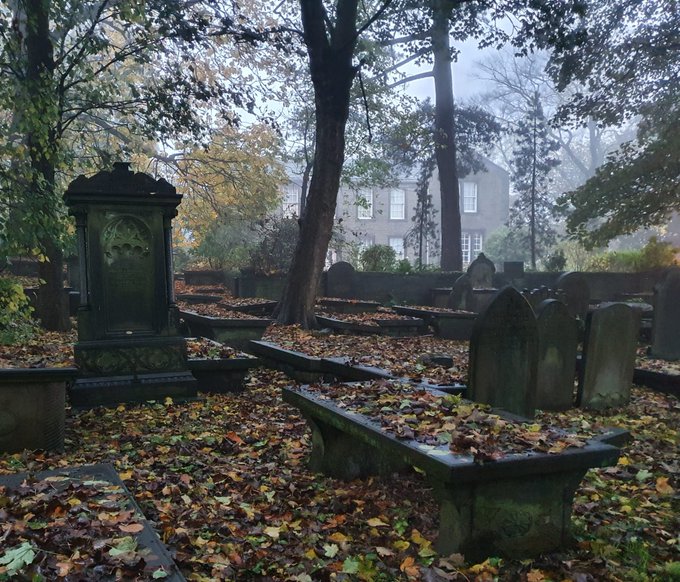
NO COWARD SOULS The unsettled gothic beauty of the Brontë family home & churchyard in Haworth, Yorkshire. Posted in celebration of Charlotte, Emily and Anne this #FolkloreSunday No coward souls reside here. Images taken last autumn and fondly remembered.
SUMMER NIGHTS IN FAERY Theodore von Holst captures the antics of a #fairy couple in love in 1833; John Anster Fitzgerald imagines his fairy lovers secreted in a bird's nest being watched by a white mouse, 1860
Aine, the Irish goddess and Queen of the Faeries. She is the goddess of summer and of wealth who brings fertility to the land.
art: Edward Robert Hughes
#TolkienTuesday "Radagast is, of course, a worthy Wizard, a master of shapes and changes of hue; and he has much lore of herbs and beasts, and birds are especially his friends" ~ Gandalf
art: Radagast the Brown by Ekaterina Yusupova
Last 10 now available in the shop.
First come first served. Thanks so much for all the orders across the day. It really does mean alot. Have a great weekend all...🌞
https://t.co/8FRQifjqft
William Blake, 'The Song of Los'.
Part of the book The Song of Los, one of Blake’s prophetic poems, published in 1795.
The image shows Urizen, one of Blake’s main mythological figures, seated on a giant lily.
#FolkloreSunday
The hulders are nymph-like creatures in Norwegian folklore, that dwell inside mountains and underground in the woods.
When nature wakes up in spring after a long and cold winter, the hulders also come out of their otherworldly realm. The hulders are guardians of the forest and represent the beauty and danger of wild nature.
They are usually depicted as beautiful and seductive women with long, golden hair, looking for men who are alone in the wilderness.
Many legends tell of men who are mesmerized by a hulder and her promises of sensual pleasures and eternal love, but when they notice her tail and realize that she is otherworldly, it is often too late.
Men who were lured into following a hulder into the mountains, usually disappeared, never to be seen again.
🎨 Nataša Ilinčić
In Slavic lore, Baba Yaga is either a ferocious old woman who fries and eats children, or a nice old woman who helps others. She is a witch who flies around the forest in a wooden mortar wielding a pestle, and lives in a hut with chicken legs.
art: Baba Yaga by Ivan Bilibin