Assistant Professor @ung_coe. Historian of Education. Researching teachers , LGBTQ communities, and education in unusual settings. Thoughts are all my own.
@USNatArchives@ScribnerUMCP Oh sure. We had a few old rusting ones we played on and a great dilapidated steam shovel from the 20’s. As I understand my father and grandfather illicitly played on mining equipment during their childhoods in the same spots.
John Willinsky with a very kind review of "A is for Arson": "a marvelous book about a distressingly destructive subject."
History of Education Quarterly | Cambridge Core - https://t.co/2KOOmWUas6
@ScribnerUMCP Also our particular historical subfield is at least somewhat dedicated to the sort of dialogue with another discipline he is suggesting and we are mostly ignored by education researchers and have seen our numbers grow smaller for three decades too.
My review of Keith Mayes' book, The Unteachables
Disability Rights and the Invention of Black Special Education , is out in @HistEdQuarterly . A provocative book that will spur conversation about SPED and race as a driving forces in American education .
https://t.co/ygrDRCai2U
@ehutt1 Yeah I’ve taken to providing my students with examples of how easy it is. I assume the AI will get better but in the meantime so many failing finals from cheating.
My new book is out !
Not Alone shows how the first queer K-12 teacher groups organized in unions and cities. They succeeded in getting job protections and respect for LGB people in American schools.
The start of the struggle we see in schools today.
https://t.co/Zshh8aX2hy
My thanks to @drbenjustice, editor of the New Directions in the History of Education series, and @RutgersUPress for the ten thousand things needed to finish a book of history. My colleagues here at @ung_coe have been nothing but supportive as I finished this project.
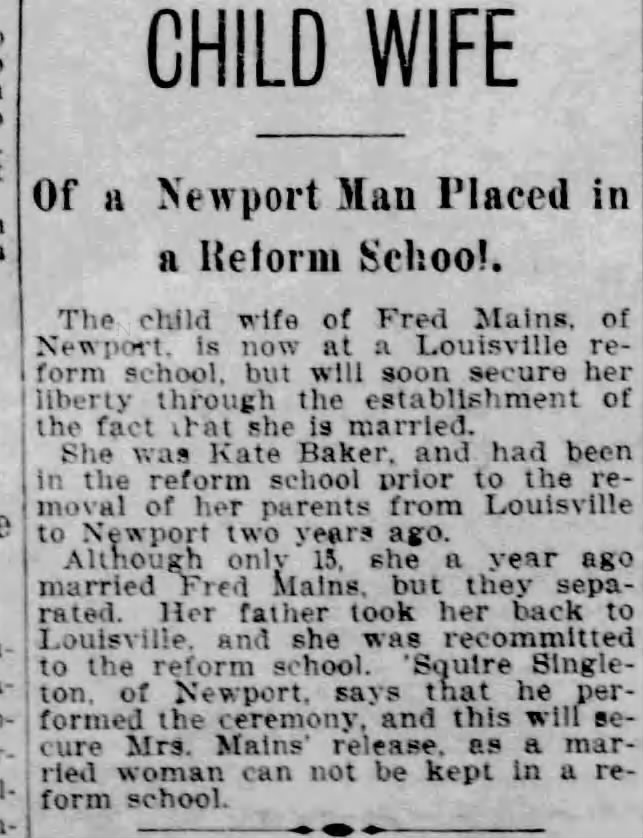
The oddest way of achieving release from reform school I've encountered. A married woman couldn't stay because she was legally not a minor and the statutes stipulated only minors could be committed and detained.
The Kentucky Post
Covington, Kentucky · 10/01/1896 P8
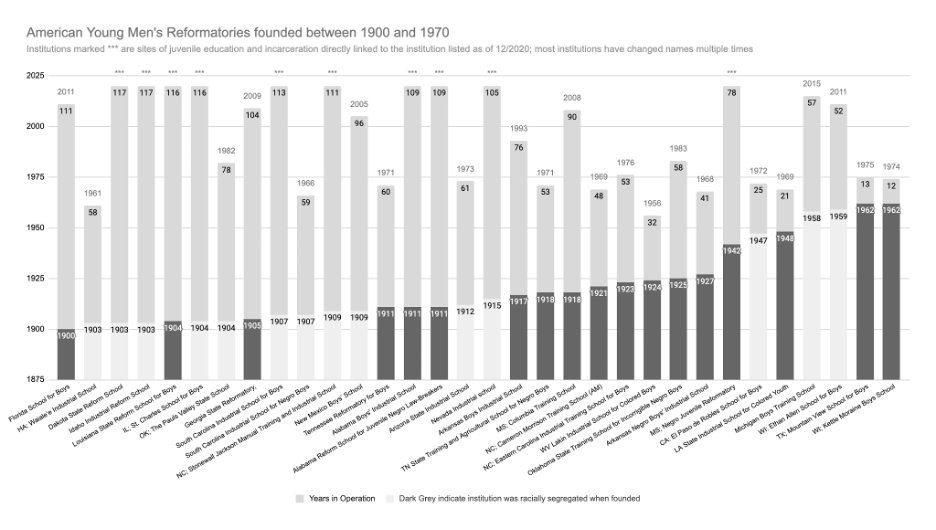
Of the 73 schools identified in this study 41 were founded before 1900. The remaining 32 were founded in the 20th century with 25 young men’s reformatories being built between 1900 and 1925. 18 of the 20th century reformatories were segregated institutions for African Americans.
Intro to my new book project: Reformatories lurked in the darkest shadows of American education for generations. It would be a mistake to think of them as a phenomenon of the 19th century which unfortunately lasted into the 20th century.
@ScribnerUMCP I remember clandestinely teaching Shakespeare in DC because the principal thought my students, all of whom were African American, would interact more readily with anything else. I'd schedule tests to cover my tracks and teach them sonnets instead.
Don’t call me. Don’t text me. Don’t show up on my front porch. Don’t even @ me. I’m reading tonight.🍿🍷
Someone leaked the entire Moms 4 Liberty private Discord chat and turned it into a website. https://t.co/f8SIIcg81e