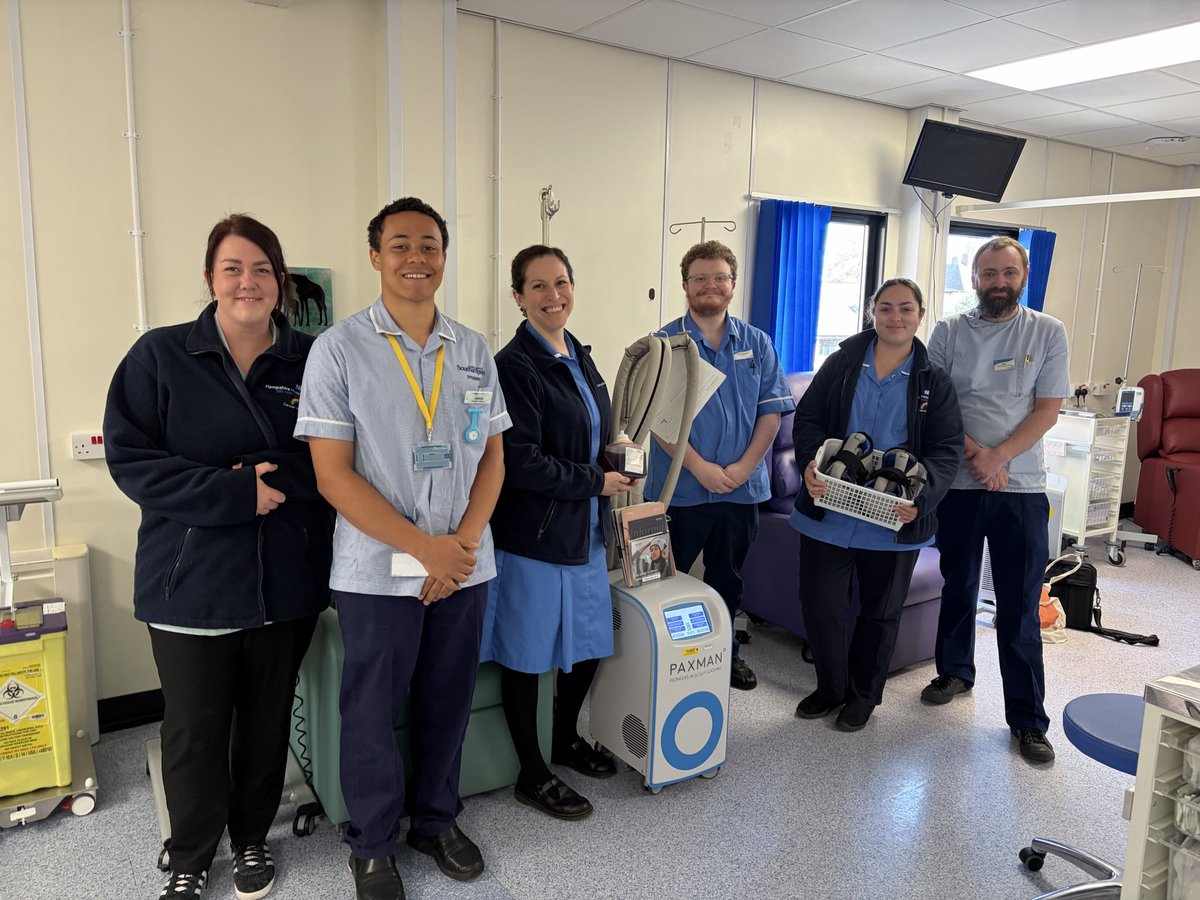
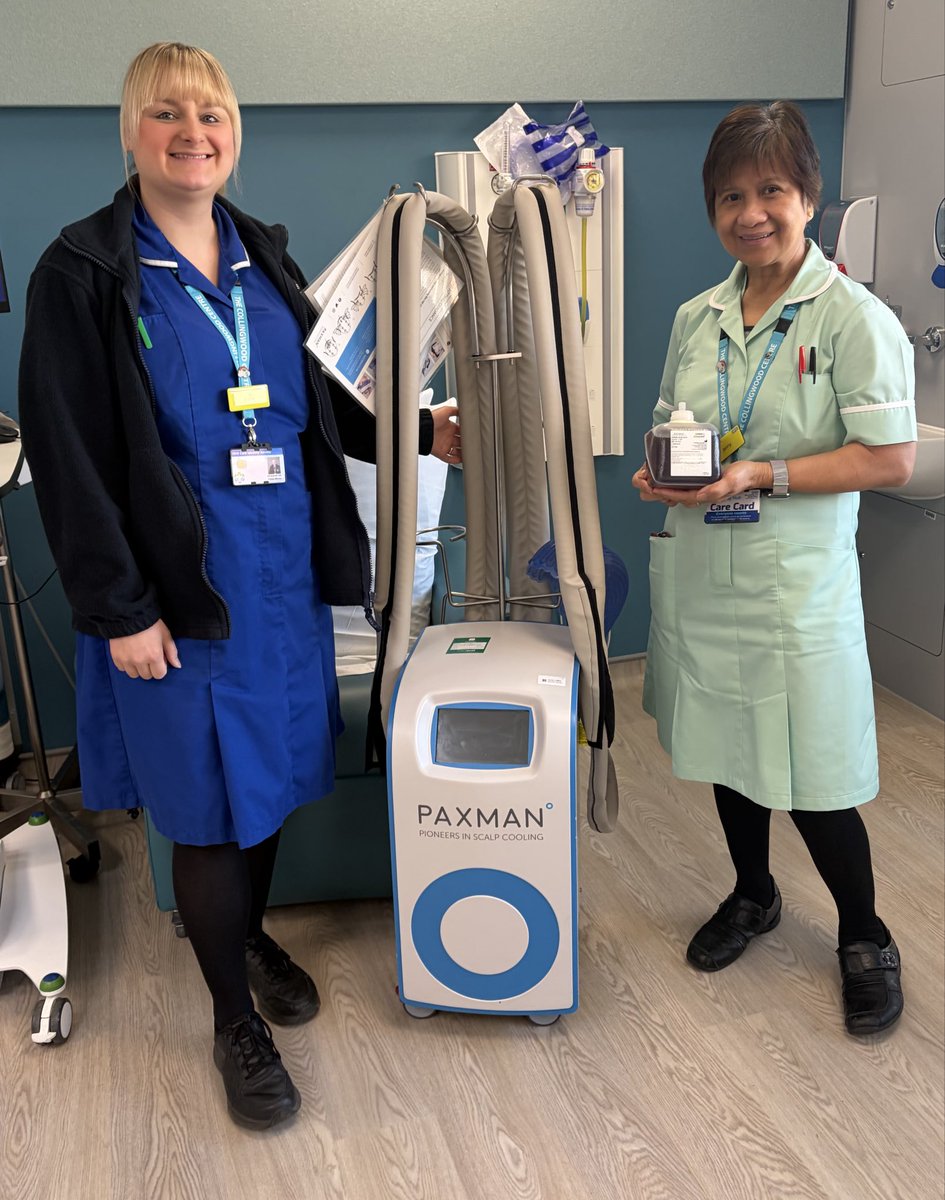
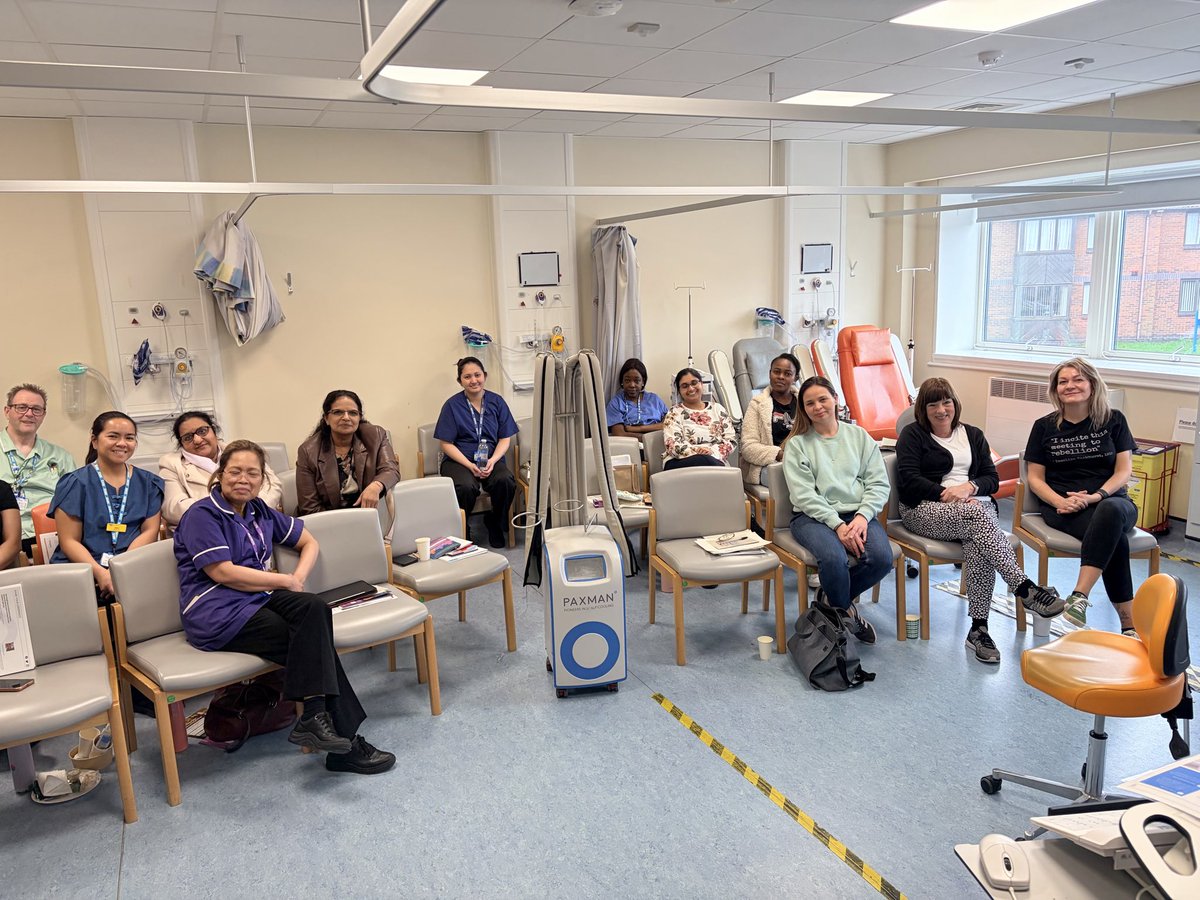
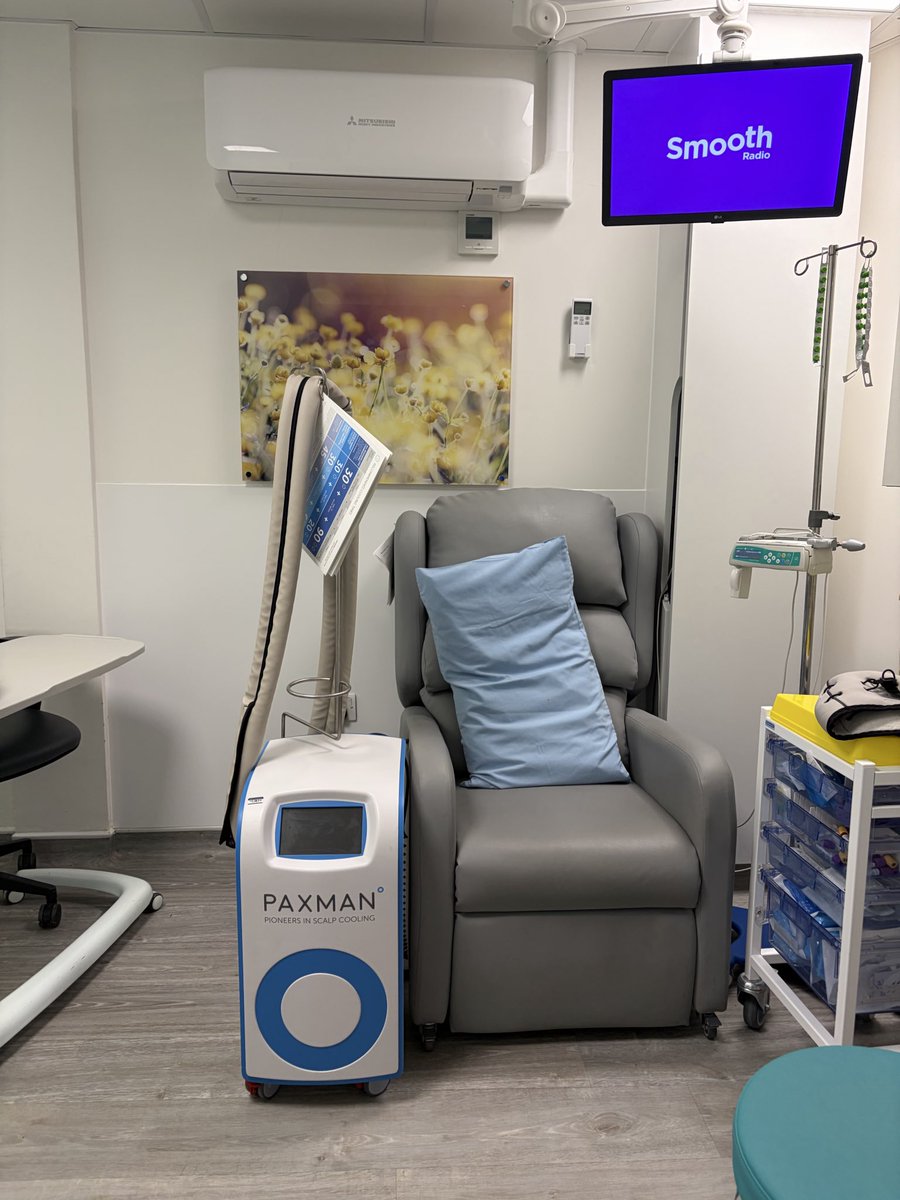
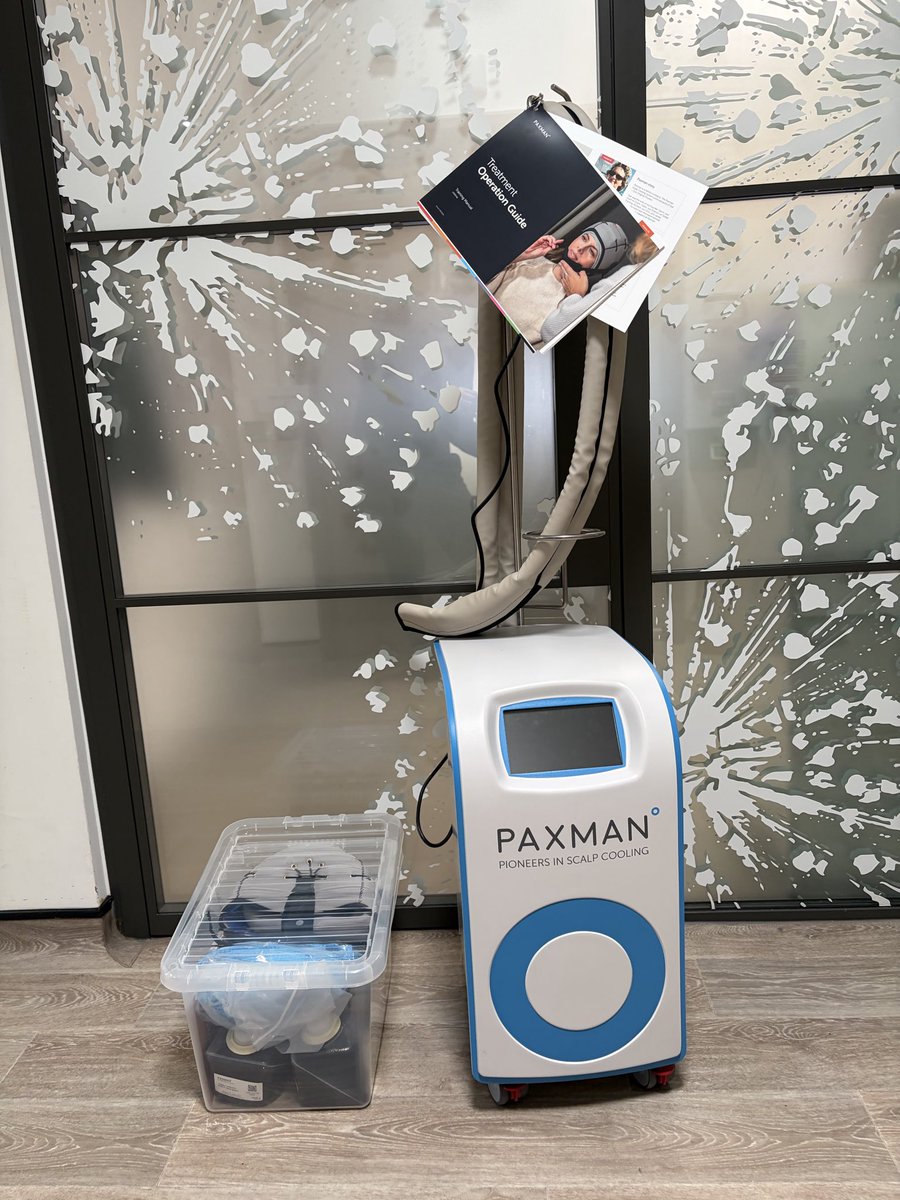
Paxman call for Ukons Poster #scalpcooling.The poster should have #coldcap a focus on scalp cooling & ideally for this years theme/categories ‘Innovation,Inclusion &impact.#changingthefaceofcancer
Paxman call for Ukons Poster #scalpcooling.The poster should have #coldcap a focus on scalp cooling & ideally for this years theme/categories ‘Innovation,Inclusion &impact.#changingthefaceofcancer
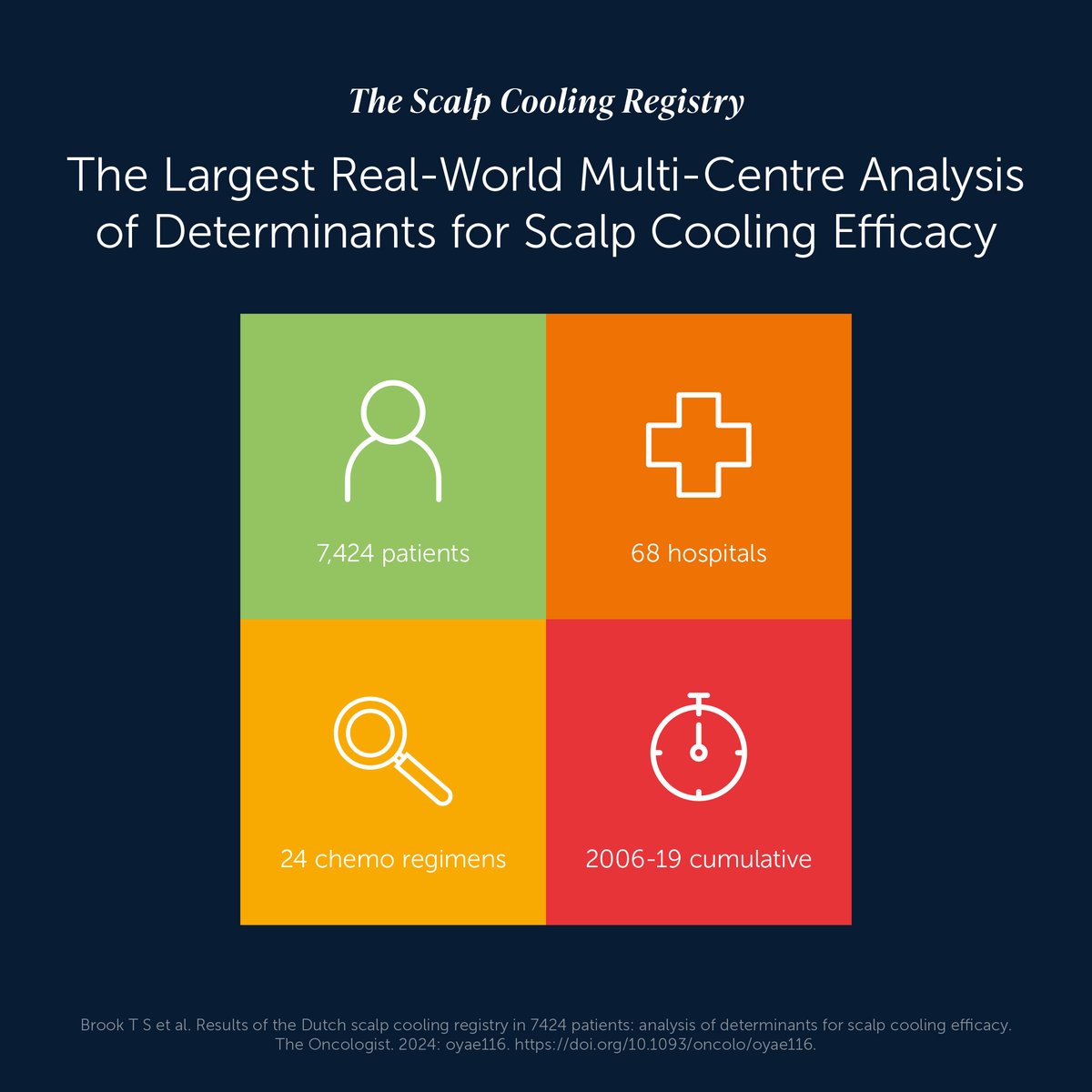
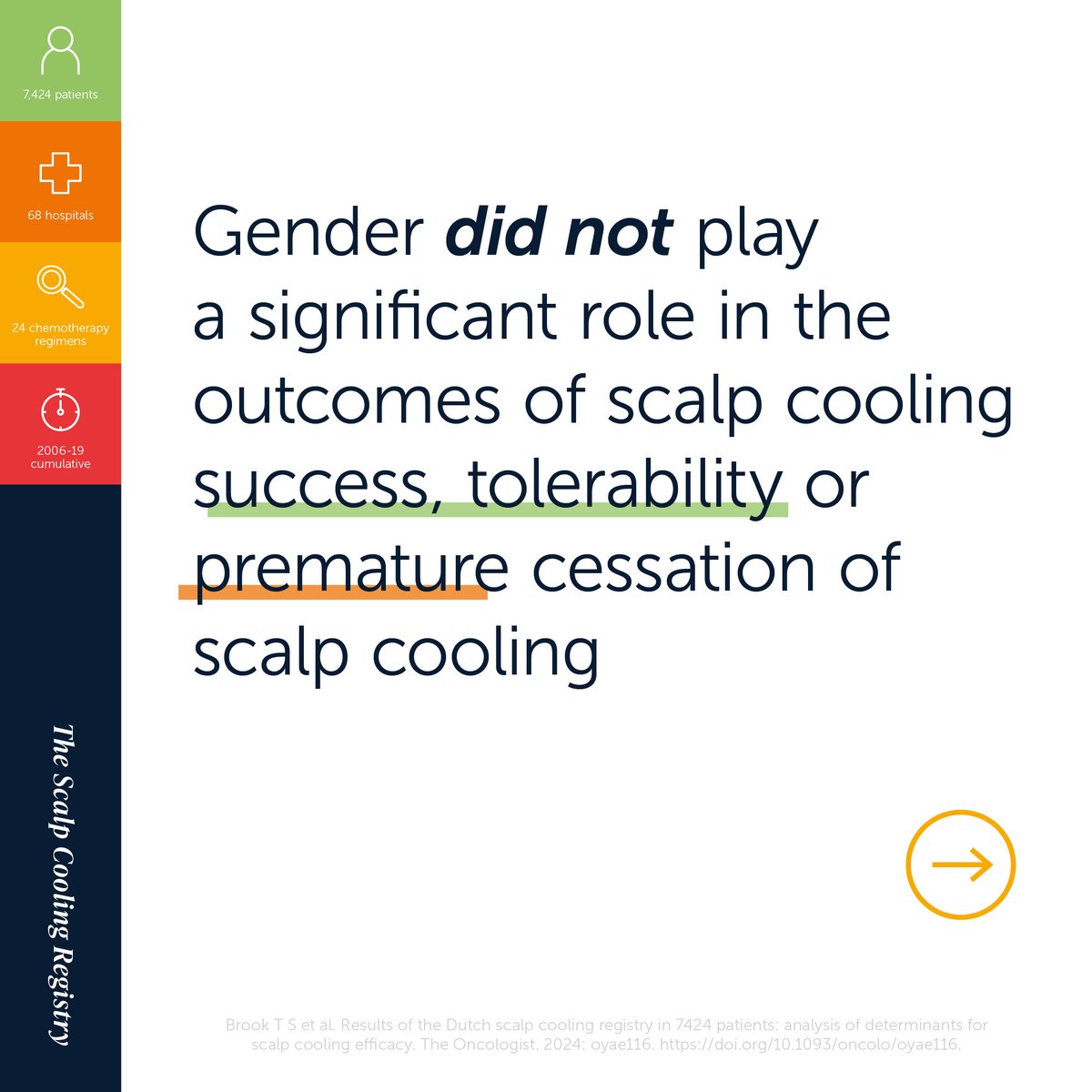
Swipe to see key points from the Scalp Cooling Registry. The study looked at 7424 patients and is the largest study of its kind. The data has significant implications for clinical practice, including supporting our Outcomes Calculator for clinicians. Visit https://t.co/BFw14oQctr
Scalp cooling protects the hair follicles in four ways, all achieved by cooling the scalp effectively and maintaining a consistent scalp temperature throughout treatment. Studies have shown that a scalp temperature of approx. 64-72°F is optimal. Read more: https://t.co/icoeKzowa3
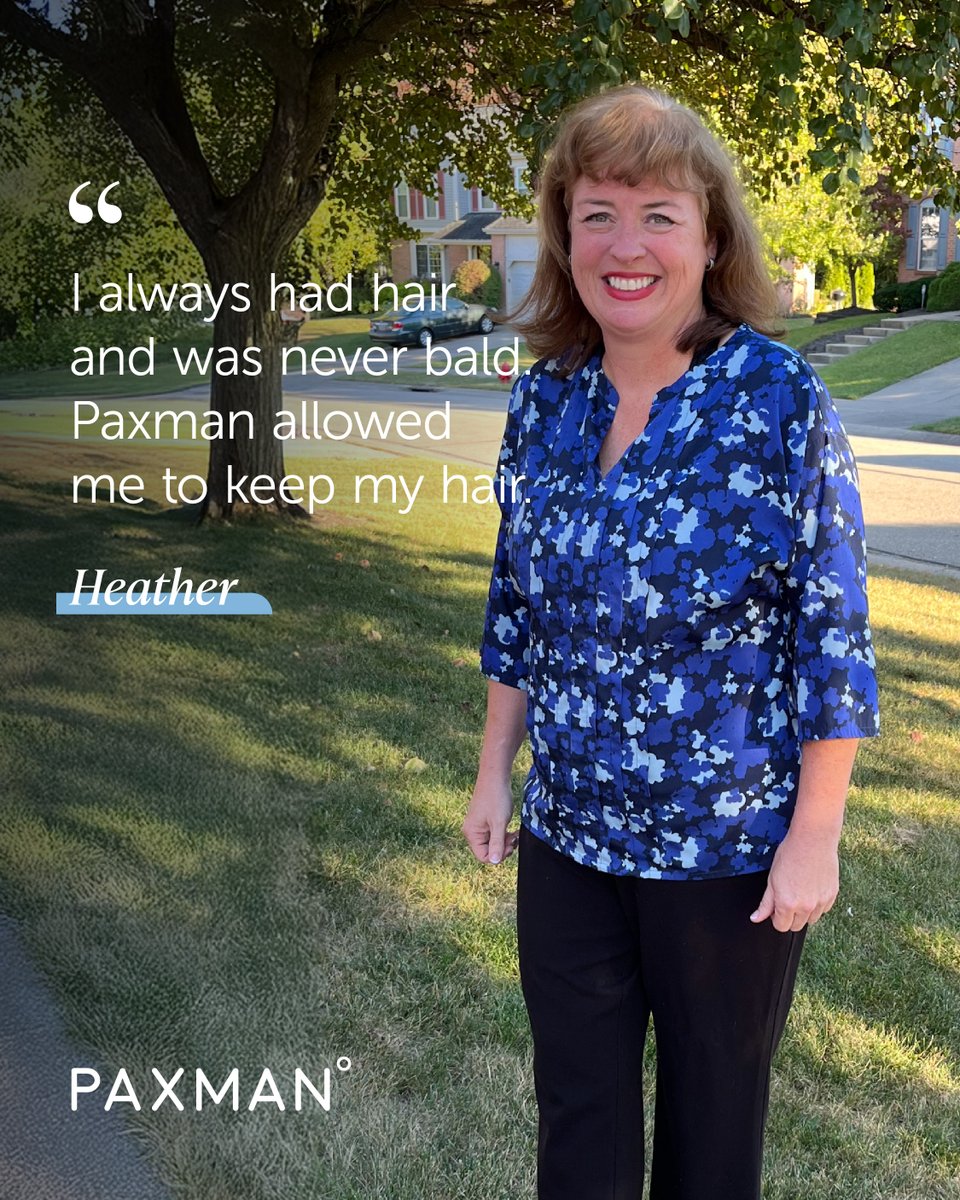
With over 20 years of clinical evidence and one of the largest real‑world scalp cooling studies, data shows that chemotherapy hair loss is now inevitable. But evidence alone doesn’t capture what this means in real life. Read more: https://t.co/u1T28CzQQy
Our outcomes calculator, based off the largest real-world multi-centre analysis of determinants for scalp cooling efficacy, can help your patients have a realistic exception of what to expect based off their chemotherapy regime: https://t.co/ypKxMJaElT
We know that the start of treatment can be an influx of information, we are breaking down the need to know information about scalp cooling, to help you make a decision and get the best outcomes out of your scalp cooling treatment. For more key points visit https://t.co/ZJdllmdtZF
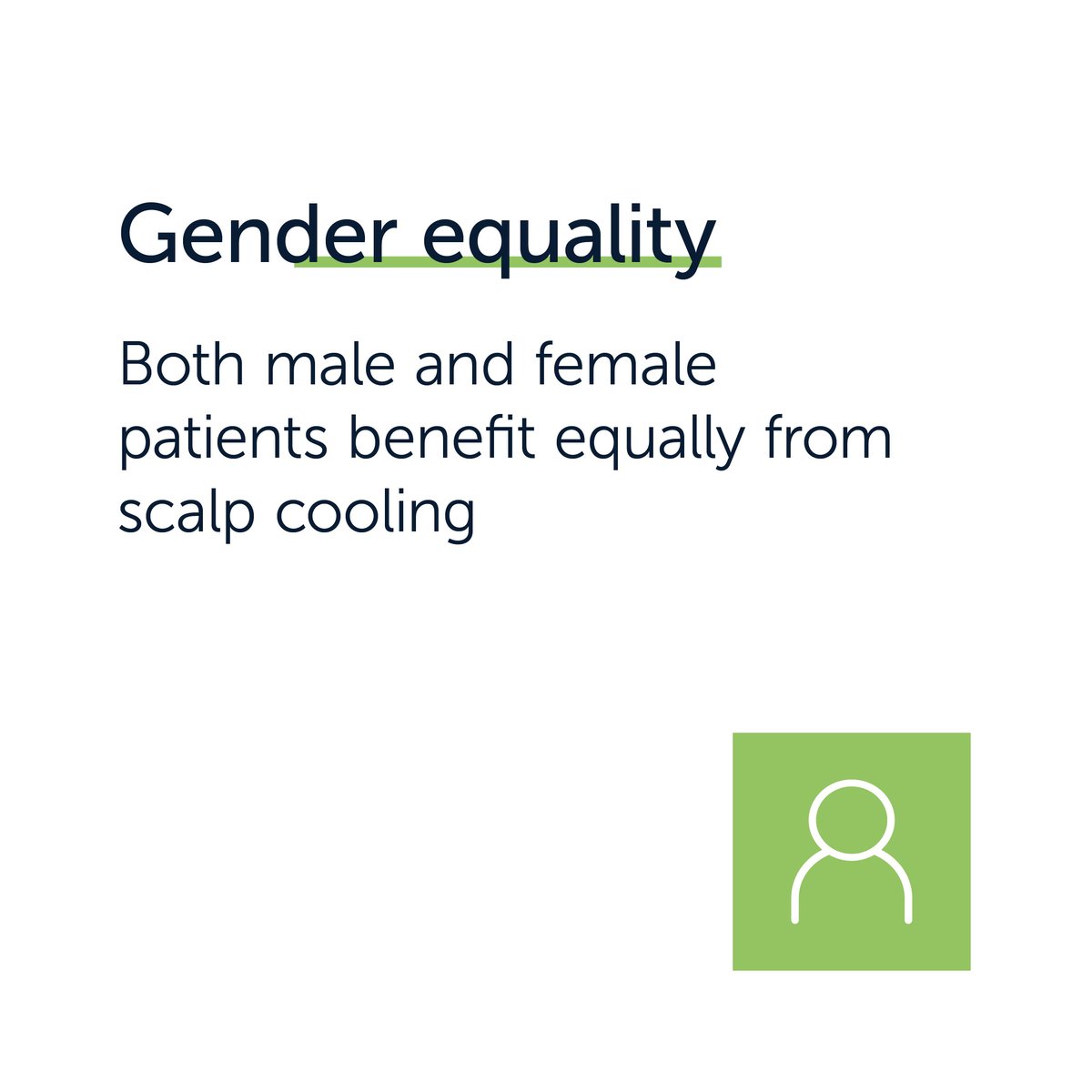
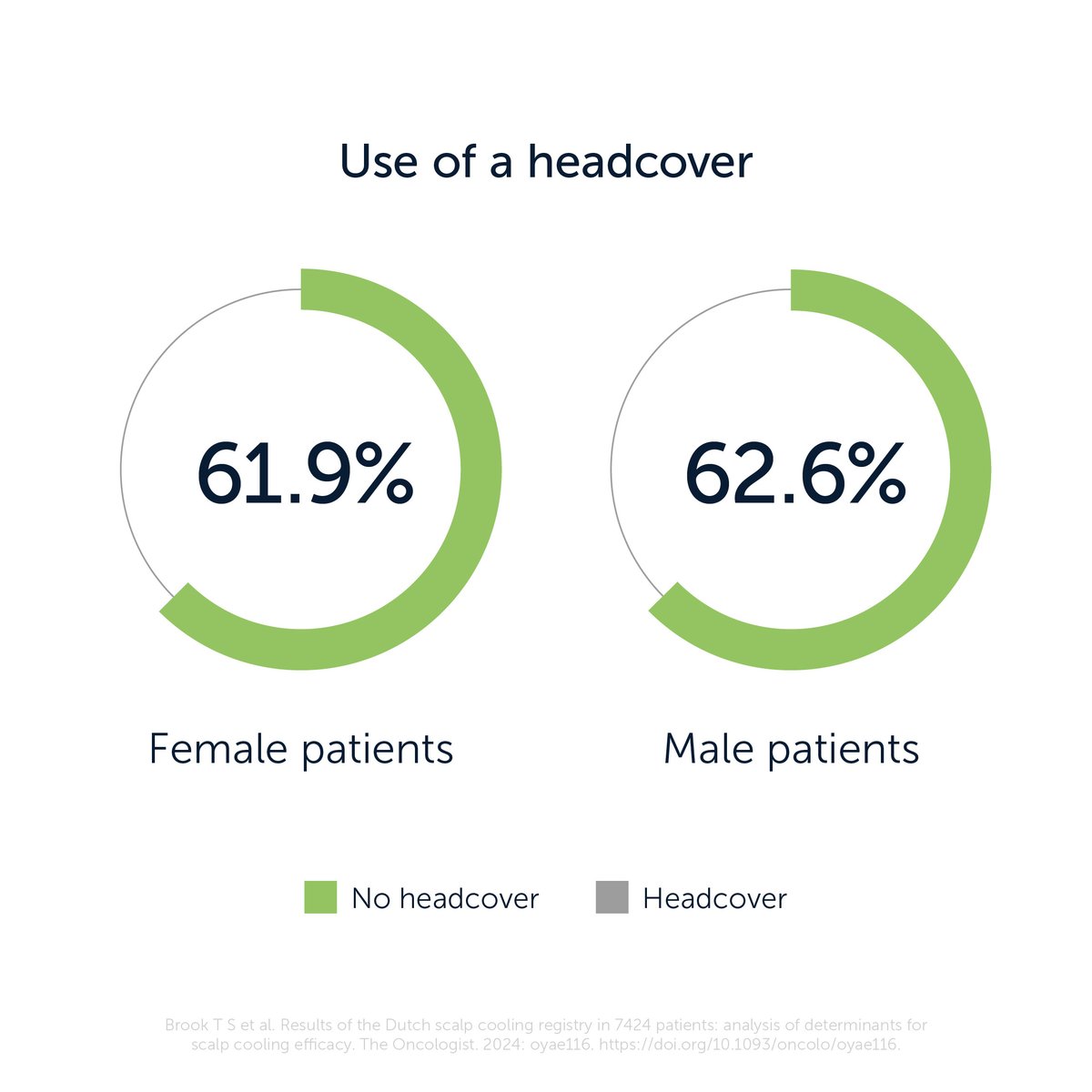
A common misconception of scalp cooling is that it is only for women, the Scalp Cooling Registry, a study based on the experiences of over 7,000 patients, found that gender did not play a significant role in the factors below. Read the full study at https://t.co/IbaYpCBdrk