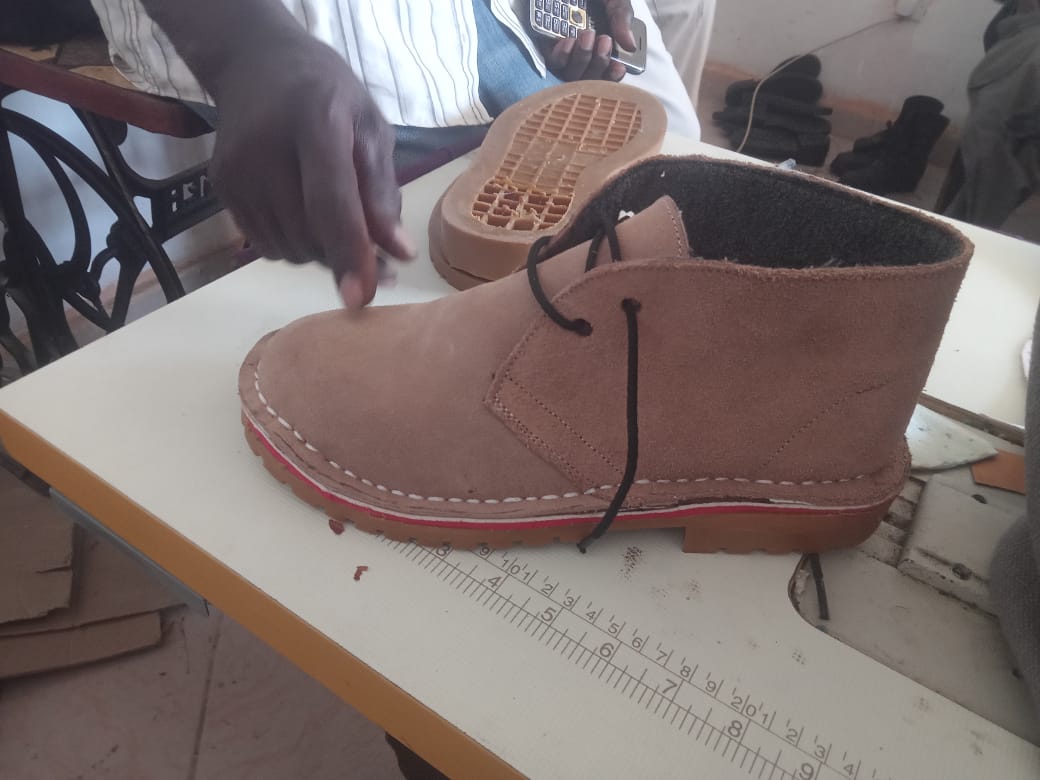
Get the best locally made leather shoes for school & work!
For Kids: Durable, comfortable & stylish shoes for school-goers!
For Security Guards: Safety boots that meet safety standards!
Quality Leather | Comfortable | Affordable*
Order now!
Call 0751519856 or DM for prices
Pablo Escobar once offered to pay off his entire country's national debt by himself, more than ten billion dollars. He made it all selling cocaine, a drug he swore was no worse than alcohol. Alcohol never made anyone rich enough to do that.
The whole thing came down to one gap. A kilo of cocaine cost Escobar around a thousand dollars to make in Colombia. In the United States, that same kilo sold for twenty to fifty times more. The entire fortune lived in that gap, and it was that wide for one reason: the drug was illegal. A Harvard economist named Jeffrey Miron found that banned drugs cost far more than legal ones. The extra is danger pay, the reward for taking on the risk of prison.
Escobar's own comparison proves the point. When the United States outlawed alcohol in the 1920s, people didn't stop drinking. The ban pushed the business underground and made gangsters like Al Capone rich. The moment alcohol became legal again in 1933, that easy money vanished, because the thing creating it was gone. Cocaine worked the same way. The ban that made Capone rich is the ban that built Escobar, decades later and far bigger.
And he was much bigger. At his peak, Escobar's Medellin cartel controlled about 80 percent of all the cocaine coming into the United States and was moving up to 70 or 80 tons of it a month. He made the Forbes list of the world's billionaires seven years running. Some years his operation pulled in around $22 billion, in a country whose entire economy was worth about $35 billion, putting one drug operation nearly on the scale of a whole nation.
His method had a name: plata o plomo, silver or lead, meaning you either took his bribe or you took his bullet. It paid for the 1989 bombing of a passenger plane, Avianca Flight 203, which killed all 107 people on board and three more on the ground, in a failed attempt to kill a presidential candidate who wasn't even on board. Nine days later, a bomb at a government building in Bogota killed 63 more.
The demand was real. But what built the fortune, and paid for the private army, was the price. And that price came straight from the law he spent his life blaming.
In a 1988 interview, Pablo Escobar said co*caine wasn’t the real problem...hypocrisy was.
He argued that drugs spread because of demand, just like alcohol, and that the US only saw co*caine as dangerous because Colombians controlled the trade.