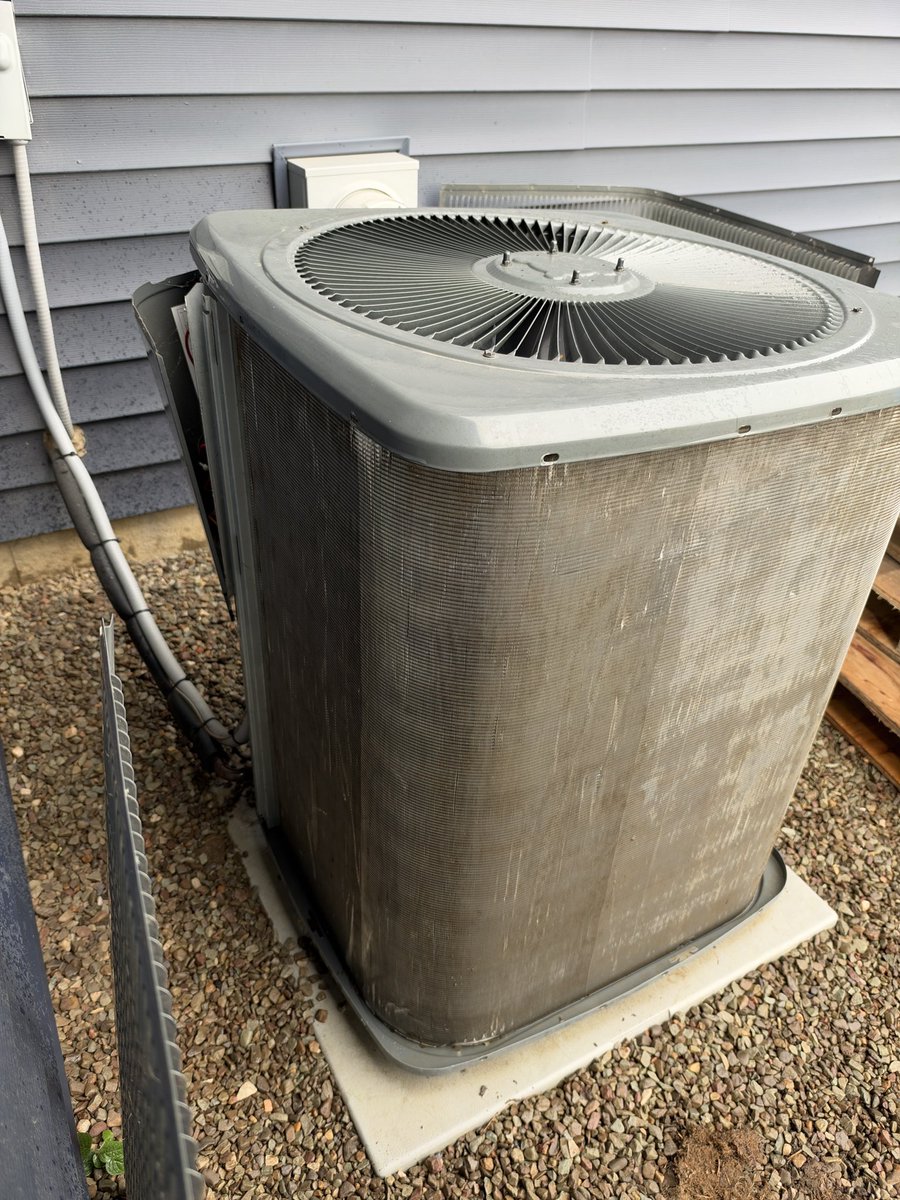
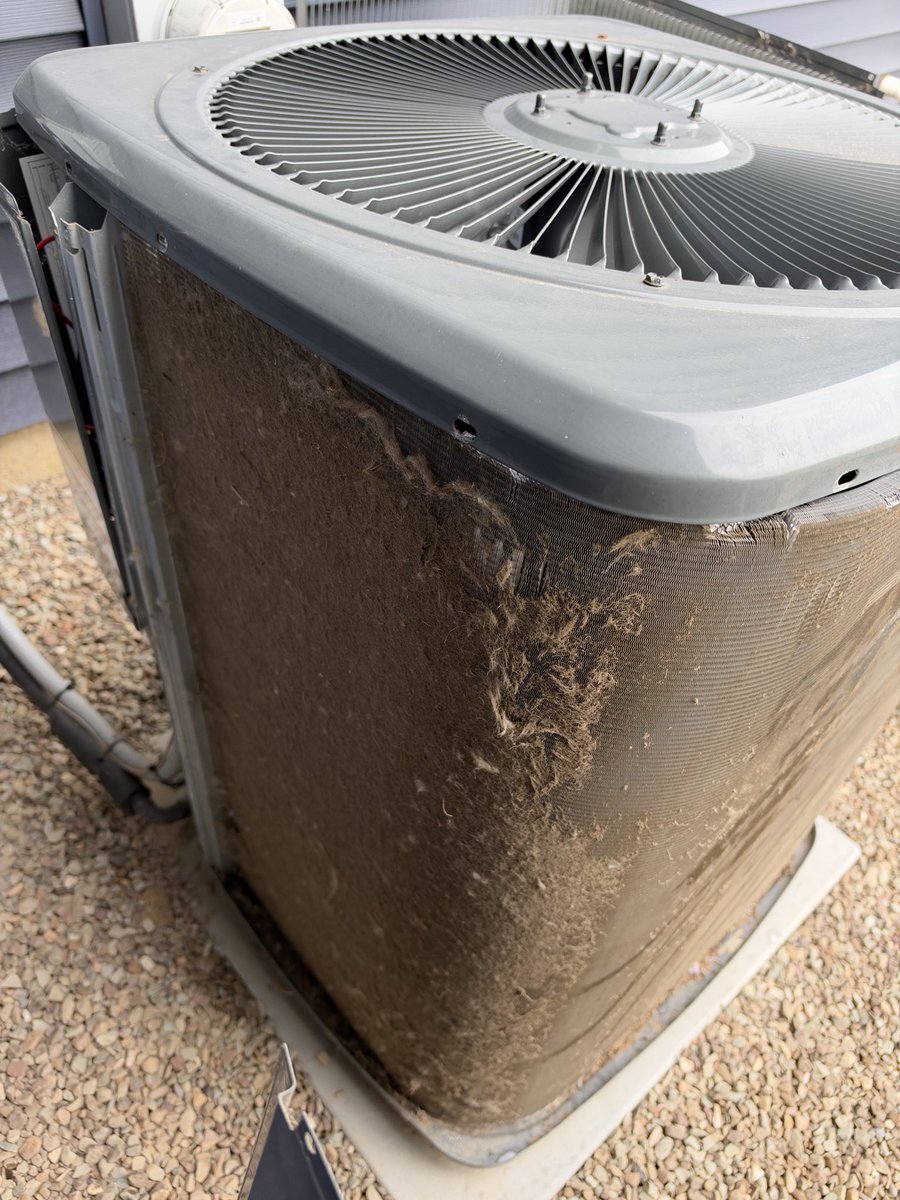
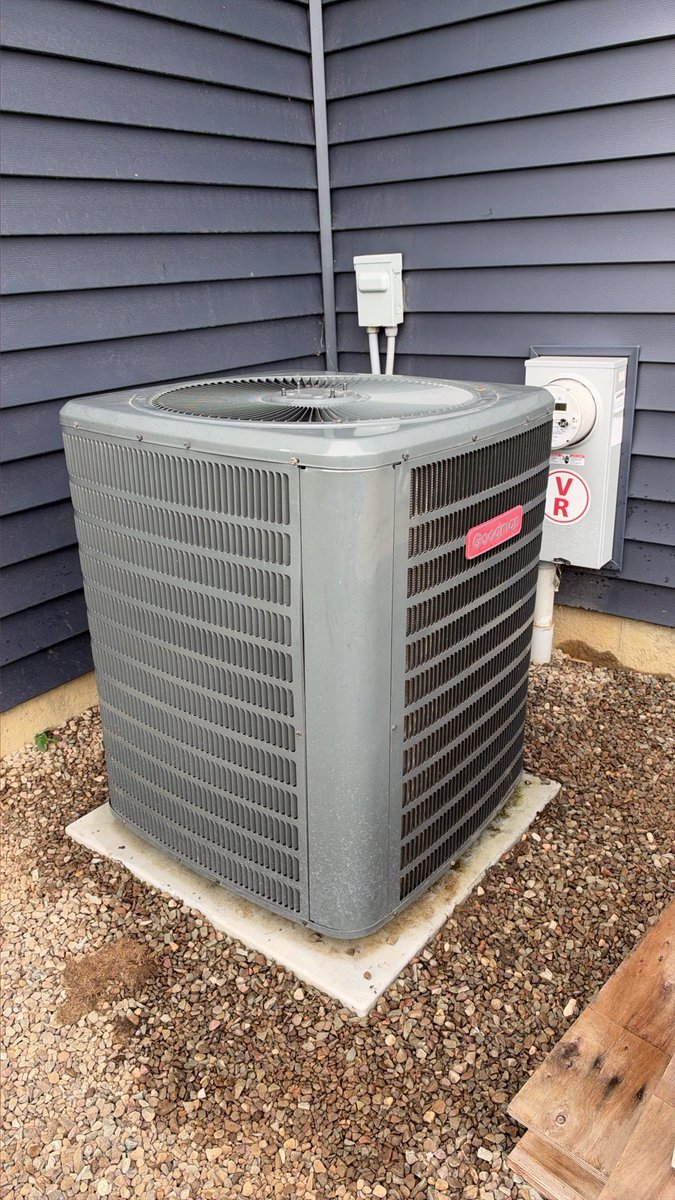
Friendly reminder to take the cover off and clean your AC condenser unit at the beginning and end of each summer!
Cleaning it will make your utility bill lower and your unit to last longer.
The more it is covered with crap and debris, the harder it has to work which means a higher utility bill and shorter life span on your unit!
This exact situation happened to me on a deal several years ago. I was newer to the business and it meant a lot to me. To this day I’d still drop everything I was working on to help that owner if they reached out. It wasn’t even a “treat brokers well so they bring you more deals” thing. They were just great people.
Advice from having lived through two major market corrections.
The first rent cut is always the smallest. Get out ahead of it and lead the market down; don't chase.
Rents are a market decision. Vacancy is an operator decision. Swallow your pride and keep the building occupied.
Return on cost seems like it should be a pretty simple concept but a lot of people actually calculate it wrong and it ends up costing them a lot of money
For those of you who don't know, return on cost is the additional yearly revenue generated from a renovation divided by the cost of the renovation
It allows you to track the additional "basis" (in this case, renovation costs) in the deal and whether adding it is accretive to the deal or not
For example, say you buy a property for a 5% cap rate. You plan on renovating one of the units. How do you know if the renovation will be worth it (accretive) to the property?
Well you need to make sure that an increase in your basis (your basis is essentially all your “costs” in the deal – purchase price, capex, etc) results in a greater than 5% additional yield on the property
Otherwise your renovation is actually lowering your yield and losing you money (yes, it’s entirely possible that renovating your property and making it nicer is actually costing you money)
In this example, let’s assume current rent is $1,000 and a unit renovation will cost you $20k. What rental rate increase do you need to justify the renovation?
Well your in-place yield is 5%. So any renovation needs to yield higher than that
$20k / 5% = $1,000. $1,000 / 12= $83/month. So you need to be able to boost rents at this unit more than $83/month, otherwise the renovation isn’t worth it
If the renovation yields a rental increase less than that, your return on cost is below 5% and you are losing money by renovating. That means by making your property nicer, you’re actually losing money
Odd concept, I know – but it’s true
As an aside, this is why you need to be careful about your purchase price and careful about your renovations. Most of the value in a deal is locked in at acquisition
As another aside, just because something is accretive doesn’t mean you definitely should do it. If you spend 3 months on a renovation and it’s accretive but only results in .1% increase in the total yield, that’s probably a waste of your time that could be better spent elsewhere
Back to the main point:
So now we’ve established what the return on cost calculation is, why it’s significant and how to make sure a specific renovation is actually making money. Let’s dive a little further into the ROC nuance and a very common mistake a lot of people make
When rents are below market, there’re typically two metrics they can be “below market” to. The first is the unrenovated market rent. This is pretty self-explanatory
Absentee owners often neglect to mark rents to market, meaning that when you take possession of the building you can increase the rent without renovating (the rents are simply below market and you don’t need to add any value to increase them, you just need to change a number on a lease)
The second metric they can be “below market” to is the renovated market rent. This means that the unit is unrenovated, and if you choose to add value through renovation, you can increase the rents to “renovated market”
So let’s look at an example. Let’s say current rents at a unit are $1,500 and the current yield at the property is 7%
Unrenovated market rents are $2,000 and renovated market rents are $2,200
A unit renovation will cost you $40k. Should you renovate?
Most people would tell you yes – they’re dead wrong
Most people would take the renovated market rent of $2,200 and subtract the in-place rents of $1,500 to get $700 of incremental monthly income. $700*12/$40k cost = 21%. It’s accretive right? Wrong.
You can get to $2k without renovating at all. That means you can’t include that $500 incremental monthly value in your ROC calc because the renovation isn’t driving that yield (can achieve that w/ a new lease)
So the only incremental value you’re actually receiving is from the unrenovated market rent to the renovated market rent – an incremental monthly value of $200
$200 *12 / $40k = 6% ROC
Your in-place yield is 7%
So renovating in this situation is actually not accretive to your deal. The correct action here is to raise the rents to the unrenovated market rent of $2,000 and then leave them there. Any further renovation is costing you money
See people make this mistake all the time, thinking that they’re adding a lot of value, but they’re actually costing themselves a lot of money (21% artificial yield vs 6% real yield)
In summary, you have to be careful with your ROC calculations. There are two main ways you can lose money by not fully understanding return on cost:
1. By renovating for a lower yield than the in-place yield
2. By incorrectly calculating ROC using the fully renovated market rents minus the in-place rents instead of calculating ROC using the renovated market rent minus the unrenovated market rent
Simple concept but it can cost you a ton of money if you don’t fully understand it
I would guess there’s a high correlation with the young guy in gym lifting weights with terrible form in an effort to expedite his results, and involvement with get rich quick crap. It’s a personality type.
Put in the work. Build the foundation over time. Same advice for both.
2% of tenants make life hell for the other 98% in affordable housing.
If you truly cared about affordable housing outcomes, you would support being much, much tougher on crime.
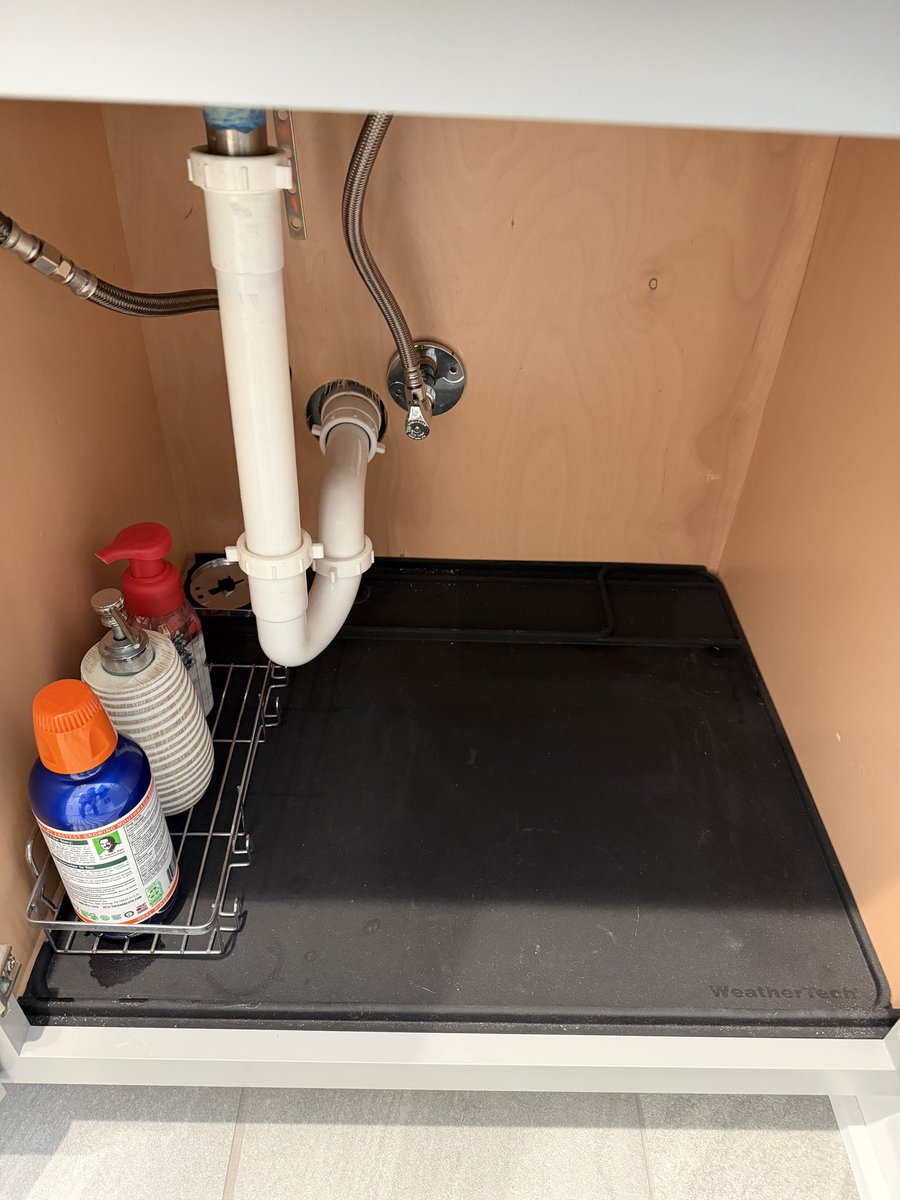
My dad has this thing where he buys WeatherTech car floor mats and cuts them to size under every sink in his house (and mine too of course) so it will catch any leak from damaging the cabinet / floor etc.
My plumber saw it for the first time recently and was impressed.
A vendor just emailed us an invoice.
Right logo. Right project. Right invoice number. New bank account.
If we had paid it, $50K is gone. No recovery. No insurance. Just gone.
We got an email a few days later that the vendors email had been hacked.
This is happening to businesses every single day. And it's about to get much worse.
AI is an incredible tool when it's used for good. But it is also a weapon. The same technology helping us underwrite deals and manage portfolios is helping criminals build perfect fraud at zero cost and infinite scale.
The "Nigerian Prince" is dead. He's been replaced by AI that sits inside your vendor's email for months. It watches your payment cycles. It learns your controller's name. It waits for the perfect moment to swap banking info on a real invoice.
It requires vigilance and good processes to not get fooled.
Here are a few basic things we do:
1. Banking info changes = full stop. No exceptions. We stop and we call.
2. Never call the number on the new email. That's the hacker's number. We dig up the old contact info and call someone we already know.
3. Hold payment if there is a bank change. Every updated account gets a mandatory hold and a voice callback to the vendor.
Two-minute phone call costs you nothing. One bad ACH is an expensive mistake.
What else should we be doing?