We just released 𝚛𝚎𝚊𝚌𝚝-𝚋𝚎𝚜𝚝-𝚙𝚛𝚊𝚌𝚝𝚒𝚌𝚎𝚜, a repo for coding agents.
React performance rules and evals to catch regressions, like accidental waterfalls and growing client bundles.
How we collected them and how to install the skill ↓
https://t.co/kfLSbKl15X
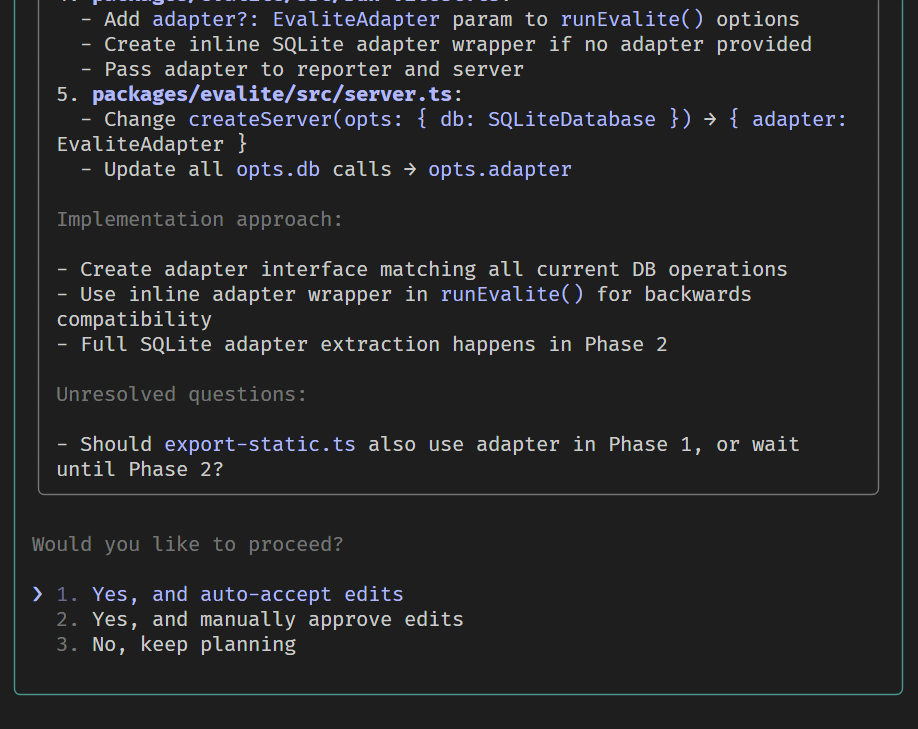
Two ways to make your 'Plan Mode' plans better:
- Put "sacrifice grammar for the sake of concision" in your rules
- Put "list any unresolved questions at the end, if any" at the end
Means the first thing you see is a hyper-concise list of immediately actionable questions.
No one can develop an all knowing absolute solution that makes future problems solving easy, change is needed and most of the times and it's not easy, there will be debts that we run away from , there will also be people hard to deal with convincing of the much required change.
Just had a thought while working with a real-world DB structure: using hierarchical paths in document-based DBs (e.g. <city>/<organization>/<username>) is a small detail, mistake that’s easy to overlook but is a major anti-pattern.
Predictable paths invite enumeration attacks, exposing sensitive data. Plus, deeply nested structures are inefficient, complicate indexing, and make the system brittle—small changes could trigger massive migrations.
When building multi-service apps, it’s crucial to consider how tightly or loosely coupled your services are. Loose coupling isn't just about minimizing change impact—it's about reducing the assumptions services make when they communicate.
🎉 High Performance SQLite is live!
This video course covers everything you need to know about SQLite. It's 65 videos across 6 modules, with at least 20 more videos to come.
We're launching in early access today, so the price is currently discounted!
Y'all go get it!
🚀🚀 Giveaway alert!
Win a copy of the 79$ Transcend SaaS Framer template completely for FREE!
To get it,
1. just reply “Framer” to this tweet
2. Follow me (so I can DM you the discount code) and like this tweet for reach
⏰ Giveaway ends on 9 June 24.
#buildinpublic