After careful consideration and reviewing the current eligibility guidelines,
I’m officially declaring myself a @WNBA prospect.
If simply declaring who you are is all that’s required, then I meet every single requirement necessary to compete in the WNBA.
My team and I have carefully examined the WNBA’s eligibility criteria and governing framework surrounding self-identification and inclusion. Based on the current guidelines, I can and am officially declaring my eligibility for the upcoming WNBA draft in April 2027.
I know my presence on the court will stir up strong opinions.
I am definitely not here to mock, make fun of, or disrespect any community or personal choices.
I’m simply asking that the current rules be applied equally to everyone — the rules that represent the very values many WNBA players and coaches have publicly advocated for.
My team and I are prepared to ensure these guidelines are applied equally, consistently, and without exception, and I look forward to the #WNBA honoring its stated principles.
See you at training camp.
https://t.co/zlwWpVF0Ou
Food for thought.
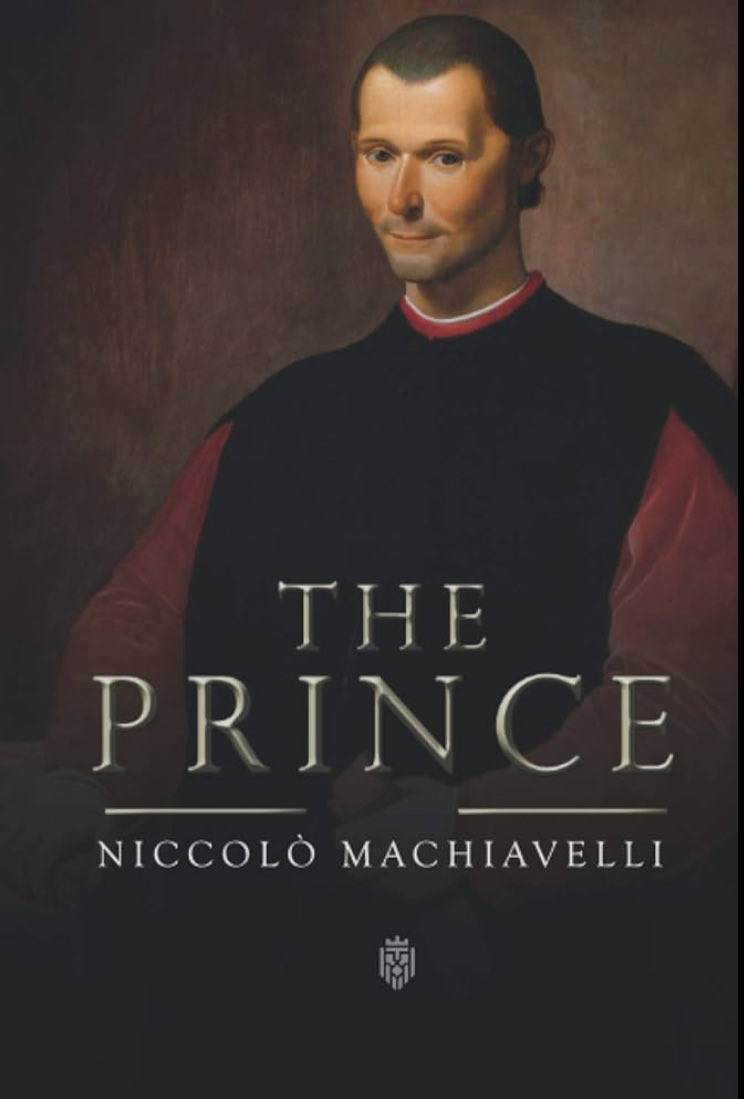
In The Prince, Machiavelli teaches that a ruler’s first duty is to secure the state, even if that means speaking and acting in ways that shock polite society. He warns that “men in general judge more from appearances than from reality,” and that a successful prince must be judged on the effects of his words, not on whether they conform to genteel norms. Trump’s recent language toward the Iranian regime is not a lapse of self‑control; it is a calculated act of deterrence aimed squarely at the leaders of a state‑sponsored terrorist apparatus.
He is negotiating through intimidation, signalling resolve, ruthlessness, and a willingness either to send Iran “back to the Stone Ages” or to ensure that “a whole civilization will die tonight” in terms that pierce the bubble of diplomatic euphemism and force the IRGC command to reassess its risk tolerance. In that sense, Trump is acting far closer to Machiavelli’s prince than to a modern liberal statesman: he is willing to appear vulgar, even “unhinged,” if doing so strengthens the fear of his threats in the minds of his adversaries.
What is striking is not that a leader dealing with such a regime would use this language, but that so many in the West seem genuinely unable, or unwilling, to recognize the strategy.
They clutch their pearls about tone while ignoring the basic logic of coercive diplomacy: when you want to stop a hostile regime and its terrorist proxies from further escalation, you must shape their expectations, not placate your own commentariat.
Machiavelli’s blunt counsel is that a prince must sometimes speak as both “man and beast,” combining law with the language of force to protect his people. One is left wondering whether our political and media classes have forgotten the oldest lessons of statecraft. Has no one read The Prince?
If you believe free speech is for you but not your political opponents, you're illiberal.
If no contrary evidence could change your beliefs, you're a fundamentalist.
If you believe the state should punish those with contrary views, you're a totalitarian.
If you believe political opponents should be punished with violence or death, you're a terrorist.