We are proud of the progress reflected in this year’s Impact Factor of 9.9, but even more proud of what all of this represents.
A heartfelt THANK YOU to our entire JCF Family. Your engagement as authors, reviewers, readers, and mentors continues to drive this collective success.
Editorial perspective 📝
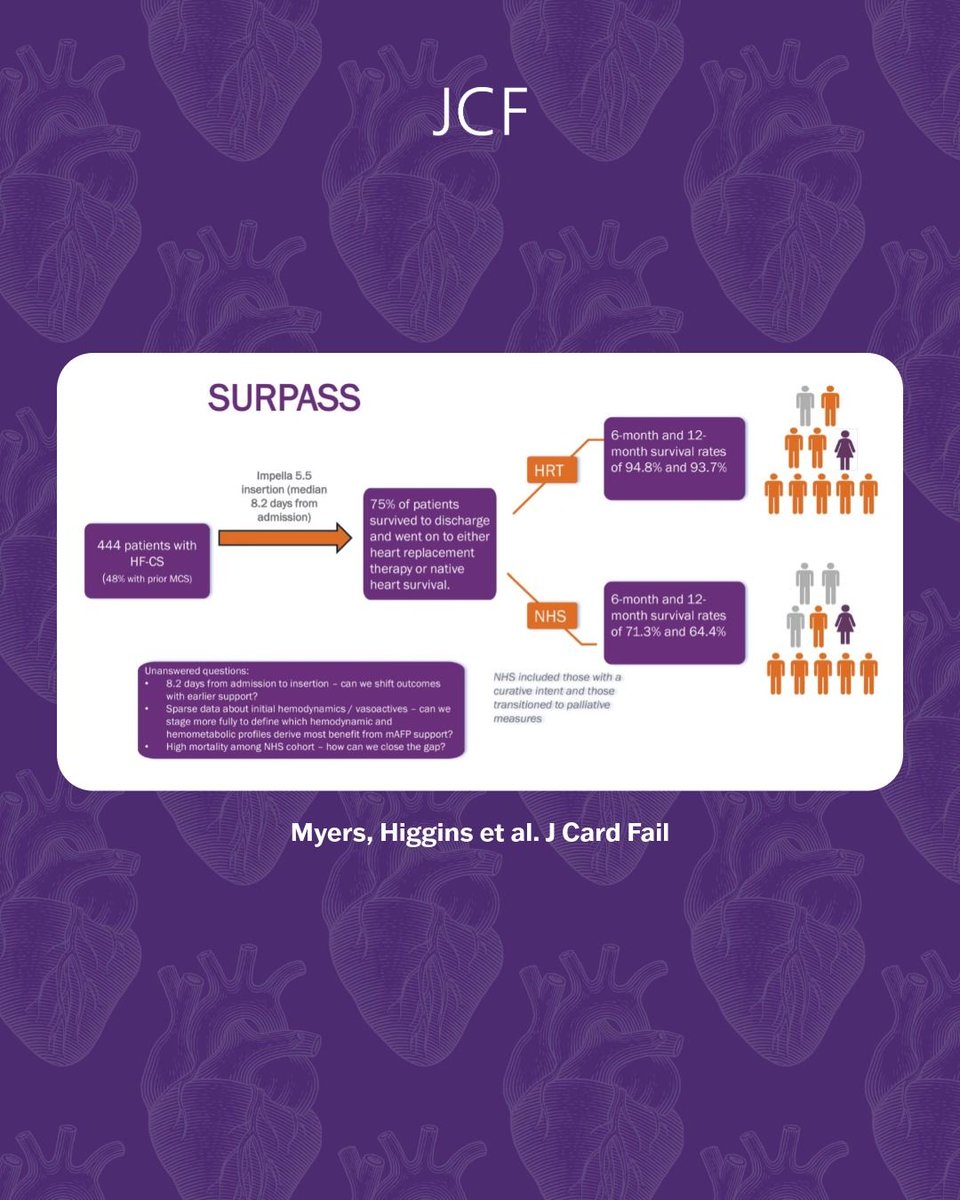
SURPASS highlights the promise of Impella 5.5 as a bridge to recovery, transplant, or durable LVAD. But important questions remain!
Patient selection, timing, & support strategy may be just as important as the device itself.
🔗https://t.co/I4CMV9as5a
New science 🚨: Impella 5.5 for HF-related cardiogenic shock 🫀
In the SURPASS registry (n=444), survival to discharge was 75% overall & 86.5% with Impella 5.5 alone. Patients bridged to transplant/LVAD had excellent outcomes, with >93% survival.
🔗https://t.co/SNwdge24dD
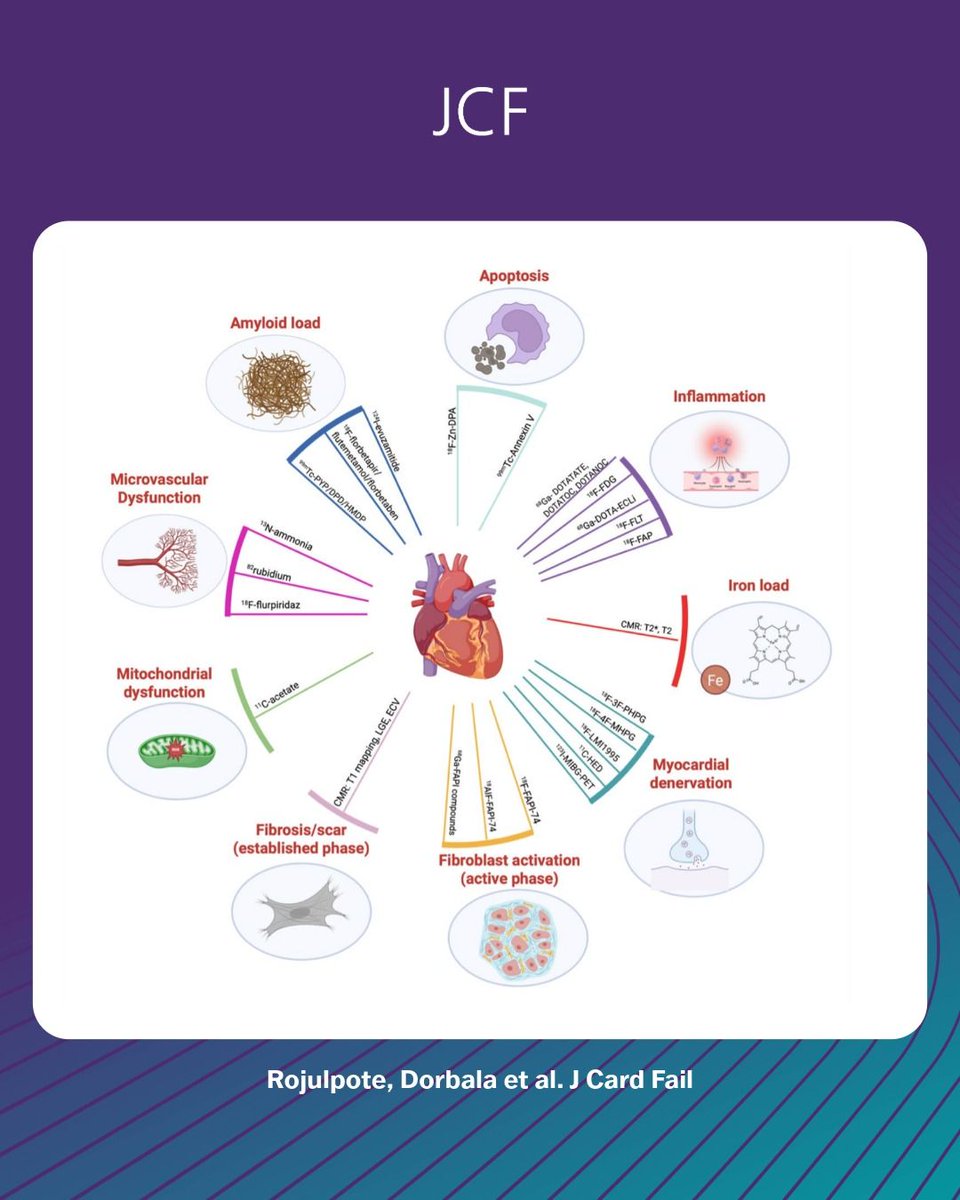
🫀 Infiltrative & inflammatory cardiomyopathies share common pathways of dysfunction. Advanced imaging is shifting from structure→biology. Probing inflammation, microvascular dysfunction, and energetics to refine diagnosis and guide precision HF care.
https://t.co/B47XDcT9p2
Last call! 🚨 Submissions close today for JCF’s Focus Issue - Artificial Intelligence and Heart Failure: A Critical Juncture. Don’t miss the opportunity to contribute at this defining moment in HF care. 🫀
https://t.co/lo4IS3YS81
#HeartFailure#AIinHealthcare#CallForPapers
What's new in heart failure research?
Find out in the June edition of JCF, featuring expert perspectives advancing our understanding of heart failure and informing patient care.
Read the full issue: https://t.co/57AlG1oPlT
Time is running out to submit to JCF’s Focus Issue - Artificial Intelligence and Heart Failure: A Critical Juncture.
If your work advances responsible innovation in HF care, now is the time to contribute.⌛
🗓️ Deadline: June 15th, 2026
https://t.co/lo4IS3YS81
#AIinHealthcare
In HELIOS-B, vutrisiran slowed renal decline in ATTR-CM: fewer ≥40% eGFR drops vs placebo (12.7% vs 21.2%).
Benefits on CV outcomes were consistent across kidney function, even in advanced CKD.
Improves not just CV outcomes but has renal benefits🫀🧪
https://t.co/Bw3XMvW03l
Cardiac sarcoidosis: beyond steroids?
The REPAIR-CS trial is testing rilonacept (IL-1 blockade) added to standard therapy, with FDG-PET inflammation as the primary endpoint—marking a shift toward targeted, mechanism-based treatment.🫀
🔗 https://t.co/Mh3Pgtfhlq
But what does a positive biopsy mean?
The editorial notes no association with outcomes, small high-risk subgroups & lack of genetic testing.
EMB may be most valuable earlier, when diagnosis is uncertain and results can change management. 🔍
https://t.co/UOOIGUBq2w
When should we biopsy for cardiac sarcoidosis? In ILLUMINATE-CS, EMB positivity (~22%) was directionally associated with established predictors (MIDFIN). Novel predictors: septal thickness, FDG-PET burden, BNP). EMBx yield rose stepwise with number of criteria.
🧵
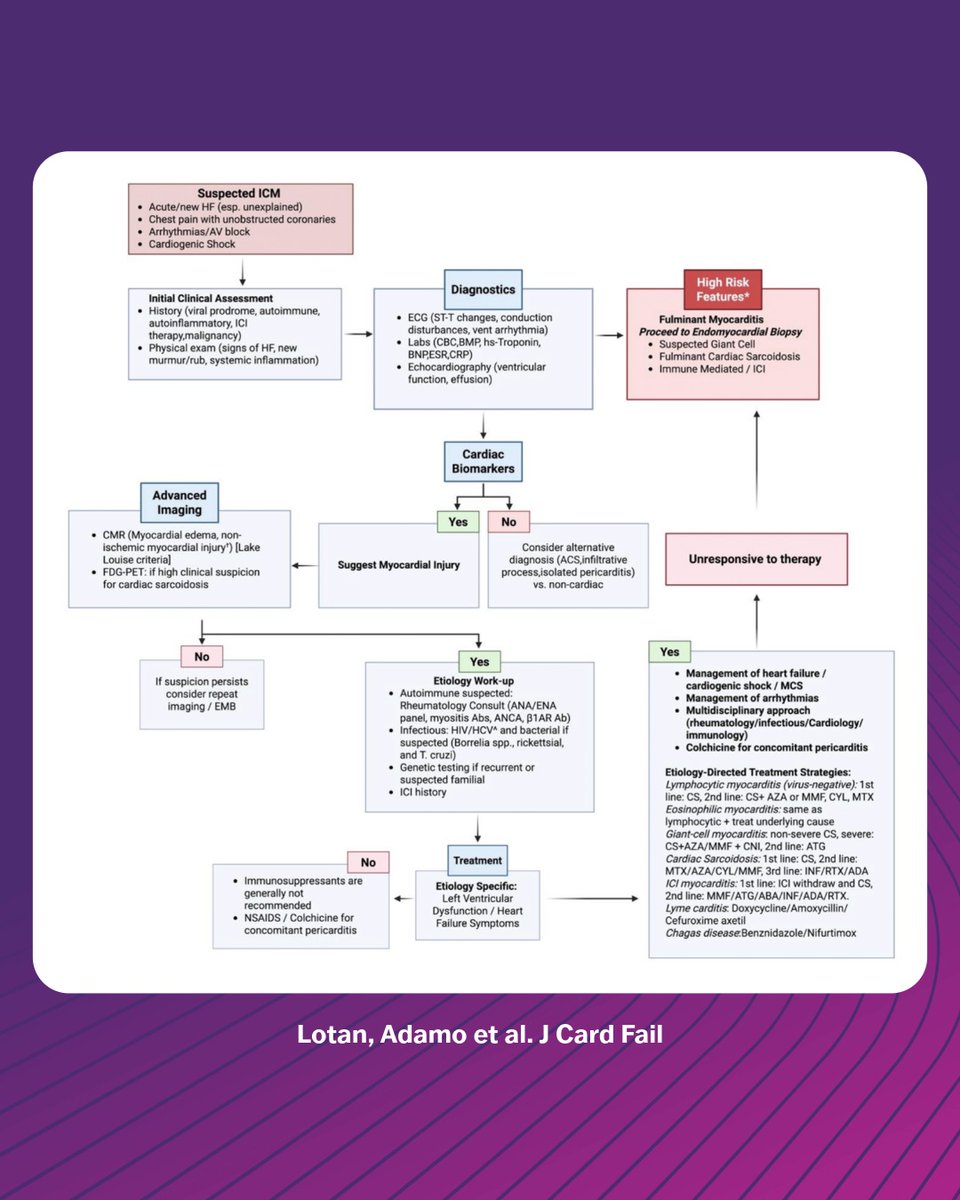
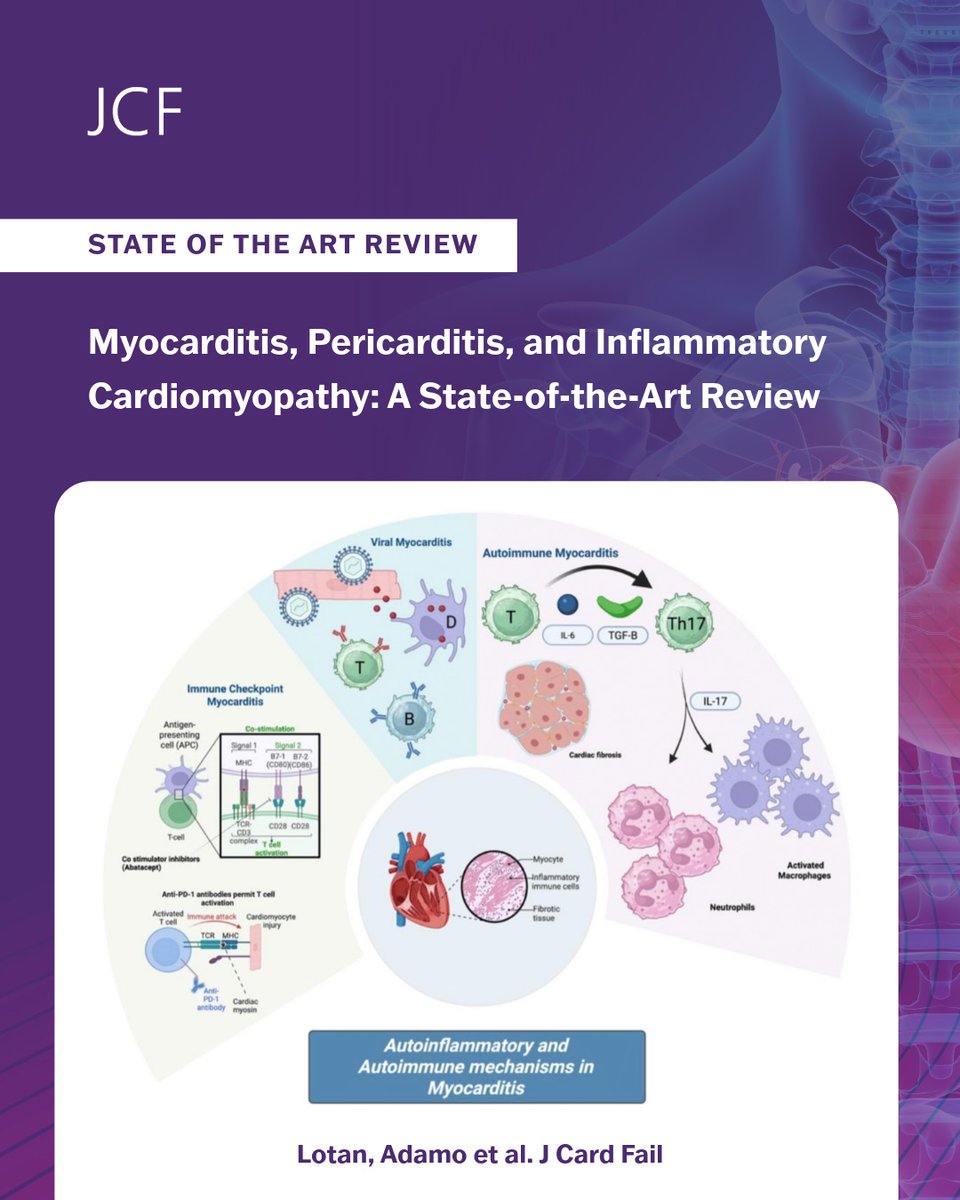
The latest State of the Art Review looks at Immune-mediated pericardial & myocardial syndromes as unified spectrum: linking 🧬 susceptibility, 🌍 triggers & systemic inflammation, with integrated diagnostics & expanding therapies (incl. biologics).
🔗 https://t.co/7nE7hAHoCR
Do we always need CMR or biopsy in myocarditis?
Accompanying editorial suggests not, questioning their added prognostic value in lower-risk cases & emphasizing simple, accessible tools like echo for risk stratification.
Time to rethink the approach?🔍
https://t.co/YZtBBQWLVH
Acute myocarditis: who is truly at risk?
In a real-world cohort, most patients had favorable outcomes (~88% event-free at 10 yrs).
But higher risk was linked to age, HF symptoms and LV hypokinesia, highlighting the value of early bedside assessment.🫀📊
https://t.co/lTnRvz2lli
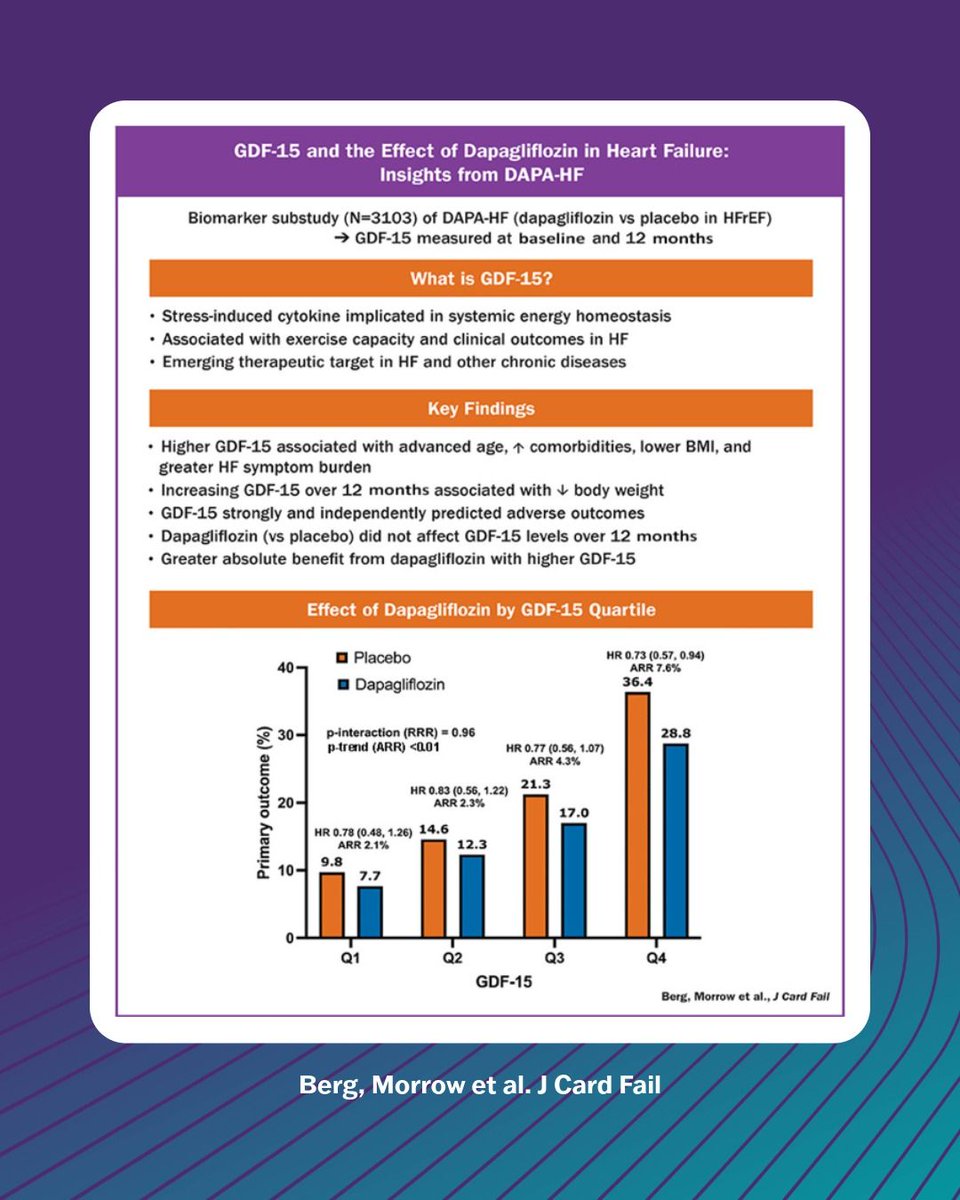
⬆️ GDF-15 = ⬆️ risk in HFrEF.
In DAPA-HF, dapagliflozin benefit was consistent across GDF-15 levels, but absolute risk reduction was greatest in those with ⏫ levels. Further, dapa did not significantly ⬇️ GDF-15!
GDF-15 is a marker of risk, not response. 🧪🫀
🧵👇
Does sex influence kidney outcomes after heart transplant?
In >30K patients, sex was not associated with early or late kidney failure. Rates of early kidney failure increased after the 2018 allocation change, and this was not impacted by sex. 🫀📊
🔗 https://t.co/isIy0sT5bM
Severe VHD causes ~4% of cardiogenic shock cases, but with ~40% mortality.
In a multicenter cohort from CCCTN ~1/3 underwent valve intervention, with lower mortality vs conservative care, highlighting a high-risk but potentially treatable subgroup🫀⚠️
🔗 https://t.co/BumjMNLx3m
Is HFmrEF a distinct entity? 🫀
Evidence suggests it more closely resembles HFrEF—but it may also represent:
• An overlap phenotype
• A transition state (toward HFimpEF or progression from HFpEF)
EF-based categories remain imperfect—but clinically useful. 💡
HF with mildly reduced EF (HFmrEF) sits between HFrEF & HFpEF; where does it truly belong?
A new HFSA Scientific Statement examines its epidemiology & pathophysiology & provides a comprehensive management framework for this understudied HF phenotype🫀
🔗 https://t.co/pP2WihJQxc
Management remains challenging: no trials specifically target HFmrEF.
This HFSA Statement offers a practical framework using available evidence, and highlights key knowledge gaps to guide future research in this growing HF population. 📊