How Ideological and NGO Forces Are Trying to Subvert Japan as They Did the West
Introduction
Japan stands today as a rare exception among developed nations: ethnically homogenous, culturally unified, and resistant to the chaos that has engulfed much of the West through mass immigration, multiculturalism, and the ideological capture of institutions. But that status makes it a target.
While the West fell to a mixture of ideological subversion, imported demographic replacement, and NGO-backed influence operations under the banner of “diversity” and “human rights,” Japan remains largely intact. That may not last.
A quiet, multi-pronged strategy is underway to establish a cultural and ideological foothold in Japan, using Muslim immigration, NGO activism, foreign-funded religious institutions, and guilt-based psychological tactics rooted in “international pressure.” If successful, these strategies could unravel Japan’s uniquely preserved national identity just as they did across Europe and North America.
⚙️ I. The Blueprint of Subversion: A Western Prototype
Before analyzing Japan, one must understand the pattern:
1.Introduce mass immigration, especially from culturally incompatible regions.
2.Outlaw resistance through hate speech laws and DEI mandates.
3.Use NGOs and international bodies to enforce “tolerance” through social engineering.
4.Create parallel societies that demand state accommodation while rejecting cultural assimilation.
5.Dismantle cohesion through the erosion of shared language, religion, customs, and national memory.
Europe and North America followed this pattern—often led not by popular will, but by financialized NGOs, foreign policy interests, and activist bureaucracies operating without public consent.
🌏 II. Why Japan Resists.. and Why That Infuriates the globalists🪬
Japan has, so far, resisted this model. Its policies remain focused on population stability, national unity, and cultural preservation, with mass immigration tightly controlled and multiculturalism treated with caution.. not celebration.
This resistance makes Japan a symbolic threat to the postmodern globalist consensus. Its mere existence proves that an advanced economy can thrive without mass immigration or ideological surrender. As such, pressure has increased to force Japan into conformity with the failing Western model.
🕋 III. The Trojan Horse: Muslim Immigration as a Vector
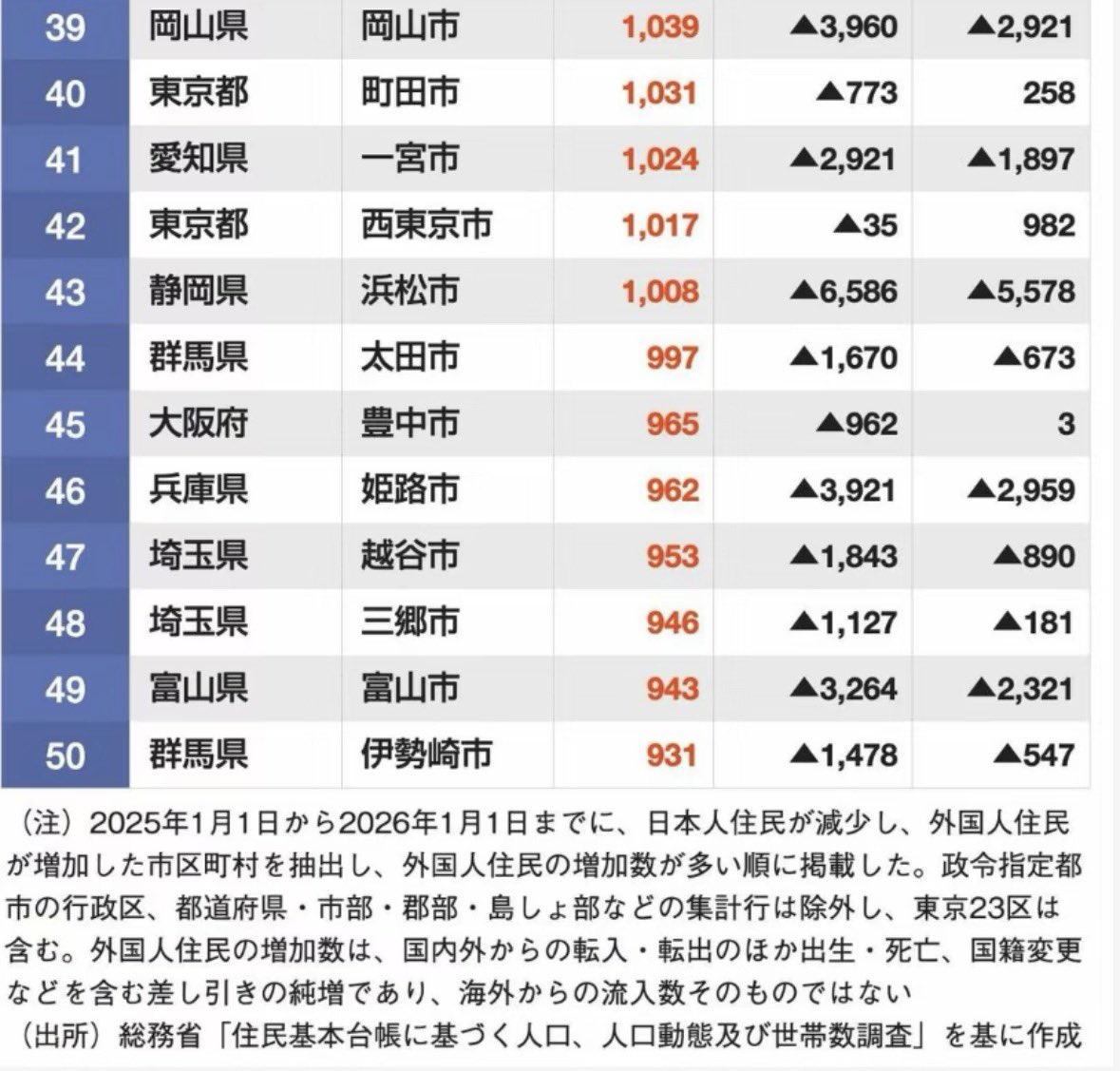
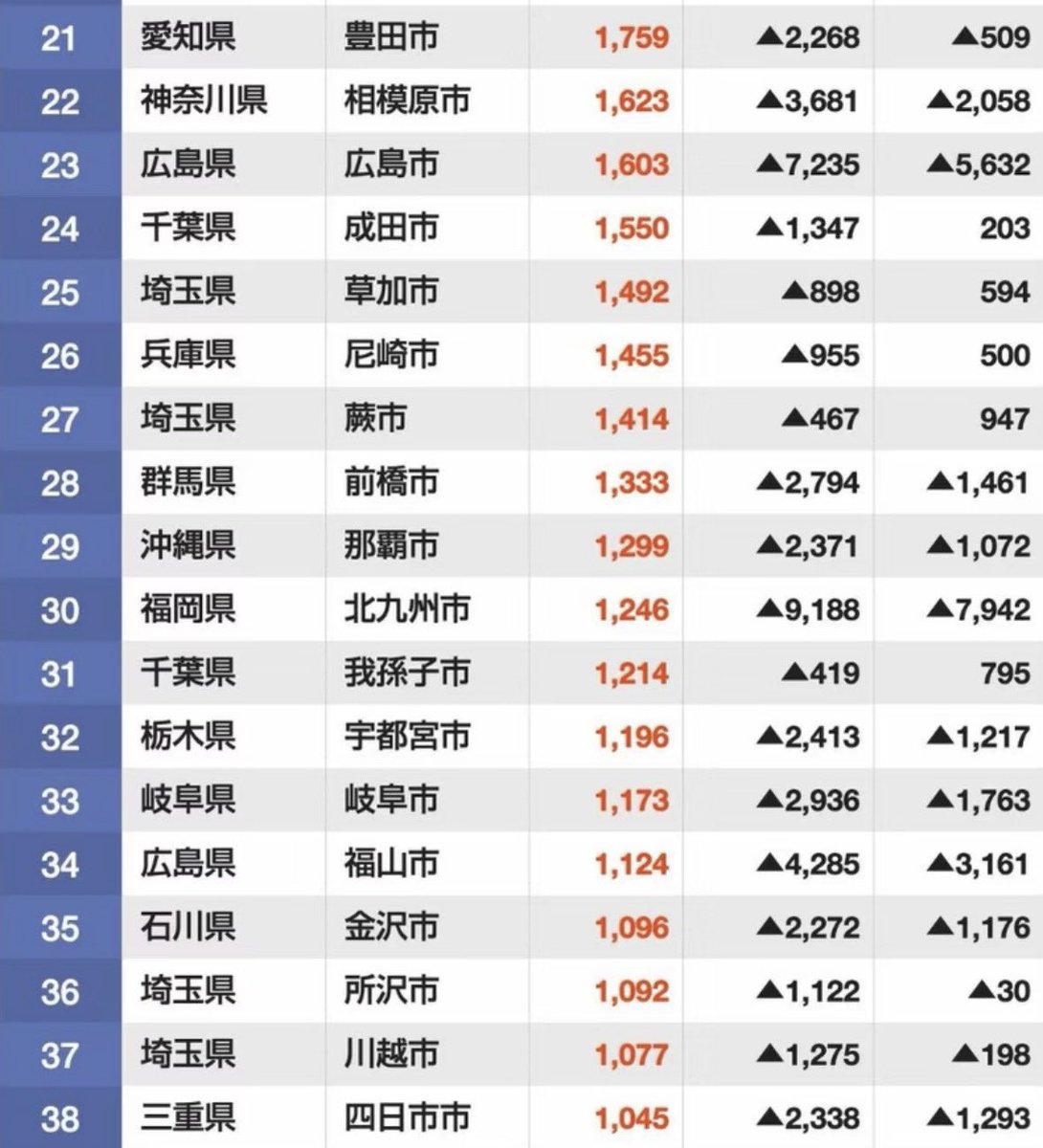
Muslim immigration in Japan is relatively small roughly 230,000 residents but it is growing. More importantly, it is being amplified in cultural visibility far beyond its demographic weight:
•Over 110 mosques have been built.. up from just 15 in 1990.
•Halal infrastructure, prayer rooms, and Islamic finance programs are spreading through business and academia.
•Public pressure is increasing to accommodate Muslim religious practices in schools and workplaces, often under the banner of “human rights.”
While most Muslims in Japan are peaceful, the real danger lies not in the individuals, but in the institutionalization of cultural accommodation. As seen in France, Sweden, and the UK, the initial tolerance eventually leads to parallel legal systems, religious enclaves, and demands for blasphemy protection and speech policing.
Japan is now being urged by international NGOs, UN bodies, and foreign-funded religious groups to abandon its secular neutrality and start accommodating imported religious customs in its schools, workplaces, and immigration policies.
[End of Part 1… look in replies]
モスクという「疑似国家」少なくとも、彼らが非イスラム・近代国家の信仰の自由という「近代法の盾」を逆手に取り、如何にモスクという「インフラ」を定義し、利用しているのか理解するべきです。そもそも、日本人はモスクをキリスト教的な個人の「祈りの場」と解釈していることが間違いです。非常に政治的空間であるという事です。これはDin wa Dawla(政・教一致の包括的秩序)の現象で、社会的・政治的にならざるを得ません。特に非イスラム国のデイアスポラにとっては、シャーリアが支配する「イスラム共同体」の「出先機関」、並行社会の要であり、言ってみれば「疑似国家」或いは「その飛び地」、「治外法権」の場所だという事です。そこに、ヒズブ・タクリール、タブリーグ・ジャマ―トなどの原理主義指導者が大手を振って活動している。その対象となるムスリムは、言っては悪いですが、低学歴・低階層・高い宗教的意識(コーランを読んだこともないような)・現実の移住貧困状態による劣等感と歪んだ優越感(多神教世界である日本への独断的な差別感)などを持つ南アジアから流入したムスリムたち。モスクは、彼らが世俗の劣等感から解放され、「神の前に平等で尊厳あるムスリム」に戻ることができる場所なのでしょう。この強力な精神的・物理的依存度が、国家の警察や行政の介入を阻む強固な壁となります。そして原理主義的指導者の扇動により、ホスト社会への怨嗟、蔑視、自分たちの宗教的価値観・規範の認証要求、共生の拒否。指導者たちはモスクを使い、日本社会からの「精神的分離(Isolation)」を徹底させます。今回の泉南市のイマームの例のように、表向きは「地域交流」や「国際理解」を謳いながら、モスクの内部(防音室)では、子どもや若者に対し「日本の世俗的な法律や男女平等の価値観は、神の法より劣るものである」という認知の書き換えを行っているのです。また、岡山市は「岡山イスラミックセンター」を避難所に指定したのの報道。浅はかな行為です。社会的認知と正当性、宣撫工作に近いものだと考えます。ムスリムの方たちの隔離にも繋がります。
冷静なイスラムとモスクについての現状認識がないまま、このまま「移民政策」を続けると、欧州のような一発触発状態の社会不安が高まることは、火を見るより明らか。問題は、この認識を持つことへのエリート層の「道徳的」忌避感を払しょくしなければ、エリートの無知と危機感の欠如で滅んだ国々と同じ道をたどることになります。